


OCT 8 | 3:00 PM

Bring your auction to collectors worldwide!
Get listed nowBy subscribing, you are agreeing to the privacy policy. Unsubscribe anytime.
Barnebys HQ
Brahegatan 10
BOX 5038
114 37 Stockholm
All auctions / Ancient Art / Ancient Roman Bronze Statuette of Luna / Selene in a Quadriga - 68 mm

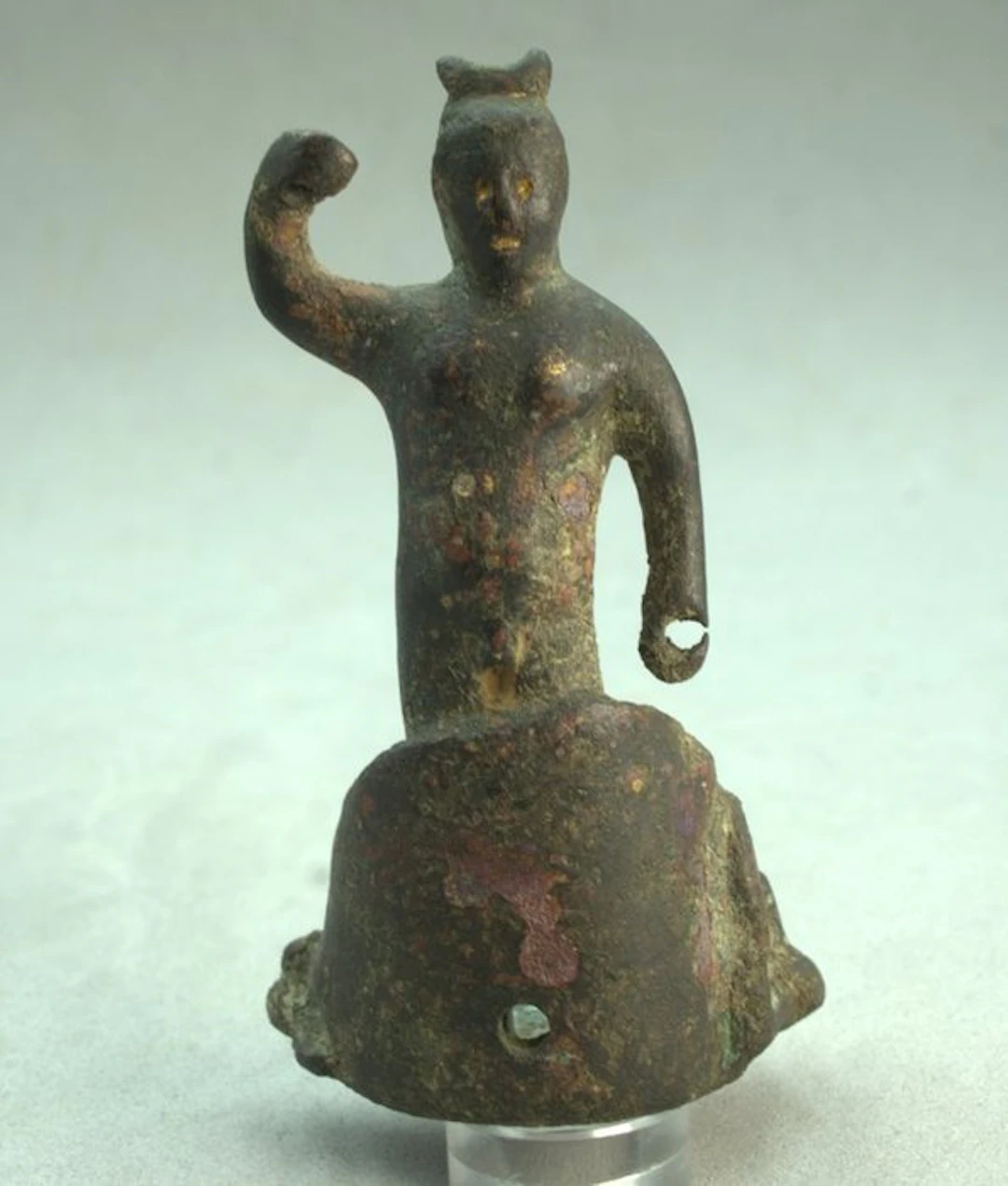
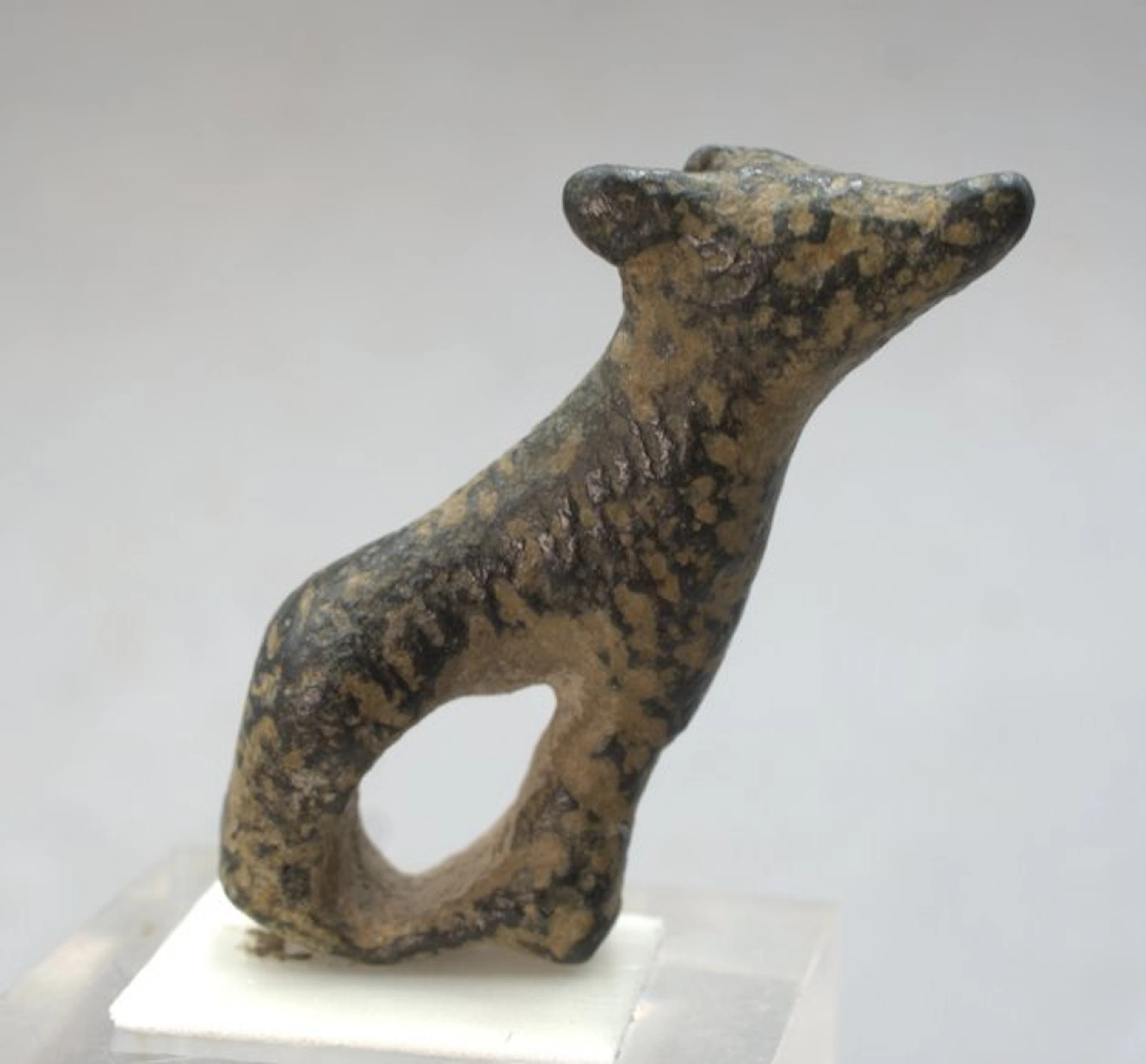
Roman Bronze Statuette of Luna / Selene in a Quadriga Culture / Period: Roman Date / Period: Roman Imperial Period, circa 1st–3rd century A.D. Material: Bronze Dimensions: 68 mm x 38 mm x 24 mm Condition: Good condition. No shipping outside the European Union. Due to complex export regulations concerning cultural goods, this item cannot be shipped outside the EU. Please ensure you have a delivery address within the European Union before placing a bid. Provenance information: Object Registration ID: 1035 The current owner (S.N.J. S.) purchased the statuette from L.N. in Maastricht, the Netherlands. The previous owner, L.N. from Maastricht, stated that the object had been in his collection since the 1990s. According to the previous owner, the object had previously formed part of a private collection in the Netherlands since the 1990s. No further information concerning the earlier ownership history of the object was available from the previous owner. Background Information: This bronze composition represents Luna, the Roman personification of the Moon, corresponding to the Greek goddess Selene. The goddess is shown standing in her celestial chariot or quadriga, with one arm raised and a crescent-shaped attribute on her head. The broad, curved structure beneath the figure represents the chariot. In Classical mythology, Luna/Selene travelled across the night sky in her chariot, bringing the light of the Moon over the earth. Luna occupied an established place in Roman religion and was closely associated with the measurement of time and the recurring lunar cycle. The phases of the Moon were fundamental to the organisation of months and the calendar, while its continual waxing and waning naturally connected lunar imagery with ideas of recurrence and renewal. Her Greek counterpart Selene belonged to the divine family of celestial deities and was traditionally regarded as the sister of Helios, the Sun, and Eos, the Dawn. Small bronze representations of deities formed an important category of Roman religious material culture. They could be placed in domestic shrines, or lararia, in houses, villas and rural establishments, where members of the household performed prayers and made small offerings. Bronze figurines were produced in established workshops using casting techniques, after which details could be finished by hand. Their quality ranged from highly naturalistic pieces to strongly stylised provincial interpretations such as this example. Portable bronze cult images circulated widely throughout the Roman world and allowed religious imagery to become part of everyday domestic life far beyond the major temples and urban sanctuaries. The compact scale of this figure and its representation of Luna in her celestial chariot provide a tangible connection to Roman private devotion and to the way celestial phenomena were incorporated into both religious belief and the daily perception of time.
Estimate:£424.12
To the auctionView all items fromCatawikiorAncient Art
Estimate:
£424.12
OCT 8 | 3:00 PM


OCT 8 | 3:00 PM
Bring your auction to collectors worldwide!
Get listed now£178.02

OCT 17 | 10:00 PM