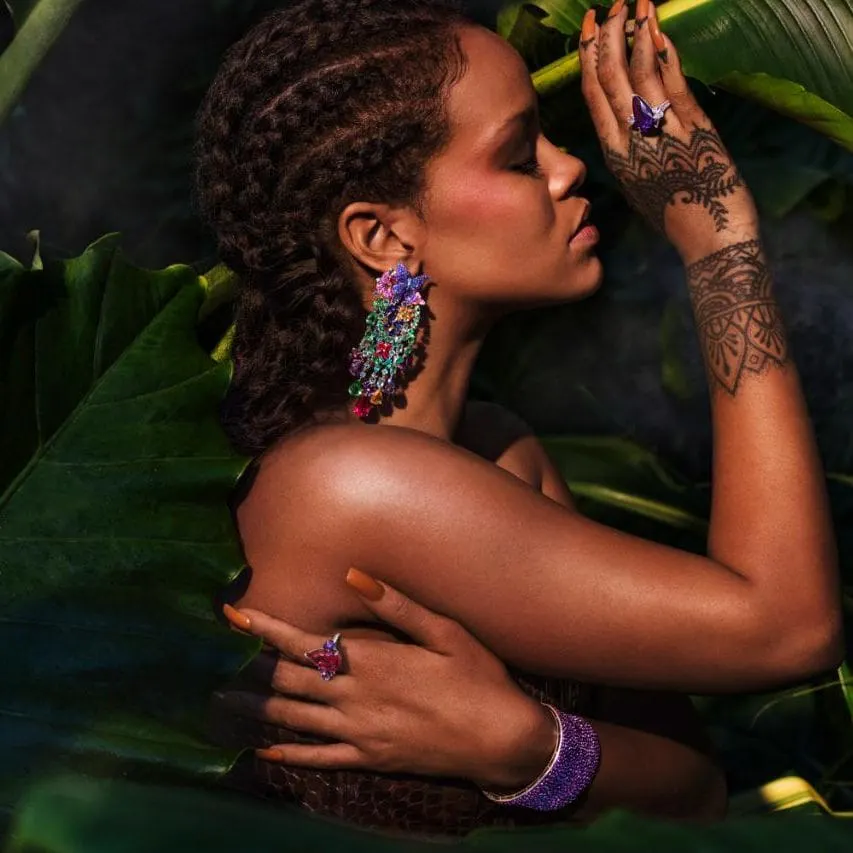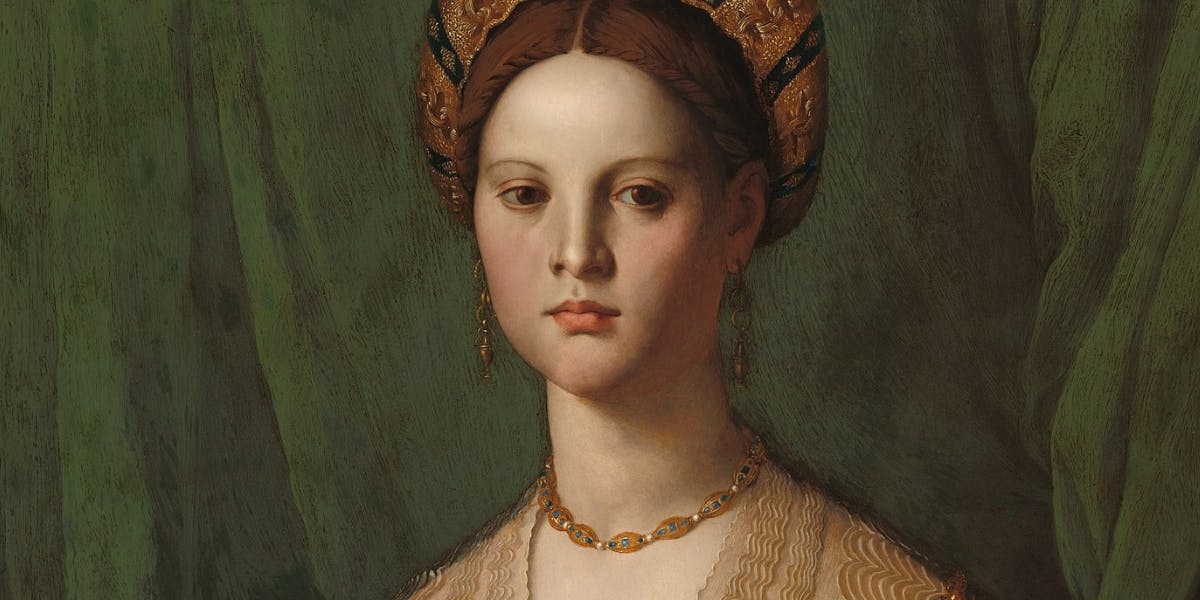
Necklaces are as popular now as when they first came into being and have endured as a jewellery decoration in many styles and forms for both men and women over the centuries.
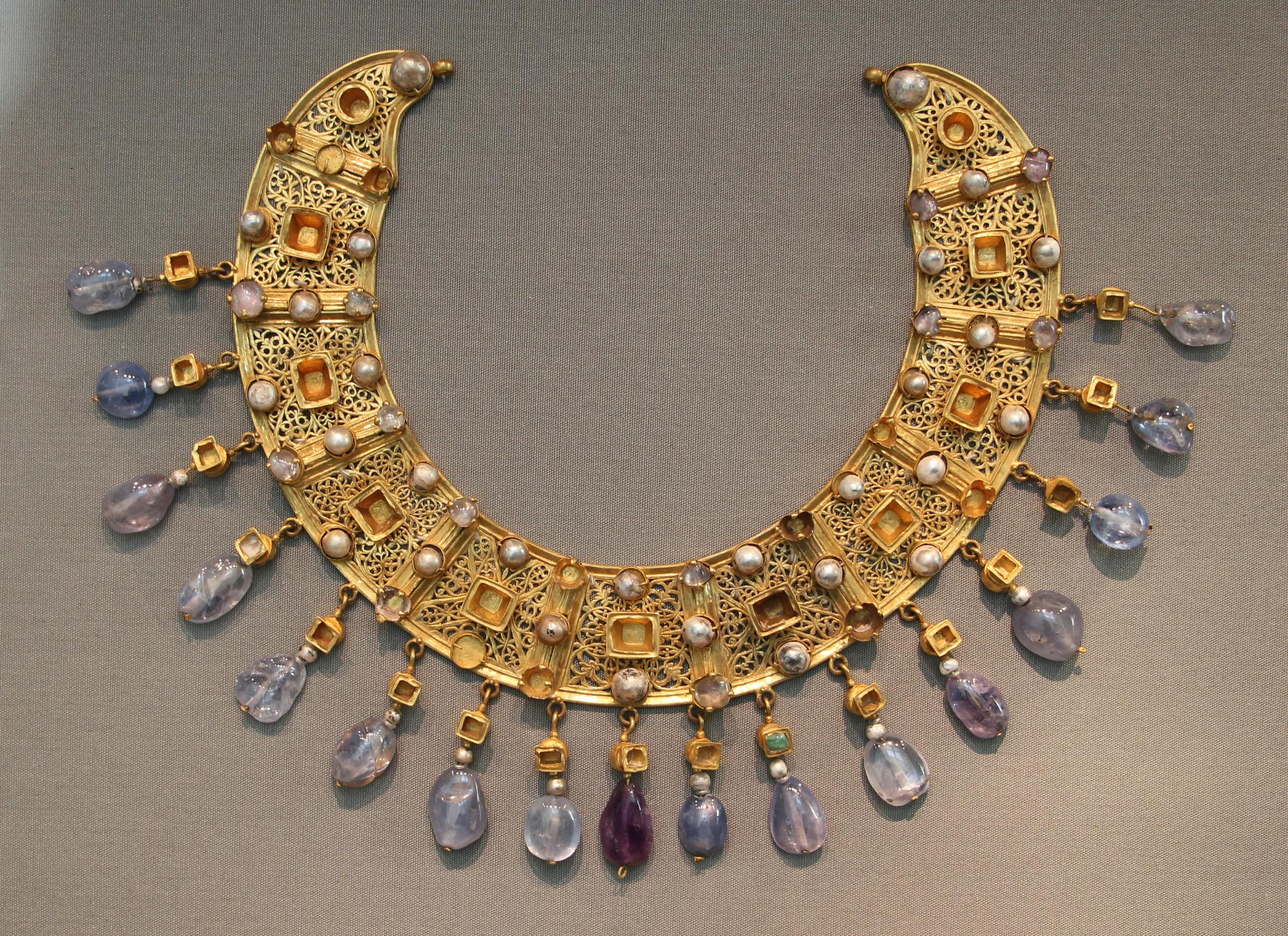
A necklace can be as simple as a strip of leather tied around the neck as a choker or as opulently grand as a jewel-encrusted gold chain or pendant.
The origin of the necklace
It is thought that the first necklace was fashioned over 120,000 years ago when the earliest humans chose to thread stones or shells onto flax string and wear them around their necks.
This discovery was found in a grave in Israel, and the necklace showed abrasions or scratches on the shells which proved they had been touching each other when they were strung. Ochre was used to give the jewellery a reddish colour and make it more fashionable.
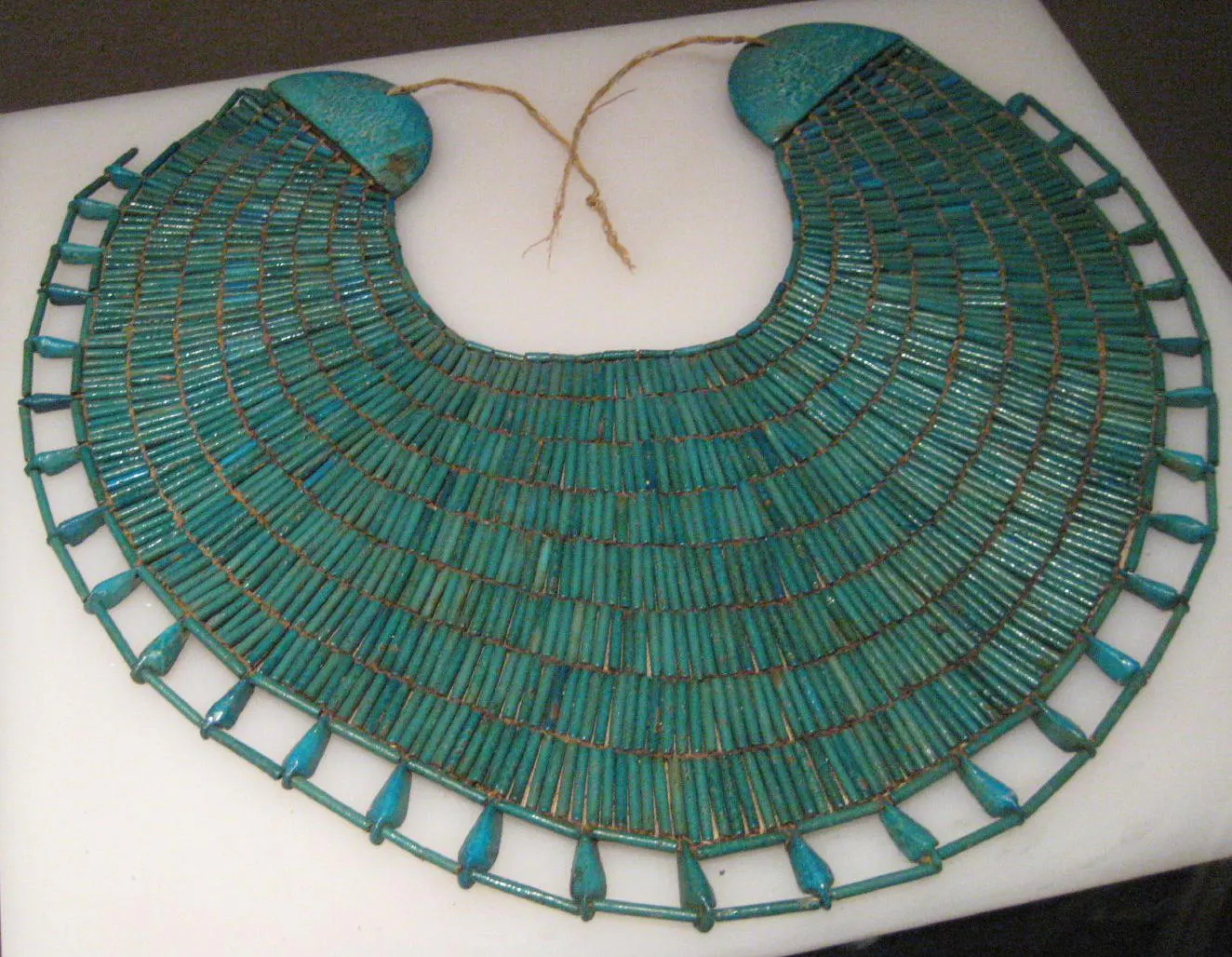
The ancient Egyptians were the first to really make a point of wearing necklaces. These varied from the high collars that covered their entire necks to a more practical and broad collar which was fashioned from beads made from glass or pottery. It is thought that wearing a pendant on your neck would help to ward off evil, and various talismans of this sort have been found in graves and during archaeological digs of ancient sites across Egypt, Italy and Greece, as well as parts of Asia and Africa.
Common styles and materials of necklaces
A collar is still very much in style today, but most necklaces sold nowadays tend to be chains, often in a variety of different lengths, which are sometimes worn tightly around the neck or sit at the clavicle.
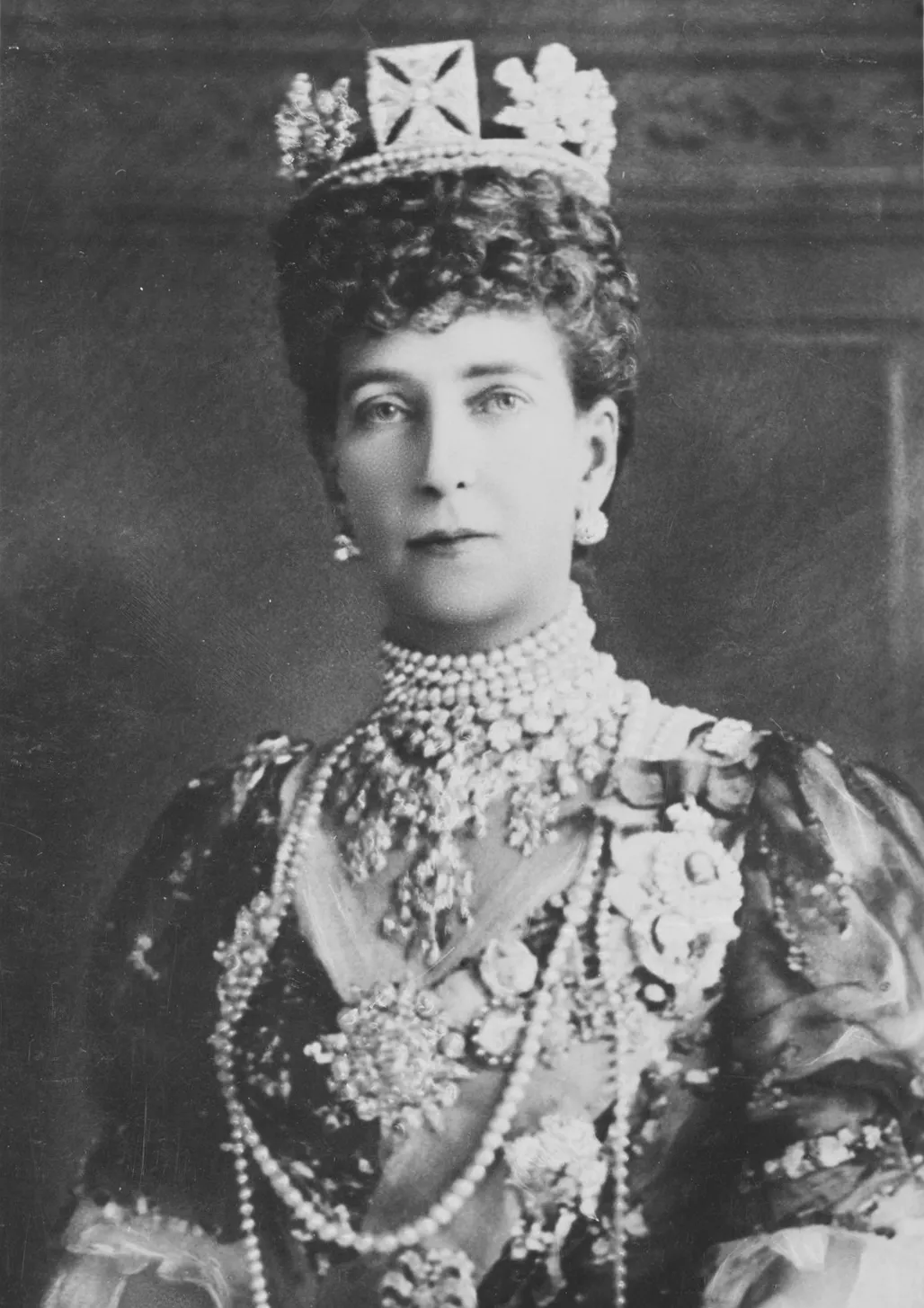
Modern and antique necklaces are equally as popular, with vintage styles never really going out of fashion. Necklaces are often differentiated by their length, with their names corresponding to their lengths in inches, such as the collar (13-15 inches) and the choker (15-17 inches) to the opera (28-37 inches) and the rope (37 to 60 inches).
See also: How the Choker Made a Comeback
Chains are now often made from gold or silver, but the more expensive platinum version is still sought after, and strung pearl necklaces have been a mainstay in jewellery design for many years.
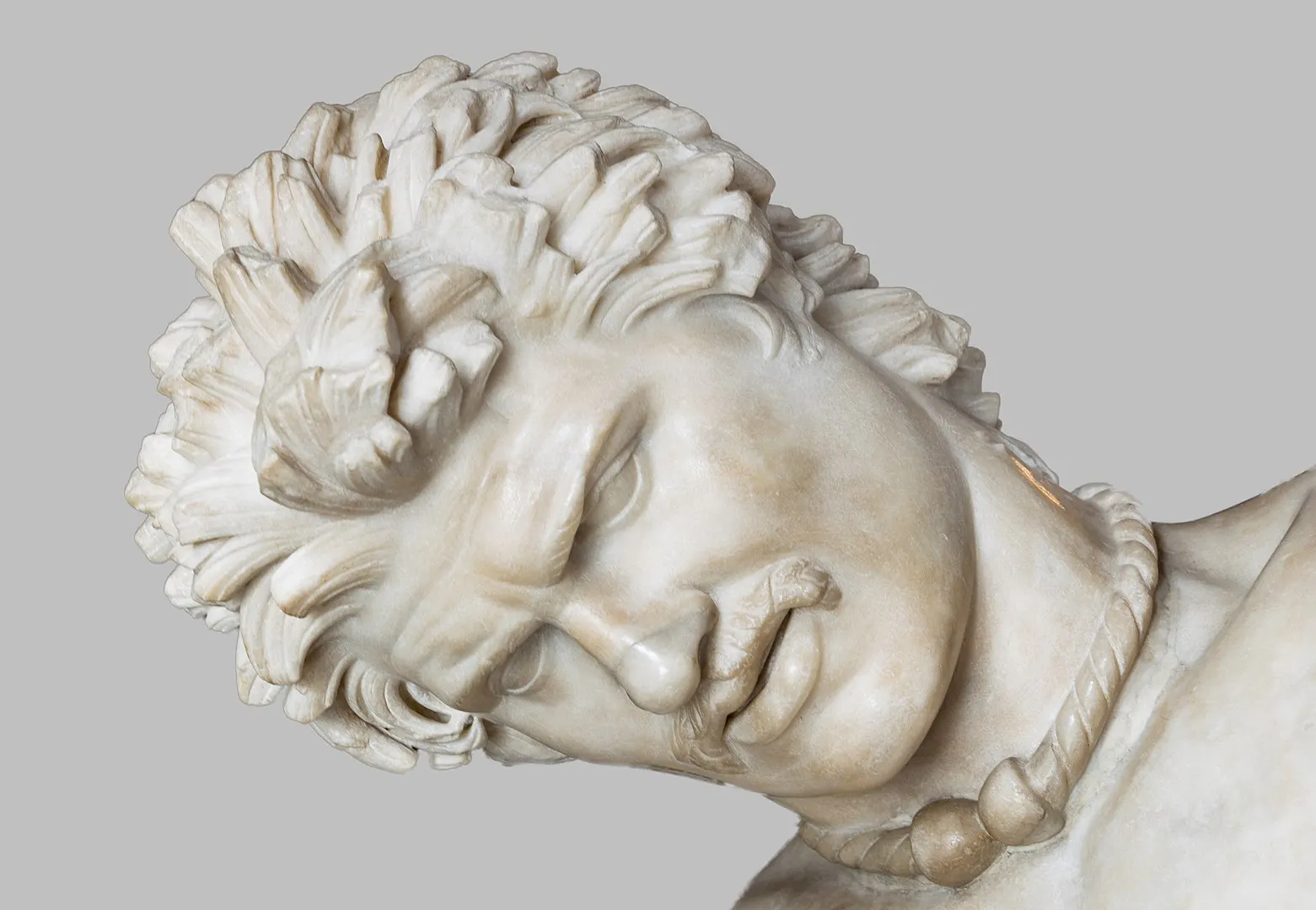
Torc necklaces that have rigid interwoven braids were particularly popular in Roman times and then were adopted in Celtic traditions, where they symbolised someone of high rank and standing.
Famous necklaces and the people who wore them
The Heart of the Ocean necklace in the film Titanic was a major plot point but never actually existed in that form. Replicas are still sold to fans the world over, but the necklace was, in fact, based on the Hope Diamond, which is estimated to be worth in the region of $350 million and is now on display in the Smithsonian, in Washington, D.C.
See also: Is The Hope Diamond Really Cursed?
Another necklace that has found its way to the Smithsonian after being sold several times is the one given by Napoleon Bonaparte to his wife on the birth of their child in 1811. The 263-carat diamond necklace consists of 234 diamonds set in gold and silver and has been in the Smithsonian’s possession since it was donated in 1962.
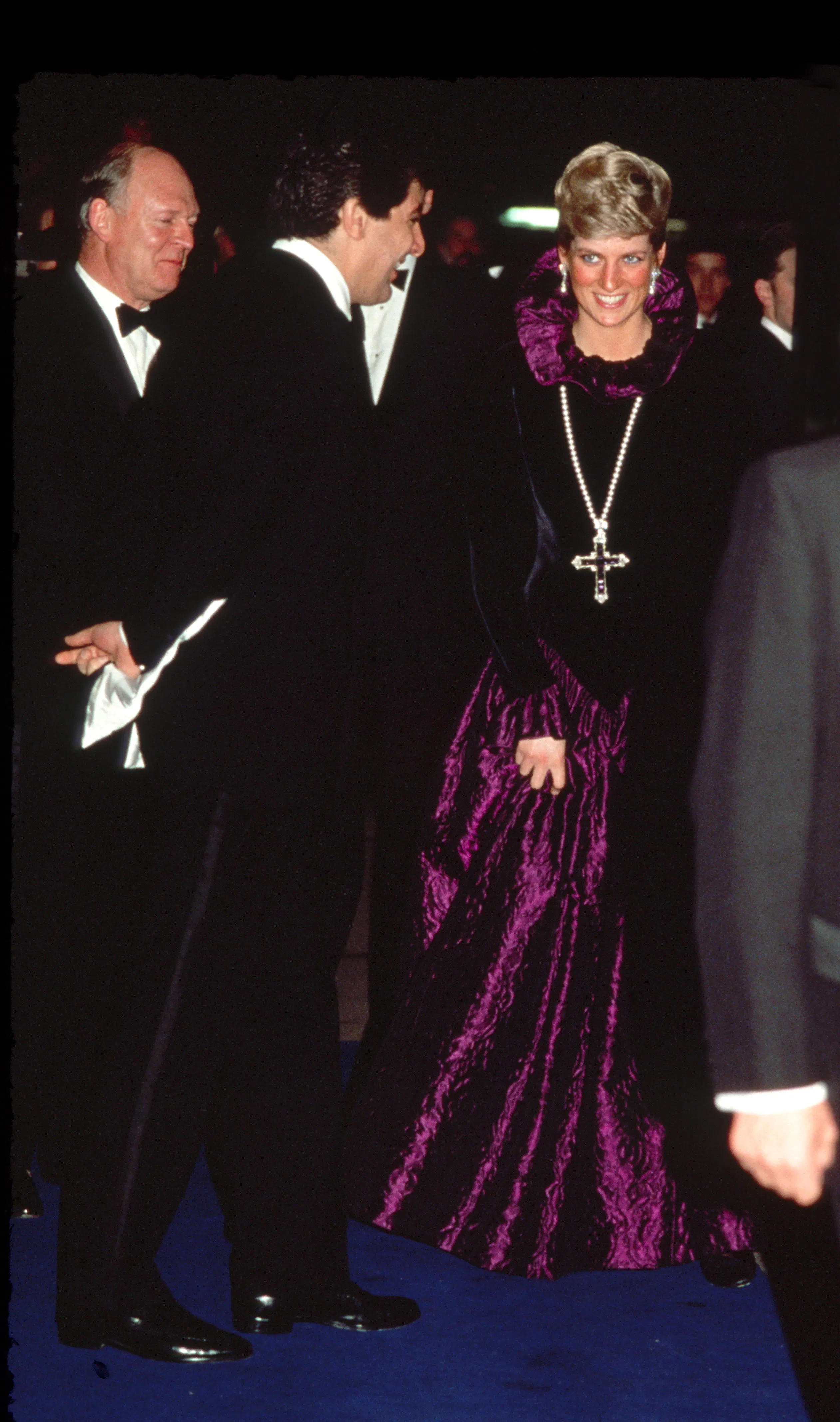
The Attallah cross necklace made in the 1920s and worn by Princess Diana to a charity gala in 1987 has recently been purchased by Kim Kardashian for £163,800 at auction. The amethyst and diamonds in the necklace form floral details in a cross that is set on a very long chain.
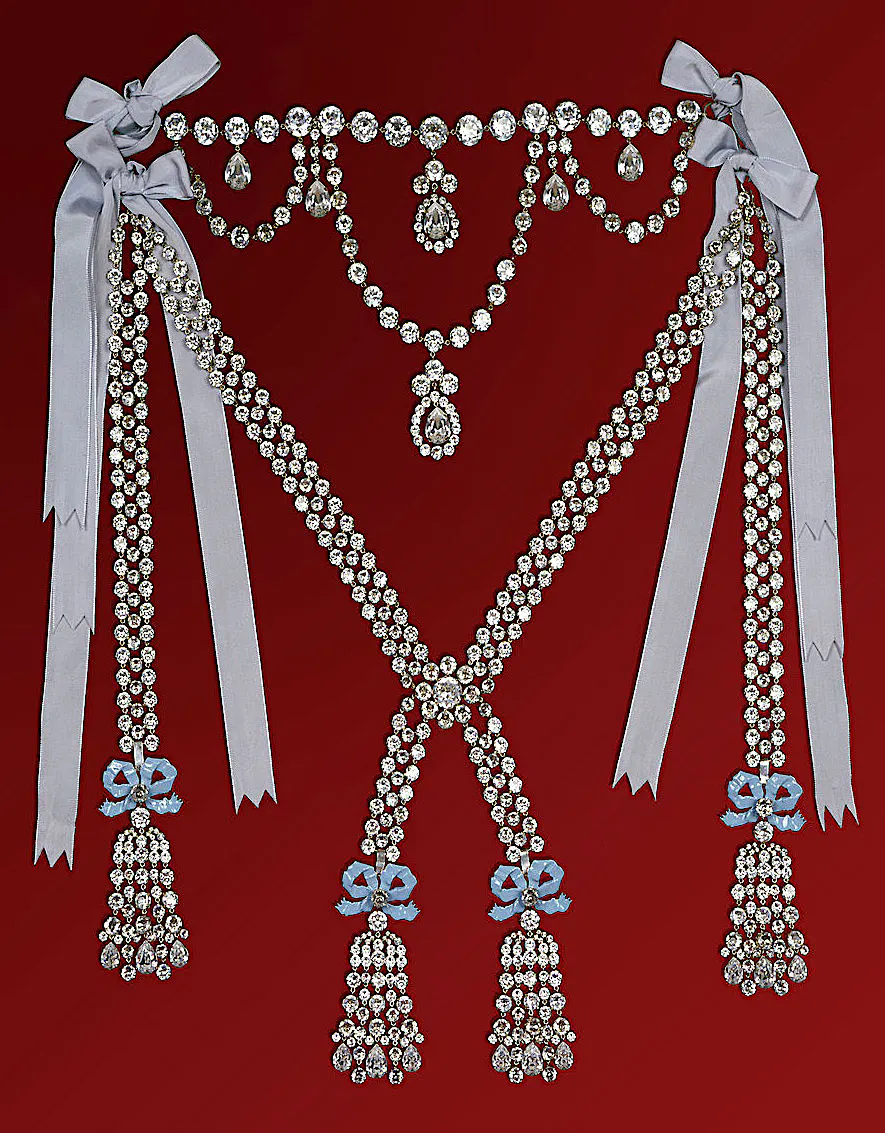
A similarly royal object, the Marie Antoinette necklace is in more of a bib style, and features a pink diamond in the centre, along with two yellow diamonds, which are surrounded by 181 carats of smaller diamonds, all set in a platinum base. The scandal and suspicions surrounding the necklace eventually led to Marie Antoinette’s execution.
See also: How the Affair of the Diamond Necklace Ruined Marie Antoinette
Cultural necklaces around the world
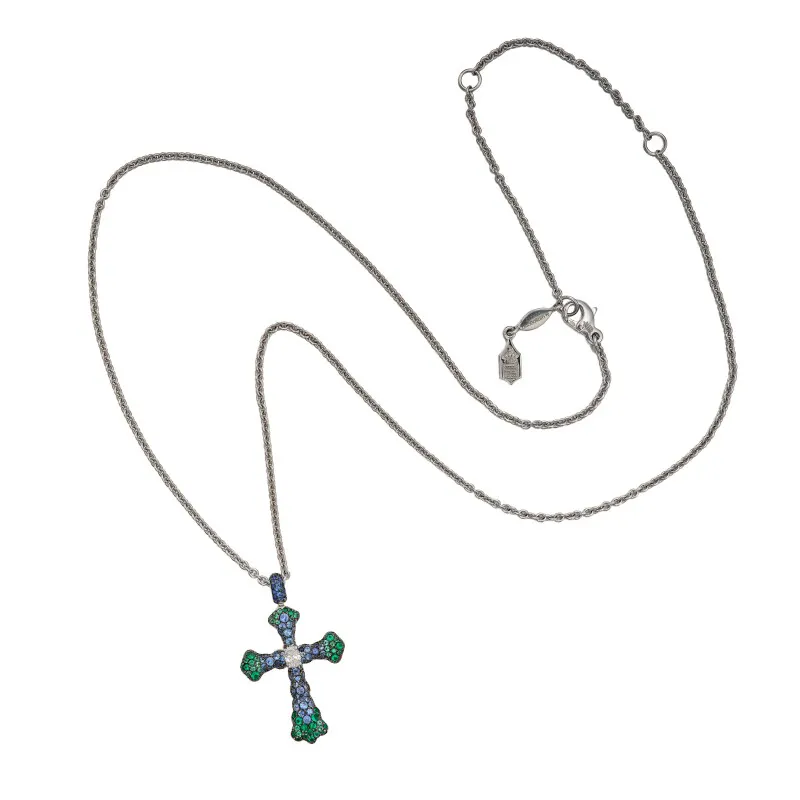
Necklaces have often served the purpose of being ceremonial or religious pieces, or symbols of wealth and status, across the world. In Christian countries, the most obvious of these is the crucifix that is often worn around the neck of those who practice Christianity and is often given as gifts when one is baptised or confirmed as a symbol of love and sacrifice.

In African tribes, long strings of beads are worn that have meanings relating to their own traditions and cultures and can symbolise beauty, strength, marital status, age and power. Different tribes attribute different meanings to the colour, size and placement of the beads on the neck.
See also: Vintage Costume Jewellery: Where to Begin
Asia is famous for its filigree necklaces, which originated in Mesopotamia in southeast Asia and in the Cuttack region now known as the ‘Silver City of India’. These intricate designs are crafted using fine gold or silver threads which produce a lace-like effect. More than a hundred families in Cuttack are filigree jewellery makers and export their designs all over the world.
Want more articles like this delivered straight to your inbox? Subscribe to our free newsletter!
Collecting necklaces and their enduring popularity
Owning a piece of vintage jewellery means you are likely to have something that is unique and won’t be found in anyone else’s collection.
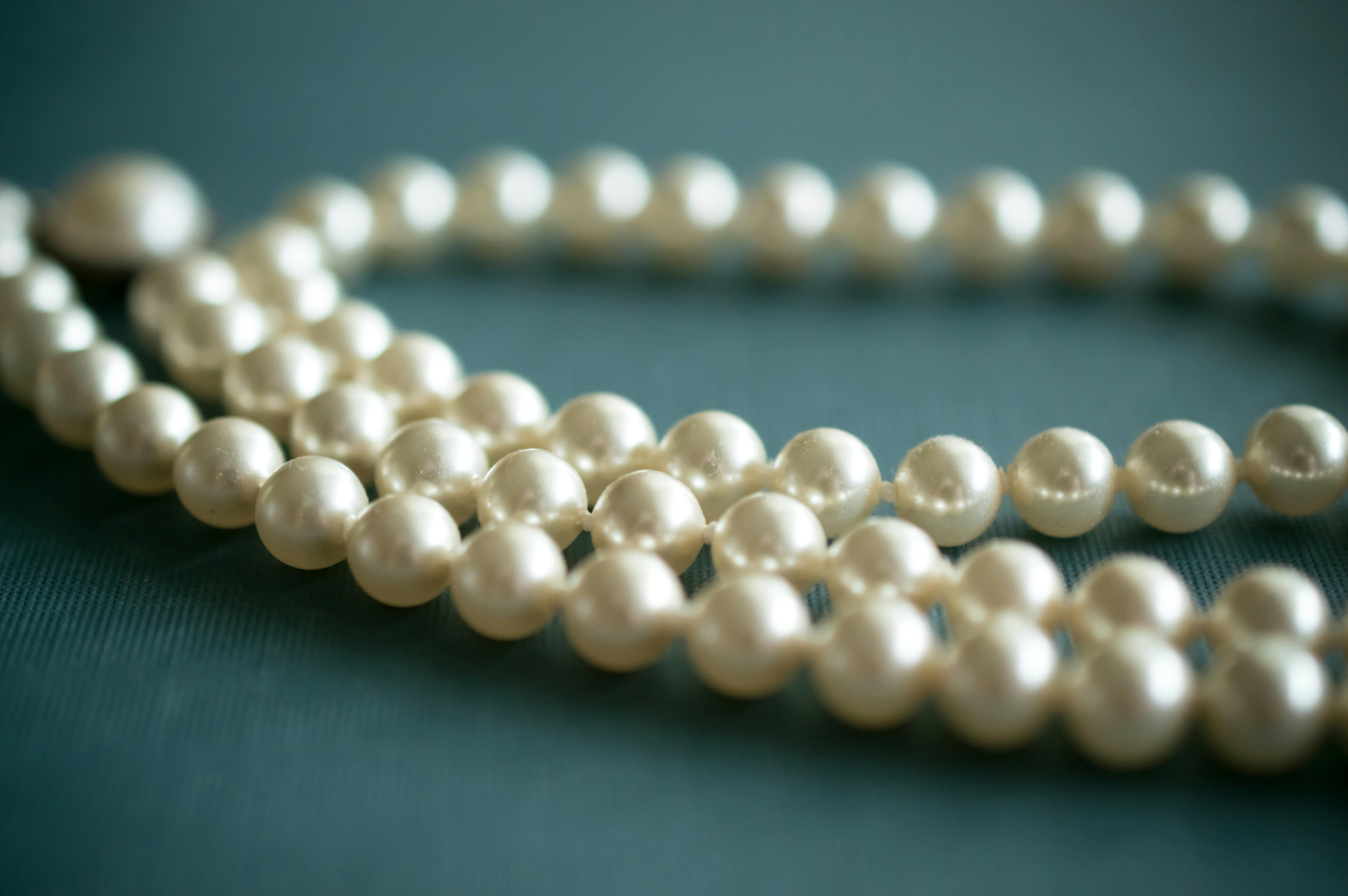
It is particularly popular for vintage necklaces to be worn with wedding dresses or given as gifts for a special occasion. The joy of collecting necklaces is that with so many styles, colours and fashions out there, you are sure to have something for every occasion. Or, if you prefer to put your necklaces on display or just take them out of your jewellery box to look at them once in a while, their beauty speaks for itself. You don’t have to wear a necklace to get enjoyment out of it. The pleasure is as much in its aesthetic as anything else. But, wearing necklaces is never going to go out of fashion either – the last 120,000 years tell us that.
See also: La Peregrina and La Pelegrina: The World's Most Famous Pearls
Jewellery, and especially necklaces, are highly sought-after items at auctions, whether they are worth less than £100 or several thousands of pounds. Men and women alike wear and collect necklaces, thanks to their universal and enduring appeal. A quality necklace is always an investment and will almost certainly gain in value the older it gets.
Read more articles in Barnebys Magazine
This blog post was written by Jacob Lane exclusively for Barnebys. Jacob is a fashion journalist who enjoys exploring the benefits of vintage clothing and second-hand fashion in an attempt to help combat fast fashion’s impact on the environment. Check out more of Jacob’s work online!