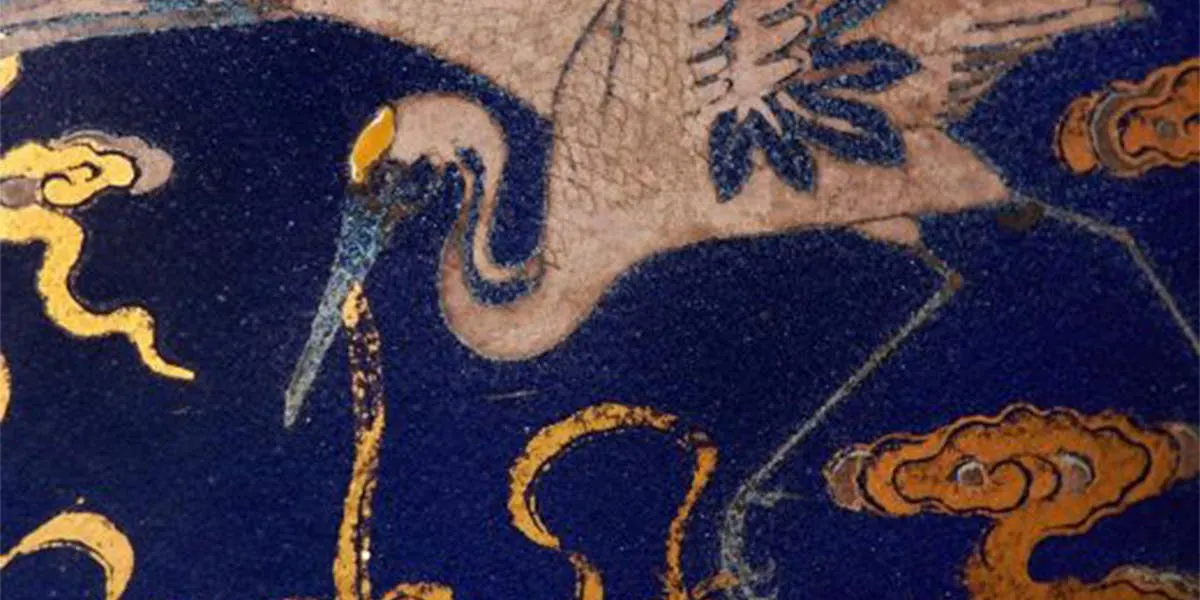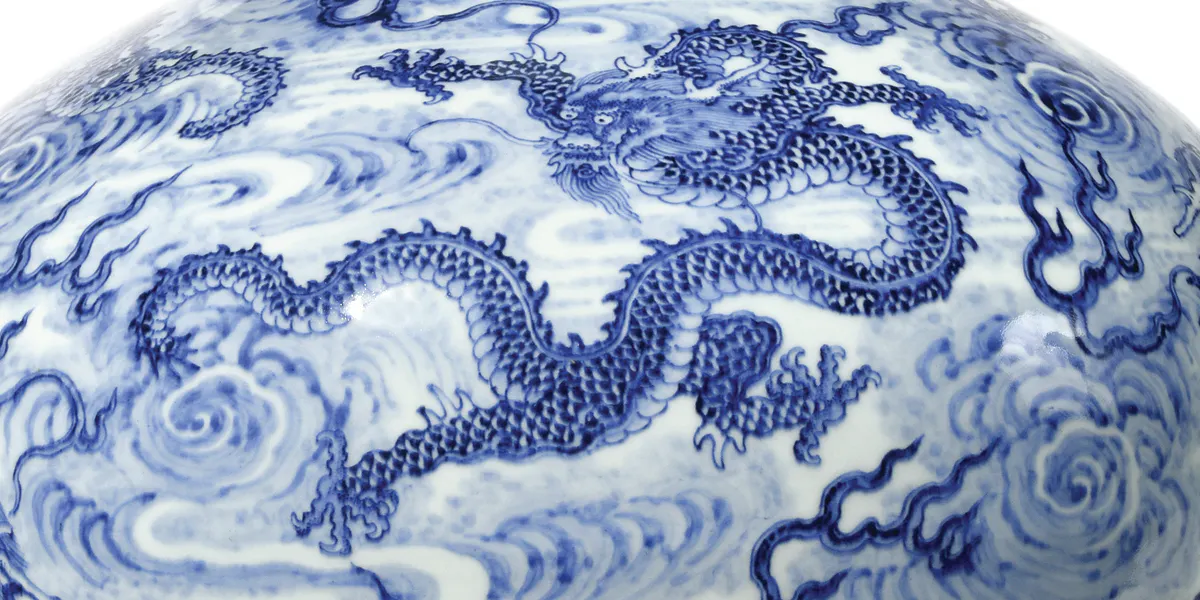
"It's a crazy story!" exclaimed the flabbergasted French auctioneer of Me Osenat on the 1st of October. It so happened that an undated object in the catalogue, described plainly as a porcelain vase in the blue-white style with a globular body and a long cylindrical neck, turned out to be a real treasure of art historical importance. The 54 cm high and 49 cm diameter-wide vase surpassed its initial estimate of 1,500 euros and sold for nearly 7.7 million euros (about £6.7 million). A shocking result for the seller who, of course, had no idea of the object's true value. The consignor was a woman who had lived outside of France for 15 years and inherited the vase from her late grandmother, a Parisian collector.
See also: 6 Sensational Attic Finds
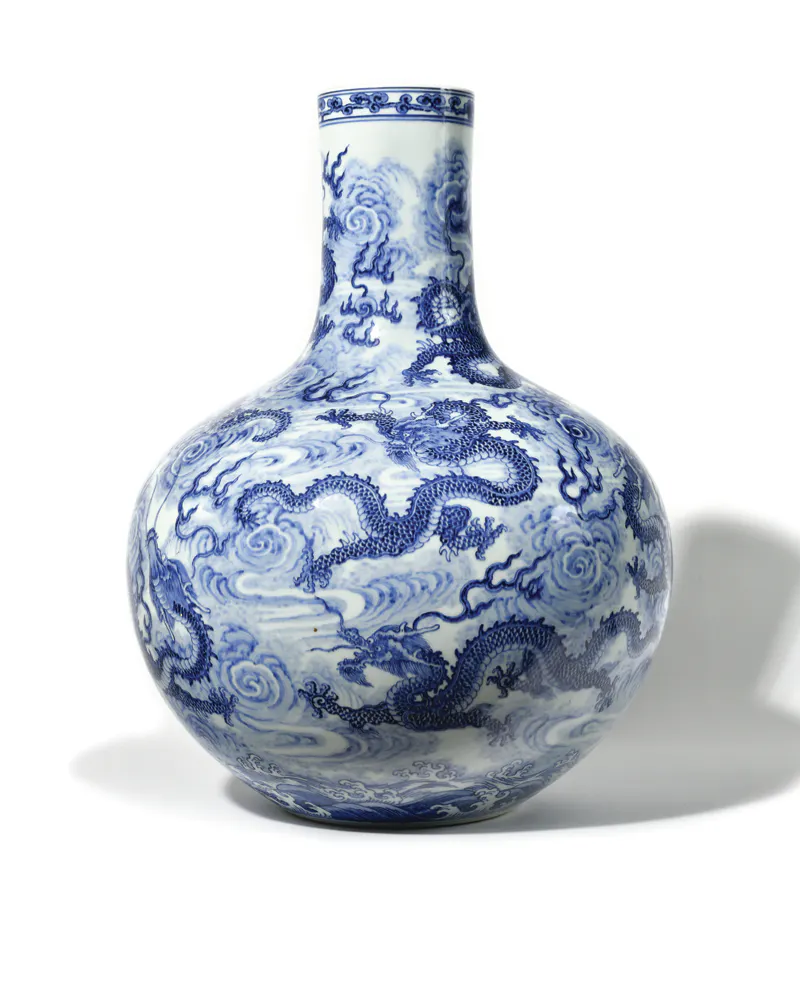
Thanks to the internet and the competition in the auction room, sellers can obtain such results!
The auctioneer explained that the later appreciation of the object was based on the date of manufacture. The experts at the auction house estimated that the object was from the 20th century, while the buyer – a Chinese collector who was following the sale by telephone – realised that it was in fact an 18th-century vase.
See also: Cheap Chinese Vase Turns Out to be a Valuable Imperial Piece
Two weeks before the sale, the Osenat house saw a certain buzz around the object. Interested buyers from China kept coming to the auction preview to examine the vase and photograph it, which made the auction house realise that the estimated price of 1500 euros could fetch much higher. Osenat then blocked online auctions and asked for a deposit of 15,000 euros from each potential buyer wanting to bid on the piece. On the day of the auction, more than 20 bidders competed for the vase via phone, quickly reaching the 7-figure mark. “I wouldn't be surprised to see the vase in a museum", commented Jean-Pierre Osenat on the day.
See also: William De Morgan's Vase Sets a Record
This new record once again bears witness to the treasures abounding in the 'attics of France'. This is especially true for Chinese art: in December 2019 the so-called Falangcai porcelain bowl sold for 3.2 million euros at Millon; in June 2018 the Qianlong vase sold for 16 million euros at Sotheby's; in December 2016 the Imperial Seal sold for 21 million at Pierre Bergé et Associés, and in March the Qianlong scroll sold for 22 million at Marc Labarbe, in Toulouse.
Want more articles like this delivered straight to your inbox? Subscribe to our free newsletter
For the Osenat house, this incredible result surpasses their 2007 record, when they sold Napoleon's sword from the battle of Marengo for 4.8 million euros. According to Me Osenat, the event was “a brilliant demonstration of the importance of a public sale as a means of setting the right price in complete transparency”. This is the beautiful side of the auction market: sold in a flea market, the vase would have never exceeded 1,500 euros. The Internet, and the competitiveness of bidders, enabled sellers to obtain such results.