
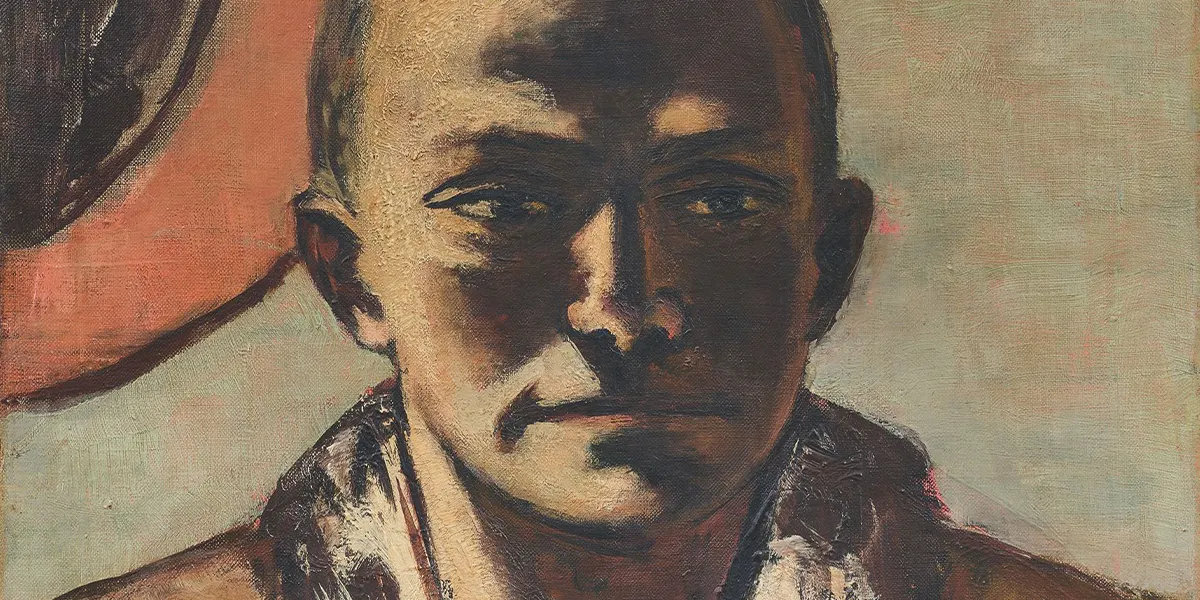
“When I first laid eyes on this museum-quality painting – which for me numbers among the most beautiful and striking of Max Beckmann’s self-portraits – I, too, was fascinated by its allure. For a work of such importance to come onto the art market is a major event, not to mention a once-in-a-lifetime opportunity for collectors and museums all over the world", explained Bernd Schultz, Senior Partner at Grisebach in a press release from the Berlin auction house announcing the auction of Max Beckmann's Selbstbildnis gelb-rosa ('Self-portrait Yellow-Pink') on 1 December 2022. The piece is an absolute highlight of this international global season and particularly for the German auction market, since comparable works by the artist have not been put up for auction in Germany since 1945.
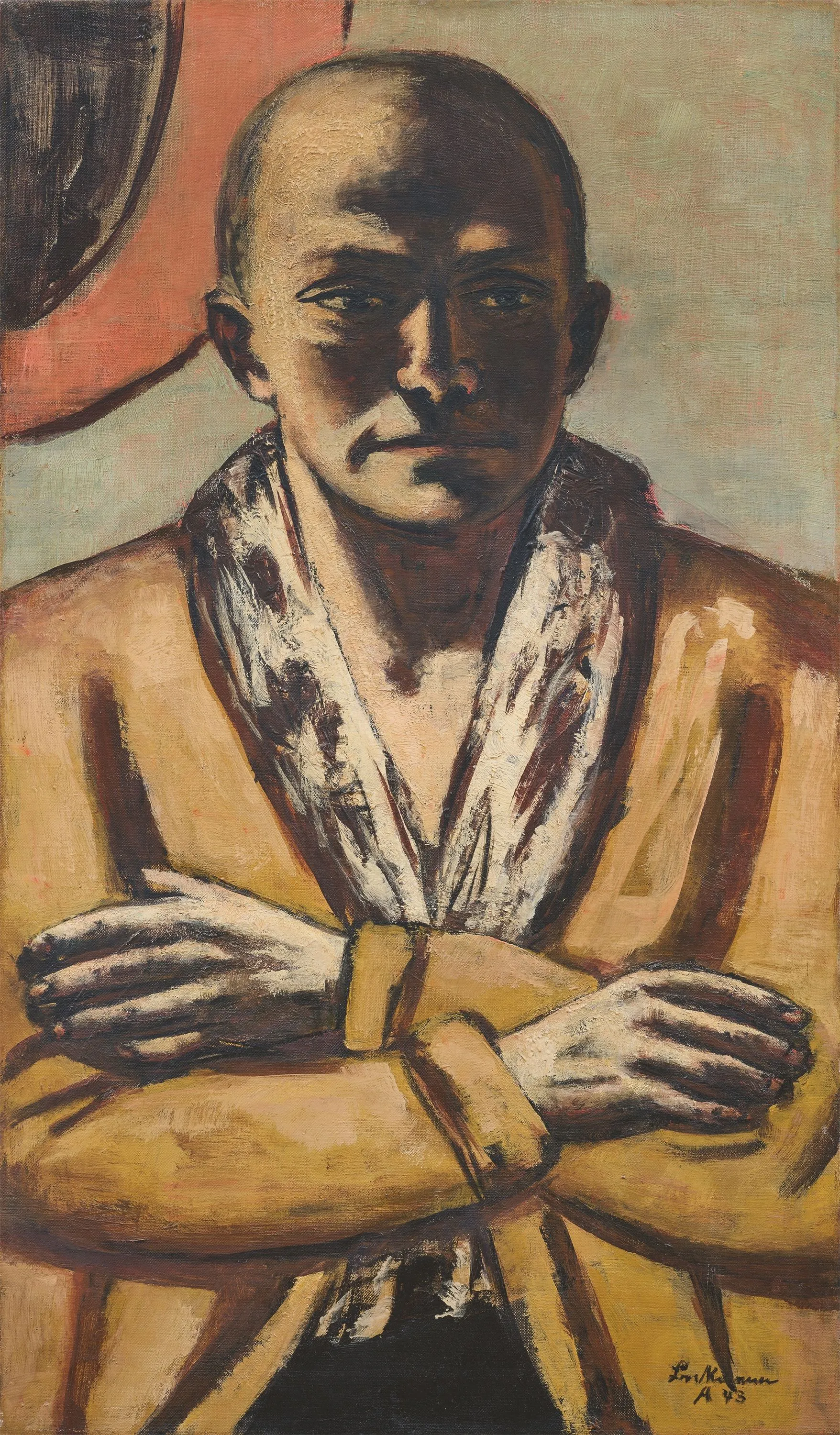
Self-Portrait Yellow-Pink was painted in the second half of 1943 in Amsterdam. Max Beckmann had immigrated to the Dutch city six years earlier with his wife Mathilde, known as 'Quappi', after the National Socialists had defamed and condemned his art as 'degenerate', despite him having received much recognition in Germany before 1933. In 1943 the Netherlands was occupied by German troops and Max and Quappi Beckmann had been trying for a long time to get a visa for the United States, which they were not granted until 1947.
Even in exile in Amsterdam, Beckmann continued to create self-portraits, which constituted a kind of self-analysis for him throughout time. Self-Portrait Yellow-Pink, which he created as a gift for Quappi, differs in that it shows the artist outside of reality, lacking the almost necessary gloom. Nevertheless, the piece remains a portrait of resistance that leaves an impression, with its bright colours, calm pose, and a hint of a smile.
Max Beckmann's self-portraits are among his most important works, often found in important museums (including the Museum of Modern Art in New York, the Neue Nationalgalerie in Berlin and the Art Institute in Chicago), and rarely found in private hands or in the auction market. Most recently, self-portraits by Max Beckmann were auctioned in 2001 and 2005, fetching $22.5 million (Self-portrait with Trumpet) and $16.8 million (Self-portrait with Crystal Ball). The estimated price for Self-portrait Yellow-Pink is in this range and thus sets the course for a new German auction record. Currently, the most expensive painting in German auction history was sold at Grisebach in 2018, when Max Beckmann's Female Head in Gray and Blue from 1942 achieved 5.5 million euros.

Beckmann's Self-portrait Yellow-Pink is part of the 'Selected Works' catalogue, featuring 57 lots that will be auctioned off on 1 December as part of Grisebach's winter auction. The offer consists mainly of paintings, drawings and sculptures by masters of the 19th and 20th centuries, but also the work Falcon Hunt executed around 1643 by Philips Wouwerman.
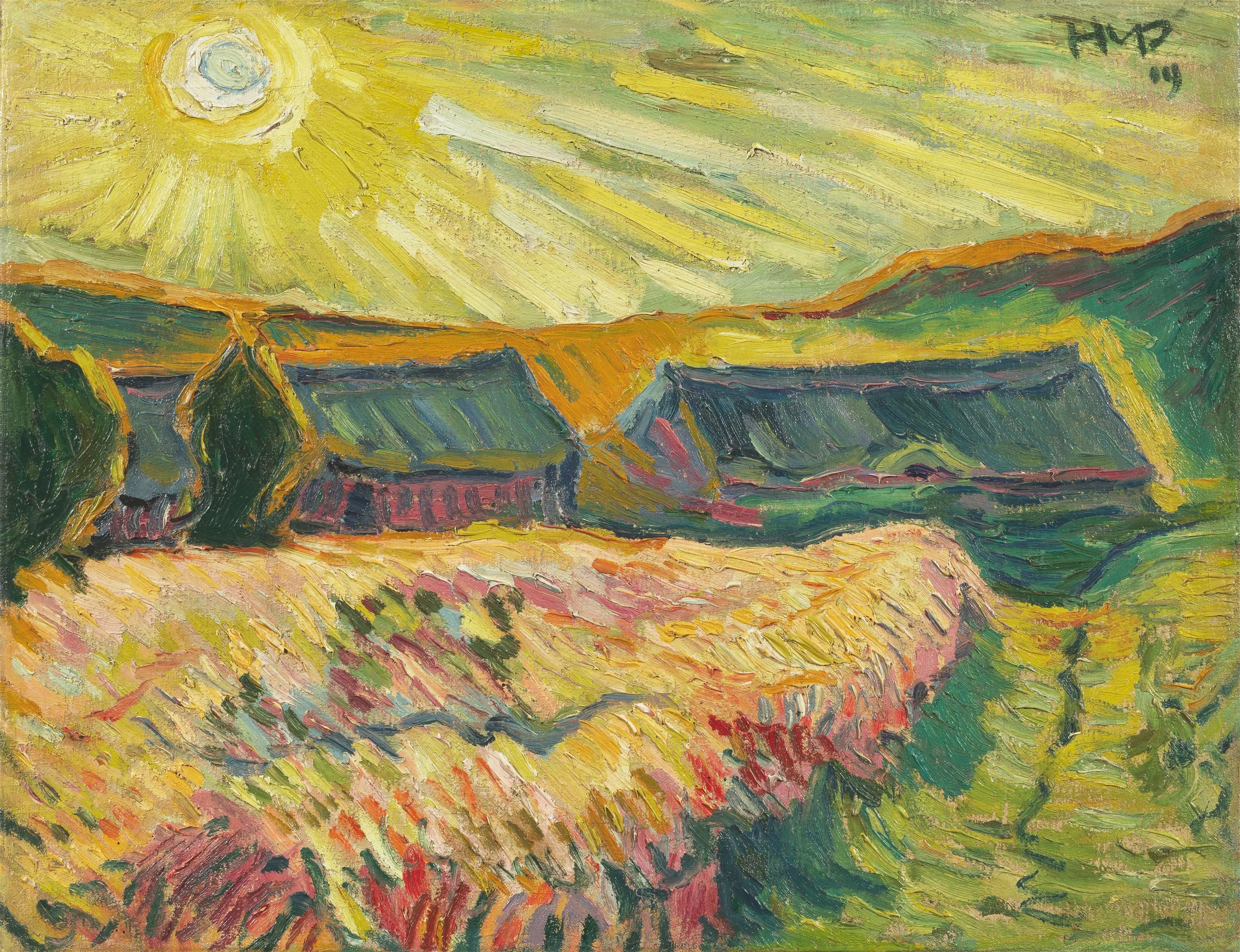
Other highlights include the almost square canvas work B 26 by the original Polish representative of Op Art Wojciech Fangor, as well as Fishermen's Houses in Nidden, which Hermann Max Pechstein painted in 1909 at his favourite place of retreat, which inspired his art characterised by bright colours and a strong style.
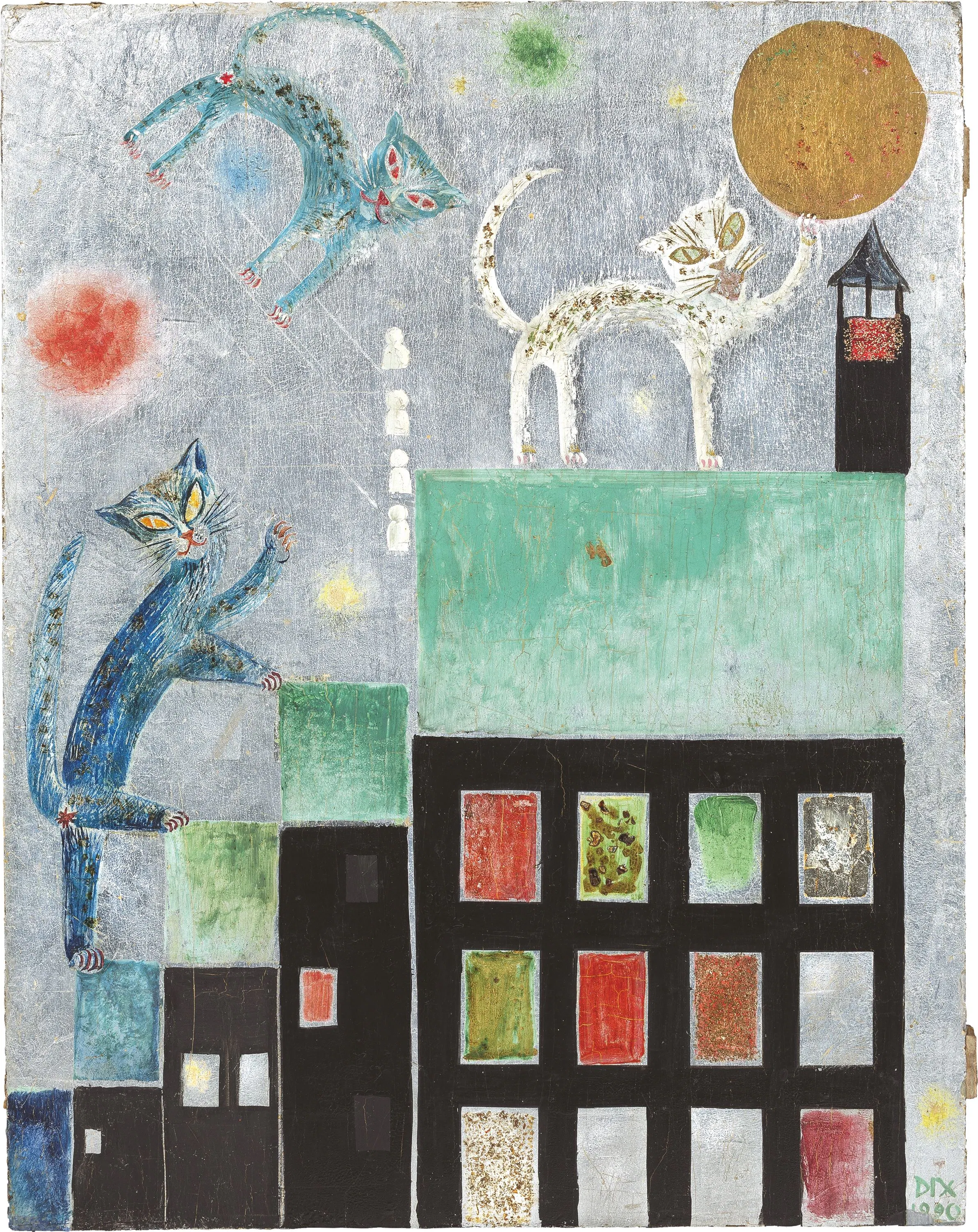
The work Cats (dedicated to Theodor Däubler) by Otto Dix from 1920, executed with oil paint and glitter, is another point of focus, as are some poems by the writer Däublers, whom Dix had met in Dresden the year before this.
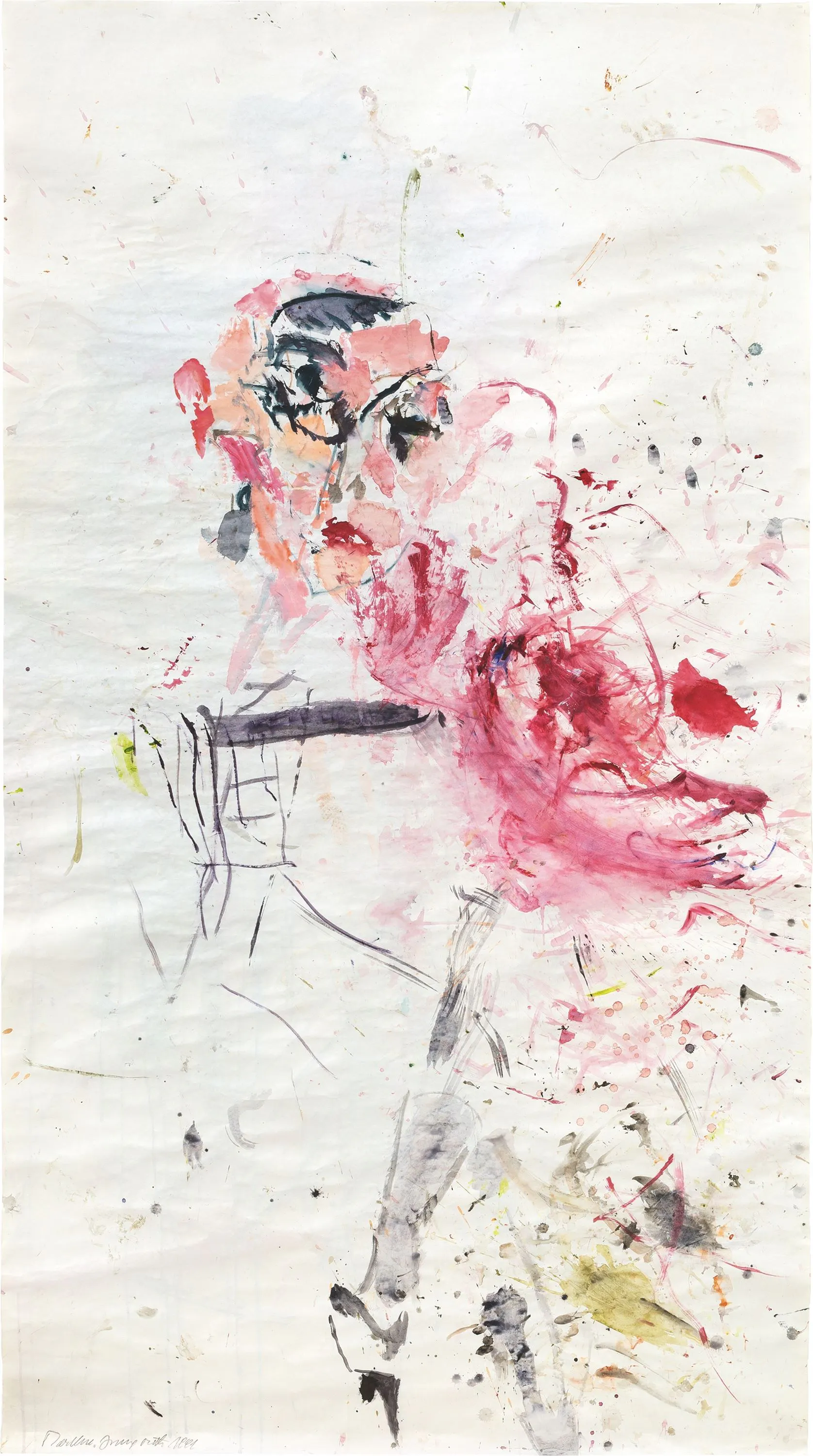
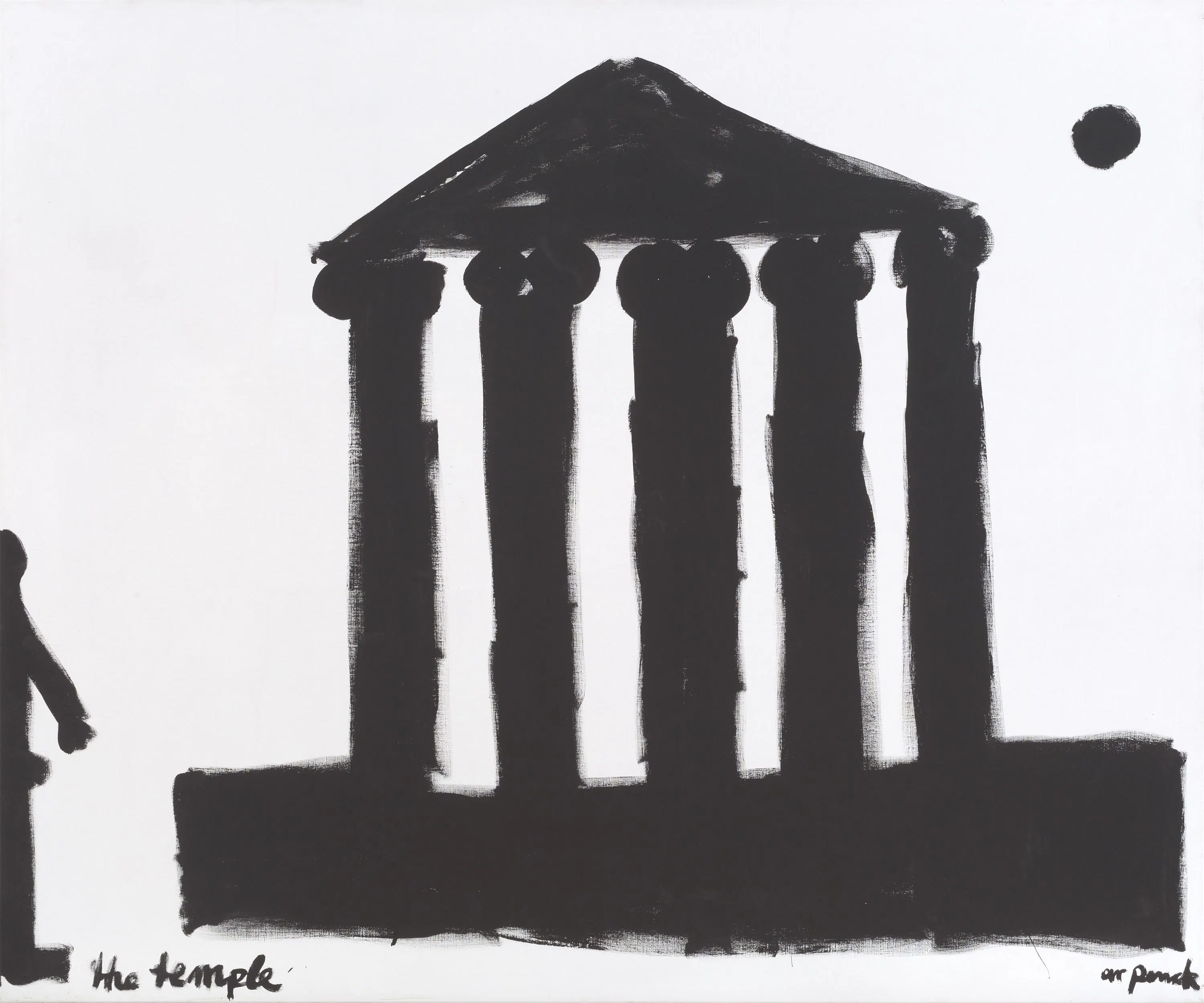
The 'Selected Works' auction will take place on 1 December at 6 pm. The winter auction will continue on 2 December at 11 am with the 'Modern Art' catalogue – a valuable addition to the offer from the previous day. 'Contemporary Art' will follow at 6 pm. Notable features are the watercolour Portrait created in 1991 by the Viennese artist Martha Neuwirth and the acrylic painting The Temple by A.R. Penck, in which the artist seemingly reversed male striving for power upside down.
The Grisebach winter auctions will take place on 1-2 December at the auction house, in Fasanenstraße 25, Berlin. Previews will be running from 23 to 30 November. A selection of the works can be seen on 11-12 Novembe in Zurich, Bahnhofstraße 14.