
![Marc Chagall (1887 Vitebsk-1985 Saint Paul de Vence), ‘Les fiancés aux anémones’ [detail], oil and tempera / Lwd., Signed, 1979 | Photo: © Grisebach](https://images.prismic.io/barnebys/d2591302-2cc0-4732-9bd6-0d1e481a3317_Chagall.jpg?auto=format,compress)
The sales will take place at Grisebach auction house in Berlin, from 27-30 November. The most anticipated catalogue is ‘Selected Works’, containing 50 lots that will be auctioned on 28 November.
The central piece is the 1979 painting by Marc Chagall, which, despite being painted late in the artist’s career, radiates a youthful energy. At the time, Chagall was a celebrated painter and he seems to have stopped to gather his thoughts while painting Les fiancés aux anémones (The Fiancee with the Anemones). He reflects upon his life (symbolised by the cow in the upper right corner), and reminisces, uniting the present and the past within one picture.
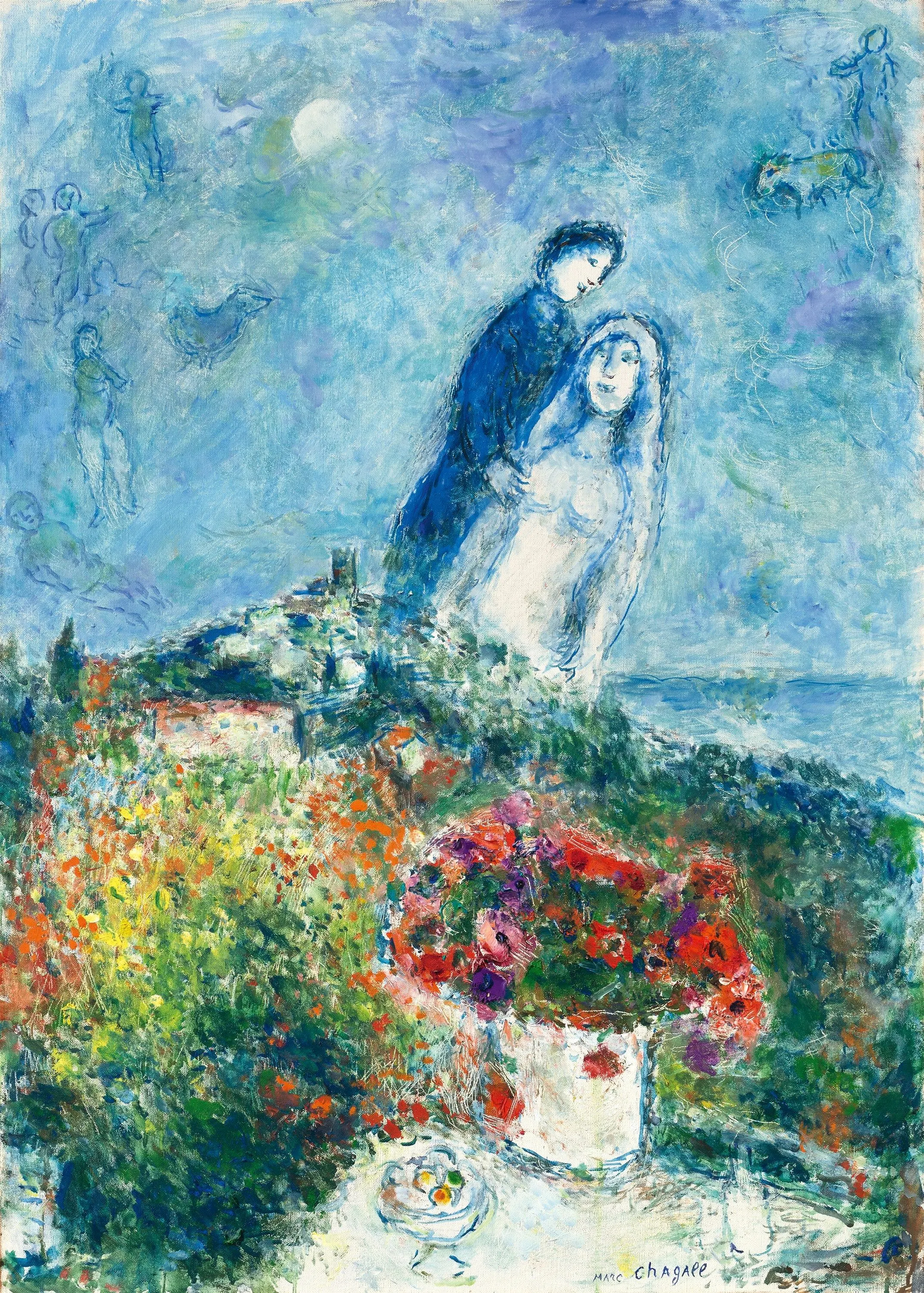
The present is the physical landscape, the view overlooking the land and sea from the terrace on Saint-Paul-de-Vence, Chagall’s adopted home in Southern France. The past is represented in the bridal couple of Chagall and his first wife, Bella, who died in 1944. Other ghostly figures populate the blue sky over the Côte d'Azur, swirling memories that may not be corporeal but that are still very present to the artist.
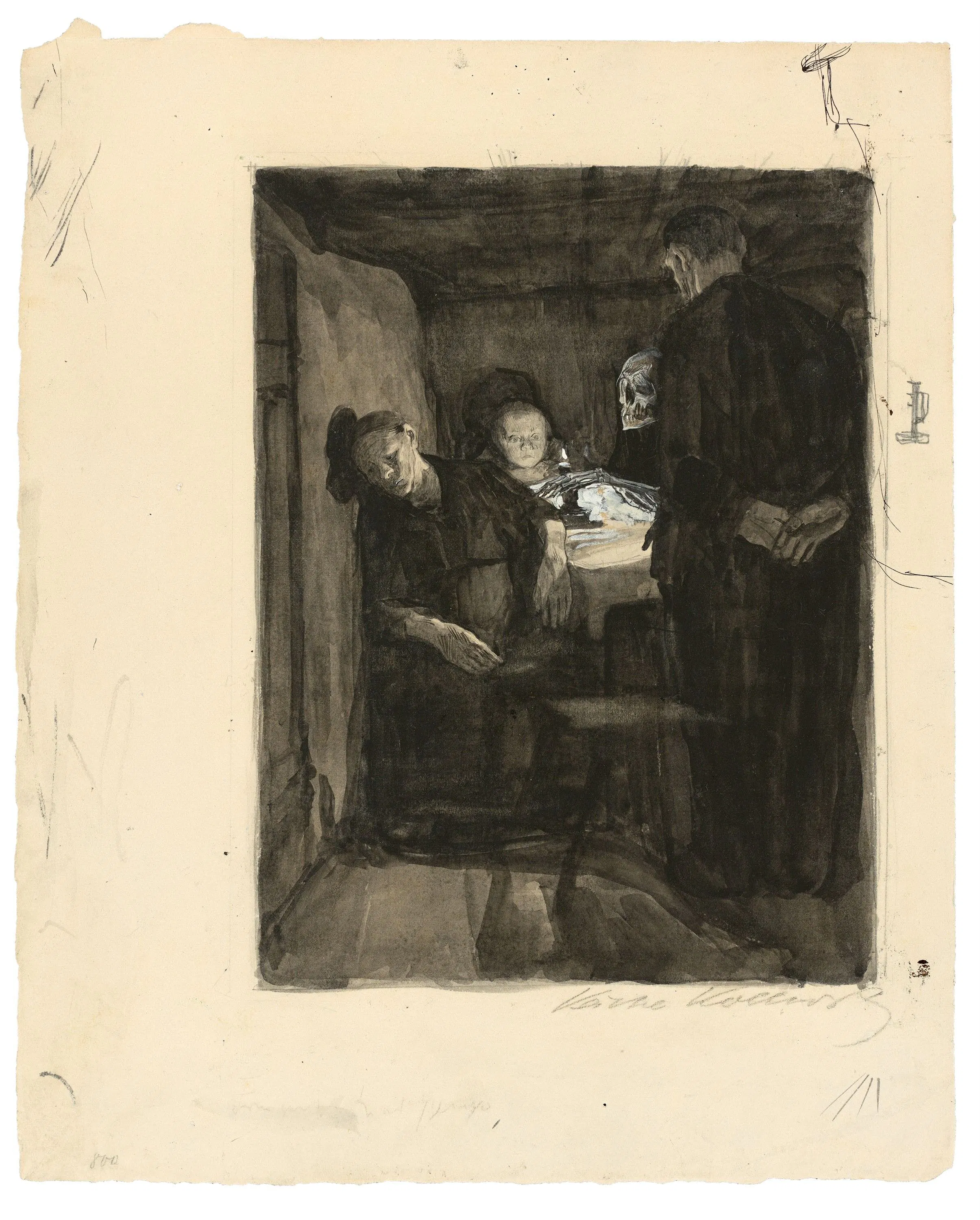
In stark contrast to Chagall's somewhat yearning affirmation of life is Death by Käthe Kollwitz. The oldest work of the catalogue, the 1897 piece served as a preliminary to her cycle The Weavers' Rebellion, one of her key projects that established her breakthrough as not only an artist but a social critic.
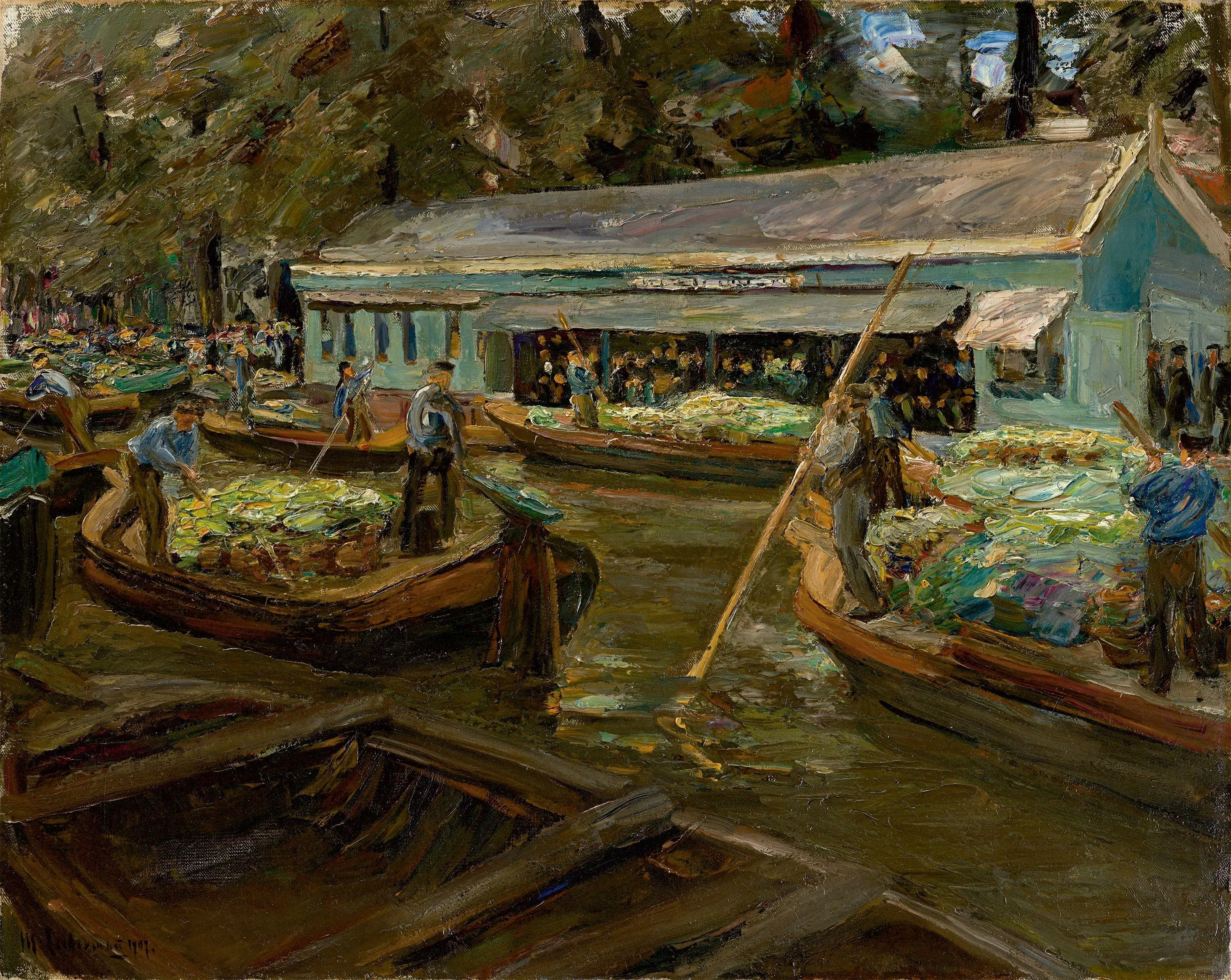
Several lots are works by Max Liebermann, notably a large-scale painting of museum quality from 1907. The beautifully-textured oil paint leaves little room for fine detail, but the scene is clear and transports the viewer to the vegetable market in Delft, reminiscent of one of the floating markets in Southeast Asia.
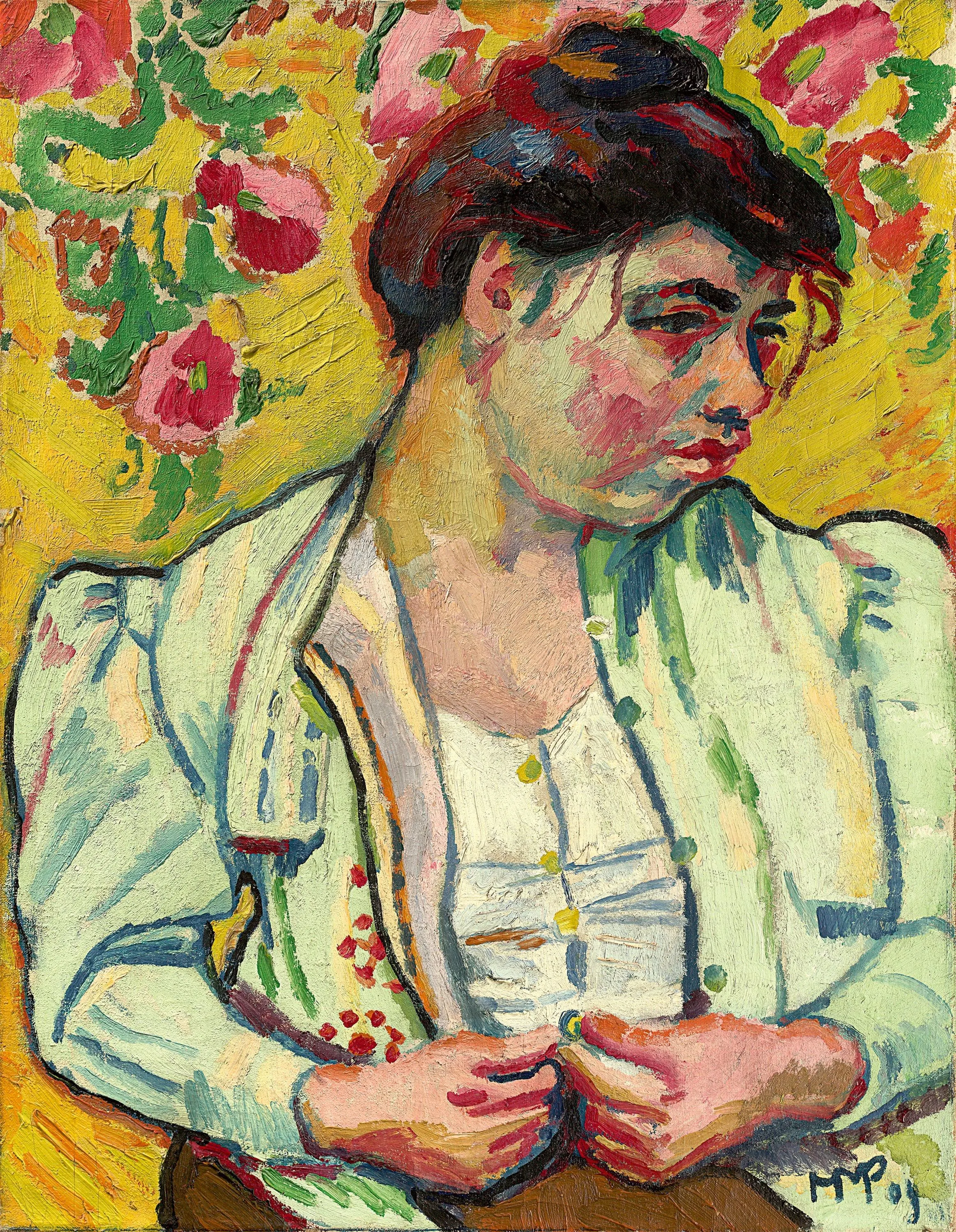
The Die Brücke group is represented by Max Pechstein’s 1909 painting The Light Green Jacket. Although Pechstein had long been a part of the avant-garde, he had visited Paris and gained a new appreciation for composing works solely from the interplay of colours, a tactic which he implements in this work.
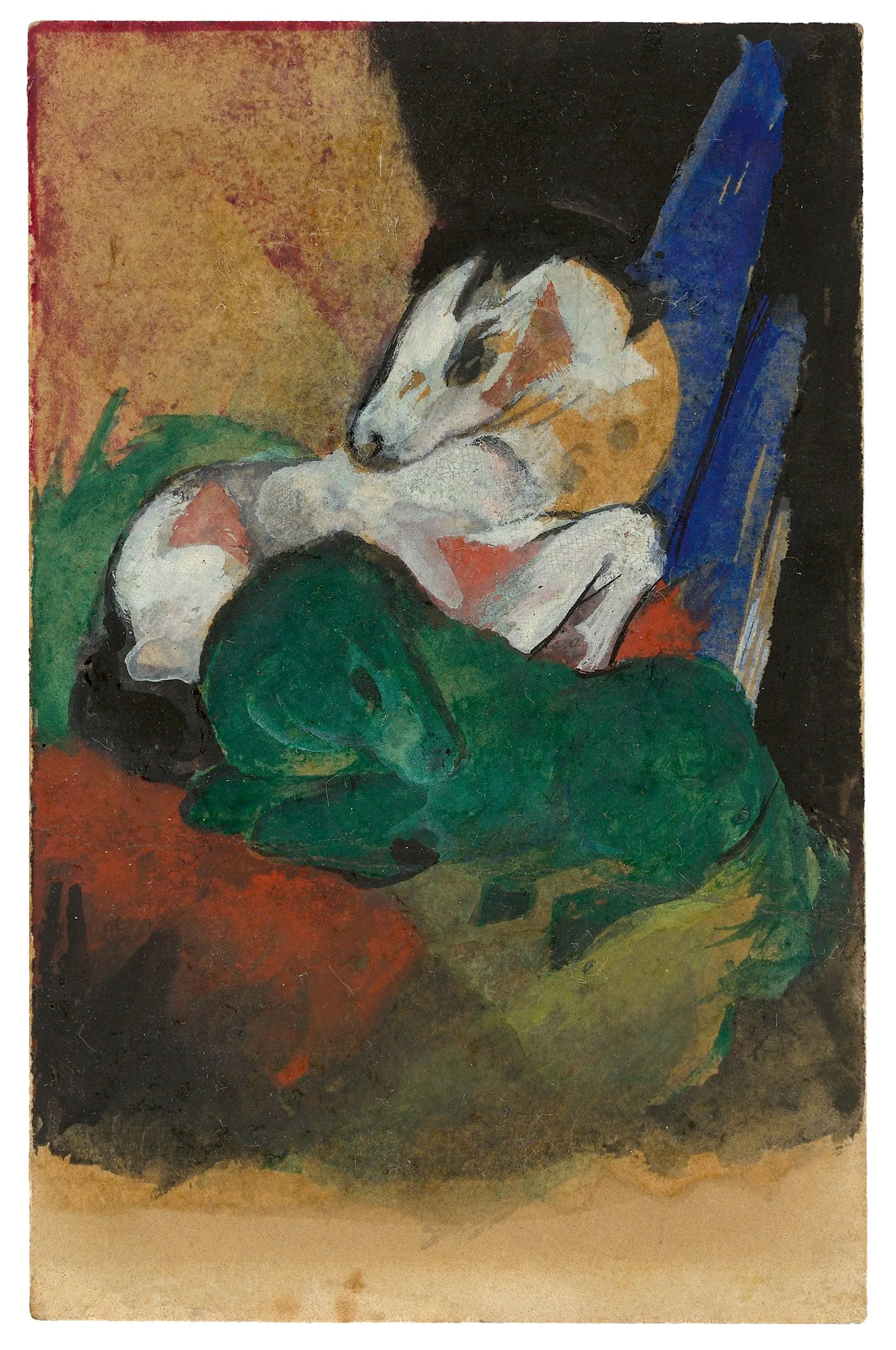
In 1913, Franz Marc had finally found the style with which he was well and truly able to express himself. That year he painted a postcard with a white and a green horse, but it was lost in a drawer and not rediscovered for two years. After being drafted into the war, Marc sent it to Lisbeth Macke, wife of his friend August Macke, a soldier who had already fallen in September 1914. In the message that Marc wrote on 8 November 1915, he recalls the peaceful times when he had painted the card. Just four months later, Franz Marc also fell near Verdun, killed by shrapnel at the age of 36.
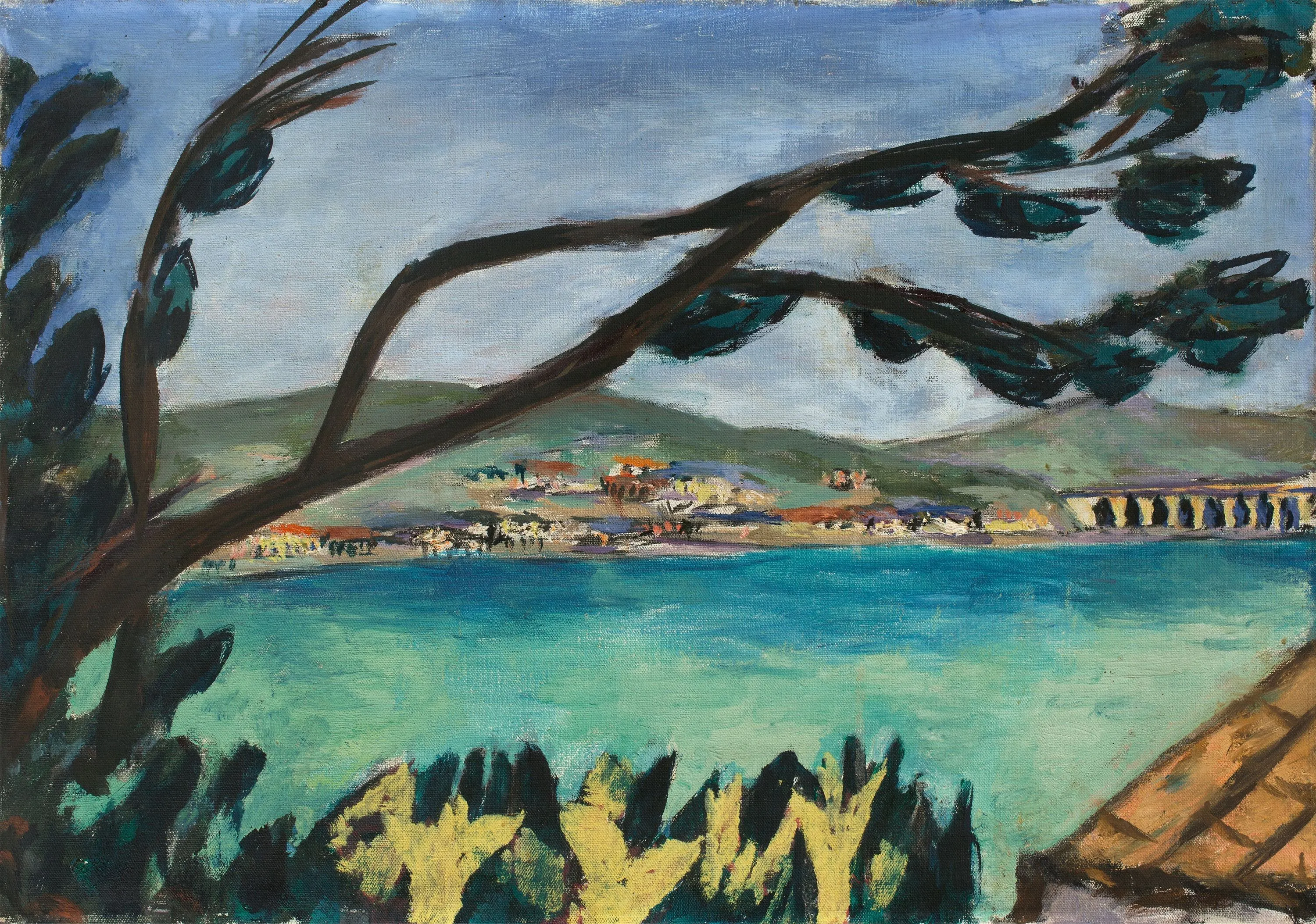
Max Beckmann's 1938 Small Landscape from Bandol marks a return to the neighborhood of Saint-Paul-de-Vence. Beckmann travelled to the French Riviera around this time and recorded his impressions in paintings, pieces that testify to the great variety of his works at that time.
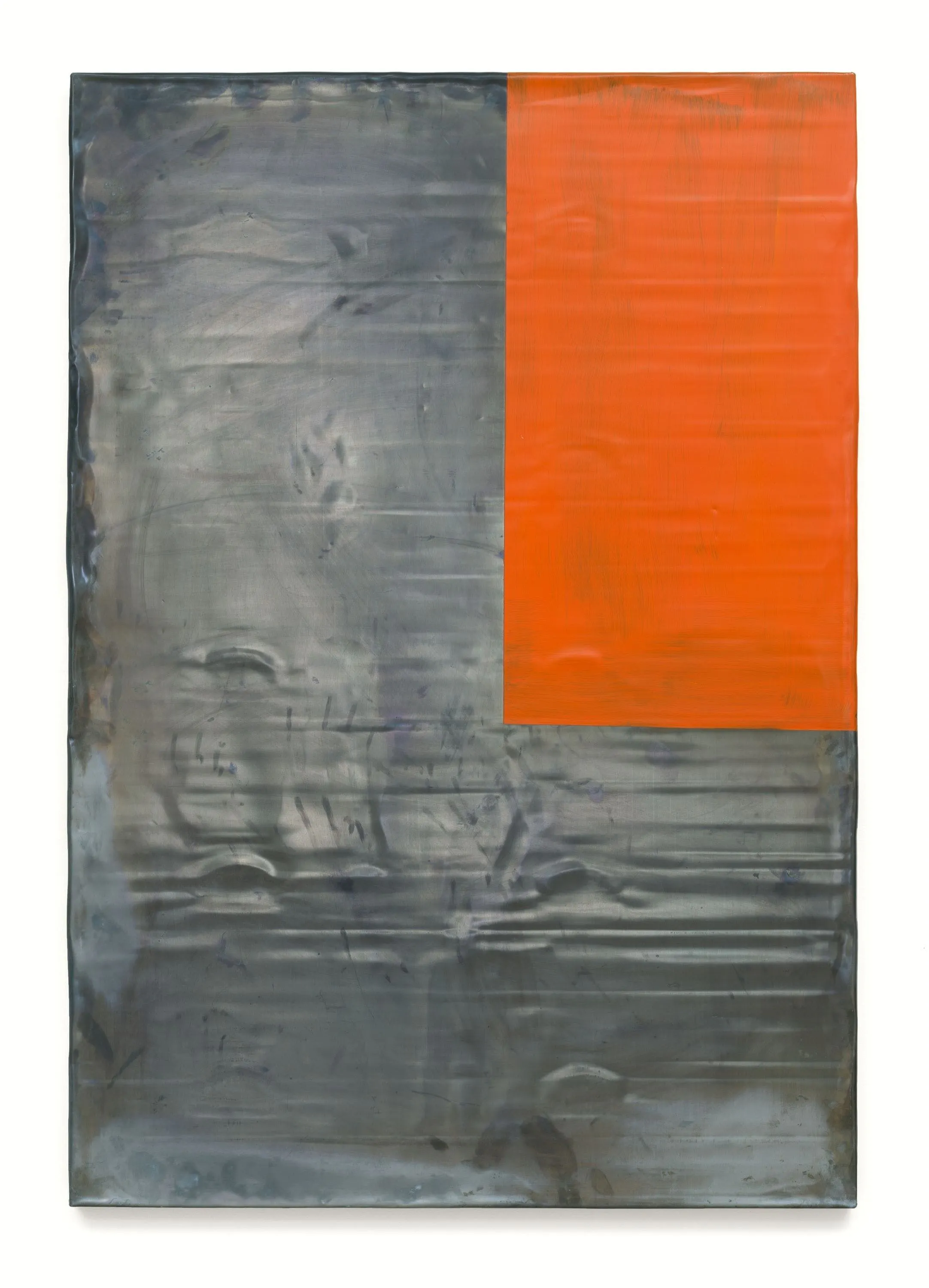
Also on offer is one of the famous lead pictures by Günther Förg from 1991. Förg experimented with the uneven surfaces, using minimal colour to highlight the materiality of the pieces.
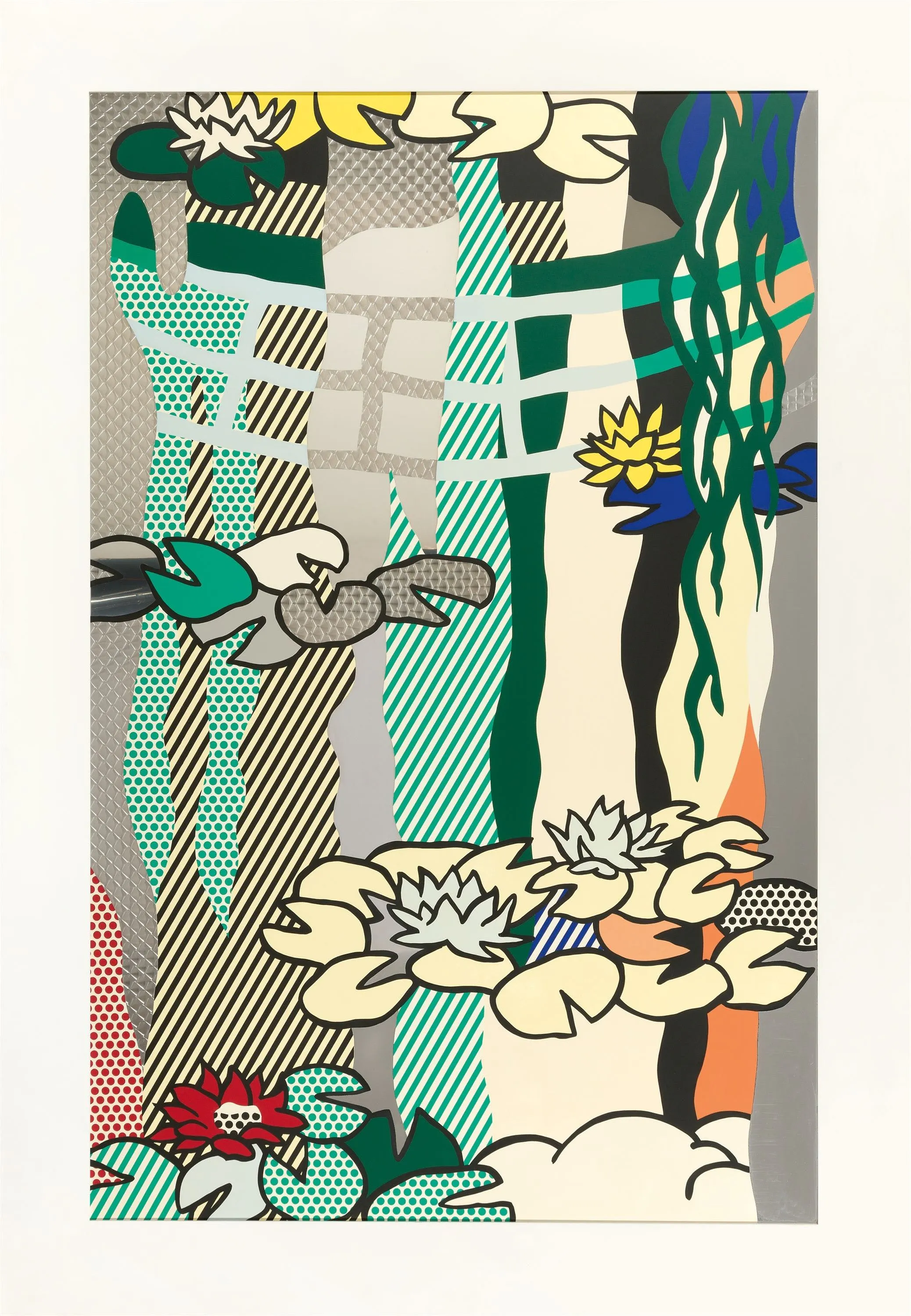
In a series of six 1992 works, Roy Lichtenstein reinterpreted Claude Monet's impressionistic Water Lily paintings in his own style. An unusual but appealing meeting of artistic minds, two of these limited serigraphs will be available at the Grisebach auctions.
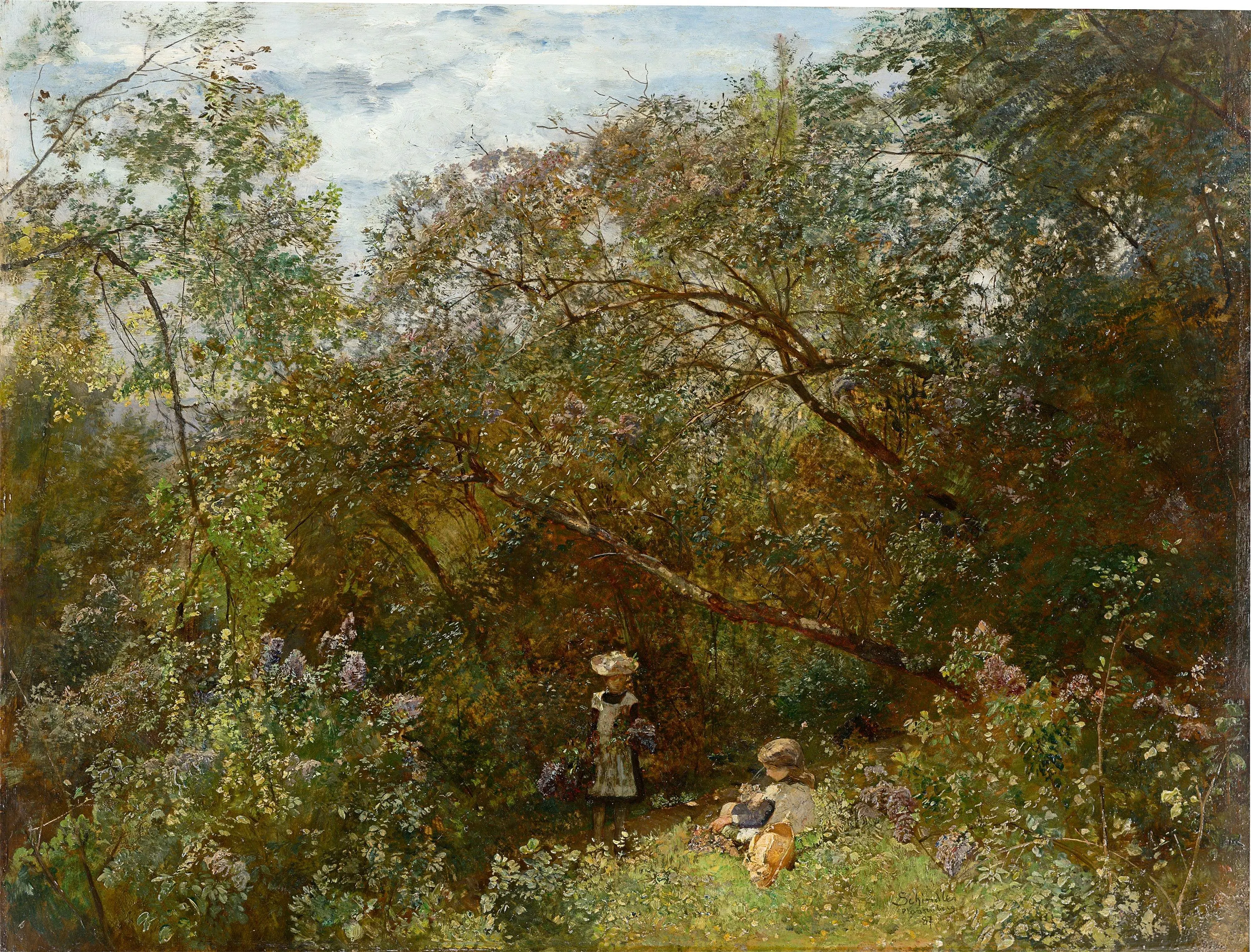
The auctions begin with the Art of the 19th Century on 27 November. One of the most interesting works here is Emil Jakob Schindler’s Park Landscape in Plankenberg, depicting the Viennese artist’s two daughters in the garden during a full bloom. The older daughter later became Alma Mahler-Werfel, whose three eclectic husbands were the composer Gustav Mahler, the architect Walter Gropius, and the poet Franz Werfel. She had an eye for the artistic types, also engaging in a temporary affair with the painter Oskar Kokoschka.
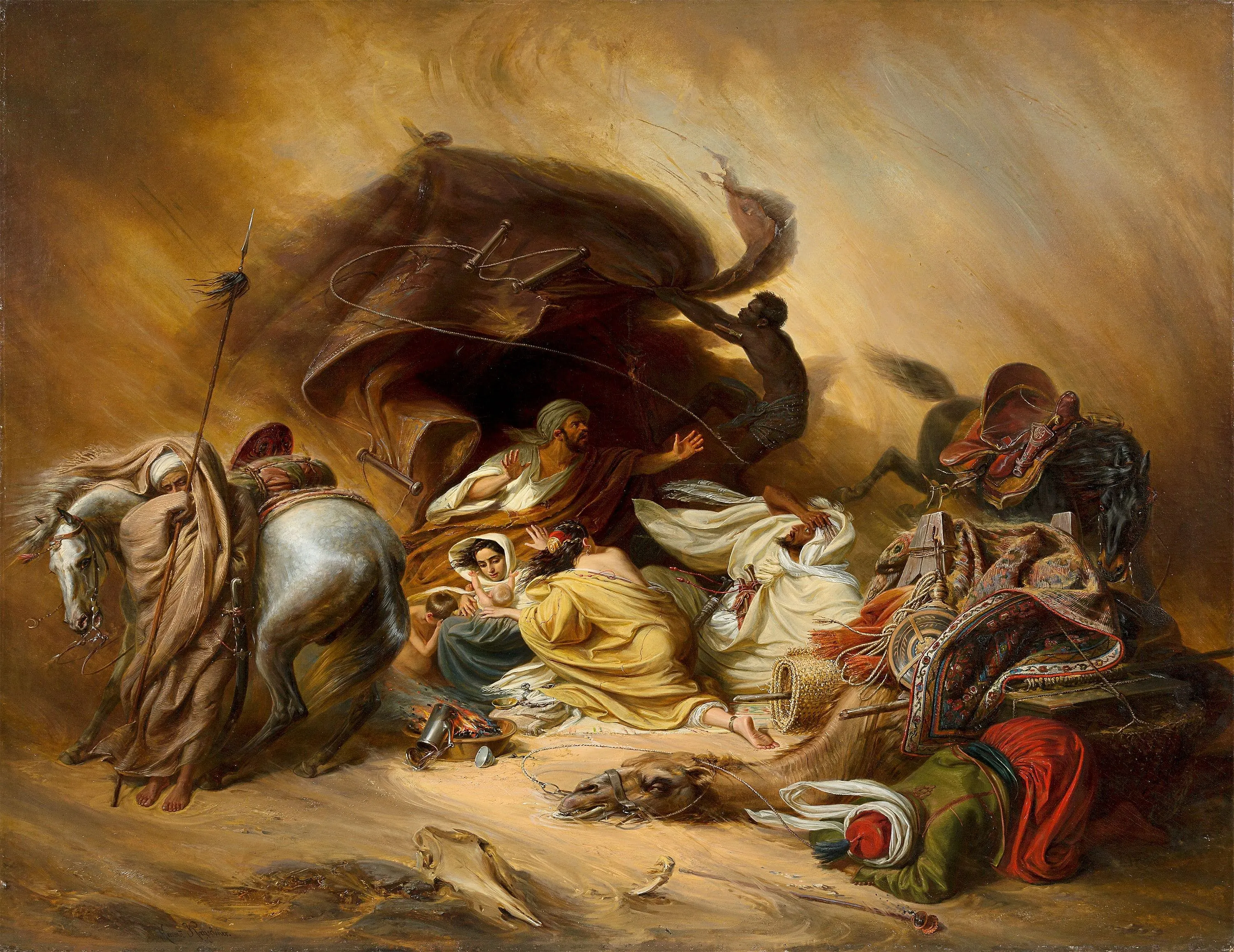
Orientalism reached new heights of popularity in the 19th century, and an excellent example is Johann Hermann Kretzschmer’s dramatic The Samum in the Desert, executed in his Berlin studio after a trip to Egypt in 1844. Samun or Samum is an Arabic term translating to "poison wind," indicating a sandstorm.
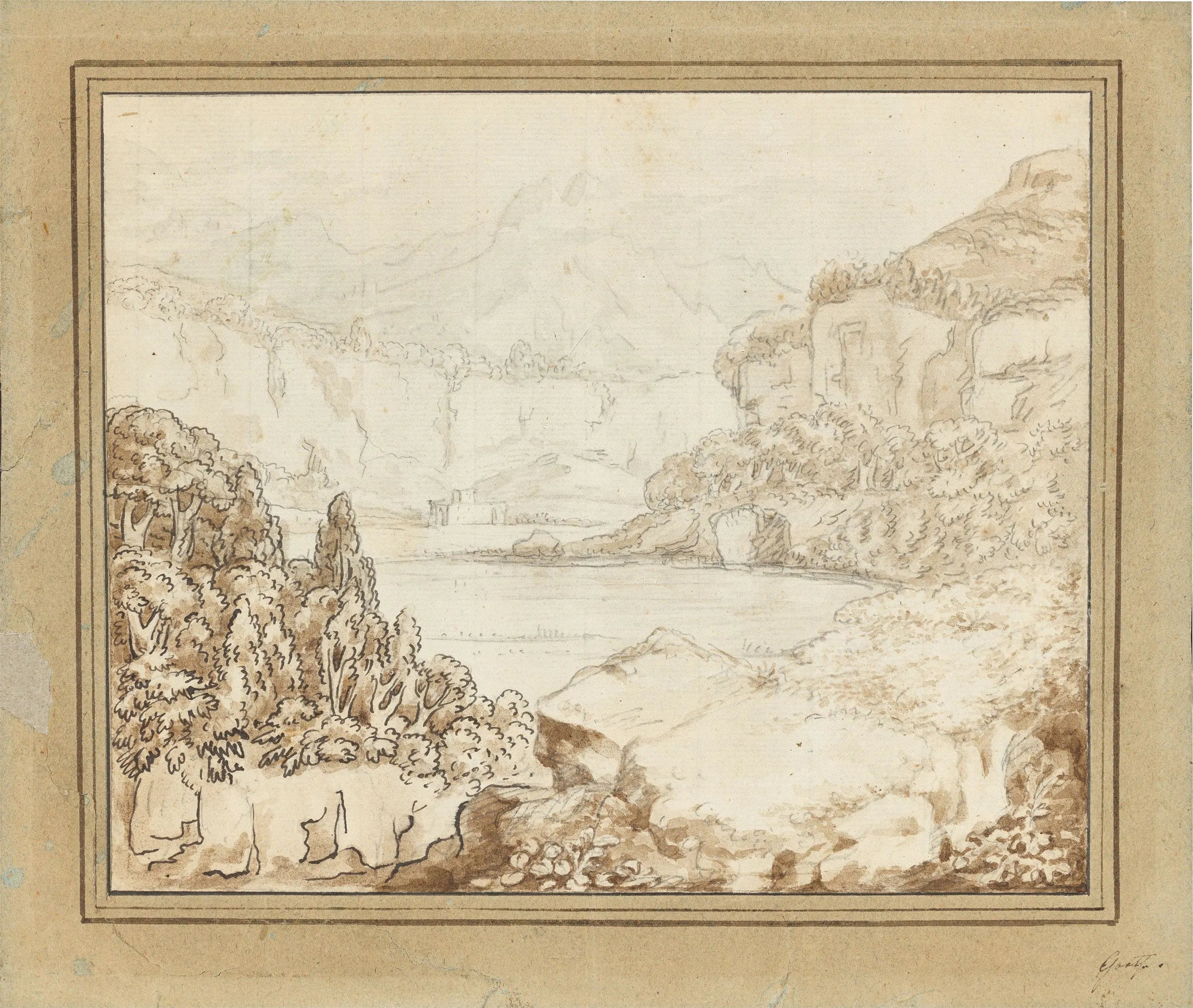
Although known first and foremost as a writer, Johann Wolfgang von Goethe proves his mettle as a visual artist as well with the 1810 drawing Mountain Lake in Southern Landscape. Ultimately the poet laureate left behind a graphic oeuvre of about 2600 works, indicating a prolific talent.
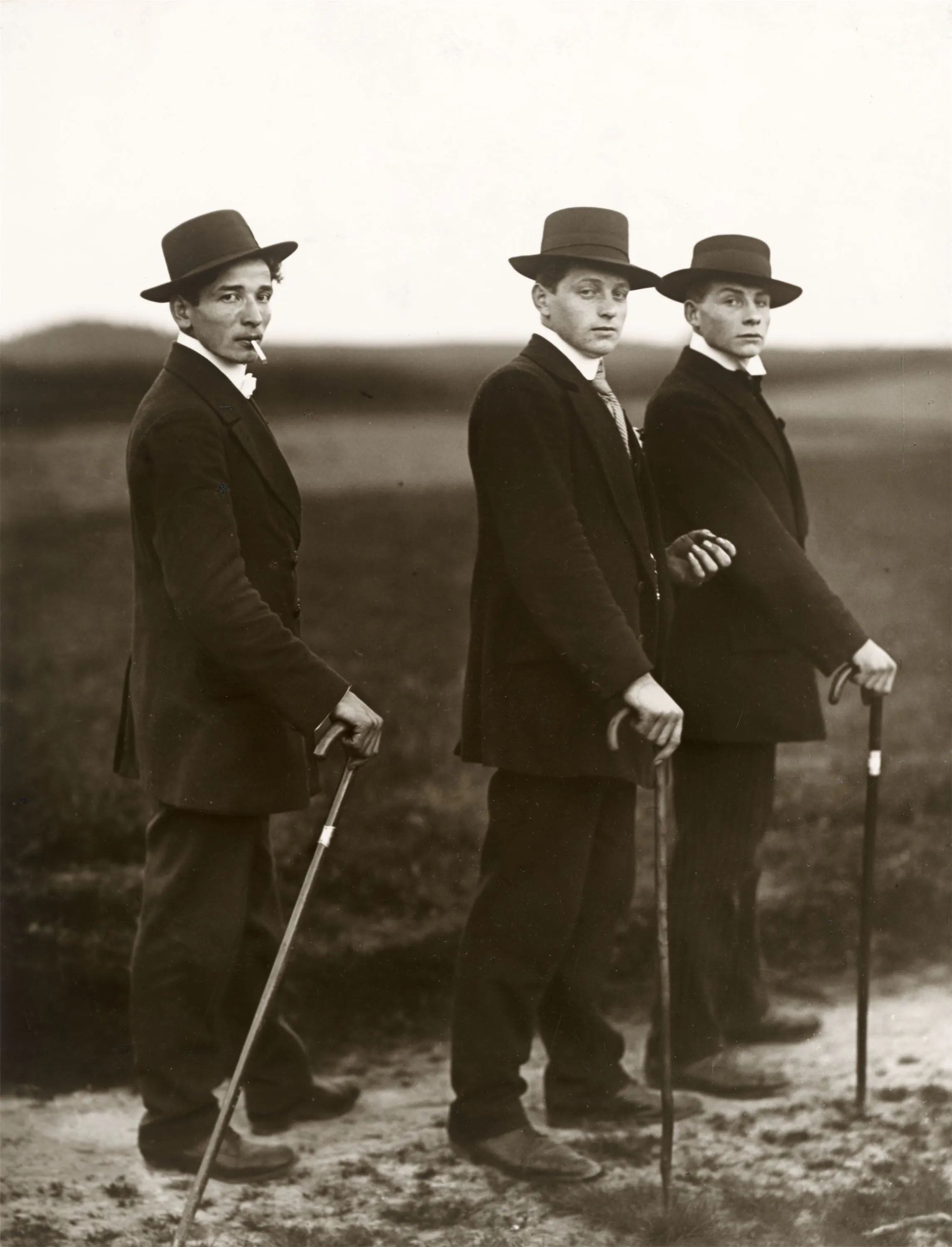
Later on 27 November, there will be a photography sale, which includes works from August Sander's Menschen des 20. Jahrhunderts (People of the Twentieth Century), an influential series of daily portraits created between 1912 and 1932. The 70 silver gelatin shots from 1961-63 are being offered for the first time, making this a rare opportunity for collectors. Sander had compiled them himself for exhibition only shortly before his death in 1964, and now the set of 70 will be auctioned at Grisebach.
The auction will be supplemented by the ORANGERIE Auction Big Animals (28 November), Modern Art & A Rhenish Private Collection (29 November), Contemporary Art (29 November) and Third Floor - Estimates of up to €3,000 (30 November), which marks the end of the autumn auctions.
The auctions take place in the auction house Grisebach in Fasanenstraße 27 in Berlin. The exhibition displaying all works is on view from 22-26 November, but selected works may also be seen from 15-17 November at Grisebach on Bilker St. 4-6 in Dusseldorf.