
New Orleans Auction Galleries’ 21-22 May Estates Auction includes a mix of antique and modern furniture, paintings, jewellery, carpets, lighting and more. The two-day sale features an important single-owner collection of Louisiana fine art, including works by William Henry Buck, Joseph Rusling Meeker and William Woodward. The thoughtfully curated collection offers a glimpse into Southern Louisiana’s rich history and unique landscape, from romantic late nineteenth-century bayou scenes to early twentieth-century depictions of city life in New Orleans. As Louisiana’s natural environment slowly transforms and disappears, and urbanity encroaches on the distinct character of historic neighbourhoods, works such as these are increasingly important to our understanding and appreciation of the region’s layered past and uncertain future. Also included in the auction is a charming selection of sporting art and eighteenth and nineteenth-century English antiques from a Lexington, Kentucky private collection.
Here are a few of the highlights not to miss.
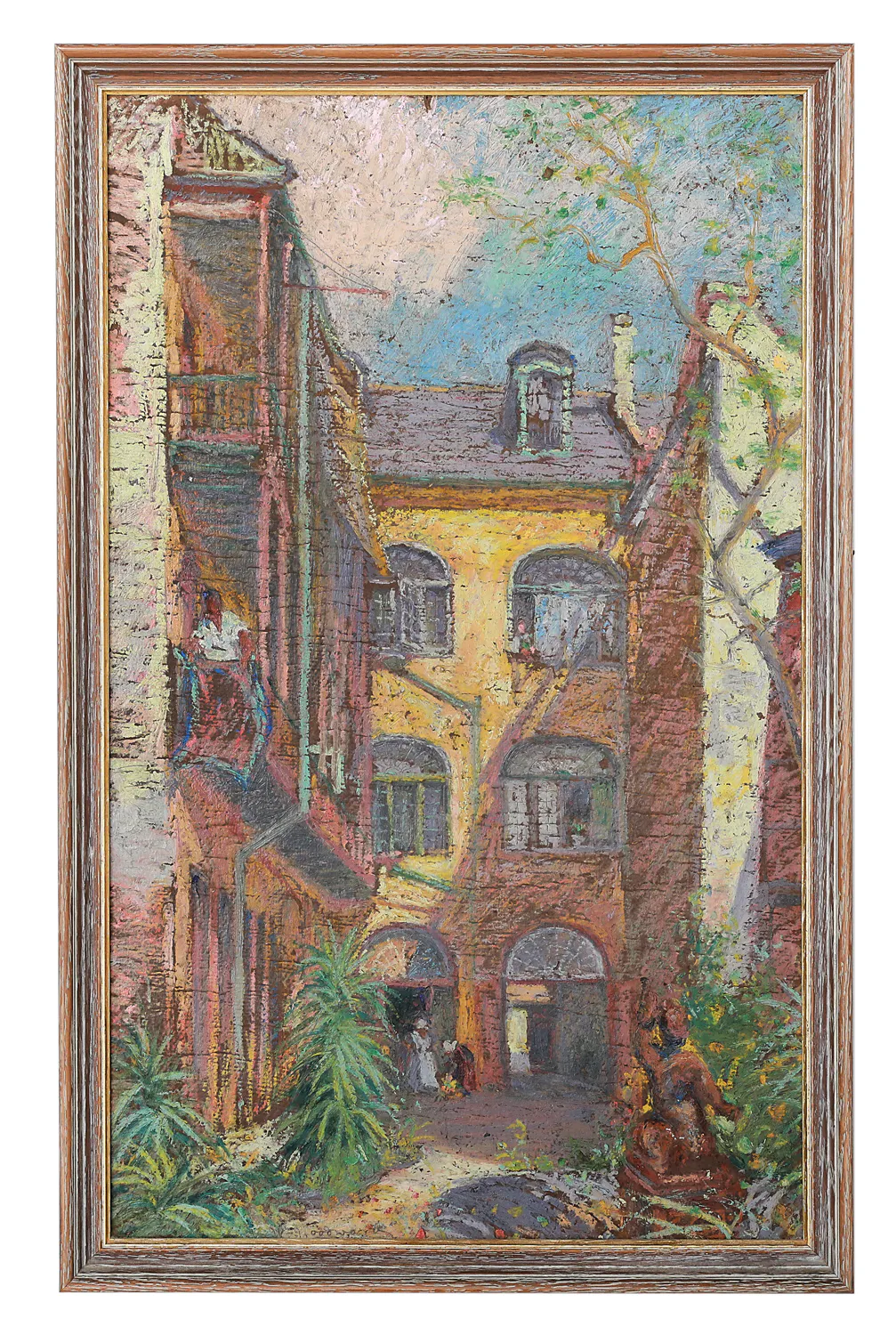
In 1886, the Camors sisters, Bertha and Emma, opened 'The Shop of the Two Sisters' on the first floor off the courtyard of their in-law's residence on Royal Street in New Orleans. The sisters' shop specialised in ball gowns and assorted finery, including lace and perfumes imported from France, and occasionally invited guests for tea and cakes in the large courtyard. The popular shop remained open for twenty years and the courtyard became known as the 'Court of Two Sisters'.
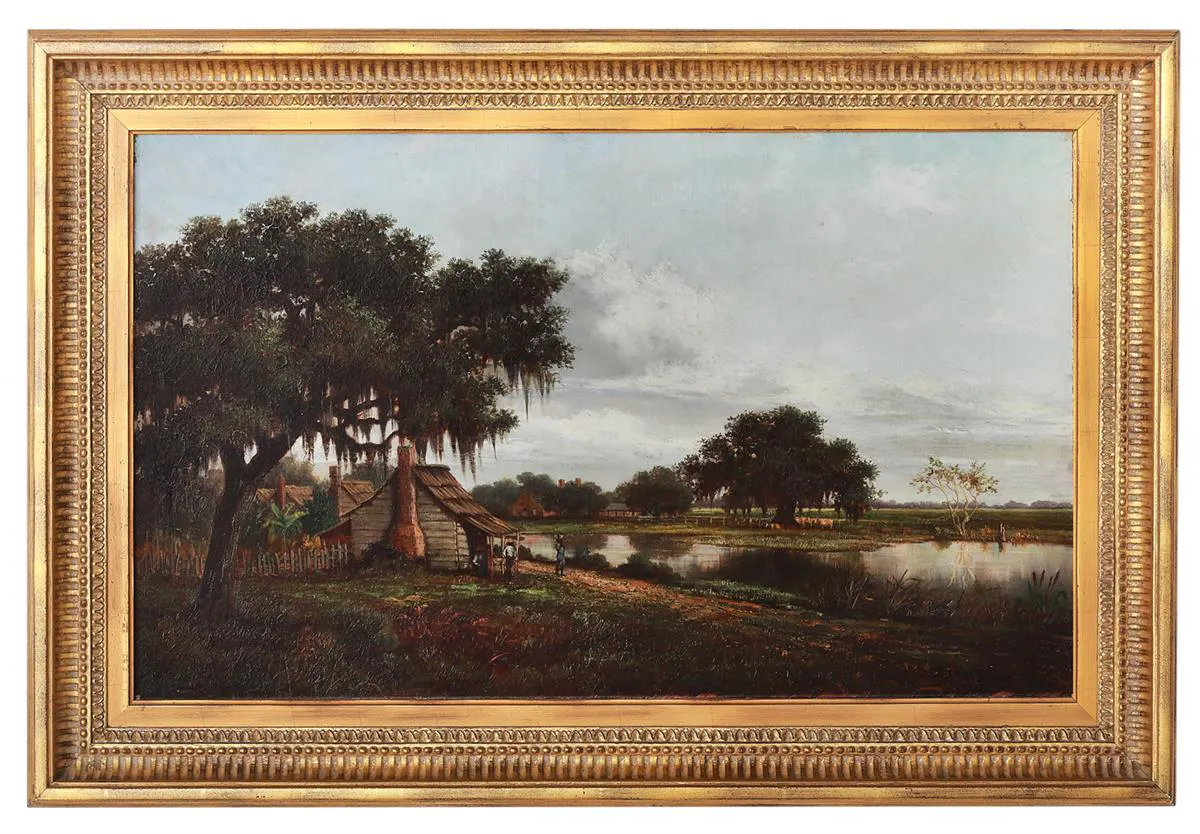
The Norwegian-born William Henry Buck studied art in Boston before settling in New Orleans in 1860, where he worked in the cotton commission merchant's office. Buck continued to pursue his artistic inclinations by apprenticing under the French-born painter Richard Clague, who is credited with bringing the Barbizon School of landscape painting to Louisiana. By painting outside in plein air, Claque adapted the tenants of Barbizon School to the Louisiana landscape reflecting the unique topography, culture and sense of place. Bucks’ work was included in the World’s Industrial and Cotton Centennial Exposition held in New Orleans in 1884-85.
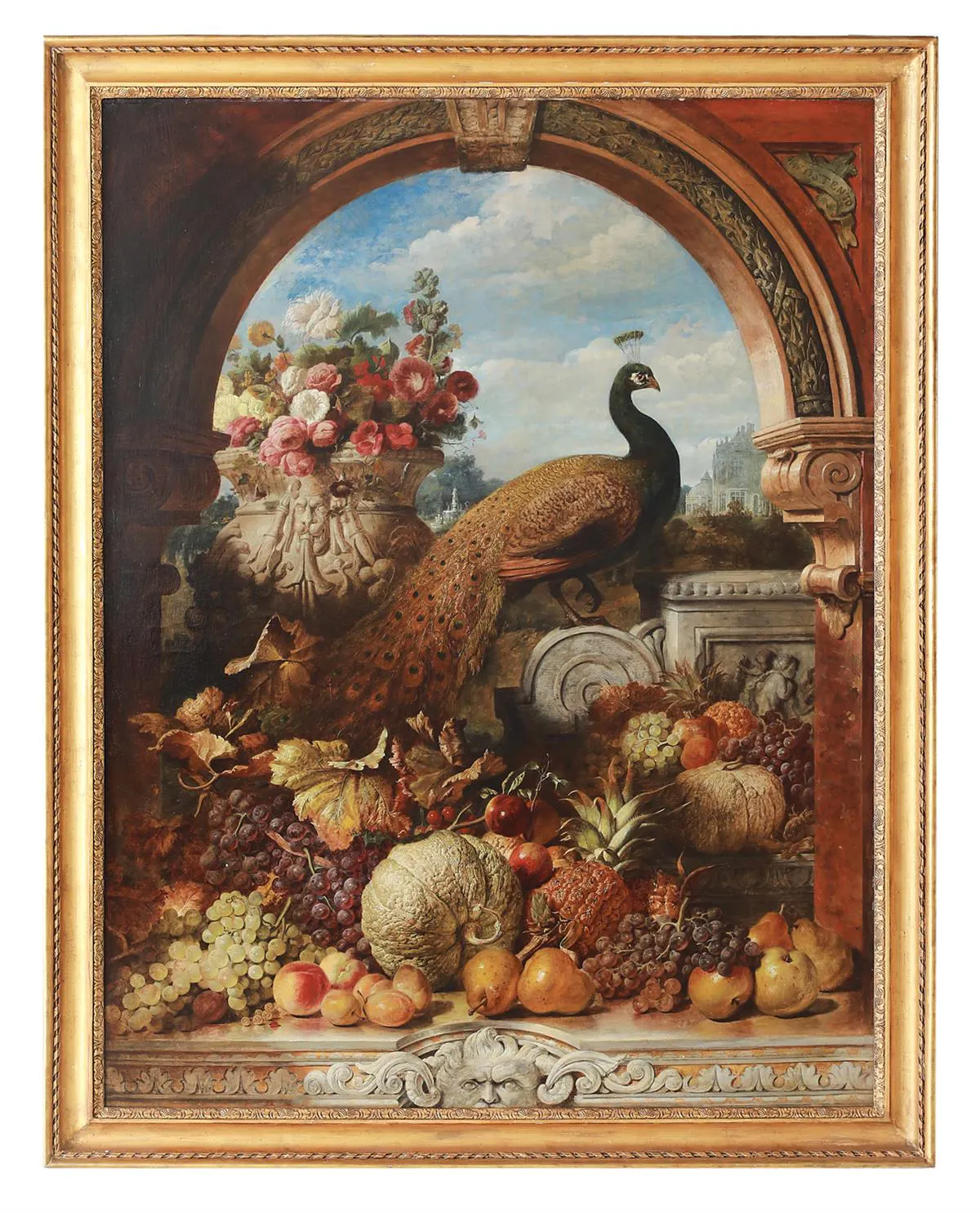
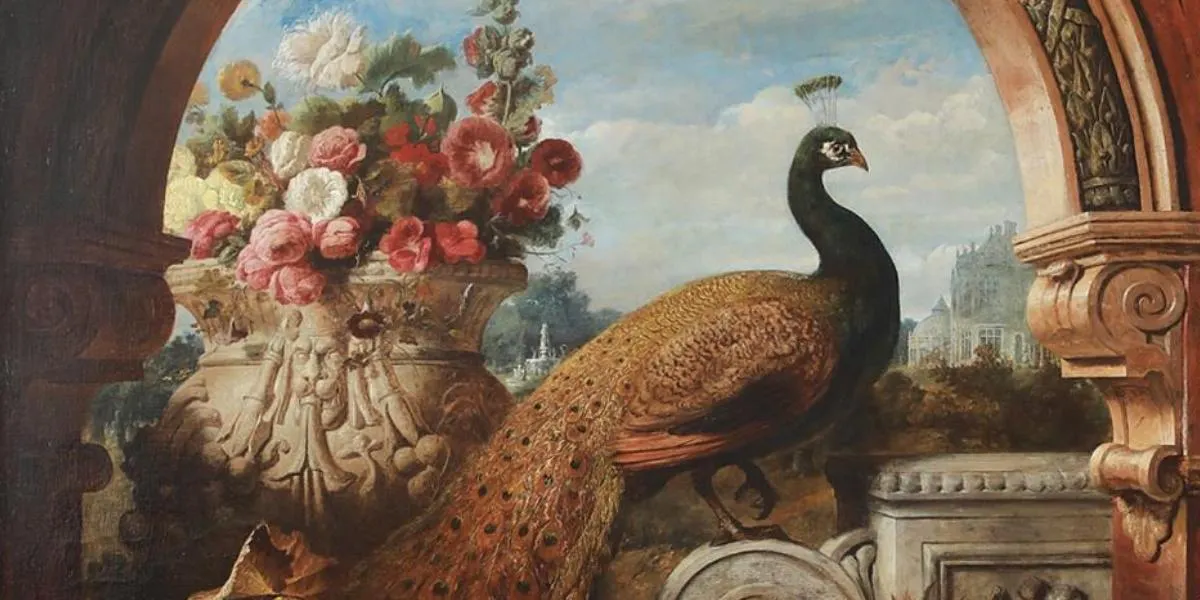
In this monumental painting of a regal peacock amidst an extravagant still life, set in what appears to be a palace garden, George Lance is simultaneously showcasing his virtuosity with a brush and his keen eye for observation of botany, anatomy, and architecture, inspired by Dutch and Flemish Old Masters. The peacock has been depicted in art since the ancient times and is seen as a symbol of beauty, rebirth, and wealth, as well as of sinful pride. The birds originally came from India over 4,000 years ago where they were symbols of royalty, and from the 1800s, they began to populate Western visual and decorative culture.
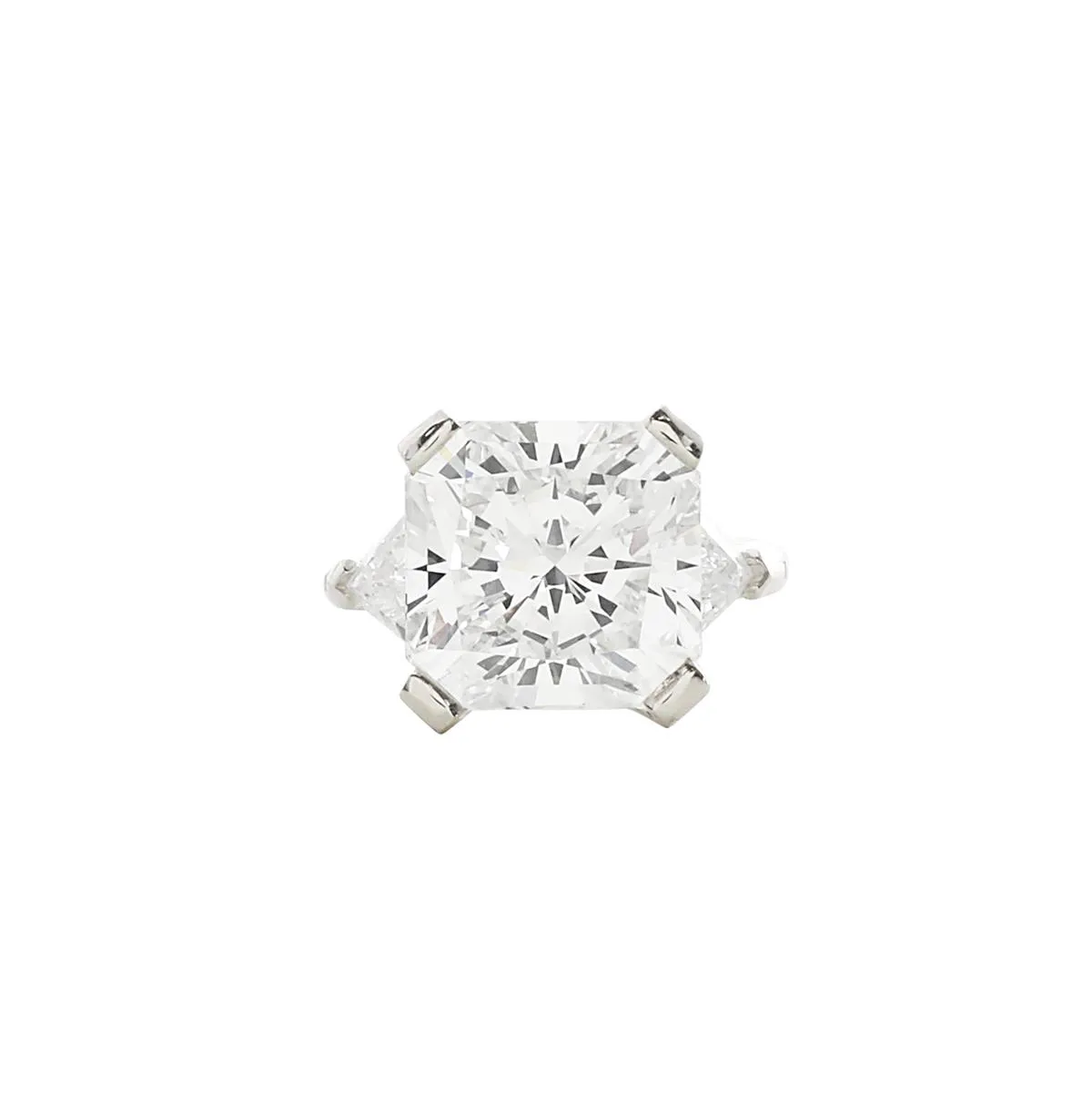
Out of the Houston estate of Elaine Levy Proler, this impressive diamond ring is mounted with a square modified brilliant-cut diamond weighing 11.46 carats.
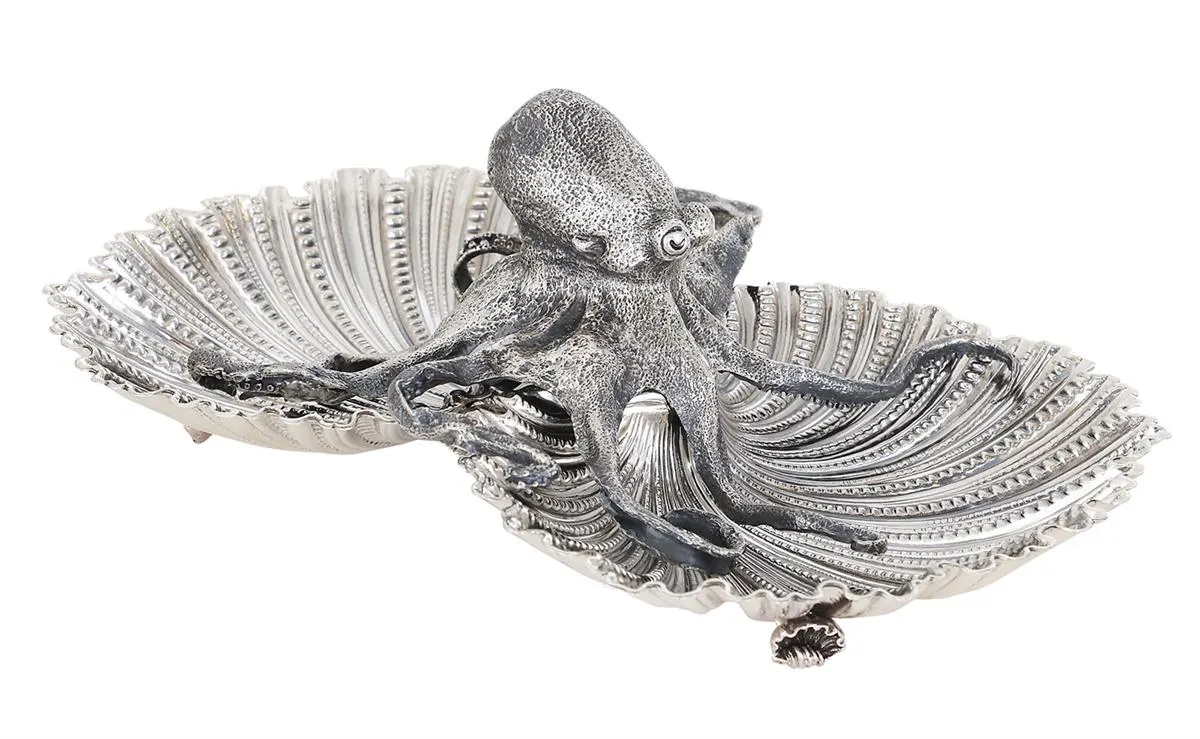
This striking design by Buccellati depicts an octopus perched atop two Arca shells. This piece is a fine example of Buccellati’s fine craftsmanship, attention to detail and creativity.
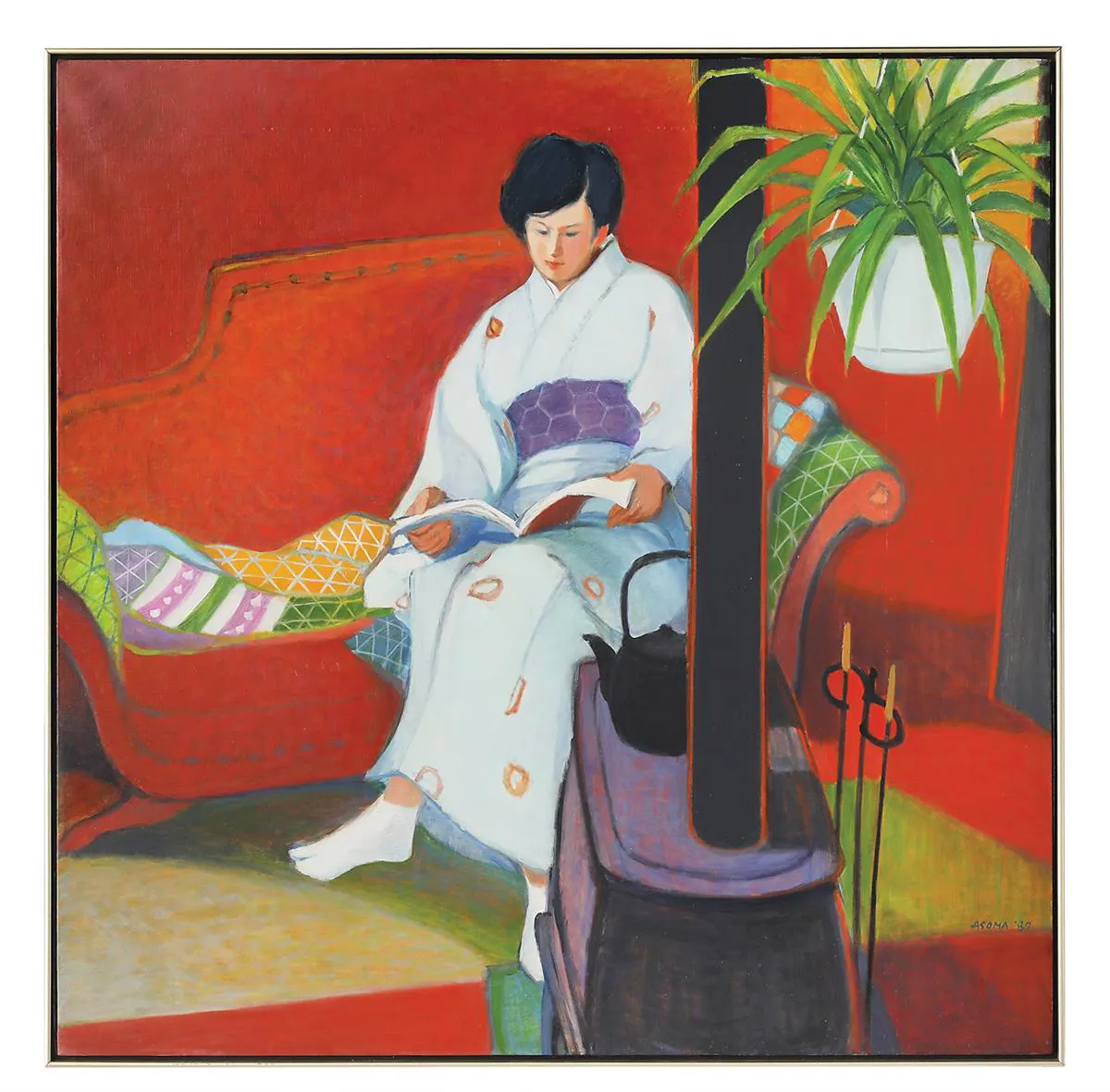
Born in Japan, Tadashi Asoma studied art in Paris before settling in New York in 1961. His interest in American art and strong Japanese and European influences blend together to create unique and colourful canvasses such as this.
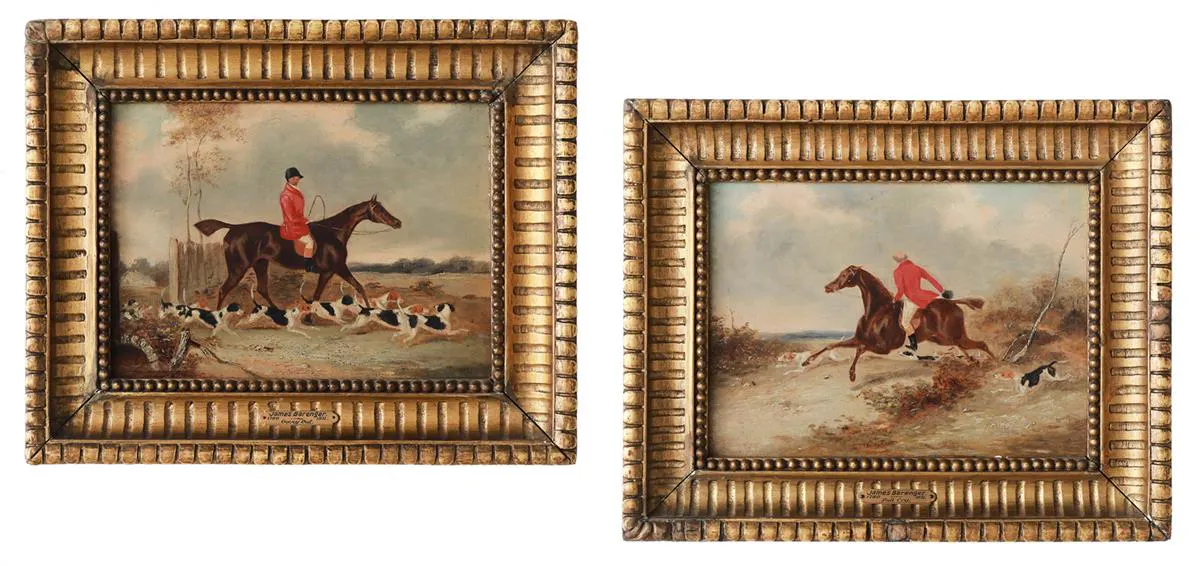
Part of a charming collection of sporting art and English antiques from a Lexington, Kentucky private collection, these two small works depict lively hunting scenes.
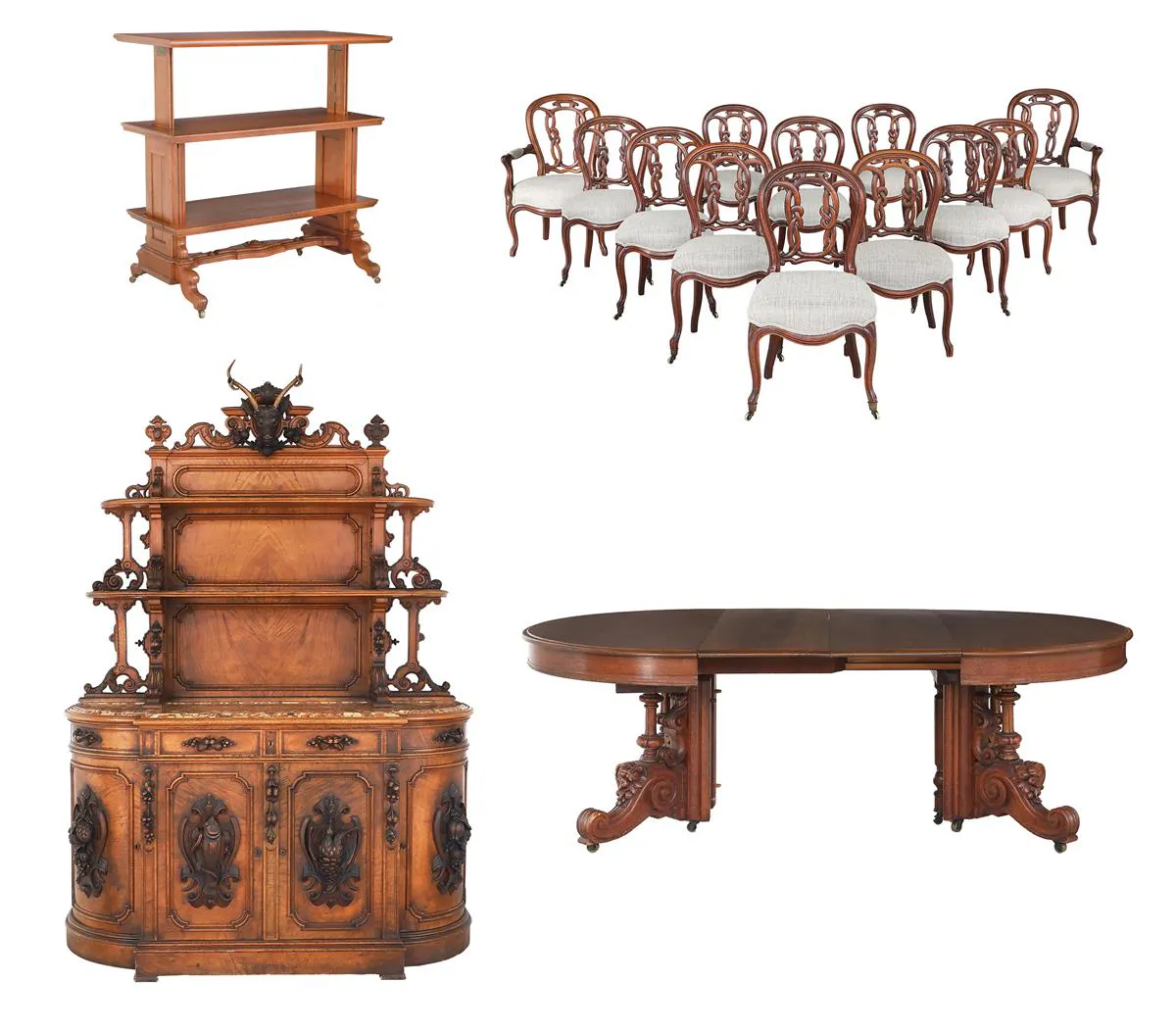
The original owner of this exceptional dining set was William Franklin Anderson, one of the pioneering settlers of Colorado Springs and one of its most eminent citizens. Anderson was born, raised and schooled in Virginia, before venturing West in 1848. Settling first in St. Louis, where he was part owner of a dry-goods firm and then a successful broker, he eventually made his way to Colorado Springs. In Colorado, Anderson was responsible for the building and maintenance of the Bank Building, a business block which was the first such block of importance in the soon flourishing city.