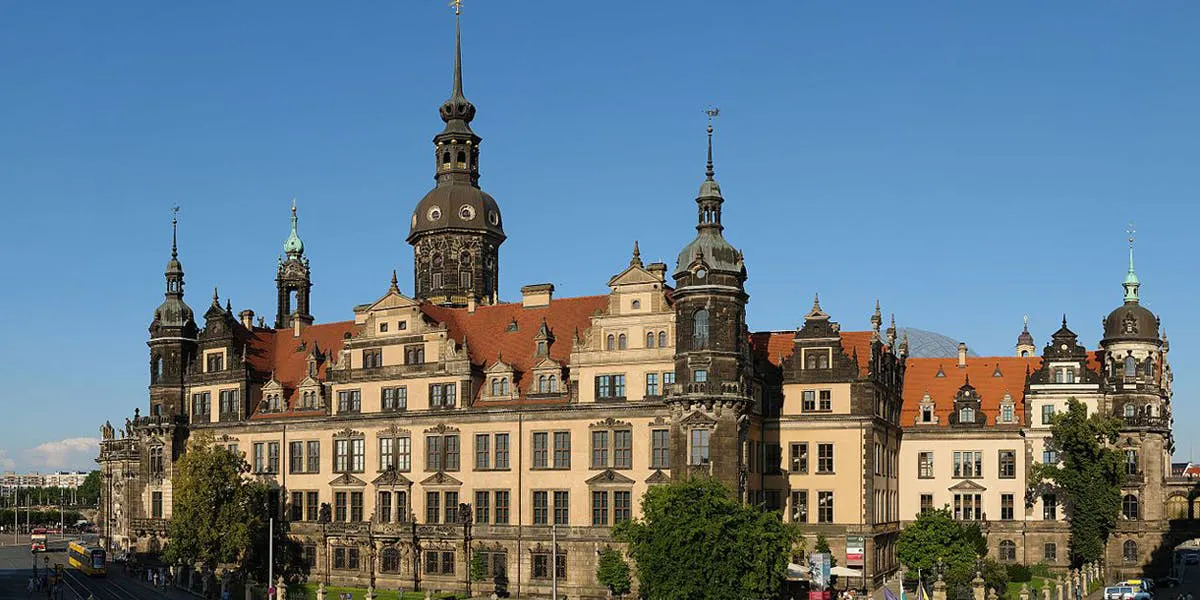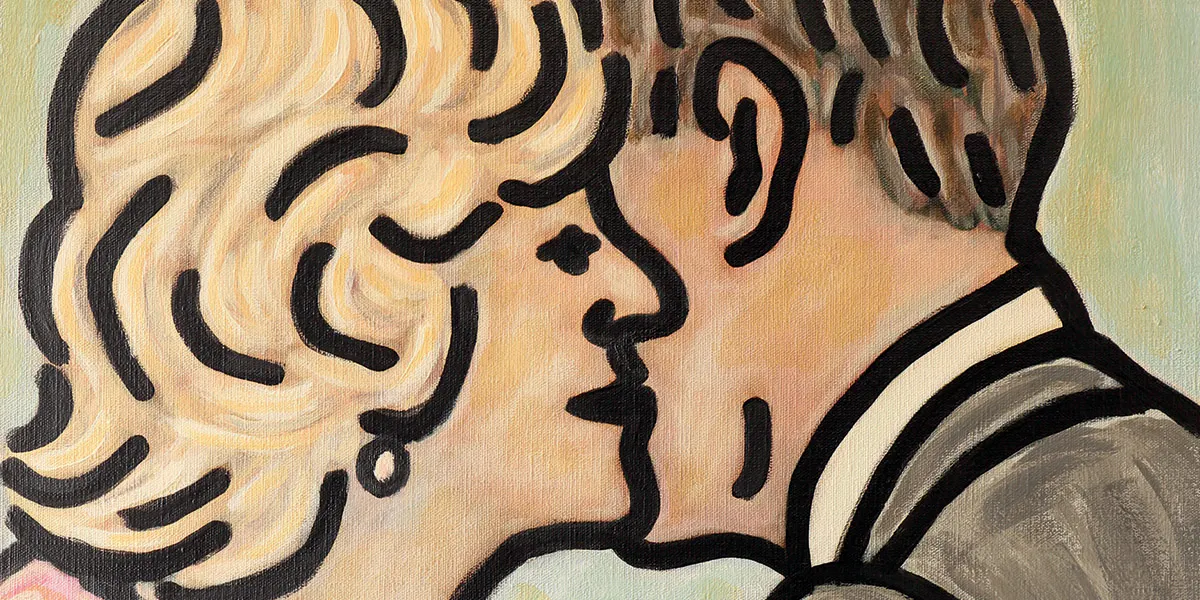
A.R. Penck was born in Dresden in 1939 under the name Ralf Winkler. Because of his interest in painting and art history, he took a community college course in drawing in 1953-54. The course was led by the painter Jürgen Böttcher and formed the basis for the direction that Winkler was to take with his work.
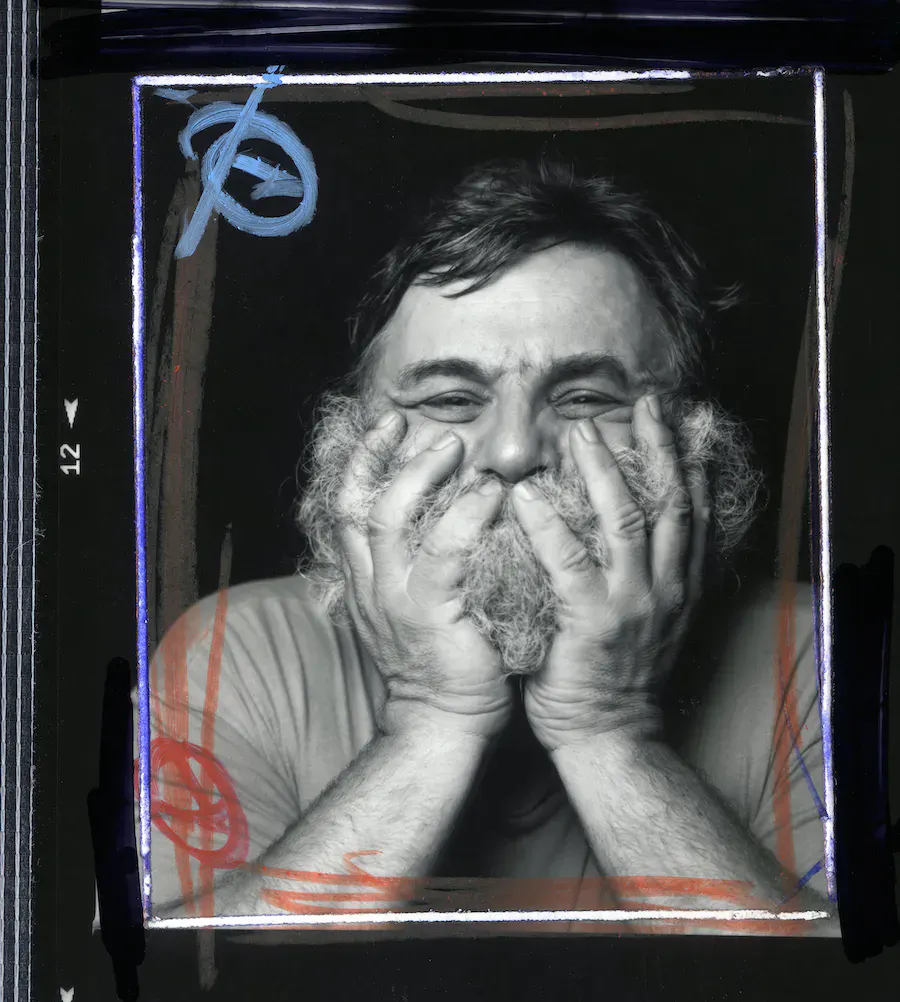
Together with other students of Böttcher, Penck founded the artist group Erste Phalanx Nedserd, 'Nedserd' being an ananym for Dresden. The group did not strive for a uniform orientation, but rather looked for the uncompromising discovery of its members' individual artistic style. The circle could only meet in private because the GDR government imposed strict requirements for artist groups in the 1950s. Due to the non-conformist nature of their artistic approach, the members of the First Phalanx Nedserd were ultimately prevented from studying at an art college.
See also: Art Informel: 5 Facts to Know
Instead, he began training as a draftsman at the state-run German Advertising and Advertising Company, which he later dropped out of and kept himself afloat with odd jobs. He also appeared in two films by his teacher Jürgen Böttcher, who was now working at DEFA.
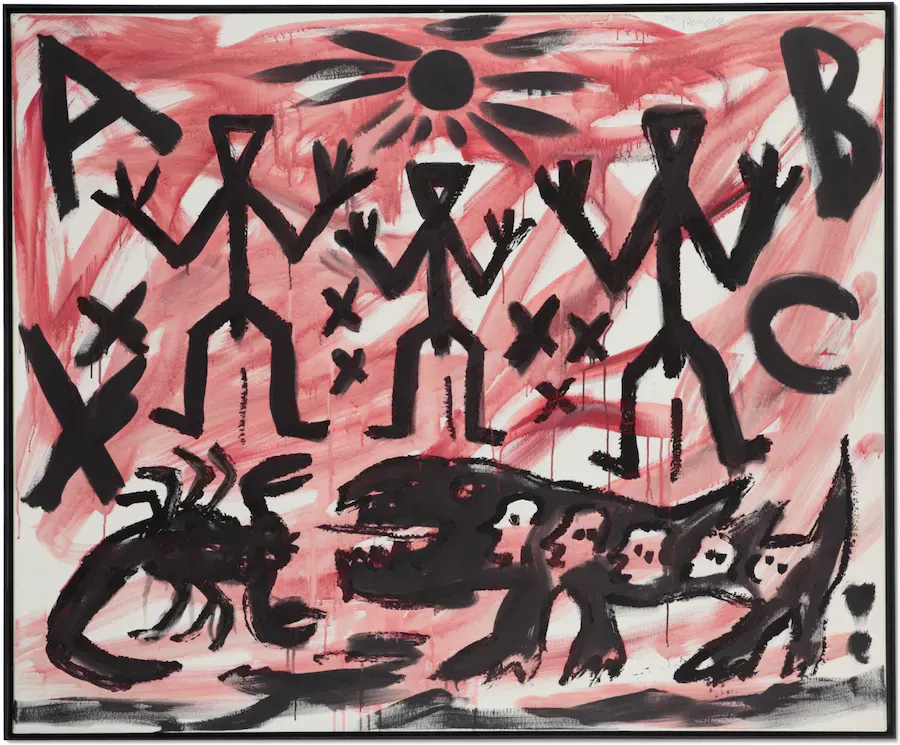
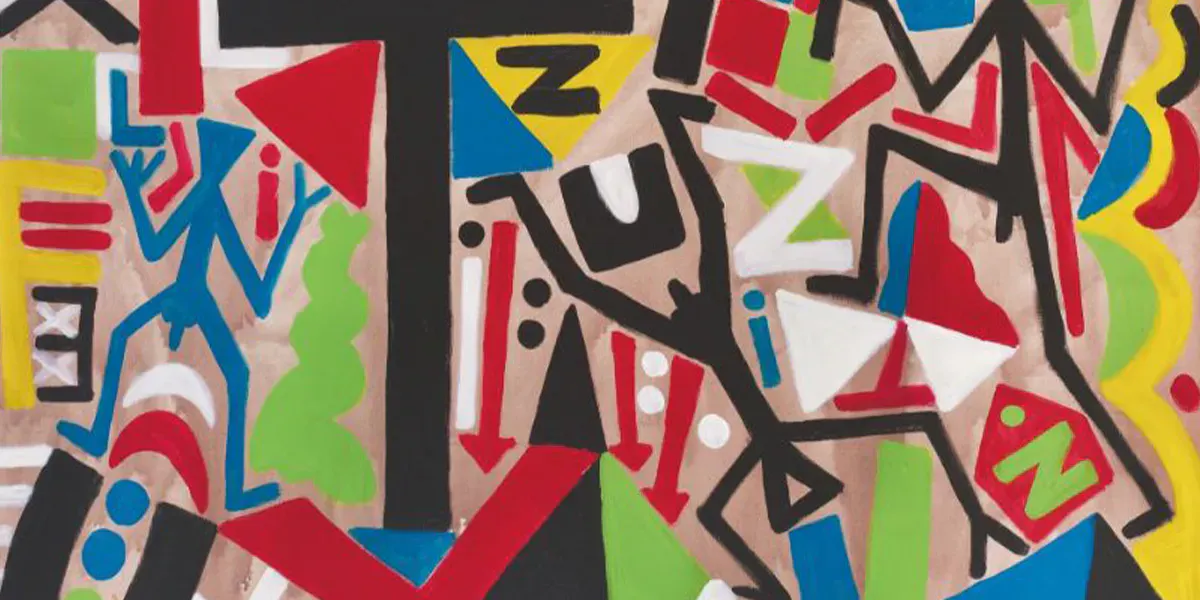
In the 1960s, Winkler began using the pseudonym A.R. Penck and developed the stick figure style for which he would become famous. This style and the pseudonym had, in a sense, the same origin, because as he once said, “[I] then came across Ice Age and cave painting. That fascinated me. This archaeological recourse has significantly enriched my painting.” His pseudonym referred to the Ice Age researcher Albrecht Penck.
See also: Corneille and the Radical Art of CoBrA
A.R. Penck became a candidate for the Association of Visual Artists of the GDR, but was ultimately not accepted. Instead, from 1969 onwards he increasingly came into the focus of the Stasi (the police of East Germany) and his works were confiscated.
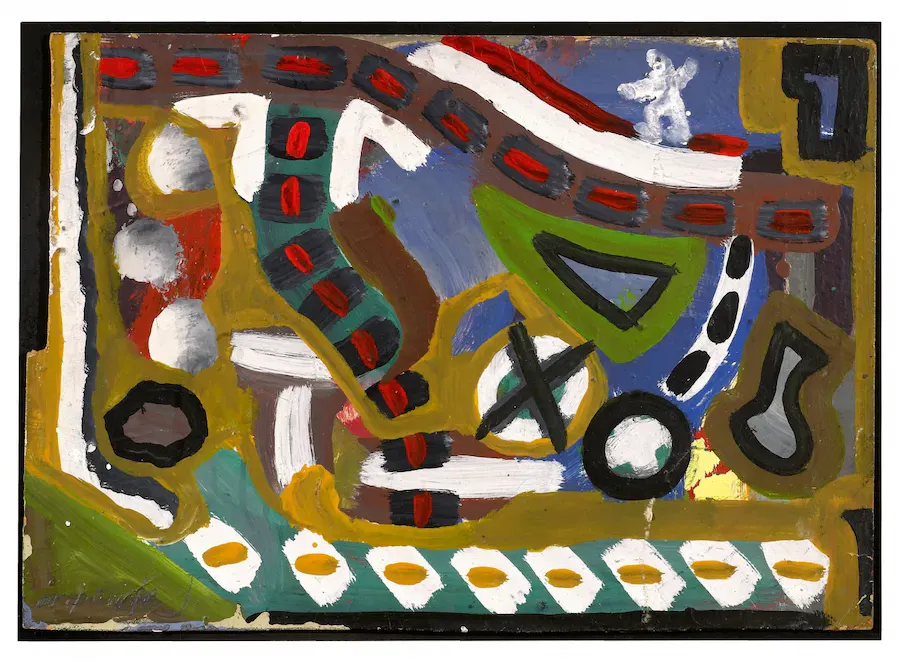
Spying by the Stasi increased in the 1970s after Penck founded the Runde group with other artists in Dresden, received the Will Grohmann Prize from the Academy of Arts in West Berlin and worked with the West German artist Jörg Immendorff. His commitment to dissidents and the abolition of the inner-German border resulted in further confiscations of his work by the Stasi.
See also: Art Brut: Art Outside the Box
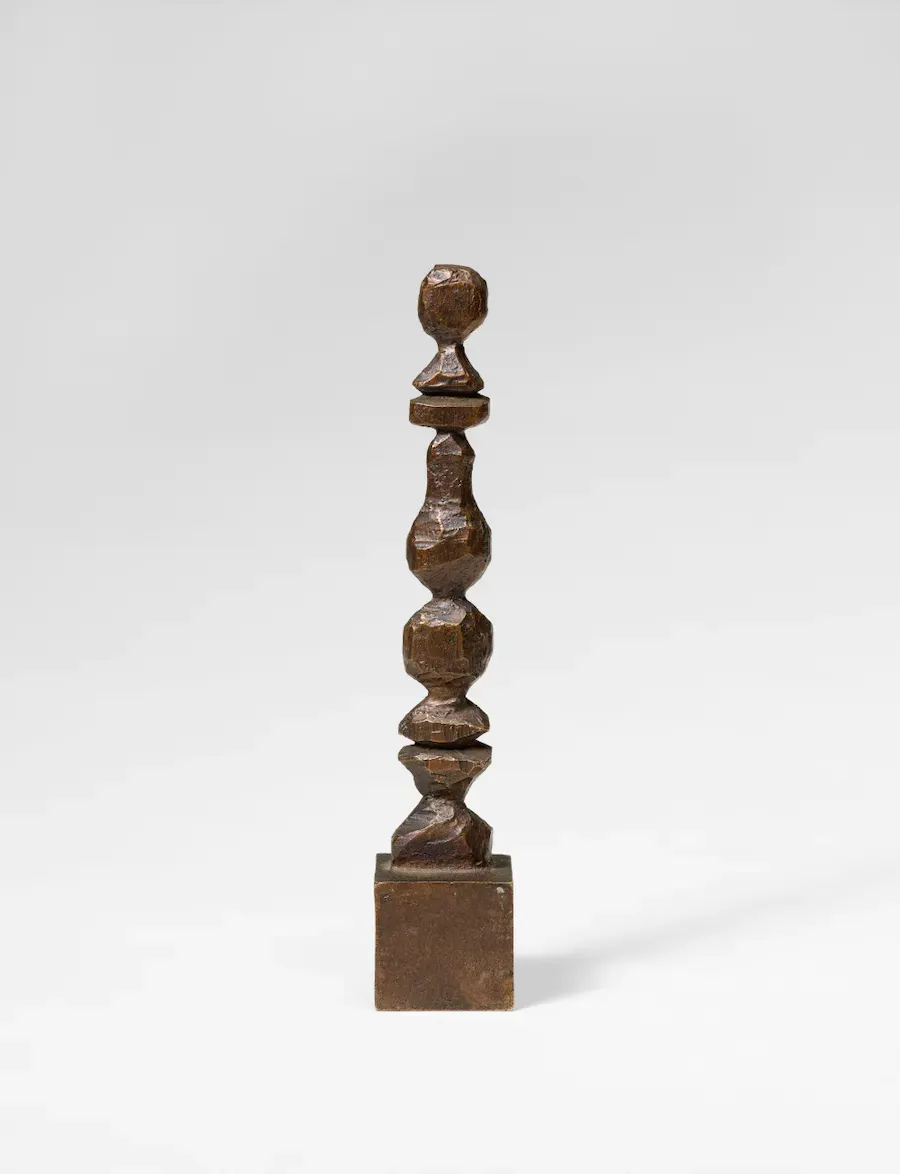
The differences with the government ultimately led to Penck's expatriation in 1980. He initially lived in Kerpen, Germany and London. He had his big breakthrough in the 1980s when he was counted as one of the Neue Wilden (Neo-Expressionist artists). In addition to being a painter and sculptor, he also excelled as a musician and performed with the band Triple Trip Touch (TTT). From 1988 to 2003, Penck held a professorship in painting at the Düsseldorf Art Academy. He then moved to the Irish capital Dublin. He died on 2 May 2017 in Zurich.
See also: Who is Yoshitomo Nara?
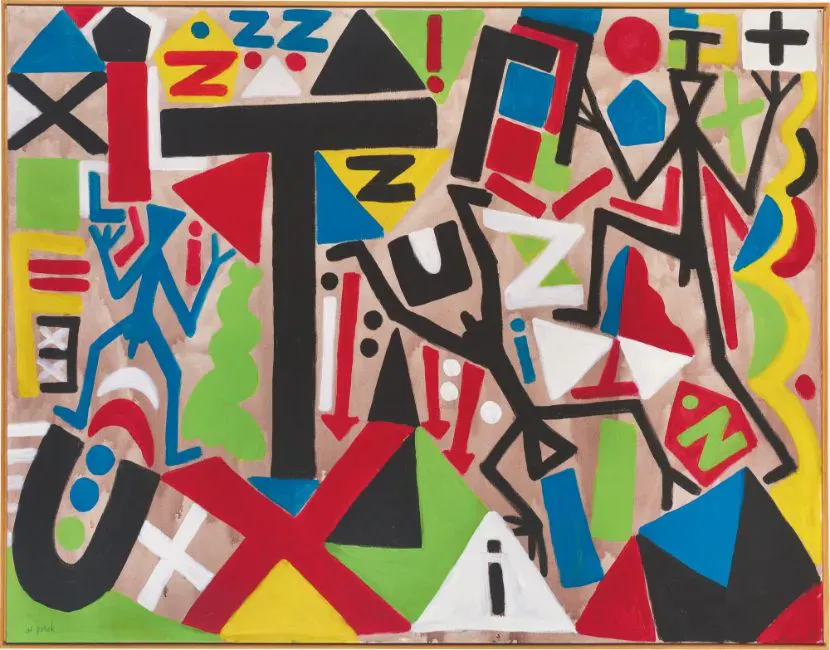
A.R. Penck's works are characterised by a clear formal language with stick figures and symbols. The images composed in this way can be recognised and understood directly by the viewer. In fact, some of the compositions are reminiscent of prehistoric cave paintings, which were (presumably) based on a similar principle.
Want more articles like this delivered straight to your inbox? Subscribe to our free newsletter!

Penck was a participant in documenta several times and was awarded international art prizes. His works are exhibited in museums such as the Hamburger Kunsthalle, the Frankfurter Städl, the Museum of Modern Art in New York and the Städtische Galerie Dresden. The latter museum has an extensive collection of A.R. Penck's works, which emerged from the collection of the Dresden gallerist Jürgen Schwebraden, who had been a major supporter of Penck since the 1970s.
Today, his works sell for hundreds of thousands of dollars at auction. His record was set in 2020 when his painting World of the Eagle I (1981) sold at Sotheby's in London for £531,000.