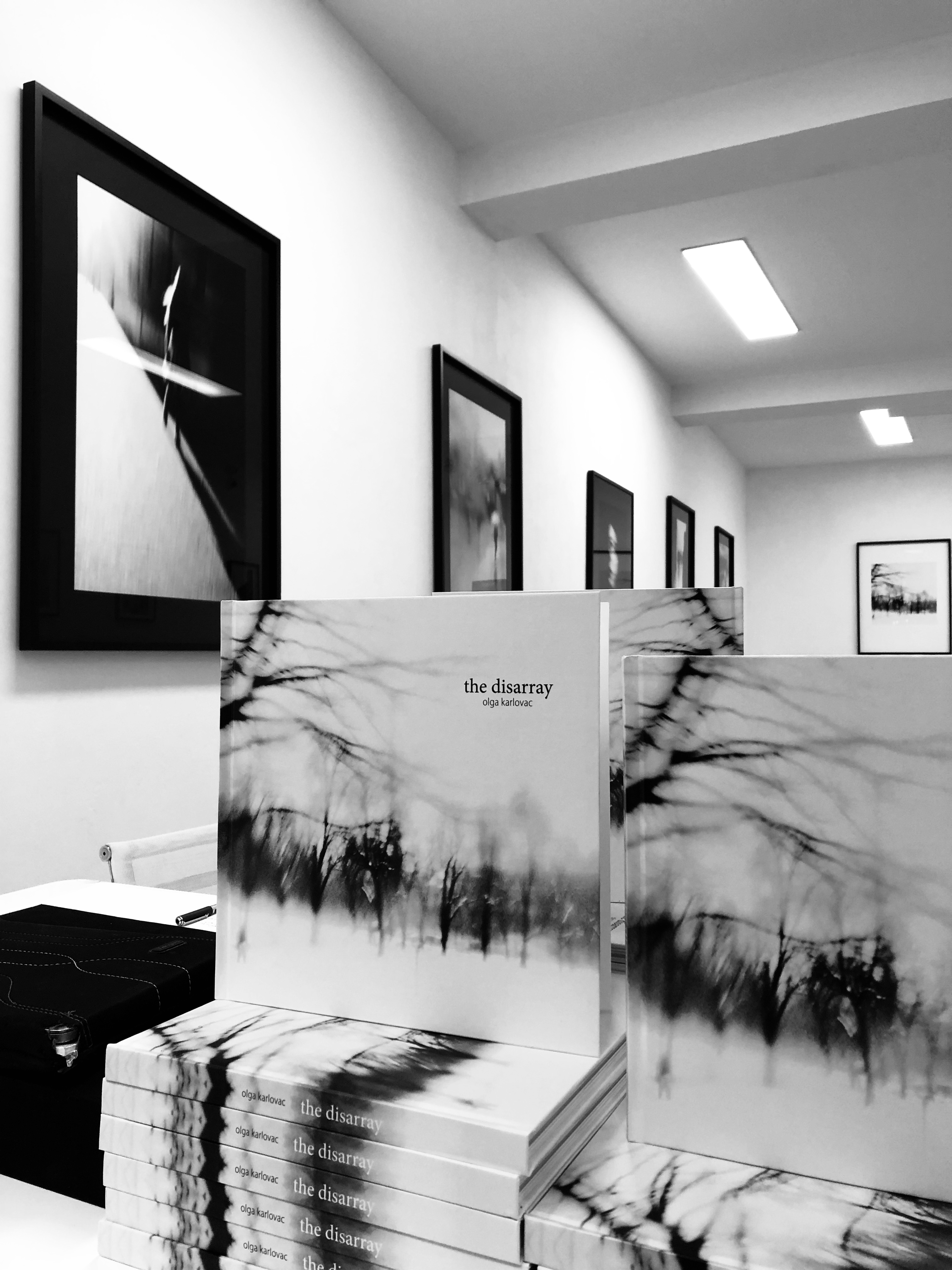
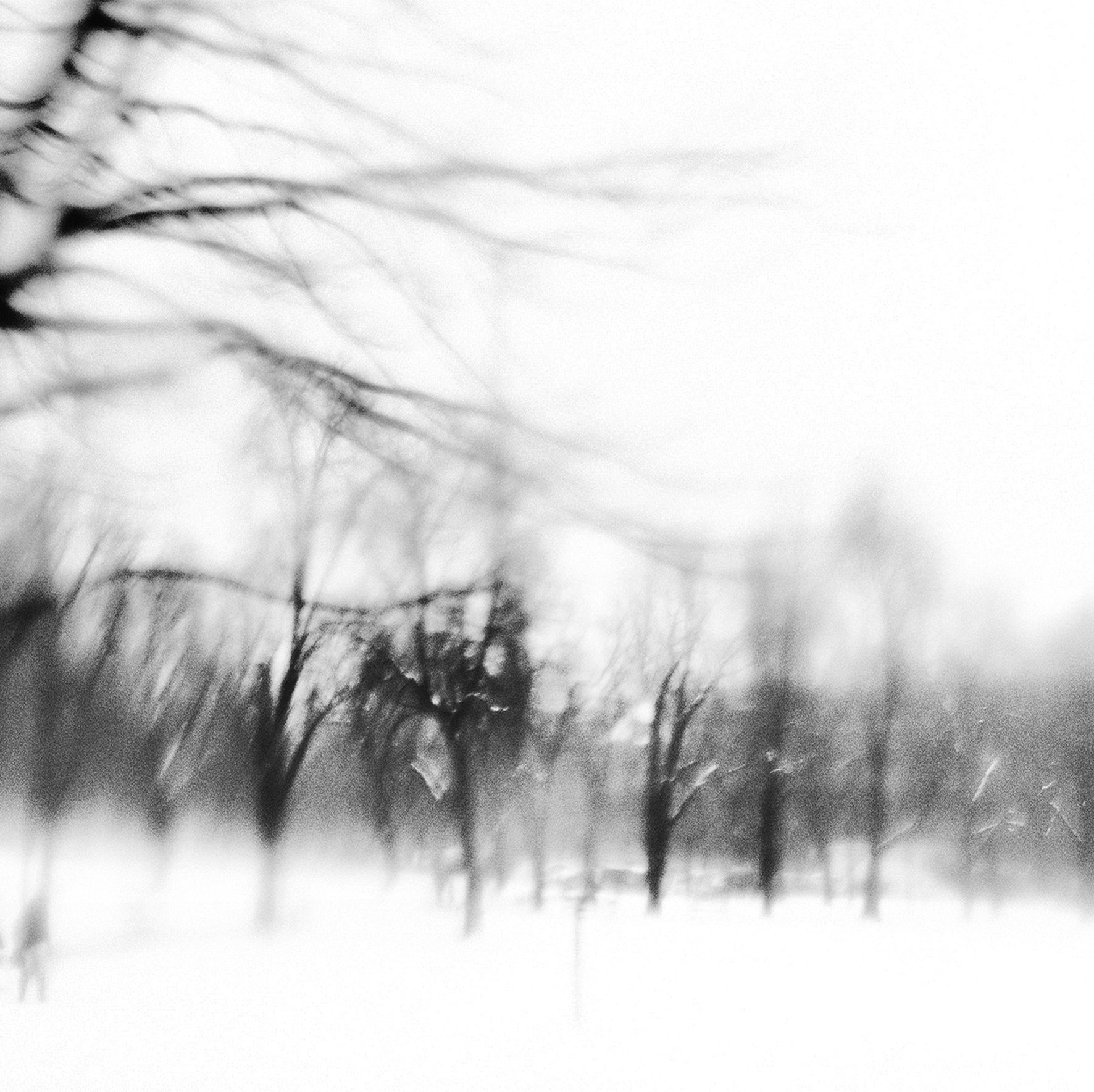
From 3-7 December 2019, the alluring and melancholic work of Croatian photographer Olga Karlovac (represented by ECAD Gallery; 117 Bellenden Road, Peckham, London SE15 4QY) came to London. Olga Karlovac: The Disarray was an exhibition at Bermondsey Project Space (185 Bermondsey Street, Bermondsey, London SE1 3UW), which coincided with the release of Olga Karlovac’s second public book, also titled The Disarray.
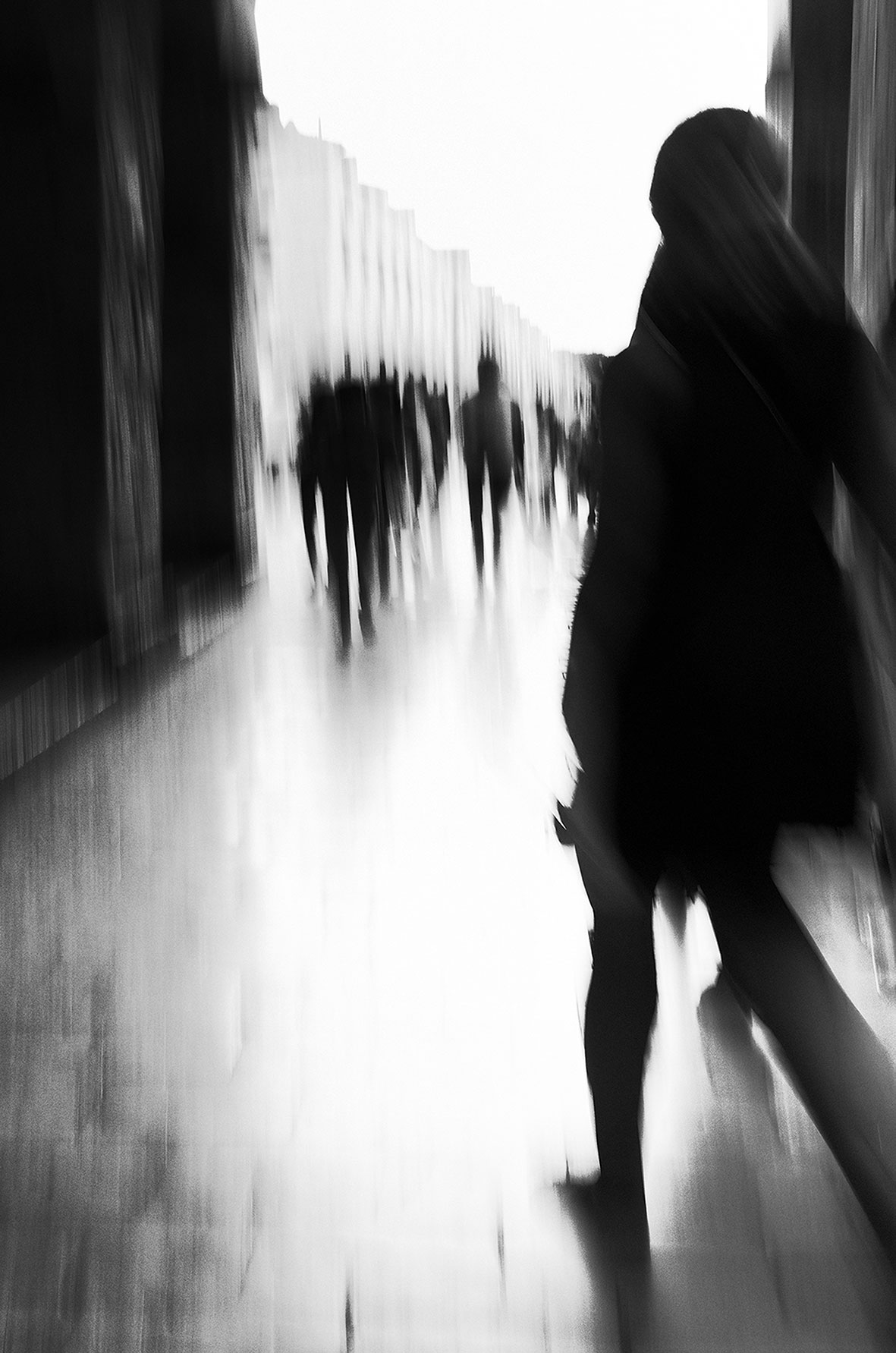
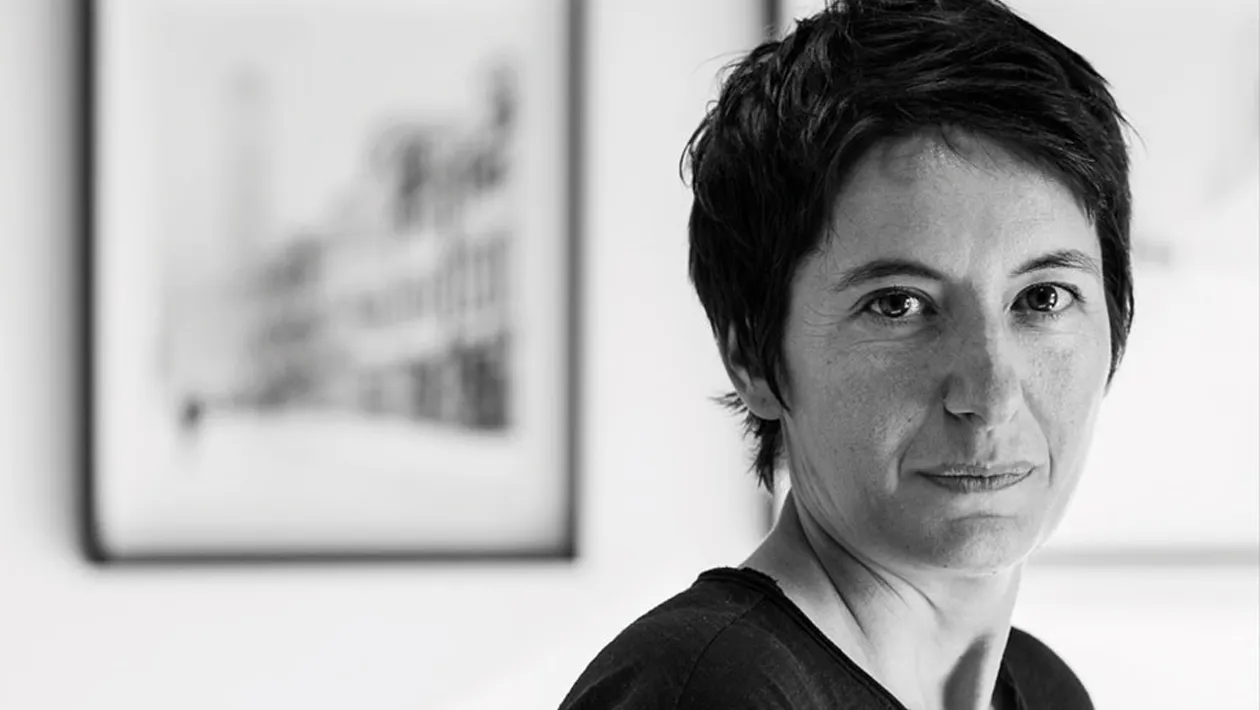
We recently sat down with Karlovac to discuss her practice and inspiration and choice of medium – namely, her exclusive use of black-and-white photography. Karlovac creates an atmospheric dream world within her luminous photographs, and we couldn’t help but try and make sense of her enchanting visual poetry:
Barnebys: You were born in Dubrovnik, Croatia and live in Zagreb. How do you see your country and culture influencing your work? Do you ever shoot when overseas?
Olga Karlovac: I guess it does influence my work, as everything that surrounds you simply impacts on things you do, how you feel and how you see things. Usually I need time to adjust to a certain place and get a feeling for it in order to start making my shots. So far, almost all of my shots have been done in Dubrovnik and Zagreb. Lately, I have also made a few in London and I might do a few more [there] in the future.
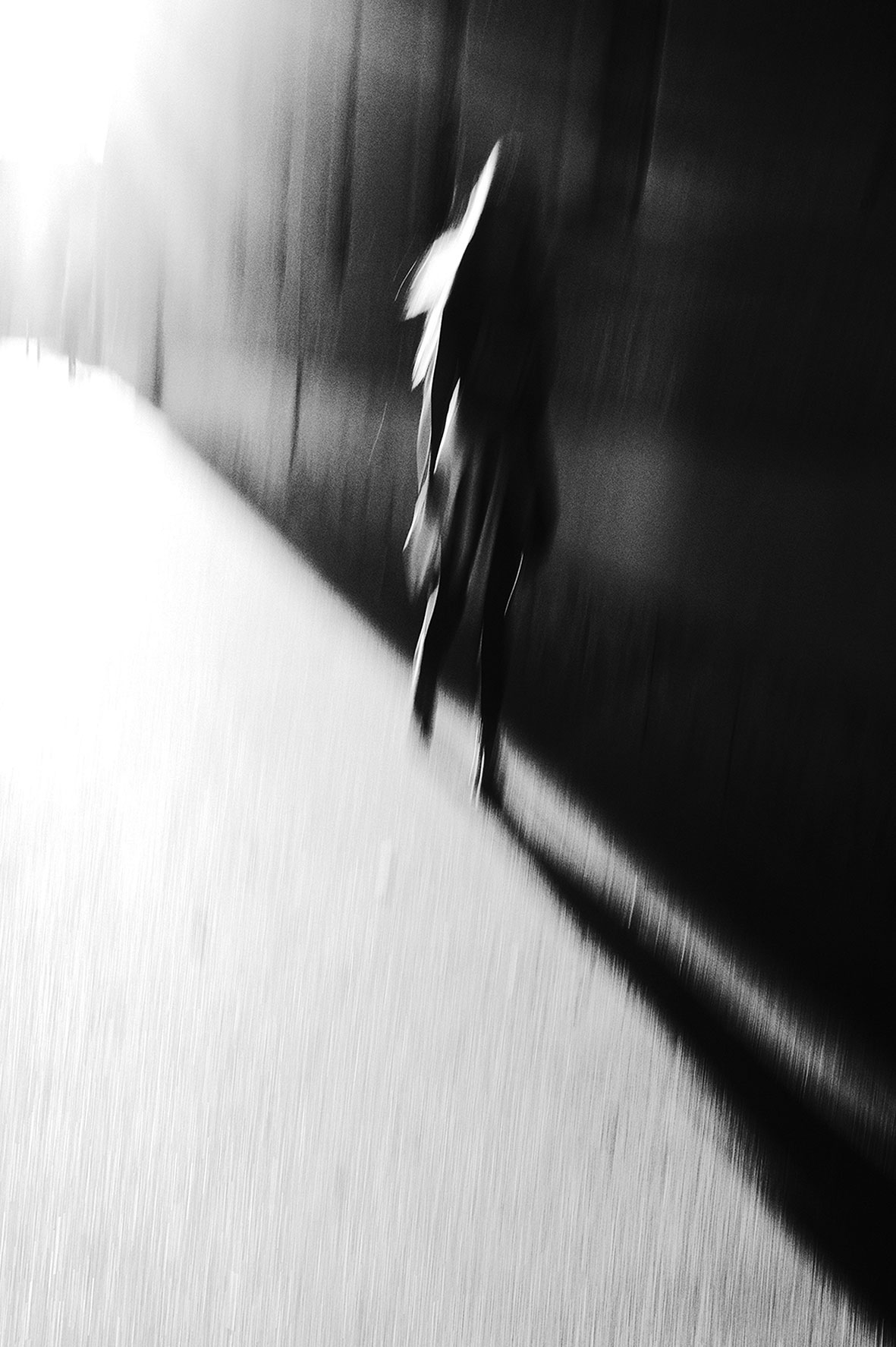
You shoot exclusively in black and white. You previously said this, “gives more strength and essence to photos”. In what way?
Yes, I shoot in black and white as I believe it suits my photography best and it is simply how I do it. I think it gives more strength and emotion to my photography. it is simple but strong.
What draws you to producing abstract works?
It is how I naturally shoot. It is the way I see things and the way I connect with them.
What are some of the photographers (or other artists) who have inspired you?
I mostly attach to certain pieces of work, such as photography books or bodies of work. I like the I, Tokyo book from Jacob aue Sobol. I also like the works of Jean François Campos, Half Life of Michael Ackerman, works of Antoine d Agata… I love writer Paul Auster as well.
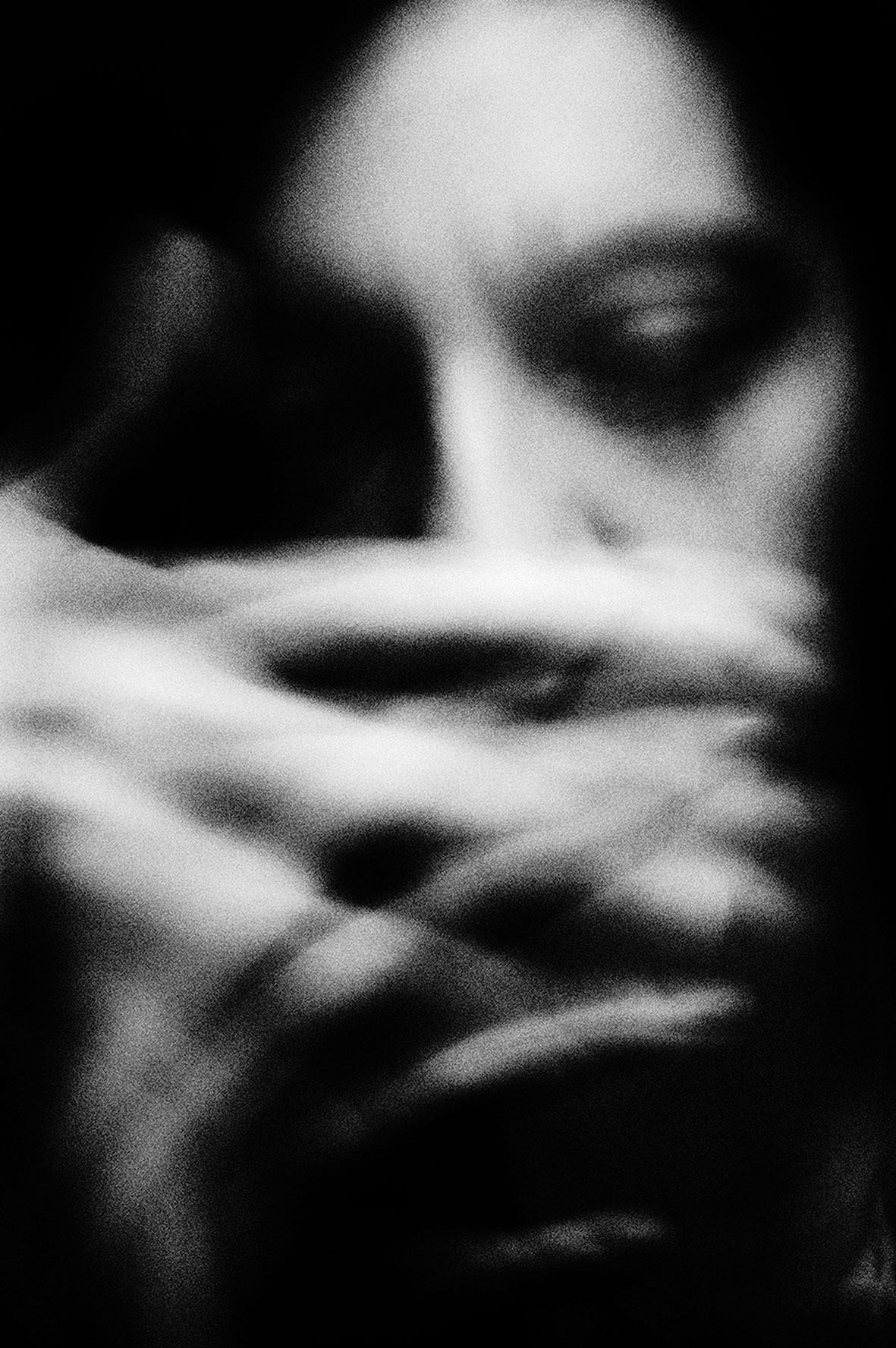
Your work can easily be described as ‘visual poetry’. Would you agree with that? How do you see your work?
Well, in a way I would. People do see [my work] as very emotive and poetic. For me, it is the way I do it: it is how my art turns out to be. I do not try to make it to look a certain way. It just happens to me… it is very intuitive and it represents the way I feel. As I go through life I make shots that later remind me of moments and are memories, frozen in time.
How does your love of reading influence your practice?
I think it influences my work a lot, as it simply affects me and therefore it affects everything I do. Reading evokes my imagination and intuition.
The photos in your recently-published book The Disarray are mysterious, with atmospheric beauty throughout. What else can you tell us about the theme and contents of your new book?
The Disarray represents a story, a part of my life reflected in abstraction through photographs put together in chapters with short texts I wrote specifically for each chapter.
The foreword was written by Richard Koci Hernandez, and it features an introduction by Gary Pozner, who wrote a beautiful composition ‘the Disarray’, inspired by my book.
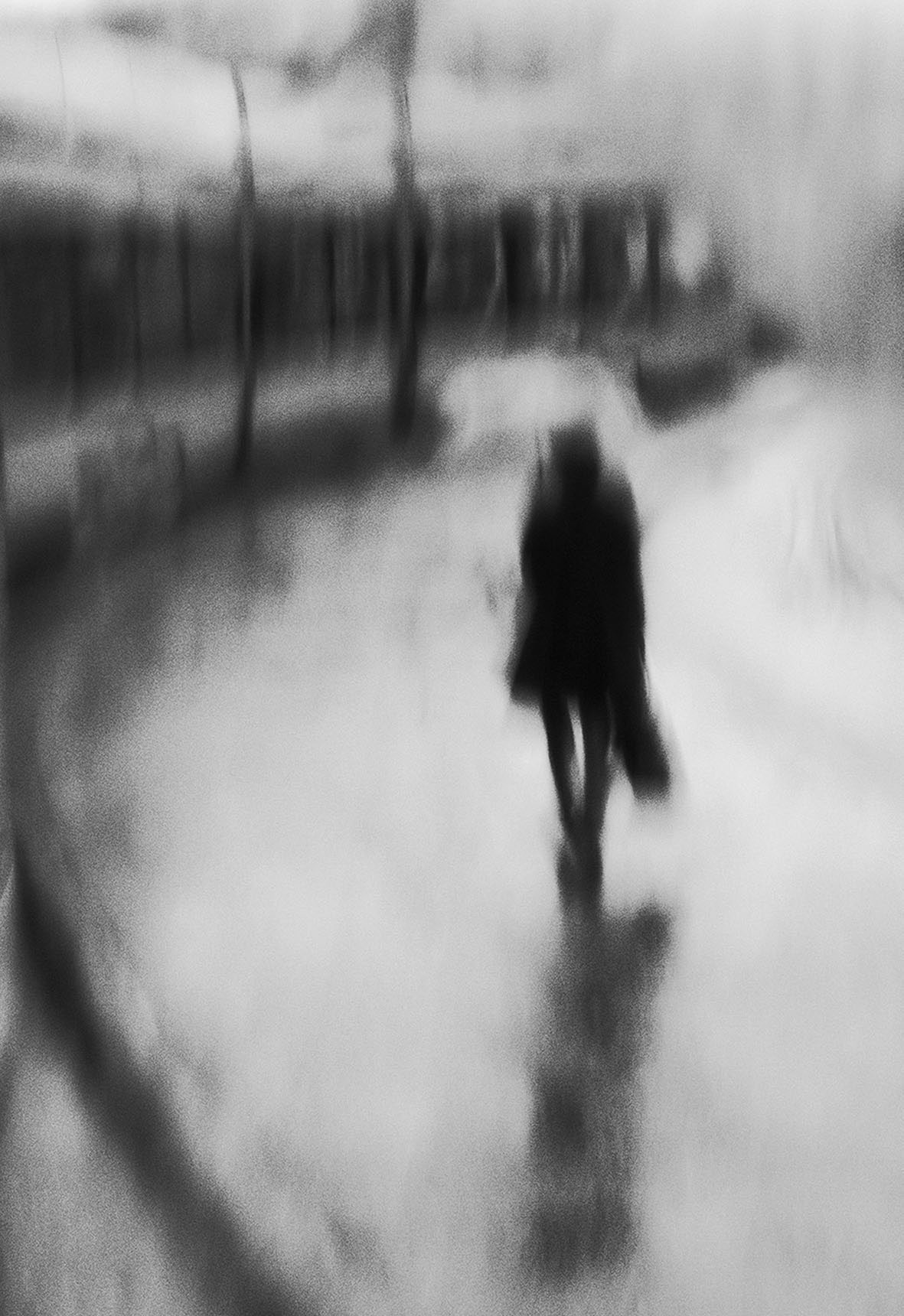
The Disarray is your second book to be published publicly (the previous being Before Winter). How does this book differ and where did the idea come from?
The Disarray is a continuity of my work, as all my books represent periods of my life, in an abstract way.
I remember when I was about to finish shooting for Before Winter, and I got ideas of how to continue that body of work. I consider Before Winter more contrasted, more black and white, whereas The Disarray is more shady, more greyish. I think The Disarray is a bit more abstract and maybe a bit more intuitive…
The Disarray was officially published and launched on 3 December, alongside your 3-7 December exhibition at Bermondsey Project Space. Can you give our readers a taste of what that entailed?
I self-published The Disarray in May of 2019 and I have been selling the book online. But we officially launched it at Bermondsey Project Space from the third until the seventh of December. We had a lovely opening show, with my dear friend and composer Gary Pozner performing his ‘the Disarray’ composition.
You’re represented by ECAD Gallery. How did this collaboration come about?
I have been collaborating with ECAD Gallery for more than two and a half years. The gallery director, Eugene Codjoe, loved my work. He saw it online and asked me if I wanted to exhibit at his gallery. Since then, we have been working closely together.
Do you have any forthcoming exhibitions planned at ECAD Gallery (or elsewhere)?
I have solo exhibition at ECAD gallery at the moment, which is a sequel event from my book launch at Bermondsey Project Space… In January 2020, I will be represented by ECAD Gallery at their stand at the London Art Fair (stand G02A). We’ve also planned a collaboration with POSK Gallery in Hammersmith, London and will bring my Disarray exhibition there sometime in early March 2020.