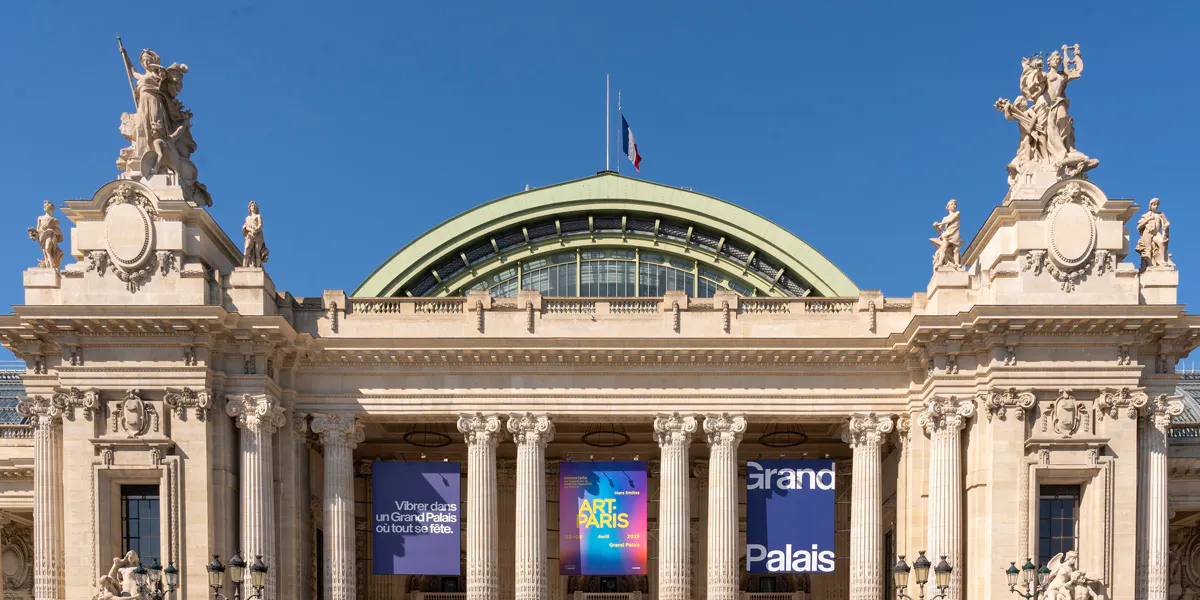
Under the glass canopy of the Grand Palais, Art Paris will return from 9–12 April 2026 for its 28th edition, bringing together more than 160 galleries from over 20 countries. Now firmly re-established in the historic venue, the spring fair has become a key meeting point between the French gallery ecosystem and an increasingly international market.
This year’s programme unfolds around two curated themes: Babel – Art and Language in France, conceived by curator Loïc Le Gall, and Reparation, an international thematic route curated by Alexia Fabre. Babel focuses on language and systems of signs in contemporary French art, while Reparation brings together artists exploring repair as both a material practice and a conceptual framework.
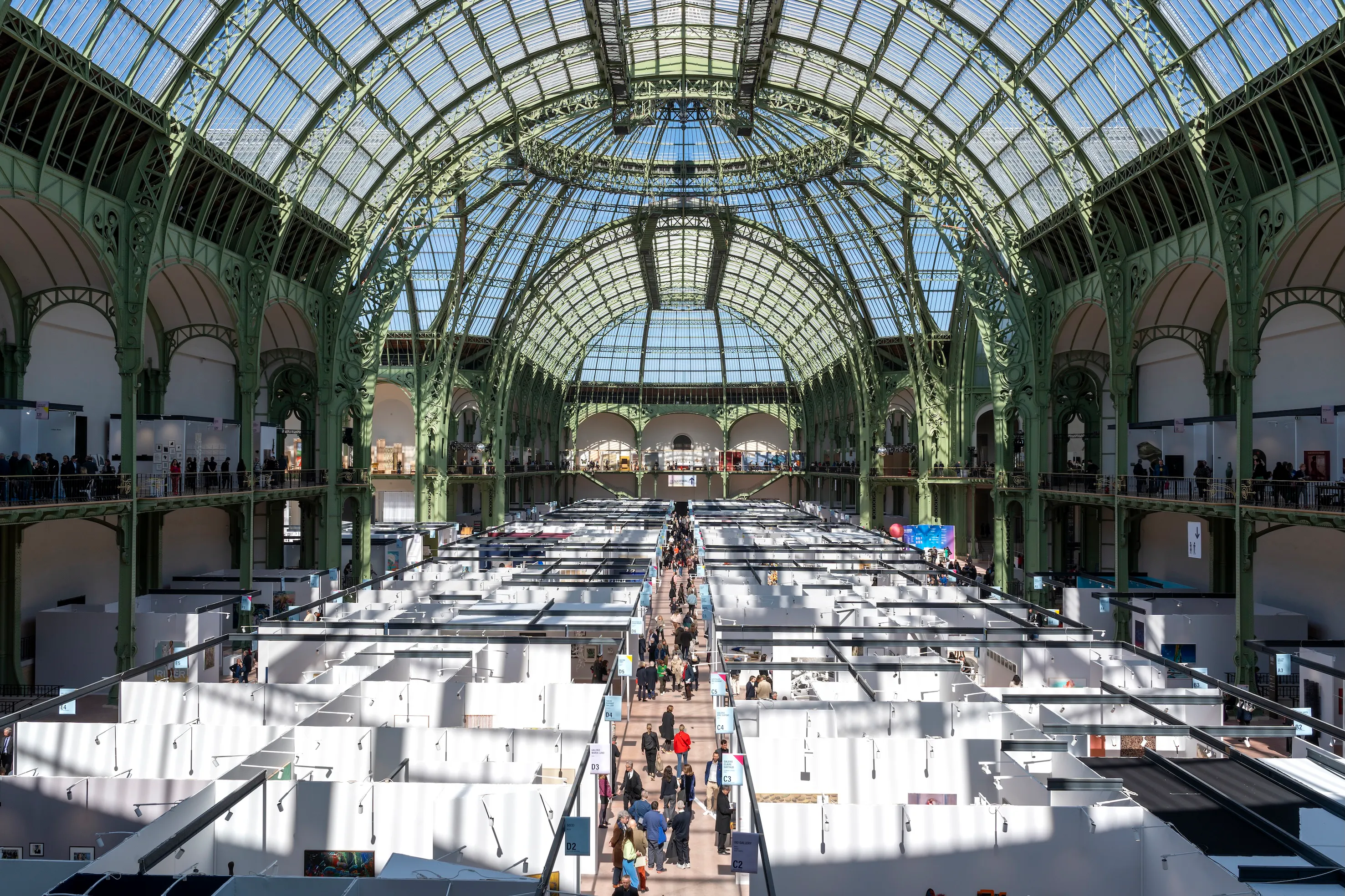
With French galleries accounting for roughly 60% of exhibitors and 40% international galleries, the selection reflects the fair’s dual identity: deeply anchored in the French scene while increasingly open to global perspectives. Nearly a third of participants are first-time exhibitors, a sign of the fair’s continued focus on discovery. With solo exhibitions, sections dedicated to emerging artists, conferences and three major prizes, Art Paris continues to develop its programme while remaining true to its identity.
Also taking place during Spring Art Week, the fair’s VIP off-site programme for invited collectors and art professionals extends beyond the Grand Palais with 33 events hosted by Parisian institutions across the city.
Reparation: Art as Care, Resistance and Continuity
At the centre of this year’s curatorial framework is the theme of Reparation. Conceived by Fabre, the project brings together around twenty international artists presented by participating galleries, each addressing the idea of repair from different historical and cultural perspectives.
Rather than focusing narrowly on restitution, Fabre approaches reparation as a broader set of practices. In artistic terms, repair can involve the preservation of objects, the reassembly of fragments or the reconsideration of narratives shaped by conflict, displacement or historical omission.
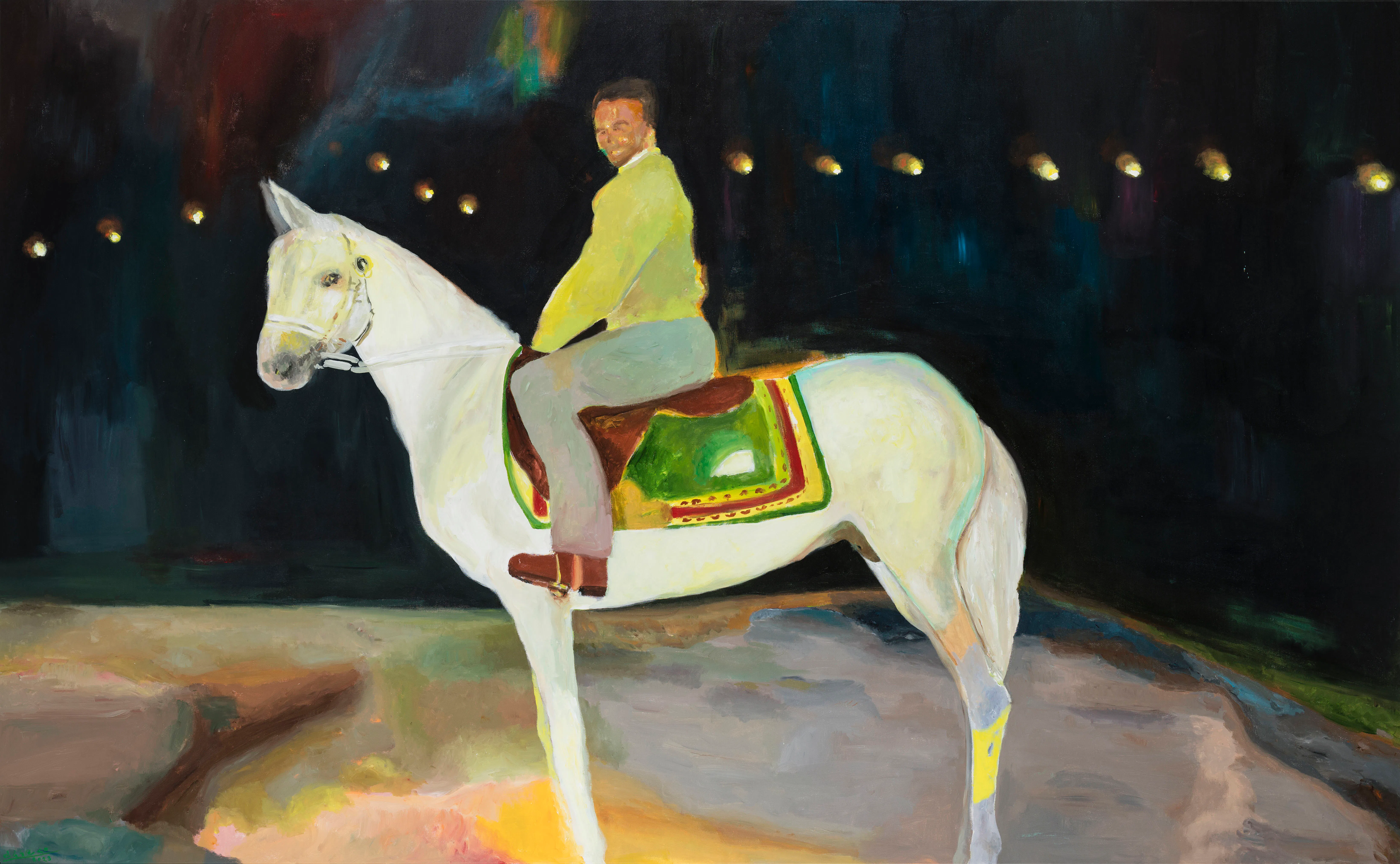
Across the works presented, reparation appears as both a material gesture and a conceptual strategy. It can take the form of restoration, reconstruction or reinterpretation, addressing themes that range from war and colonial histories to memory and cultural transmission.
Fabre frames reparation less as a return to an original state than as an ongoing process. In this sense, the concept highlights how artists engage with the past while proposing new forms and meanings in the present.
Promises: A Platform for the Next Generation
Along the southern balconies of the Grand Palais, the Promises sector once again offers a platform for young galleries and emerging artists. Overseen by art critic and independent curator Marc Donnadieu, the section is reserved for galleries established less than ten years ago.
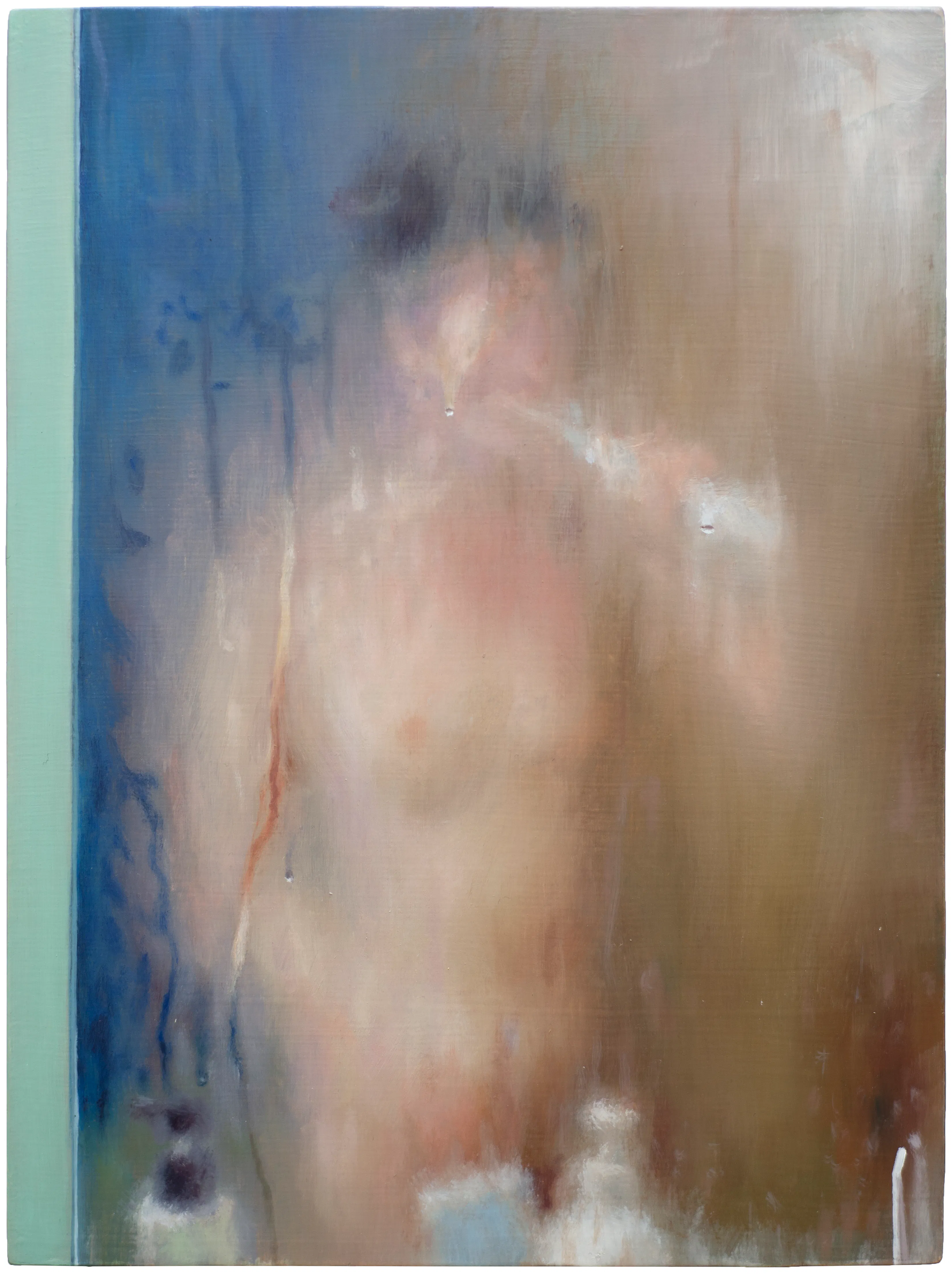
This year, 27 galleries will participate, half of them first-time exhibitors at the fair. While a majority are French, the selection also includes galleries from Australia, Belgium, Canada, Italy, Luxembourg, Morocco, Singapore and the United States.
Together they will present 56 artists, 55% of whom are women. Each gallery may showcase up to three artists, allowing for focused presentations that highlight emerging practices.
A Fair Balancing Discovery and International Dialogue
Beyond its thematic programme, Art Paris continues to build on a format that combines curated projects with a wide range of presentations across the fair. The Solo Show programme features 24 monographic exhibitions dedicated to modern, contemporary and emerging artists presented by participating galleries.
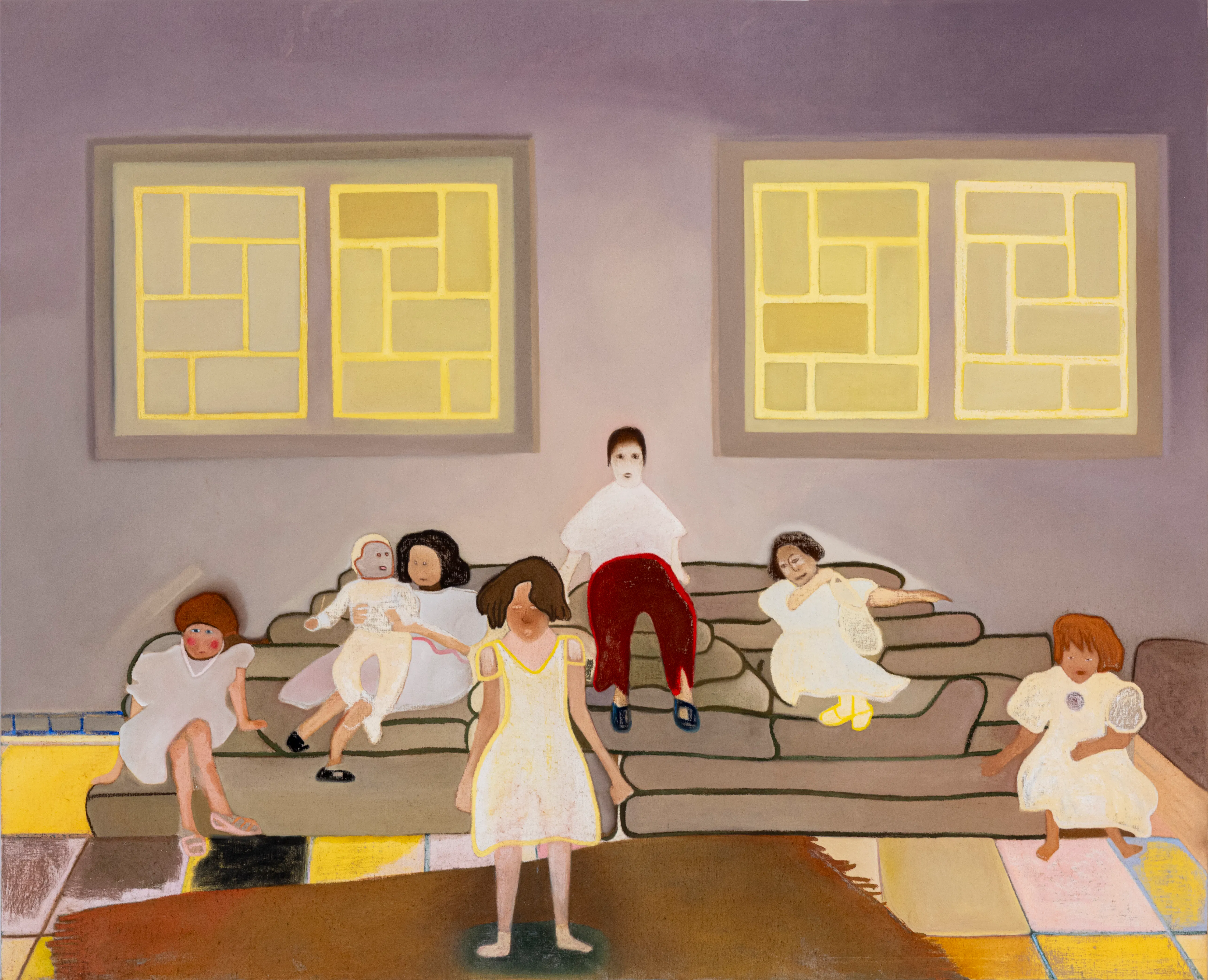
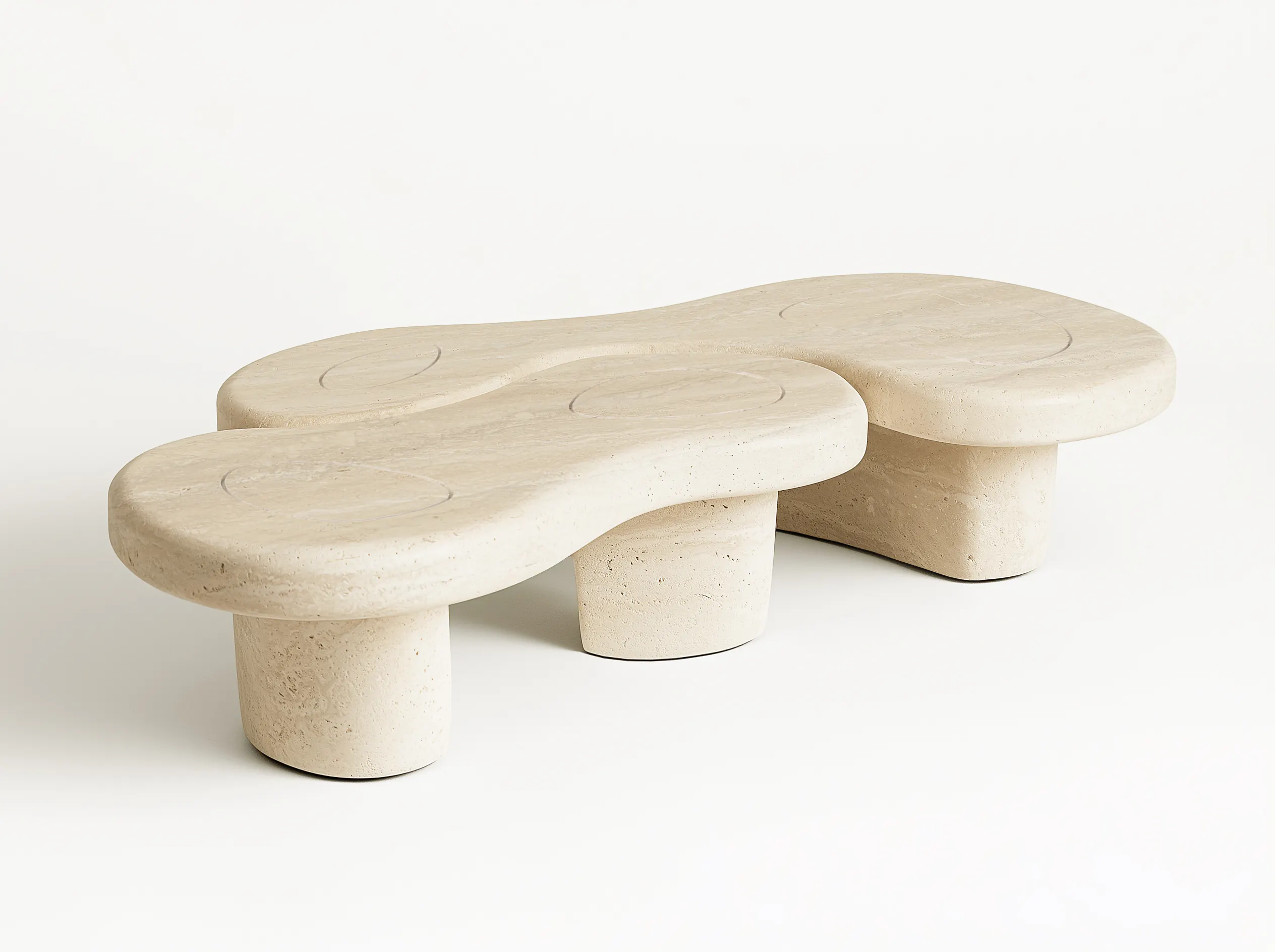
On the north balconies of the Grand Palais, the French Design Art Edition sector, curated by Jean Paul Bath and Sandy Saad in collaboration with Le FRENCH DESIGN, returns following its debut in 2025, presenting collectible design and interior architecture pieces in unique or limited editions.
Institutional programming also forms part of the fair’s programme, including a presentation drawn from the Fonds d’art contemporain – Paris Collections, which examines colonial legacies within twentieth-century cultural institutions through works by artists from Africa, the Caribbean and South America.
The fair will also host three major prizes: A Look at the French Scene, awarded by BNP Paribas; the Her Art Prize, presented with Marie Claire and Boucheron; and the FRENCH DESIGN 100 Award, recognising projects in interior architecture and design.
Art Paris will take place from 9–12 April at the Grand Palais, continuing its role as a spring platform for both established galleries and emerging voices within the European art calendar.
The program and information about the event can be found on the Art Paris website.