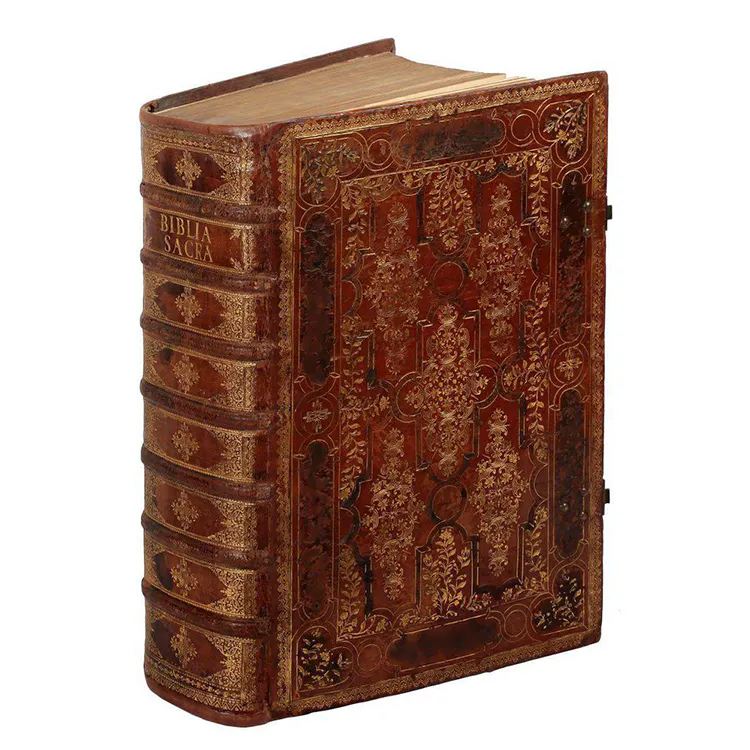
Buyers at auction are accustomed to relying on the Internet. Searching catalogues, placing bids, making payment and organising delivery are, on a good day, typically done digitally.
While, given the circumstances surrounding COVID-19, there are reasonable concerns regarding buyers’ interest and ability to make payment as jobs are threatened, the general consensus seems to be that the current situation and lockdown period are short-term: those with disposable incomes are still spending large. Perhaps, with this extra time spent at home, typical shoppers also have more time to pore over catalogues and envisage household makeovers. As a result, some auction houses across the UK are seeing some of their best sales yet. The key ingredient amongst these houses' successes? Digital.
James Rylands, Director of Summers Place Auctions, specialists in garden statuary and natural history, says: “When we look back on the present corona crisis there is no doubt that the increasing importance of having a digital presence will be even more apparent. The fact that with a bit of lateral thinking and technical know-how, we could largely process [our] entire sale remotely shows how radically different working patterns are going to be when this crisis is over…”
Summers Place Auctions was set to hold their Home and Garden auction on 24 March with a sealed bid auction closing on 25 March. However, UK Prime Minister Boris Johnson made the lockdown announcement the evening before the auction.
See also: A Record Auction, Booming Sales and Positive Signs, Thanks to Digital
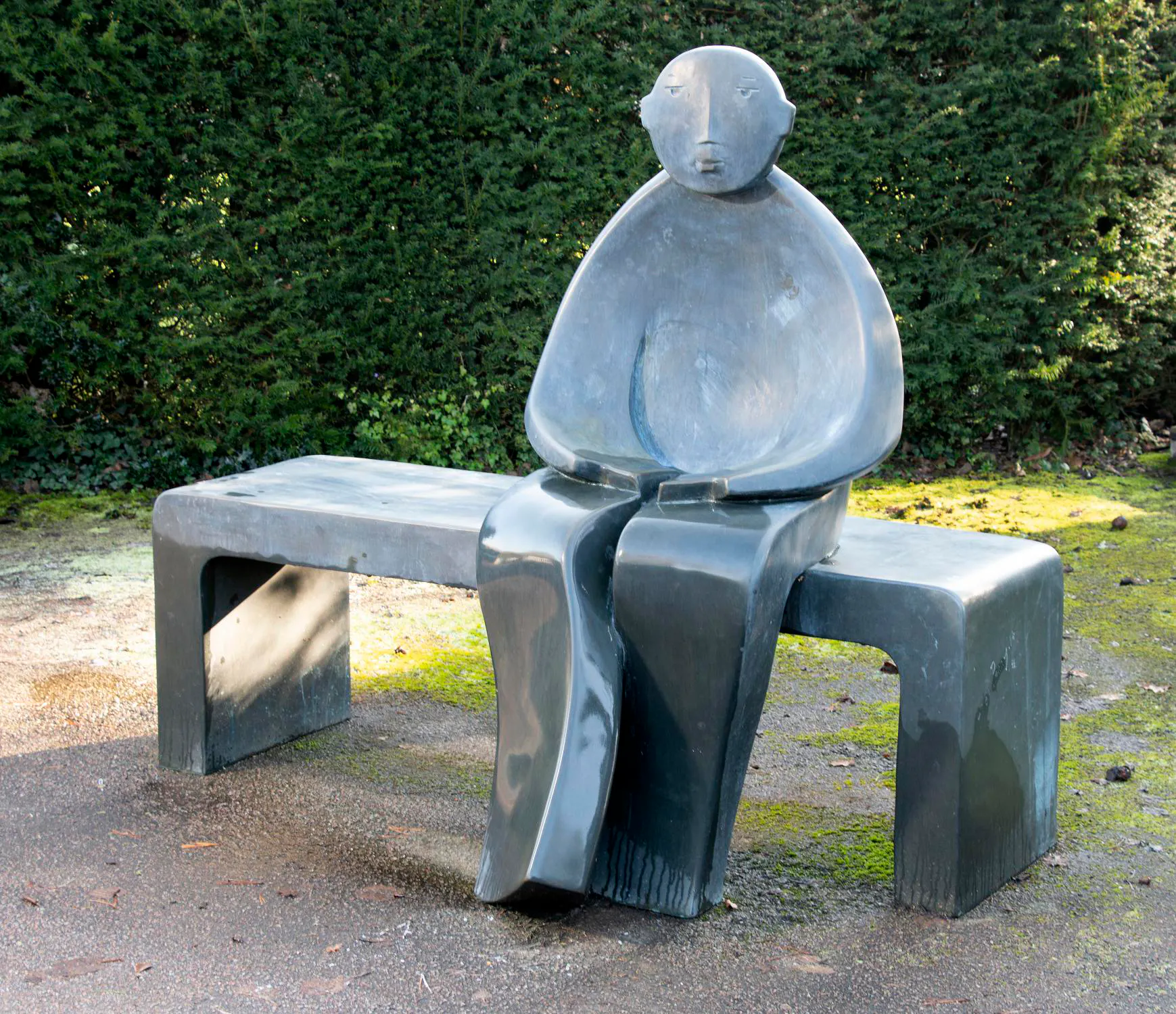
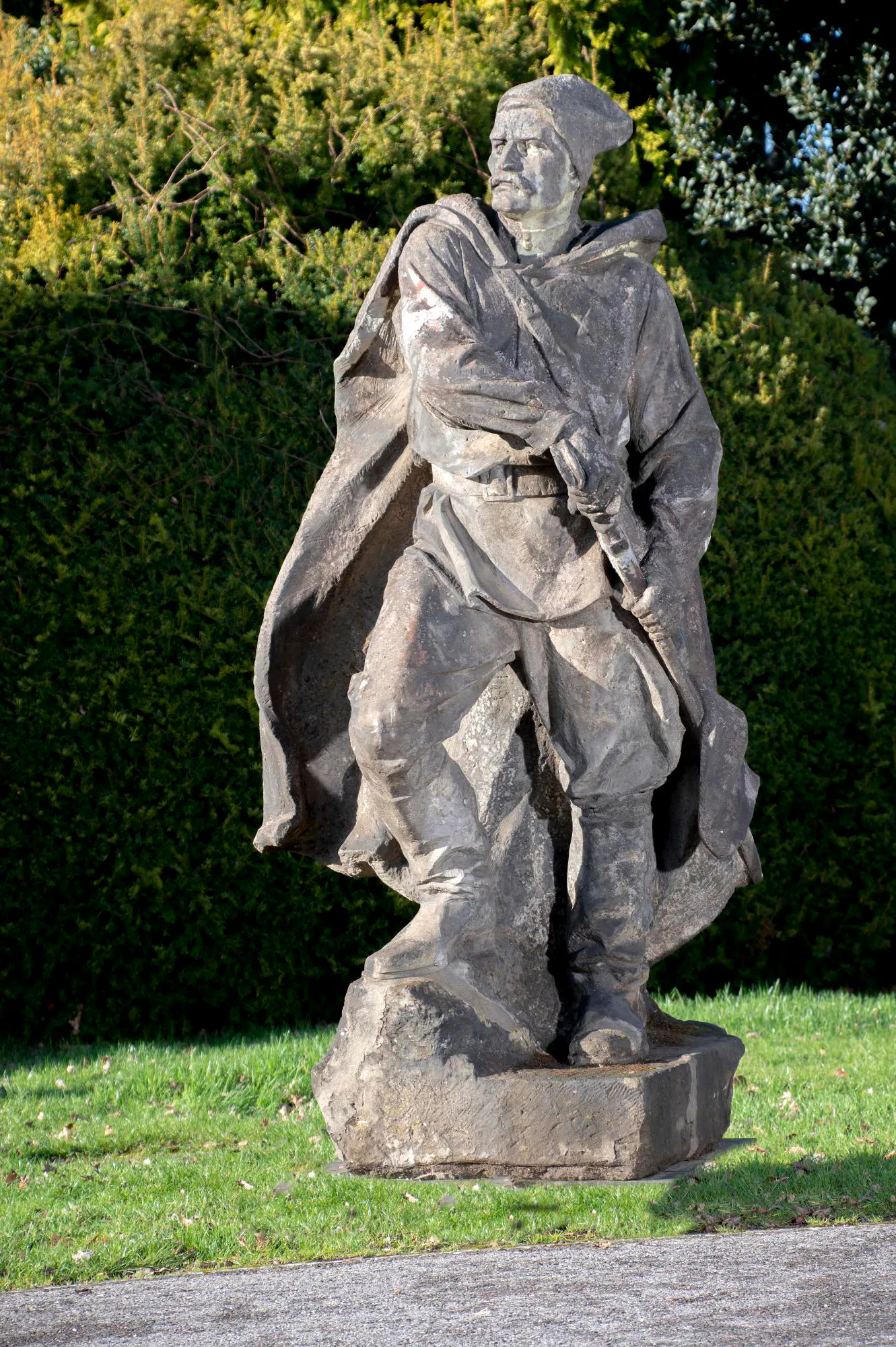
The Summers Place team quickly jumped into action. They contacted their clients and registered bidders, closed the gallery to the public, and used only a few key staff for the sale, who were spaced out across their ample 5000 sq ft gallery space. And the auctions were a success. Their Camden Bronze Friezes sold for £55,000 against a pre-sale estimate of £24,800-38,000, a carved white marble Medici urn achieved £7,500 against £2,000-4,000, a monumental carved sandstone figure of Vasily Ivanovich Chapaev, hero of the Russian Revolution, fetched £29,000 against a lower estimate of £25,000, and two John Cox American Eagle sculptures sold for £11,000 each, almost double their low £6,000 estimates.
Rylands comments on the sale: “We saw about 25% more bids than we usually would… we sell almost exclusively to private clients rather than the trade, and about 70% of our buyers in this sale were from overseas, which is about 5-10% more than usual.”
Although their West Sussex site has 6 acres of landscaped gardens, Rylands adds, “We sold over 95% of this sale to clients who didn’t view the sale, and with videos of many of the lots on our website clients can get a better idea of what they are buying than from a hard copy of the catalogue.”
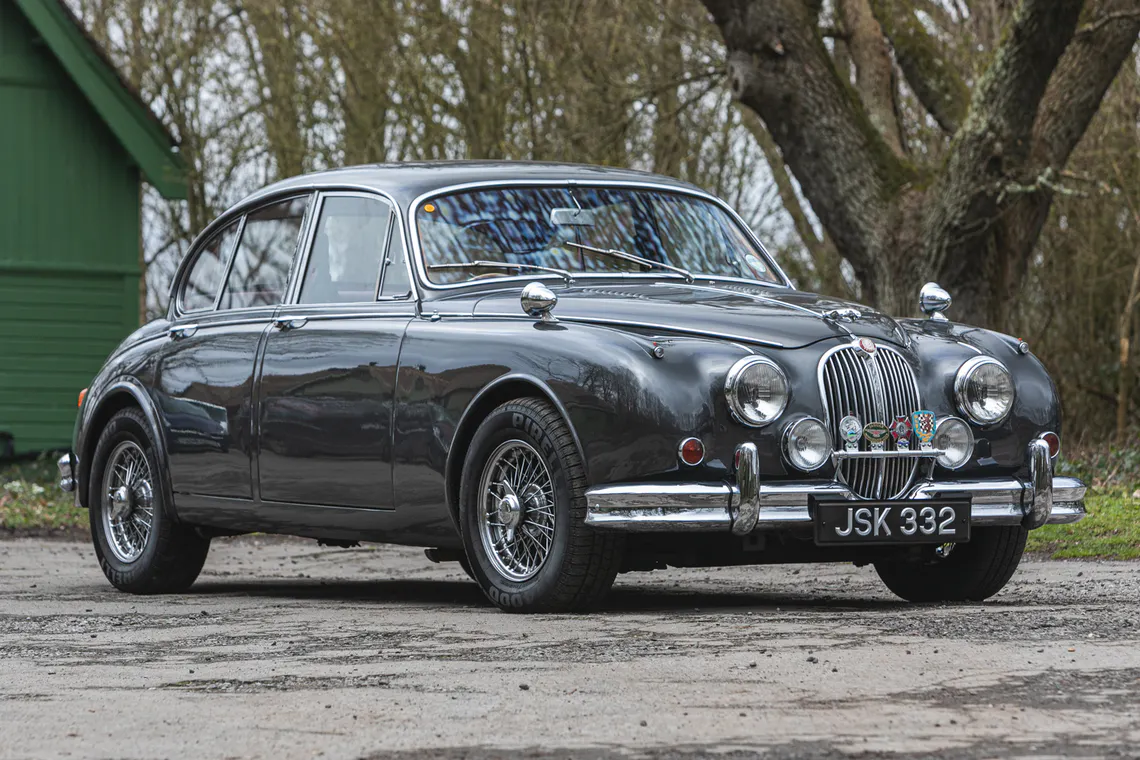
Classic Car Auctions found themselves in a similar position. Their March Classic Car auction was set to be their highlight sale of the year, taking place over 28-29 March at NEC’s Practical Classics Classic Car & Restoration Show. As the official auction partner of the popular automotive event for several years now, this event wasn’t meant to be any different for the auction house. However, the ongoing threat of COVID-19 forced them, like many others, to postpone. Then, as the threat continued to increase, they made the switch to an online timed sale over 16 days (set to close on 12 April), offering a selection of lots per day so that customers could adapt to this new way of bidding, and with more photos, video content and direct contact details available for viewing.
See also: How Does COVID-19 Affect the Auction Industry?

The auction house comments, “The catalogue of cars we had for the March sale was one of our best; we wanted to do what we could by our vendors and still bring the fantastic selection of cars to market; offering an online-only solution meant we could still do this but in a safe and responsible way.”
When asked if they were still finding interest in the auction, they replied, “Absolutely!... We are thrilled with the interest level and number of registered bidders. We have had global interest and we have registered bidders from 22 countries, including the UK. We believe that the quality of cars offered means that buyers don’t want to miss out.”

Chelsea, London house Lots Road Auctions was supposed to host their Fine Sale on 22 March but, due to the circumstances, have had to pushed it out to 5 April. The auction houses comments that, although they won’t be having as many physical visitors as usual, fortunately they have always had a lot of online buyers in the past, so can continue virtually as normal.
One member of the auction house also said that they were getting more online traffic than usual: “I believe that it is extremely important that all auction houses maintain an online presence at this time, as more and more of our buyers (and sellers) are operating online.”
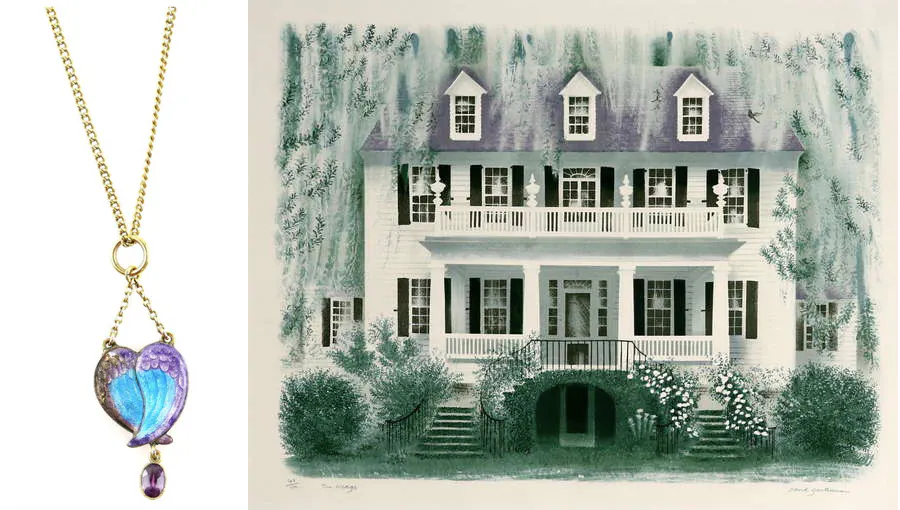
Ewbank’s is also hosting online-only auctions, their Decorative Arts and Contemporary Art & Modern British Painting sales set to take place on 9 April and Jewellery & Watches on 29 April. After the government directive, the Surrey house also hosted an online-only coin auction on 27 March that saw considerable success: a historic sovereign collection sold for £3,770 and five uncirculated United Kingdom gold five pounds from varying years sold for £1,560 each.
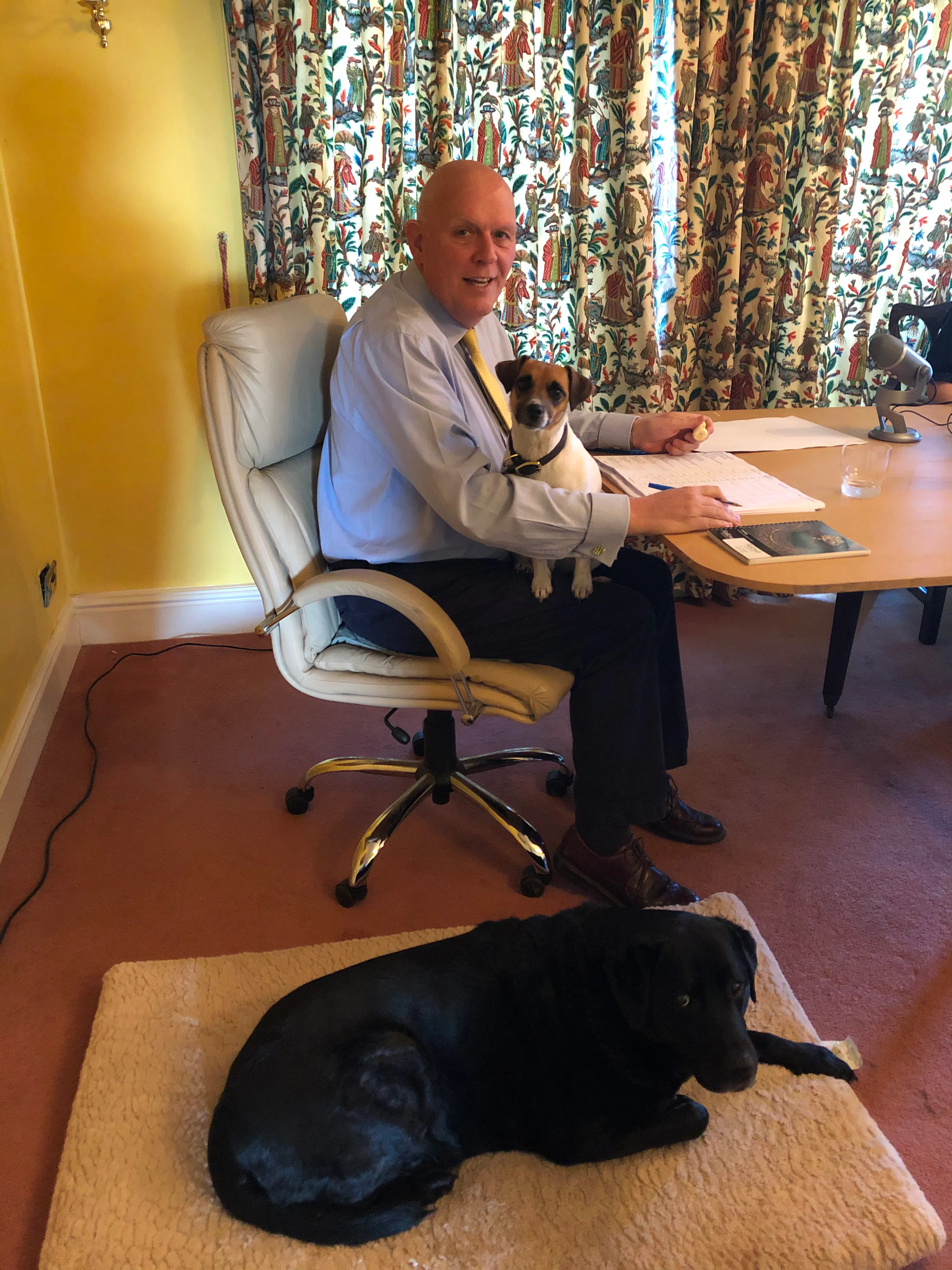
Tales of strong sales don’t end here: Fellows Auctioneers’ Jewellery Auction, which took place amidst the lockdown on 26 March, achieved a hammer total of £210,000 – more than their February Jewellery auction. Their auction lasted seven hours, with only one 15 minute break, and was a complete family affair, with Managing Director Stephen Whittaker as auctioneer, twin daughters Alexandra and Nicola Whittaker running the bidding platforms, and Jayne Whittaker (formerly Jayne Fellows) all clerking from the Whittaker family home in rural Shropshire.
See also: Sotheby’s New Weekly Online Auctions Add Flavour
Whittaker comments, “[It] was a first for Fellows Auctioneers in that we held a jewellery auction from home… Luckily for us, we have significantly embraced the use of technology in the intervening years.”
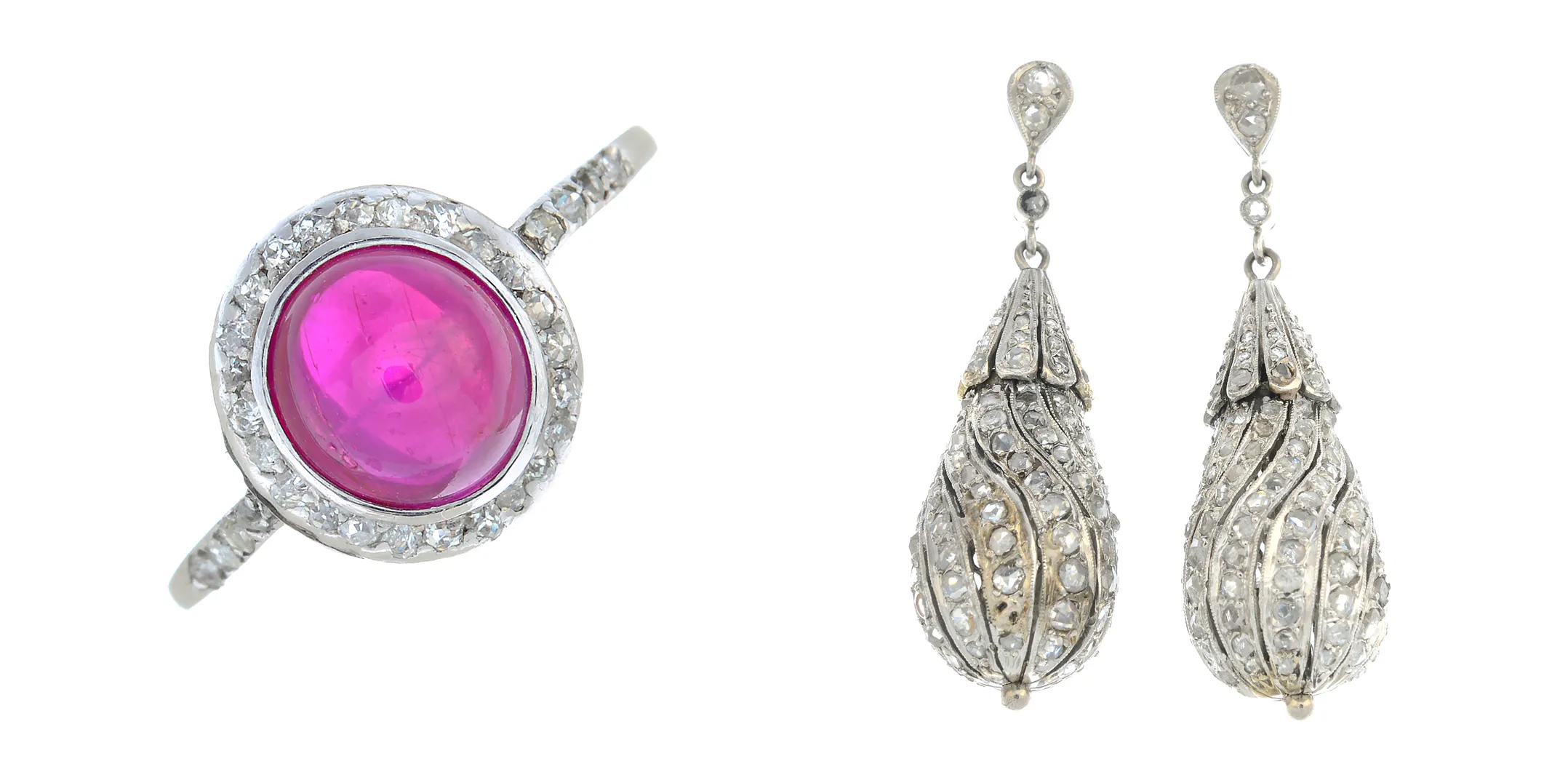
Highlights from their Jewellery auction include a Burmese ruby cabochon and old-cut diamond cluster ring which achieved £944.24 against £250-350, a pair of rose-cut diamond earrings for £1,914 against £400-600, a 18ct gold diamond and gem-set musical bar brooch for £561.44 against £120-180, a pair of cabochon ruby and brilliant-cut diamond cluster earrings for £944.24 against £300-400, a 'Bone' cuff bangle by Elsa Peretti for Tiffany & Co for £740.08 against £200-300, and a mid-20th-century platinum single-cut diamond bracelet for £1,658.80 against £500-600.
The sale followed a trio of successful auctions at Fellows in recent weeks, which demonstrates that the appetite for stunning jewellery remains high amongst buyers. A statement from Fellows said, “Buyers at Fellows have become accustomed to securing their desired items over the internet, this auction was no different… The Fellows “family” worked hard to ensure that all government guidelines were observed, using technology and years of experience to continue to offer a professional auction experience to their bidders.”
Many more auction houses are switching their focus to digital. It’s simply a matter of time until the rest of the world joins them.