
This is an updated version of an article originally published on 1 April 2019
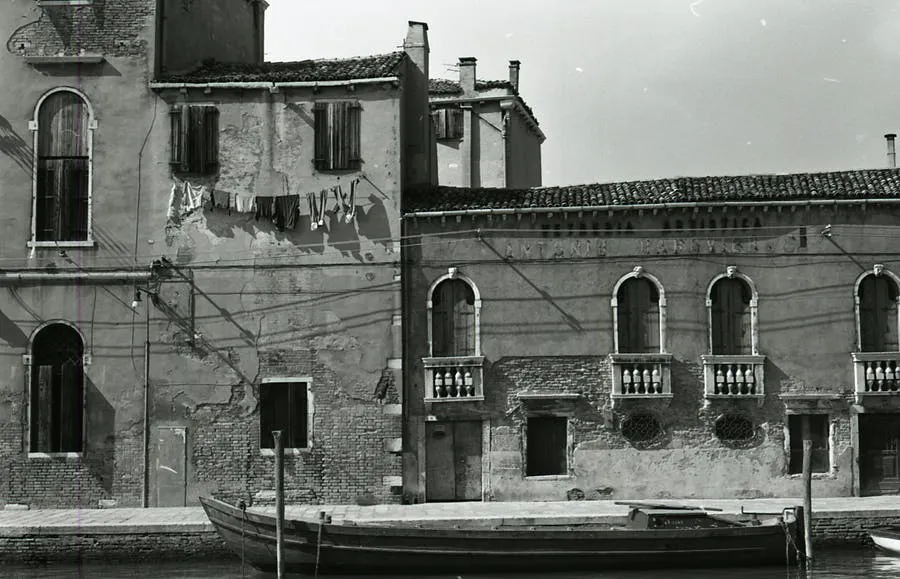
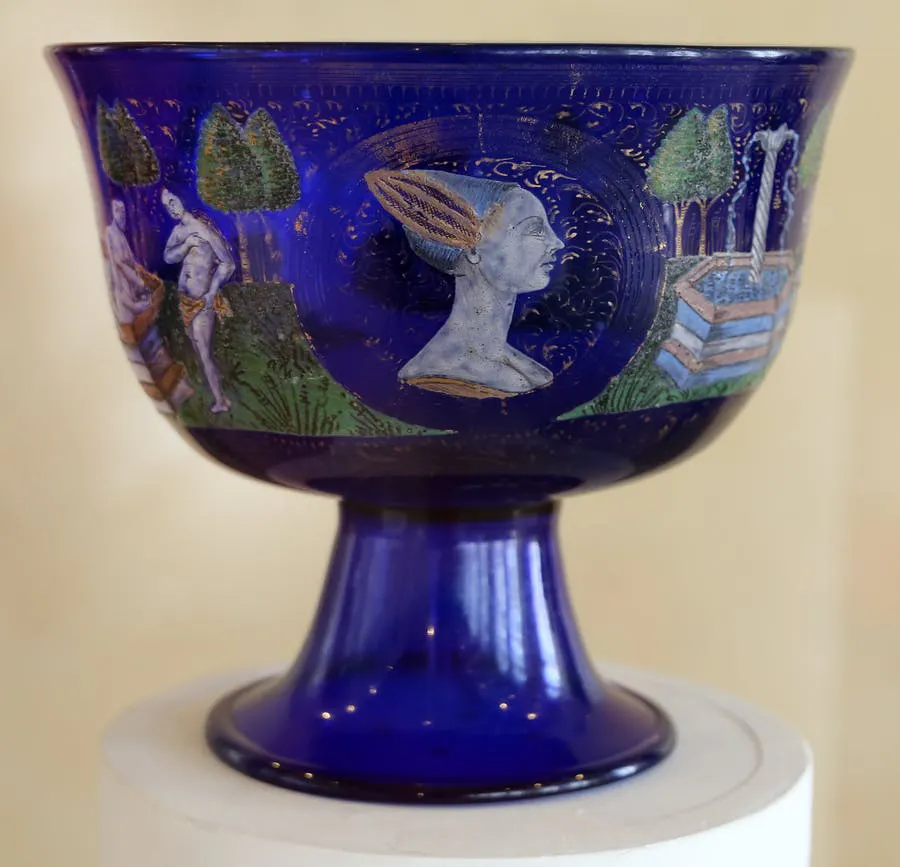
Jacobello Barovier, born in 1295, was the patriarch of the Barovier family, and his two sons, Antonio and Bartolomeo, became glassmakers starting in 1348, an occupation that the family continued for centuries on Murano, the glassmaker's island in Venice. During the Renaissance, Angelo Barovier became one of the most important glass pioneers by developing cristallo glass (glass that is completely clear, colourless and transparent).
See also: How the Medici Family Influenced Renaissance Florence
However, the more modern history of the Barovier family, as well as its contribution to the world of glassmaking up to the present day, is closely intertwined with the complex situation in Venice in the nineteenth century. Napoleon captured Venice in 1797 and from 1814 to 1866, the City of the Doges was under the occupation of the Austro-Hungarian Empire, which attempted to stop the production of glass on the island of Murano by imposing high tariffs, leading to its decline. However, this mission failed to expunge the centuries of Barovier glass-making knowledge.
After Venice's liberation in 1866, the city was reallocated to the Kingdom of Italy, and the craft of Murano glass was gradually reborn from the ashes, thanks to the contribution of Dottore Antonio Salviati, a lawyer from Vicenza. He opened his glass factory in 1859 and started mass-producing glassworks, shifting it from a commodity only accessible to the very wealthy to everyday items available to all citizens. Murano again became the epicentre of glass production. Salviati and his partners strongly encouraged the best glassmakers to rediscover forgotten techniques.
See also: Venini: Glass and Light
The brothers Benedetto, Benvenuto and Giuseppe Barovier began working for Salviati alongside their father in the 19th century, and it is the young Giuseppe, who with his fine sense of aesthetics and outstanding technique, quickly distinguished himself from others.
See also: Tiffany Glass: Art Nouveau Illuminated
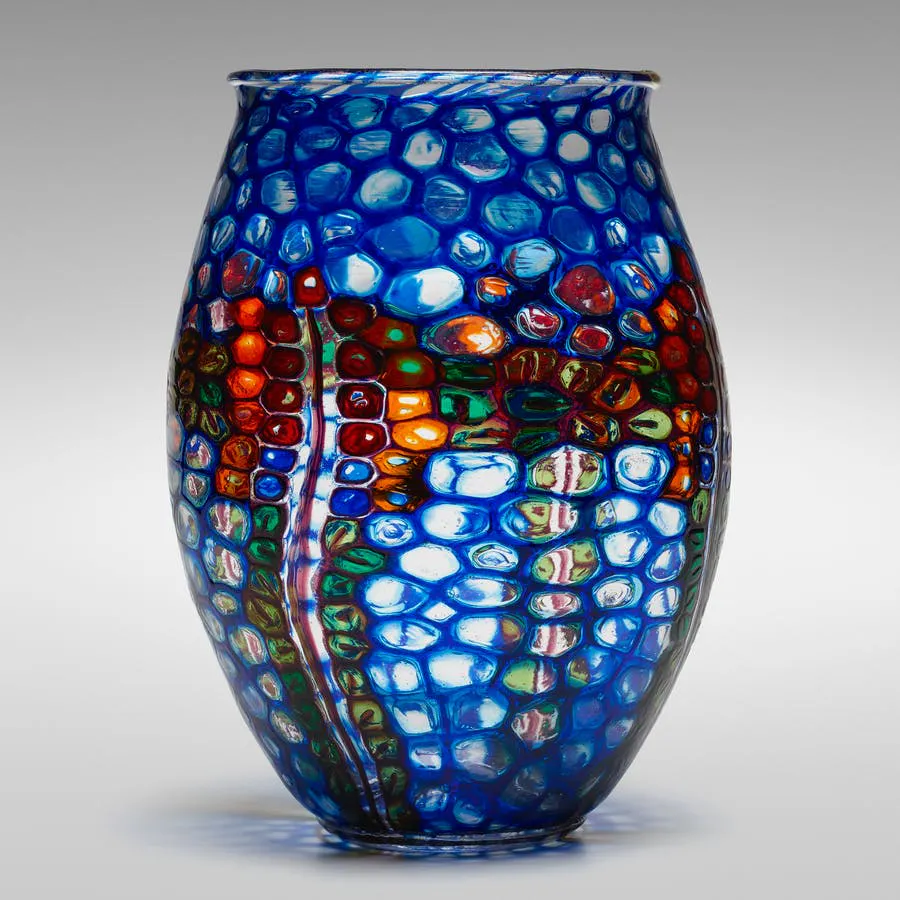
In 1896, the three brothers left Salviati to open their own company: Artisti Barovier. Giuseppe was considered the greatest master glassmaker in Murano for his mastery of Murrine (mosaic glass). The brothers continued to produce more and more mosaic works, so that even at the end of the Art Nouveau period, their style managed to spread abroad.
See also: René Lalique: Perfume Bottles into Artworks
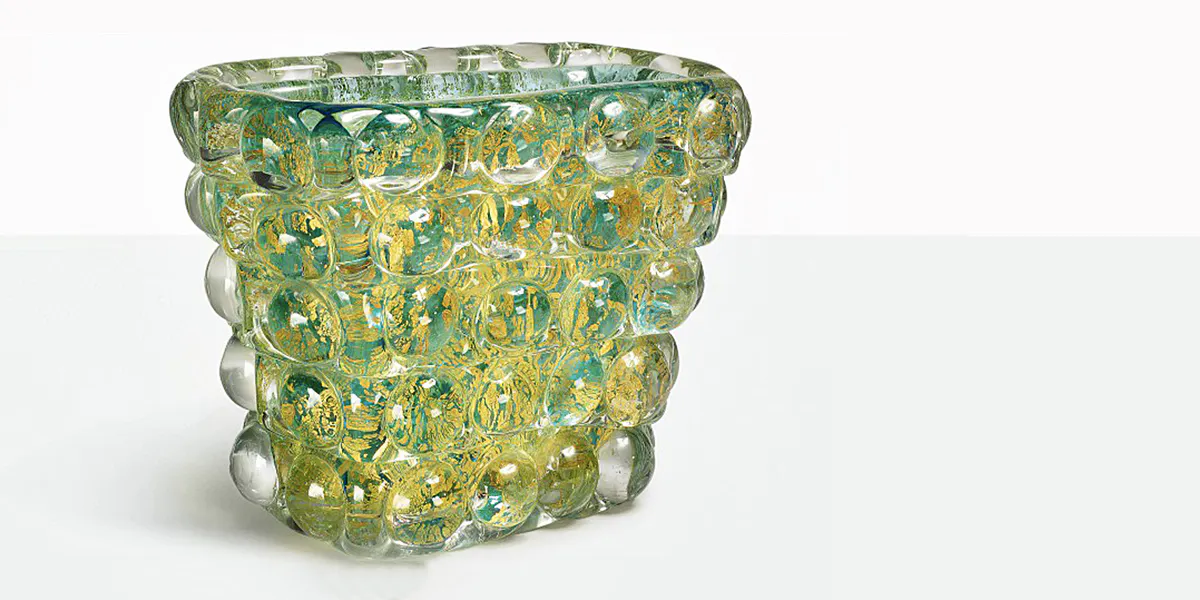
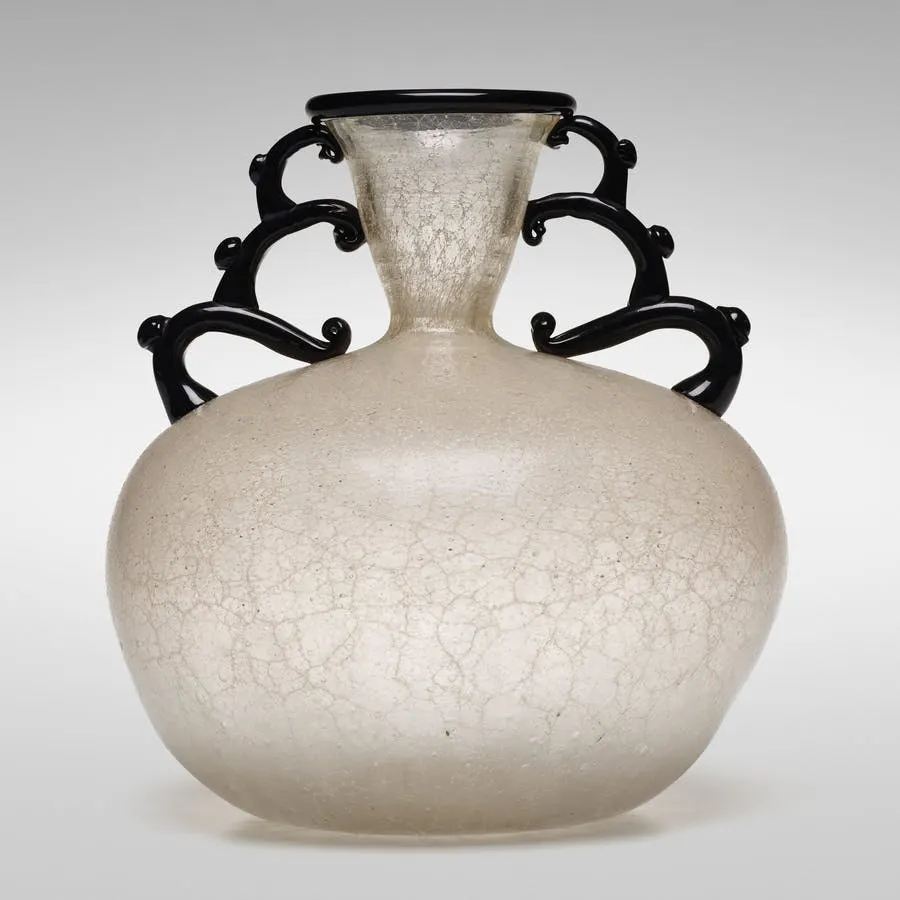
After the First World War, Nicolò and Ercole, the sons of Benedetto, took the helm and in 1919, the company was renamed Artistica Barovier. Ercole became the artistic director in 1926 and distinguished himself as an ingenious, innovative and prolific creator. Following an experiment in 1929, he developed the series that earned him his fame: the Primavera series. The pieces in this series are composed of thick and transparent walls, revealing a network of small bubbles and cracks extending over the entire surface. To date, the company has never succeeded in reproducing this enigmatic technique, making each of the series' works extremely rare and valuable.
See also: The Story of the Festivo Candle Holder in 2 Minutes
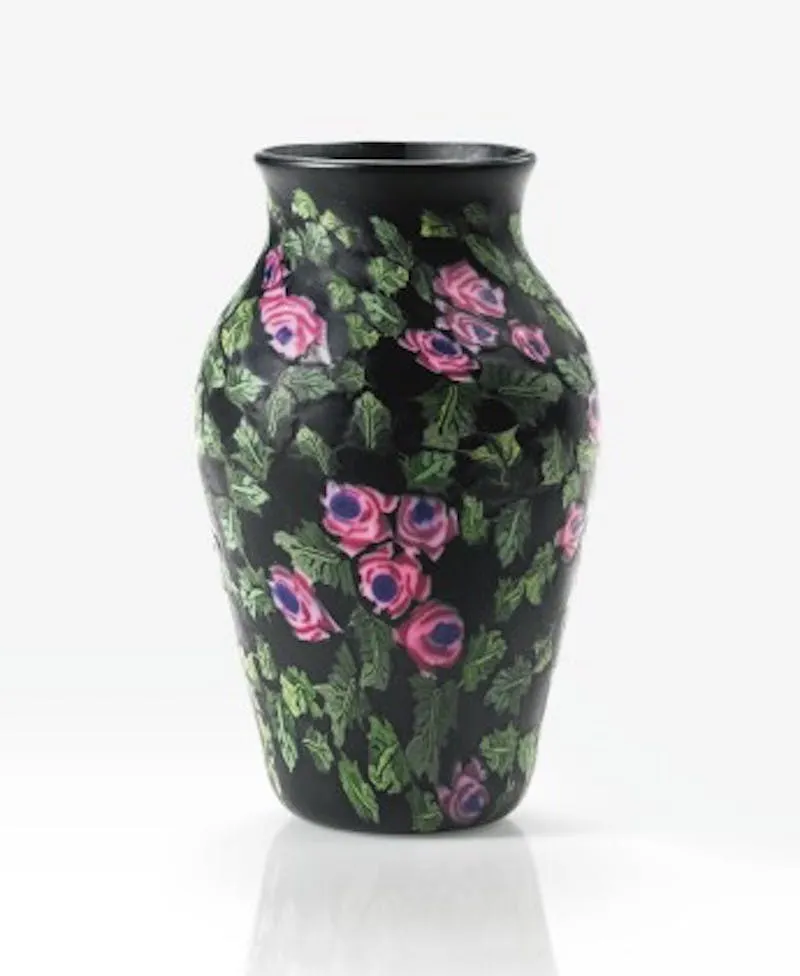
Nicolò also continued the legacy of his father and his uncle by making extraordinary mosaic glass. Each glass work was created in a furnace and required several complex stages, as well as a masterful coordination. However, Nicolò infused the pieces with a modern sensibility: his works shine in brilliant colours and floral motifs are represented in an extremely expressionist way. His vases have been produced in very limited numbers and are considered true masterpieces.
See also: Accommodation Meets Art: 7 of the Most Creative Hotels in the World
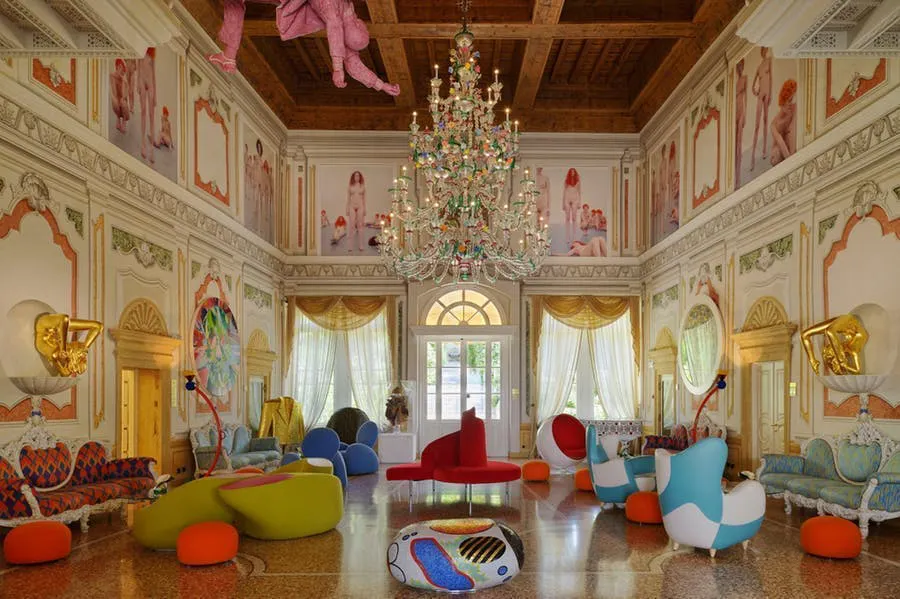
In 1936, Barovier joined forces with the Toso brothers, other major glassmakers, to form Barovier & Toso. Ercole's son, Angelo, took over the company in the 1980s and continued to create more contemporary designs, even creating a famous chandelier for a King of Saudi Arabia. The company then passed to his son, Jacopo, who is the CEO and has focused on expanding upon the company's luxury lamps and chandelier inventory.
The glass company of Barovier & Toso continues the legacy of the family's centuries of extraordinary glassmaking by retaining traditional techniques, as well as incorporating contemporary styles and forms. The works of the Barovier ancestors remain the ultimate references and serve as examples of the contribution made to the discipline by the master family of Murano glass. Today, Barovier glass pieces can sell for hundreds of thousands at auction. A 1930 Murrine vase by Ercole Barovier sold for $317,000 at Wright Auction in 2014, setting the record for the most expensive Barovier piece.





