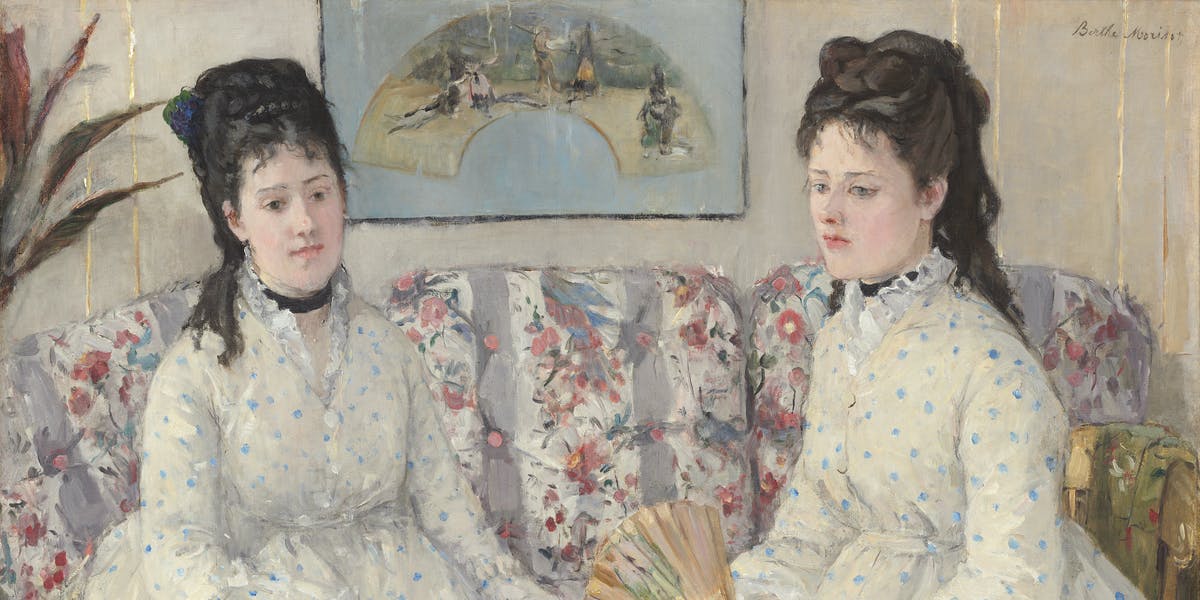
Berthe Morisot was born on 14 January 1841 in Bourges, France, to an upper-class family. Her father, Edmé Tiburce Morisot, was the prefect of the French department of Cher, and her mother was the great-niece of painter Jean-Honoré Fragonard. Berthe and her older sister Edma were both given private painting lessons by Geoffroy-Alphonse Chocarne from a very young age, but their teacher’s neoclassical style soon bored the sisters. They were subsequently placed in the hands of Joseph Guichard, then the landscape artists Achille Oudinot and Jean-Baptiste Corot, as the School of Fine Arts didn’t yet accept female students. Corot became a regular visitor at the Morisots’ family home in Paris, and was soon joined by the Manet brothers and their parents. The group were regulars at the soirées held by the parents of Edgar Degas, where Berthe and Edma would meet other eminent figures like Charles Baudelaire, Emmanuel Chabrier, Charles Cros and Puvis de Chavannes.
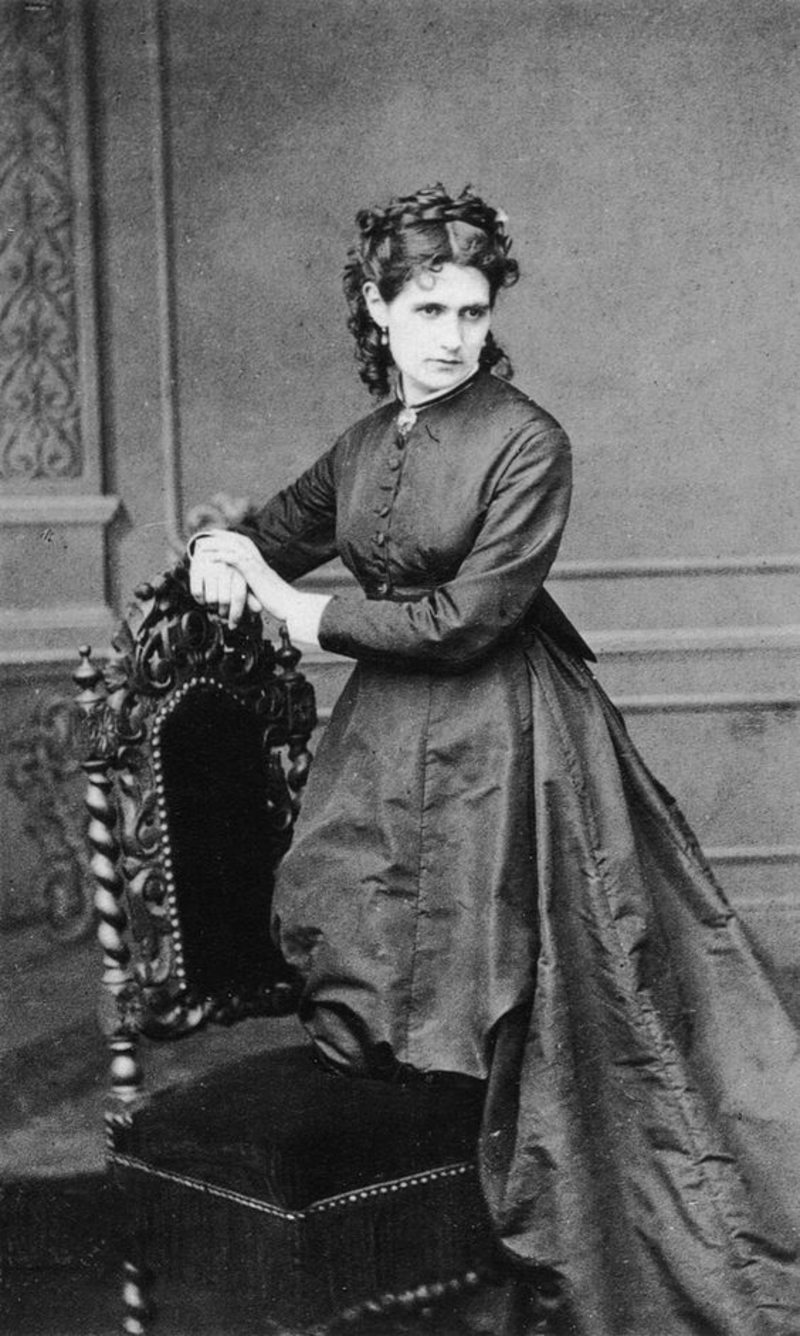
In 1863, Corot, whose influence on Berthe’s light palette would never lose its hold, was accepted at the Paris Salon, where only artists approved by the Académie des Beaux-arts could exhibit. That year, given the large number of hopeful candidates who had to be turned down, Emperor Napoléon III decided to open a second ‘Salon des Refusés’ to display the rejected works. This created a sort of rift in the artistic academicism of the era, but allowed a place for Berthe Morisot, along with many others, to display their art to the wider public.
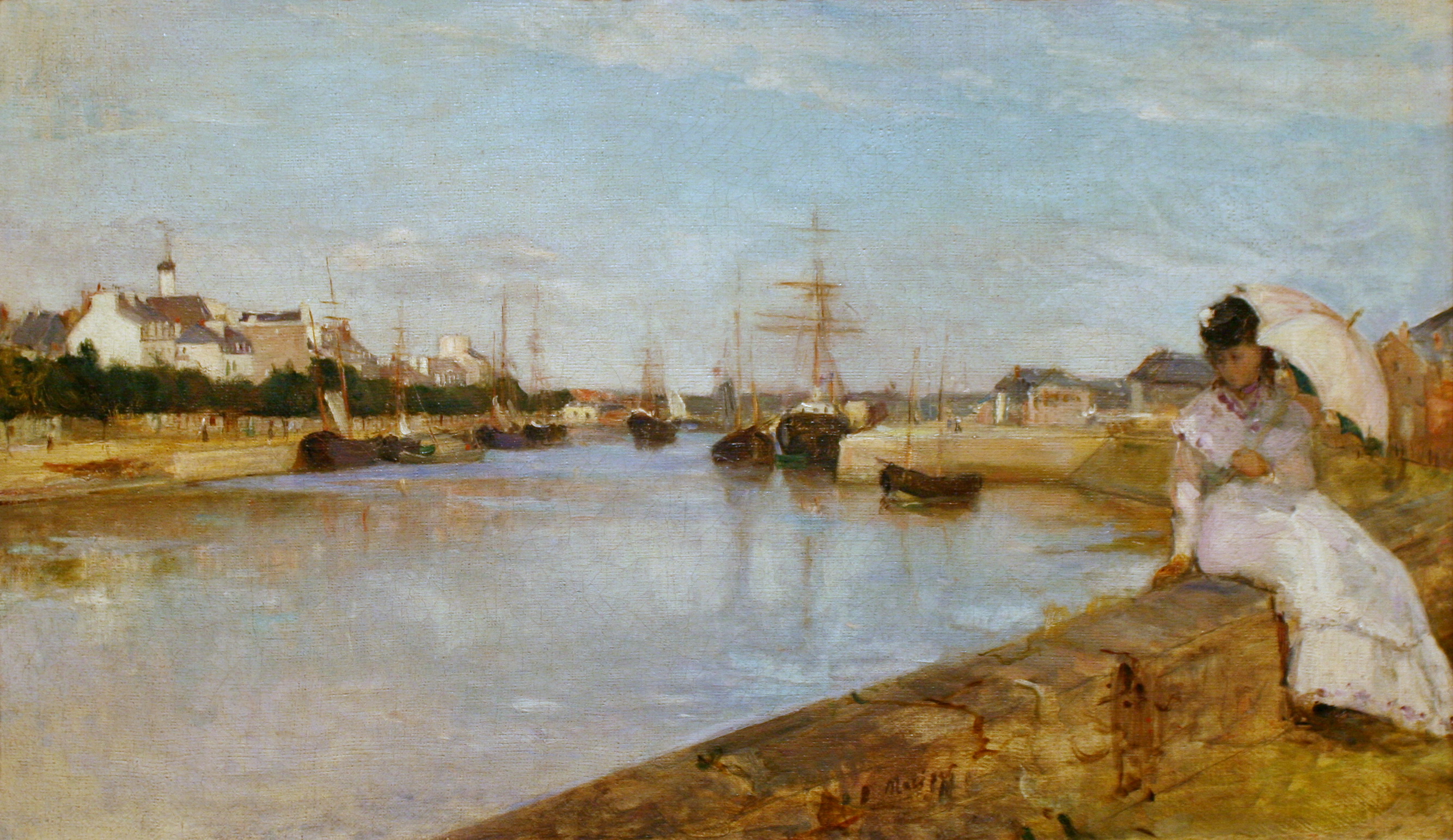
In the mid 1860s, Morisot’s first works to be accepted for the official Salon – especially her landscapes showing the banks of the River Oise and her Chaumière en Normandie – were hailed by a number of critics. However, the hopes she placed in Alfred Cadart, the dealer to whom she then entrusted her paintings, were frustrated. After Edma’s marriage in 1868, Morisot’s painting activity and independence only grew stronger, further roused as war loomed in France and her paintings at the Salon des Beaux-arts met with a lukewarm reception. The Academy didn’t make things easy for female painters.
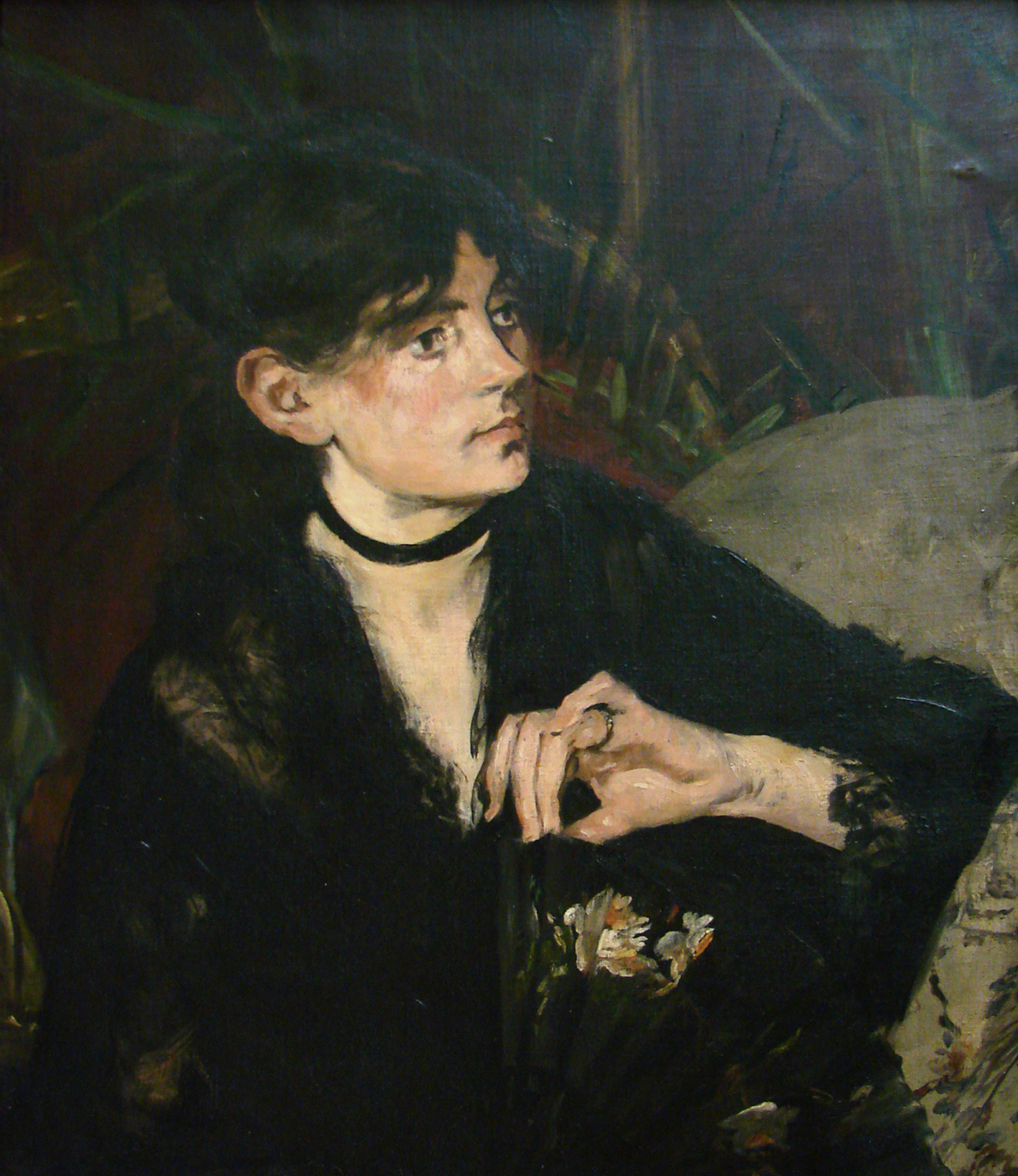
After the Franco-Prussian War in 1870, Morisot’s evident mastery forced her male peers to sit up and take notice, namely Degas, and, obviously, Édouard Manet, whose brother Eugène she married at the end of 1874. The siblings-in-law often painted together, and while the influence of Manet is discernible in Morisot’s work, the inverse, long underestimated, is no less obvious.
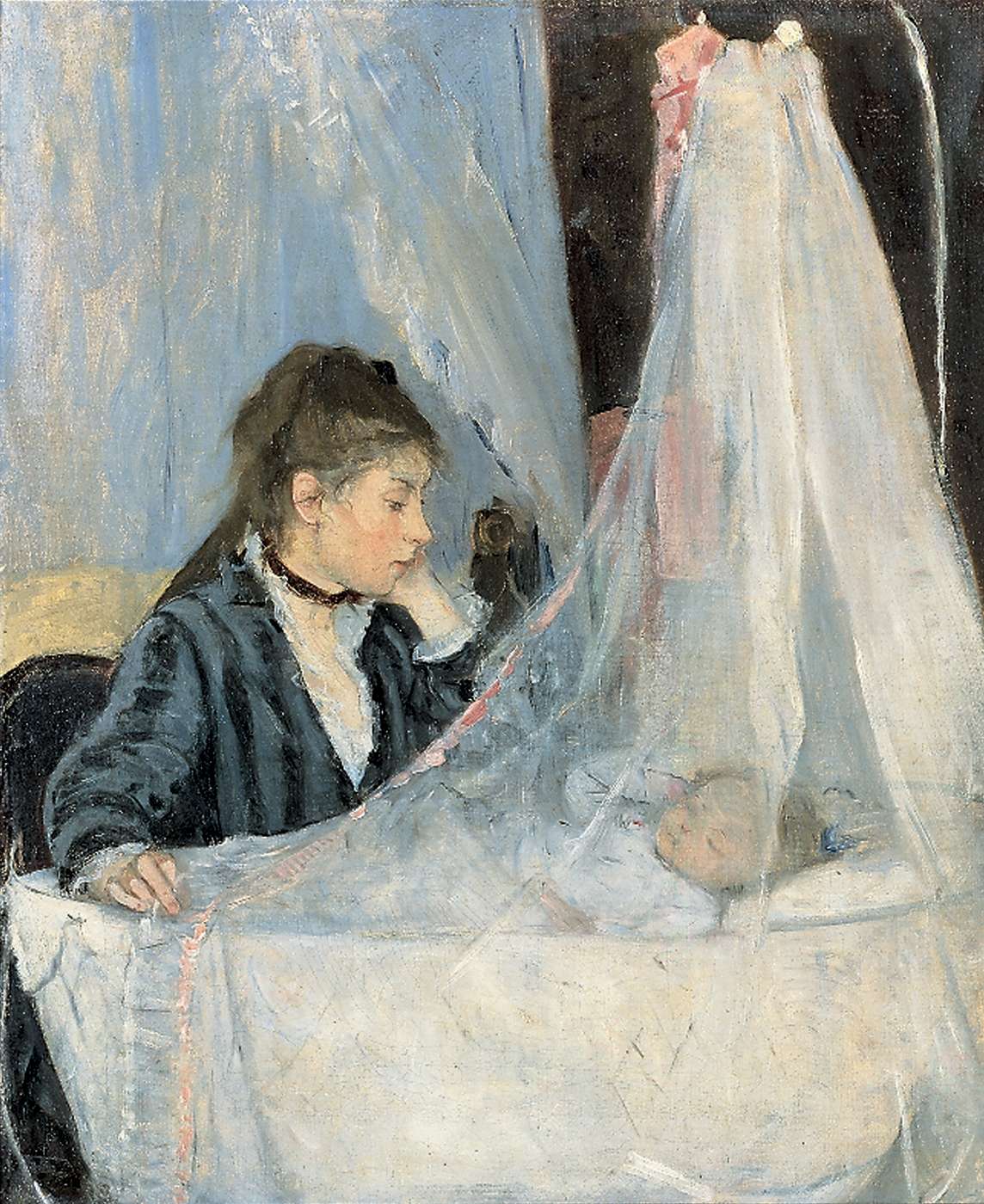
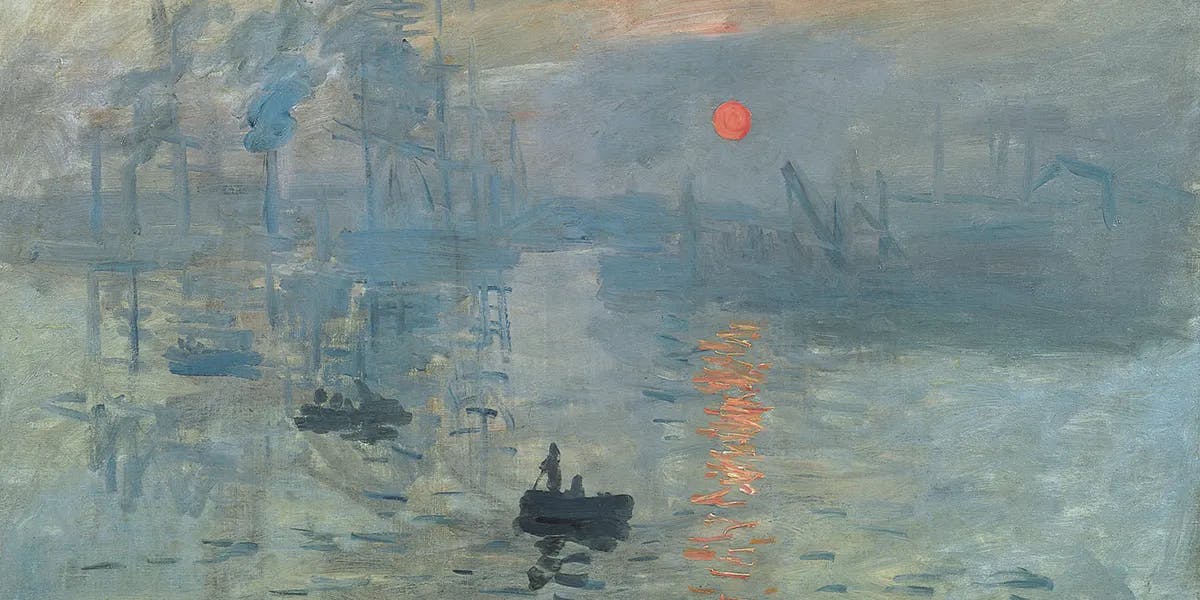
In 1873, Morisot, along with Monet, Degas, Pissarro, Sisley and several others, created the Société Anonyme des Artistes, Peintres, Sculpteurs et Graveurs (Cooperative and Anonymous Association of Painters, Sculptors, and Engravers), in reaction against the continued refusal of the official Salon to resurrect the Salon des Refusés. Manet kept a distance from the initial movement, but Impressionism was in the process of hatching, and some thirty artists took part in the first exhibition from 15 April to 15 May 1874, located in Nadar’s former studios on Boulevard des Capucines. Morisot was the only woman to show work on that occasion; around twenty paintings were displayed, including her famous Berceau, which today resides in the Musée d’Orsay’s collection. Over 3,500 visitors flocked to this ‘revolutionary’ salon, and even the interests of critics were aroused, although they were a bit taken aback. Claude Monet’s painting Impression, Sunrise, was singled out by the journalist Louis Leroy and lent its name to the entire movement.
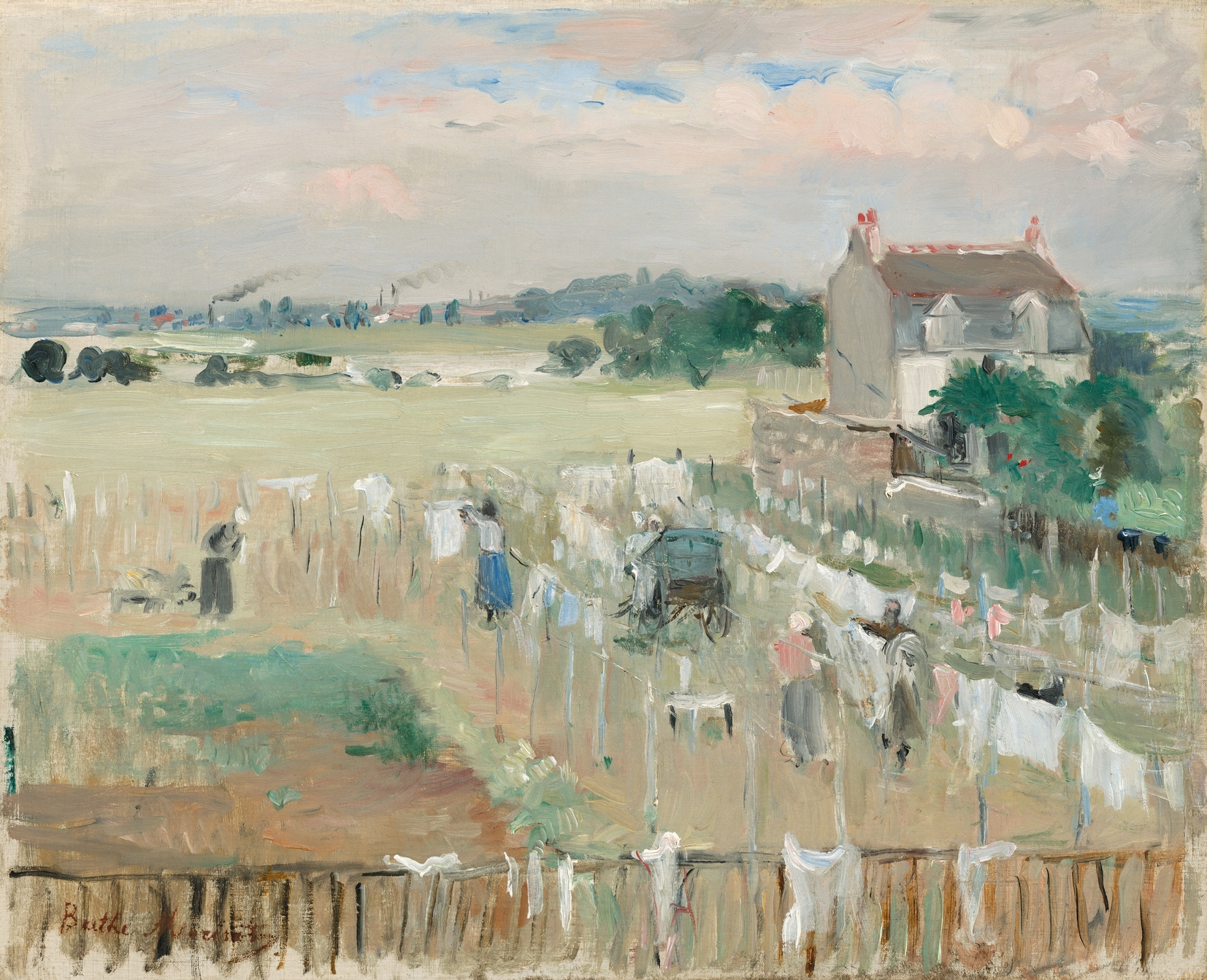
Morisot and Eugène Manet had a daughter, Julie, in 1878, and through this she kept painting. With the support of her family, Morisot waded through the criticism and barriers that arose due to her gender, continuing to work in the distinctive style she had helped found – contours that faded in favour of stirring shifting light and colour. Like Degas, Monet or Pissarro, she didn’t hesitate to tackle themes far removed from her social class: the toil of common folk, as in her Percher des blanchisseuses (1875), or the world of labourers defended by writer Emile Zola – a tendency that ruffled feathers in conservative circles, but that was applauded by the poet Stéphane Mallarmé. Sales began to progress significantly, especially at Drouot, and the Impressionist group held exhibition after exhibition until 1886.
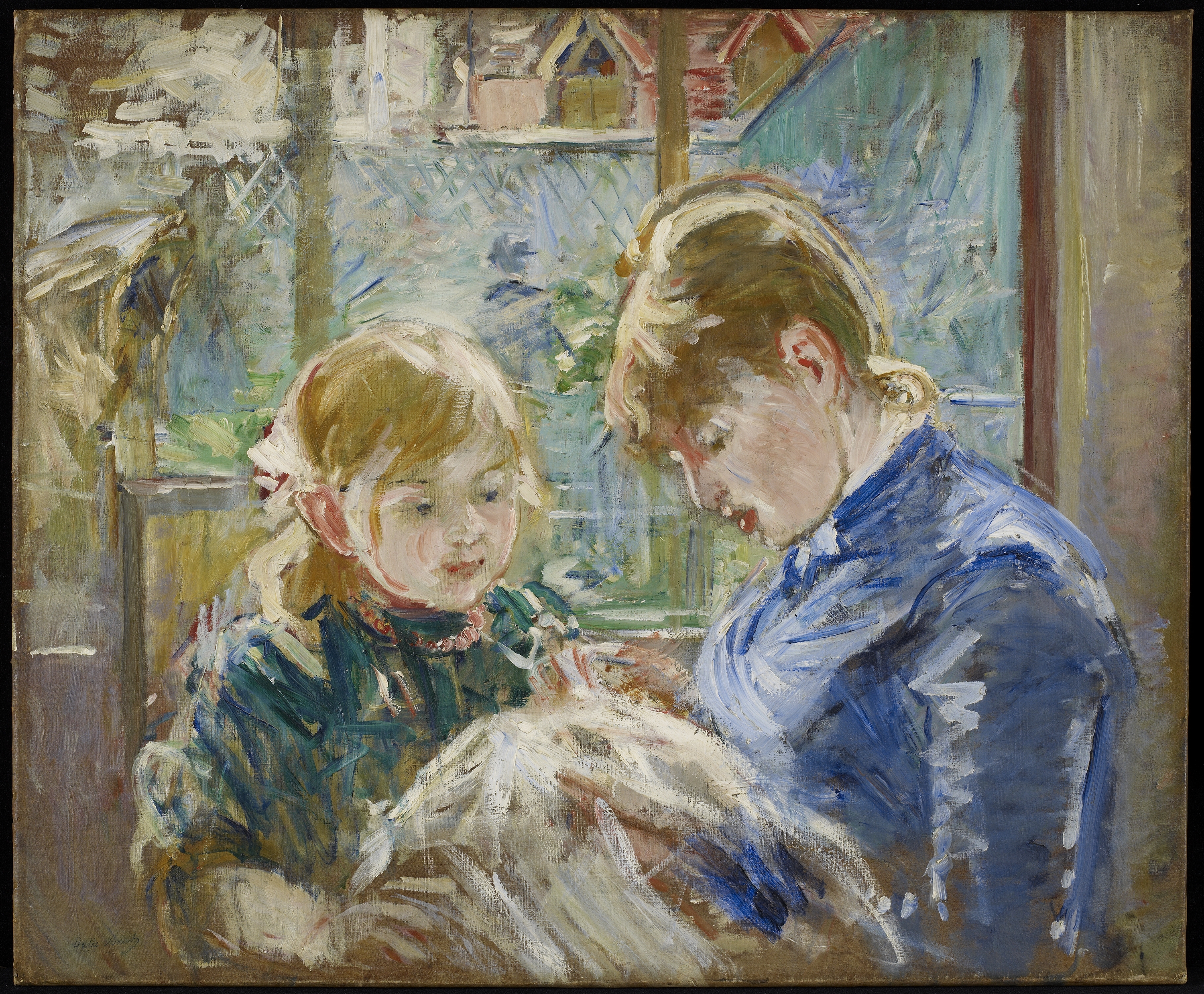
From the mid 1880s onwards, Berthe developed a passion for new techniques, namely sculpture and drypoint, while never ceasing to paint in her increasingly distinctive style. This was also the period of her nudes, in pastels, charcoal and watercolours, as well as a major exhibition in Brussels that was crowned with success. Soon after, though, tragedy struck – at the start of the next decade, Eugène’s health suddenly declined and he died on 13 April 1892. Morisot, after expressing a wish for Mallarmé to be her daughter’s guardian, died of a lung infection three years later at the age of 54.
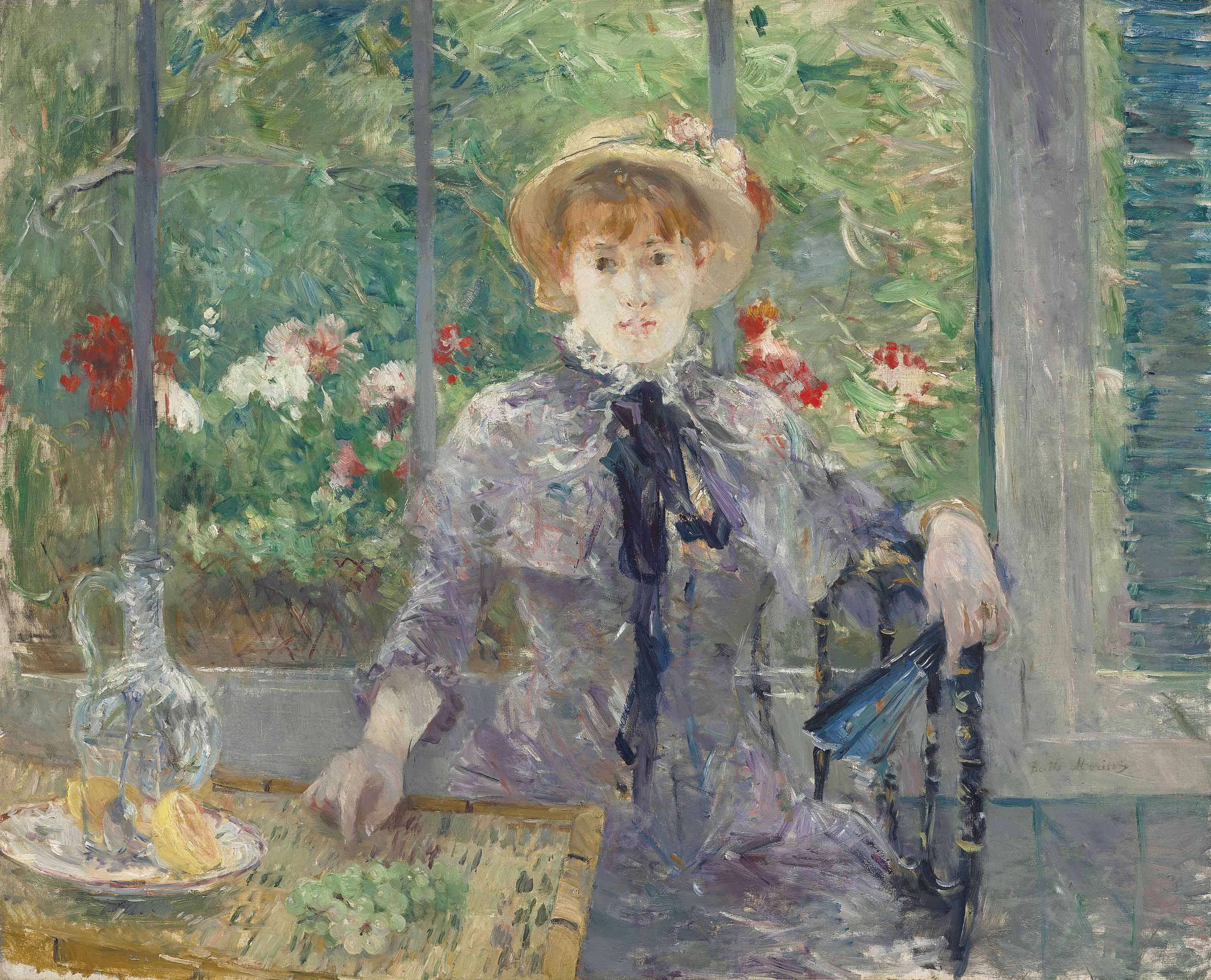
It would take nearly a century, and a large retrospective staged in 1983 at the National Gallery of Art, Washington, D.C., at the initiative of Mount Holyoke College (a Massachusetts university for women), for Berthe Morisot to be accorded the place she deserves in art history and major international museums. Reparations are now being made for the underestimation of her work: in 2013, her painting Après le déjeuner (1881) set a new personal record when it sold for nearly US$11 million (£8.5 mil) at Christie’s New York.