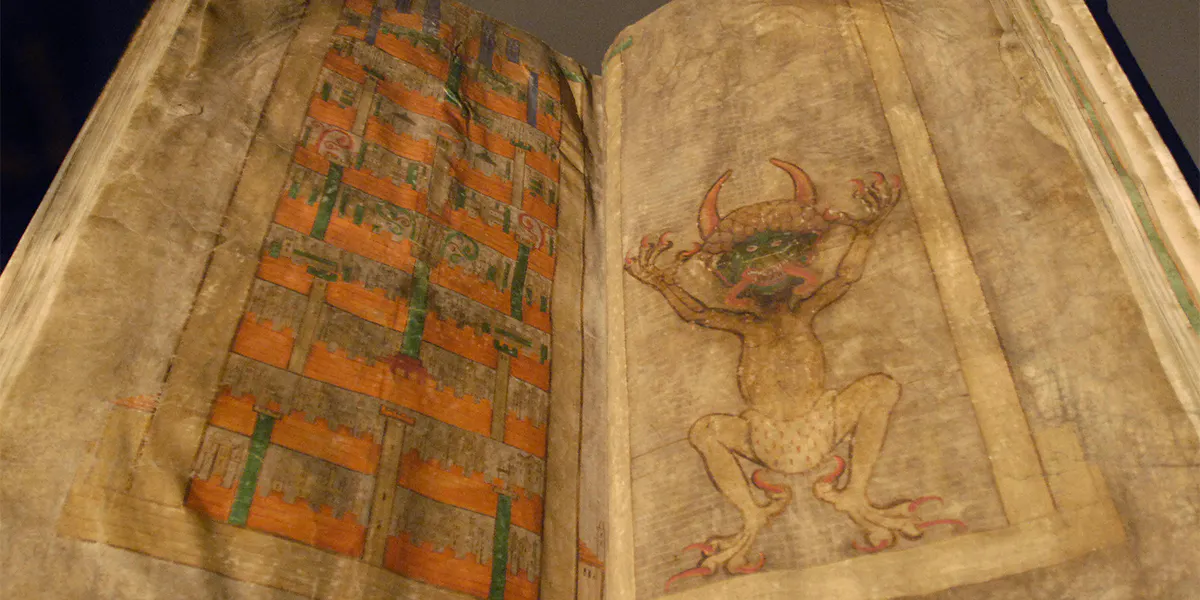
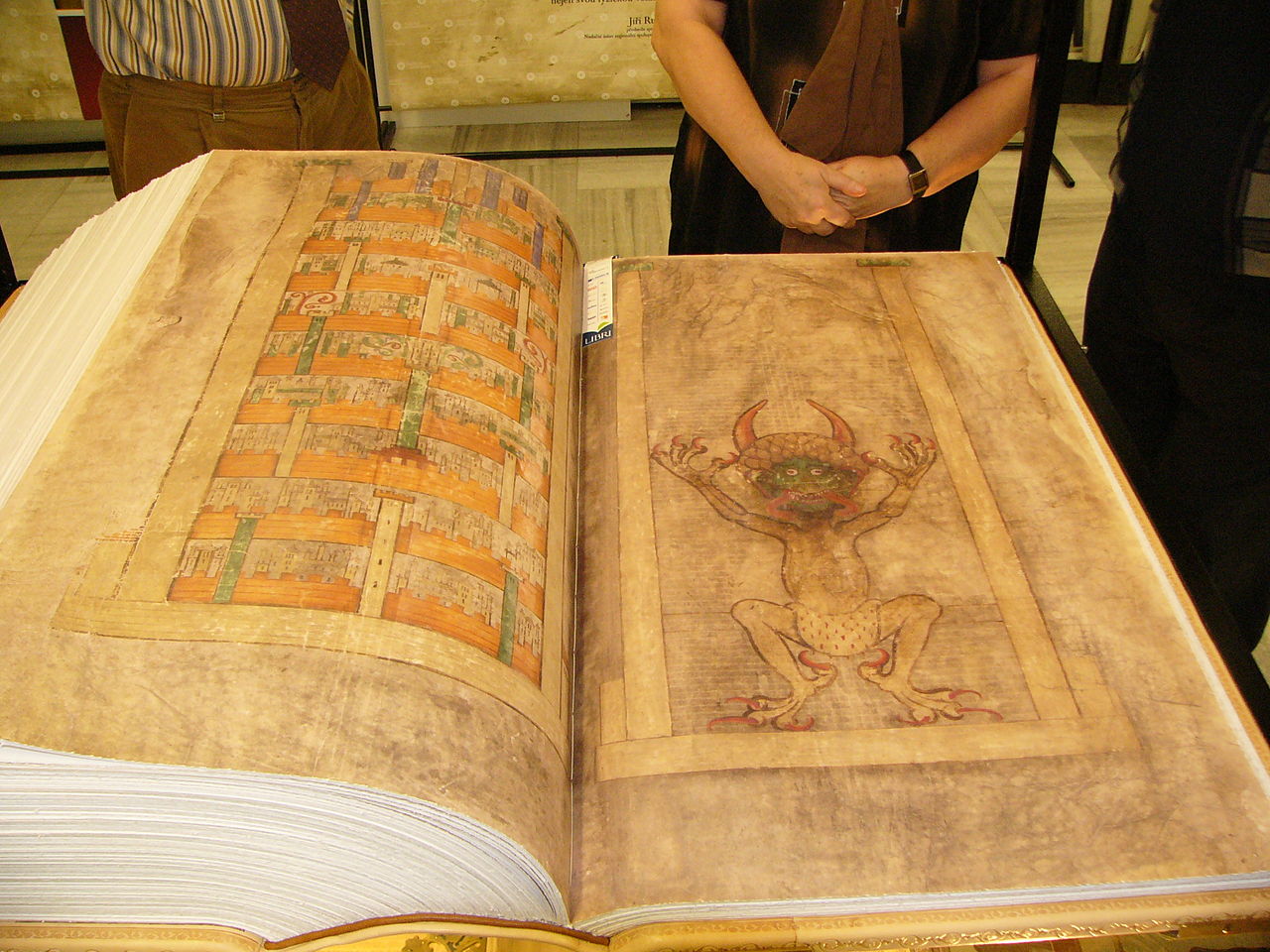
In the vast realm of medieval manuscripts, one particular document stands out due to its enigmatic history: the Codex Gigas, also known as the 'Devil's Bible'. This ancient tome, believed to date back to the early 13th century, measures approximately 92 centimetres in height, 50 in width, and almost 23 centimetres in thickness, weighing in at almost 75 kilograms. While large illuminated Bibles were common in Romanesque monastic book production, the Codex Gigas distinguishes itself.
See also: Oldest Hebrew Bible Fetches £30 Million at Auction
Despite its imposing size, the book was frequently leafed through by monks and scholars. This is evident from numerous annotations, often by different hands, found on many pages, suggesting active engagement with the manuscript.
Mysterious Origins and Varied Contents
The Codex Gigas was penned by an author still veiled in mystery, within the Benedictine monastery in Podlažice, Bohemia (now part of the Czech Republic). Seized as war spoils by the Swedes during the Thirty Years' War in 1648, the manuscript is presently housed and displayed at the National Library of Sweden in Stockholm. It stands as a singular treasure, offering a glimpse into the vastness of medieval knowledge.
Listen to: Podcast Ep #35 Antique Books: Between the Lines
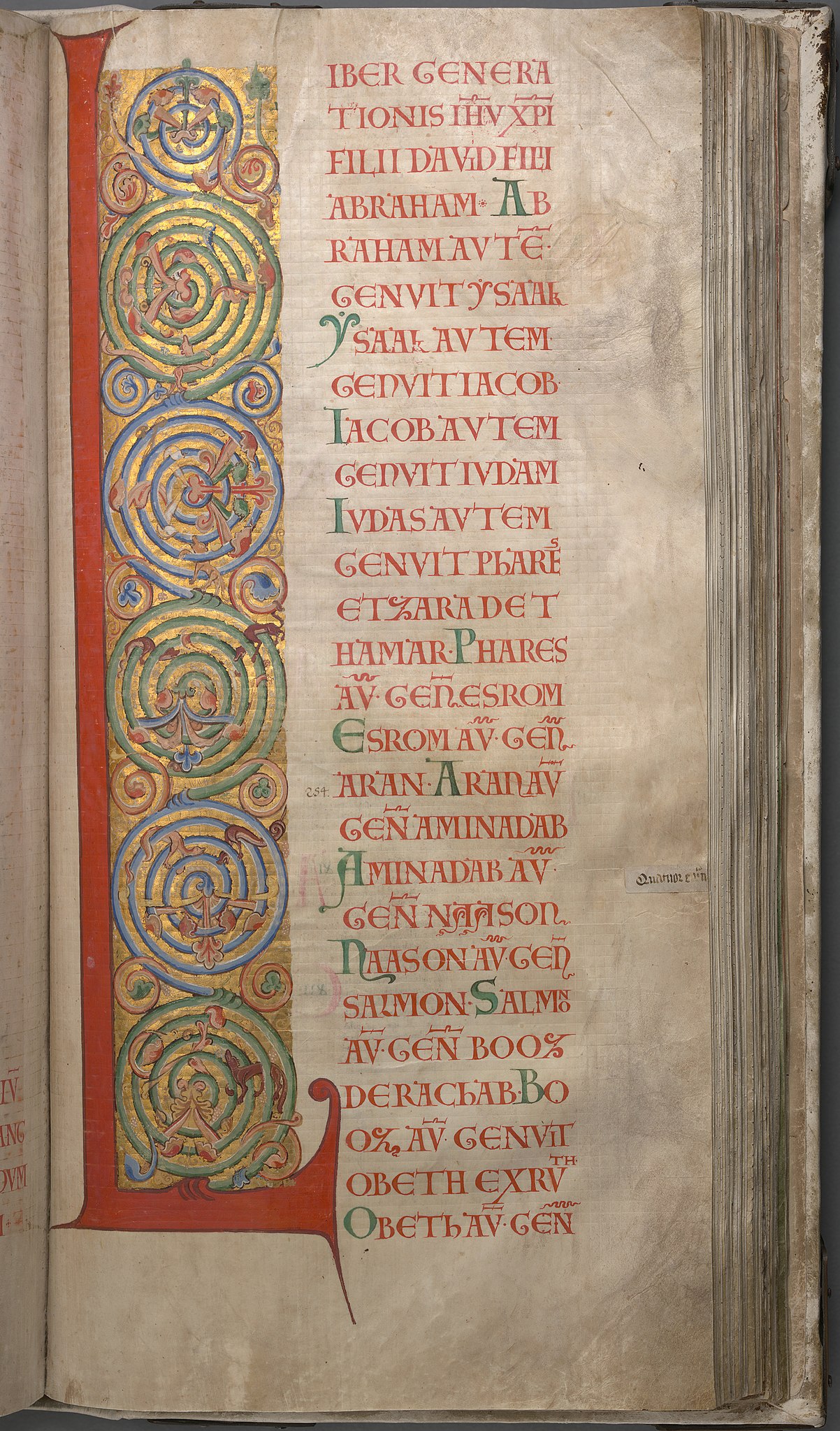
With the exception of the first page featuring two Hebrew alphabets and a few leaves showcasing Cyrillic and Glagolitic alphabets, the entire manuscript is written in Latin. The primary content of the Codex Gigas is the Vulgate, the Latin rendition of the Bible, serving as the central component of the work. However, the Giant Book is renowned for incorporating various additional texts. These include the encyclopedia Etymologiae by Isidore of Seville, the historical writings of Josephus Flavius (Antiquities of the Jews and The Jewish War), the Chronica Boemorum by Cosmas of Prague, magical formulas, pages of prayers, a roster of monks from the Podlažice Monastery, a calendar enumerating saints, medical works, treatises on etymology, alchemical sketches, and other miscellaneous documents.
The Legend of the Devil
Why 'The Devil's Bible'? The moniker originates from one of its most peculiar illustrations: a full-page portrayal of Satan himself. This visual representation fuelled the medieval legend surrounding the manuscript's creation. According to the tale, the scribe of the Codex Gigas was a monastic scribe, possibly identified as Hermann Inclusus, or 'Hermann the Recluse.' Having violated his vows, he faced the grim punishment of being immured alive. To avoid this fate, the monk made an extraordinary pledge: to craft, in a single night, a book encompassing all human knowledge, destined to bring eternal glory to his monastery.
As midnight approached and despair gripped him, the scribe went so far as to beseech Lucifer for assistance in completing the book, offering his soul in exchange. Legend has it that the devil accepted the plea and finished the manuscript. Worth noting is that, by some estimates, reproducing only the handwriting of the Codex Gigas, excluding the illustrations or embellishments, would demand as much as twenty years of ceaseless writing. In acknowledgment of this mysterious pact, the scribe incorporated an image of the devil within the book. This image spans nearly an entire page — Page 577 (Folio 290 Recto) — depicting a sizable, menacing figure standing about 50 centimetres tall, with a dark, leathery face.
The Satanic illustration
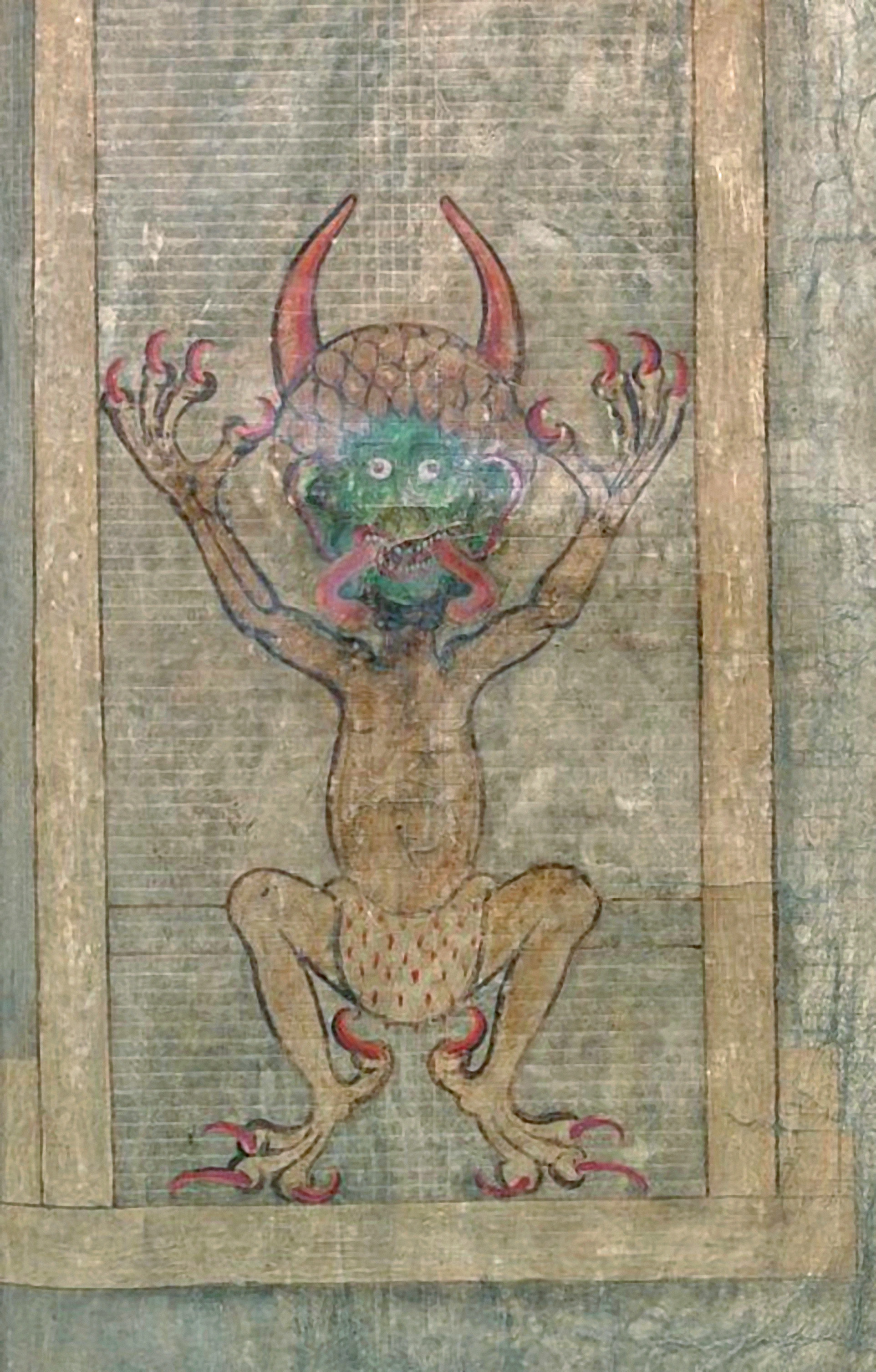
The depiction of the Devil in the Codex Gigas features a frontal view, portraying him in a crouched position with raised arms high above the ground. He is adorned in a white garment adorned with small, red comma-shaped features often interpreted as ermine tails. This detail holds significance, as the ermine, worn by members of the royal family, symbolised sovereignty, suggesting the devil as the 'Prince of Darkness.' The devil's body, arms, and legs exhibit normal human proportions, while his hands and feet sport four fingers, each terminating in large, red claws resembling horns.
The devil's face is dark green, with a thick head of curls, and his eyes are small with red pupils. Pointed ears, teeth, and two long red tongues are visible in the gaping mouth, reminiscent of the forked tongue of a serpent, a symbol of Satan in Christian iconography. Another full-page image in the book portrays the Kingdom of Heaven, establishing a stark contrast between Good and Evil.
See also: The Testaments Transformed: Printing The Gutenberg Bible
In addition to the main legend, other beliefs are also associated with the Codex Gigas, according to which disturbing events often occurred in the rooms where it was kept. Obviously, these are folk tales with no historical or scientific basis. Regarding the writing of the Codex, some scholars claim that it was actually written by one person, but during a period of two or three decades.
A Medieval Masterpiece
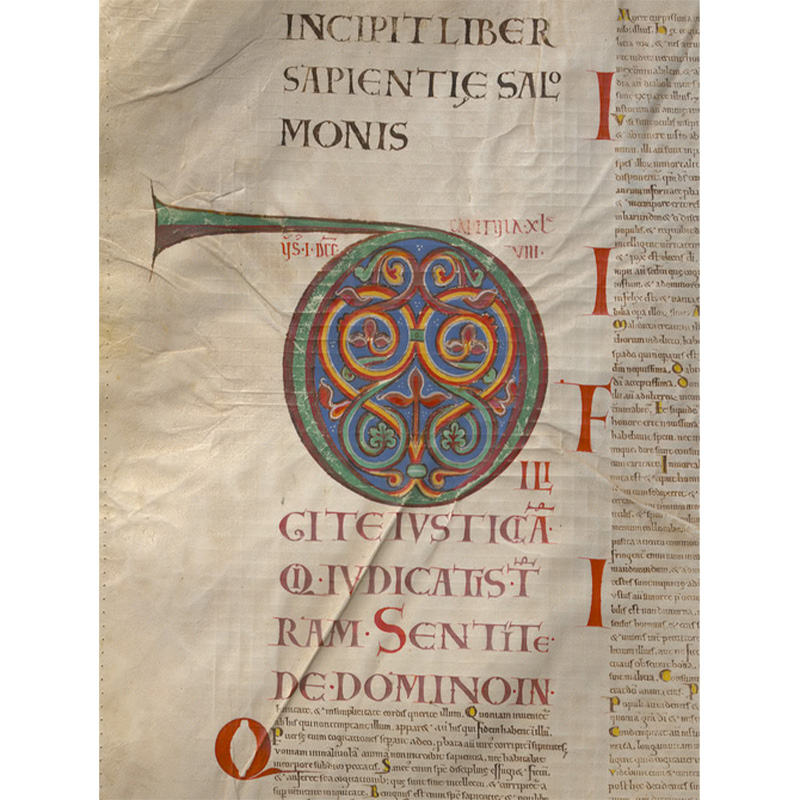
The Codex Gigas is richly illuminated and contains extraordinary hand-painted artistic illustrations. These are made of gold and ink in vivid colours such as red, blue, yellow and green, which add brilliance and make them particularly valuable. There are also decorative miniatures at the beginning of various chapters and texts, often incorporating complex ornamental motifs. Capital letters at the beginning of books are elaborate and often occupy a large part of the page, creating an impressive visual effect and drawing the reader's attention.
Want to receive all the latest news in your inbox? Subscribe to our newsletter!
The Codex Gigas is a precious treasure of medieval history, a testimony to the skill and creativity of the scribes of that time. Its history, size and illustrations make it a true work of art and one of the most significant manuscripts in existence, both in terms of its content and artistic merit.