A History of Meissen
Meissen porcelain is right at the top of the list of the most popular and sought-after porcelain manufacturers. The fascination for the 'white gold' from Saxony is based, on one hand, on its high quality. However, the fact that Meissen was the inventor of European porcelain and the first porcelain manufacturer in Europe plays an even more decisive role.
In the early eighteenth century, Europe's elite were obsessed with imported china, the manufacture of which was an absolute mystery. Above all, the splendour-loving Augustus the Strong, Elector of Saxony and King of Poland (1670-1733), who had his royal seat Dresden designed with baroque splendour, was obsessed with fine ceramics from the Far East and was ready to spend huge sums on this passion. But the content of his treasury wasn't inexhaustible and he enlisted the services of the alchemist Johann Friedrich Böttger (1682-1719), who claimed to be able to produce gold from any material.
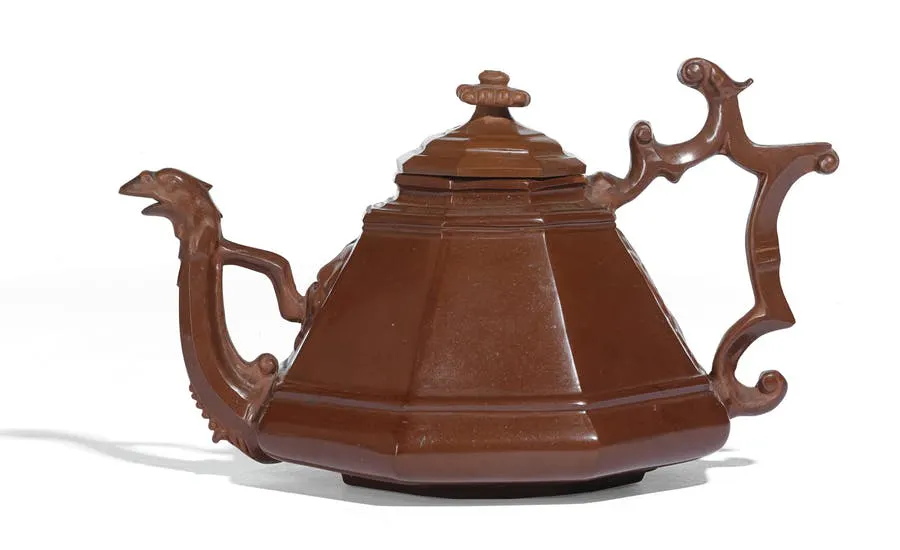
When Böttger began to work with the scientist Ehrenfried Walther von Tschirnhaus (1651-1708), they discovered the formula for 'white gold', or porcelain. Augustus then founded Europe's first porcelain factory in Meissen in 1710. With the products made there, he not only delighted himself and his court, but also gifted them all over Europe to demonstrate his power.
See also: Porcelain Dolls: Toys Turned Collectables
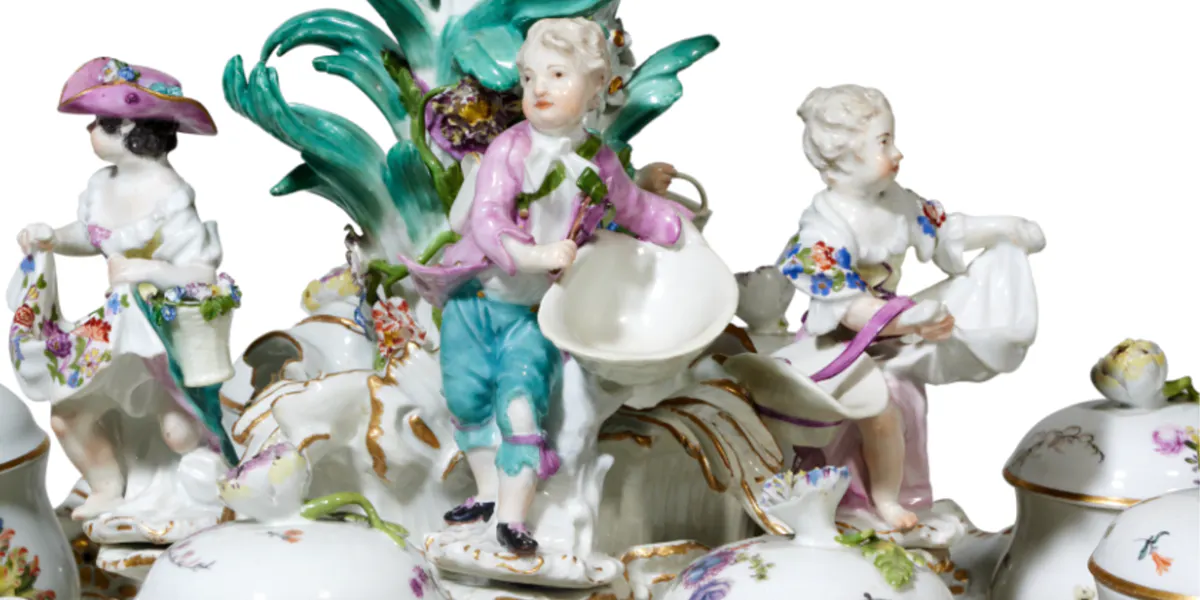
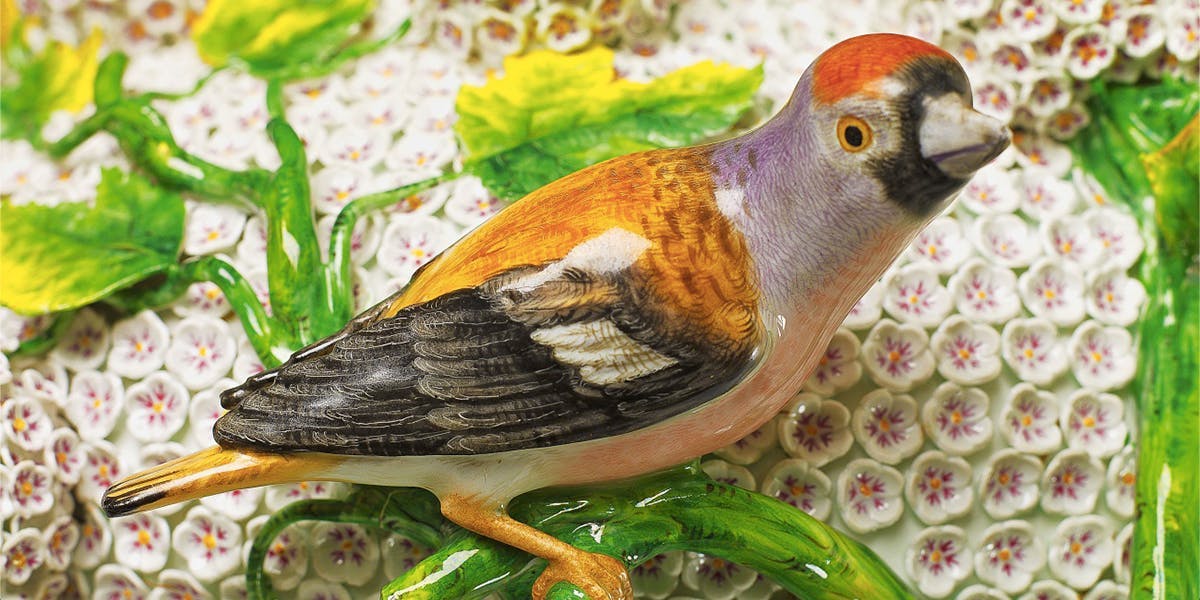
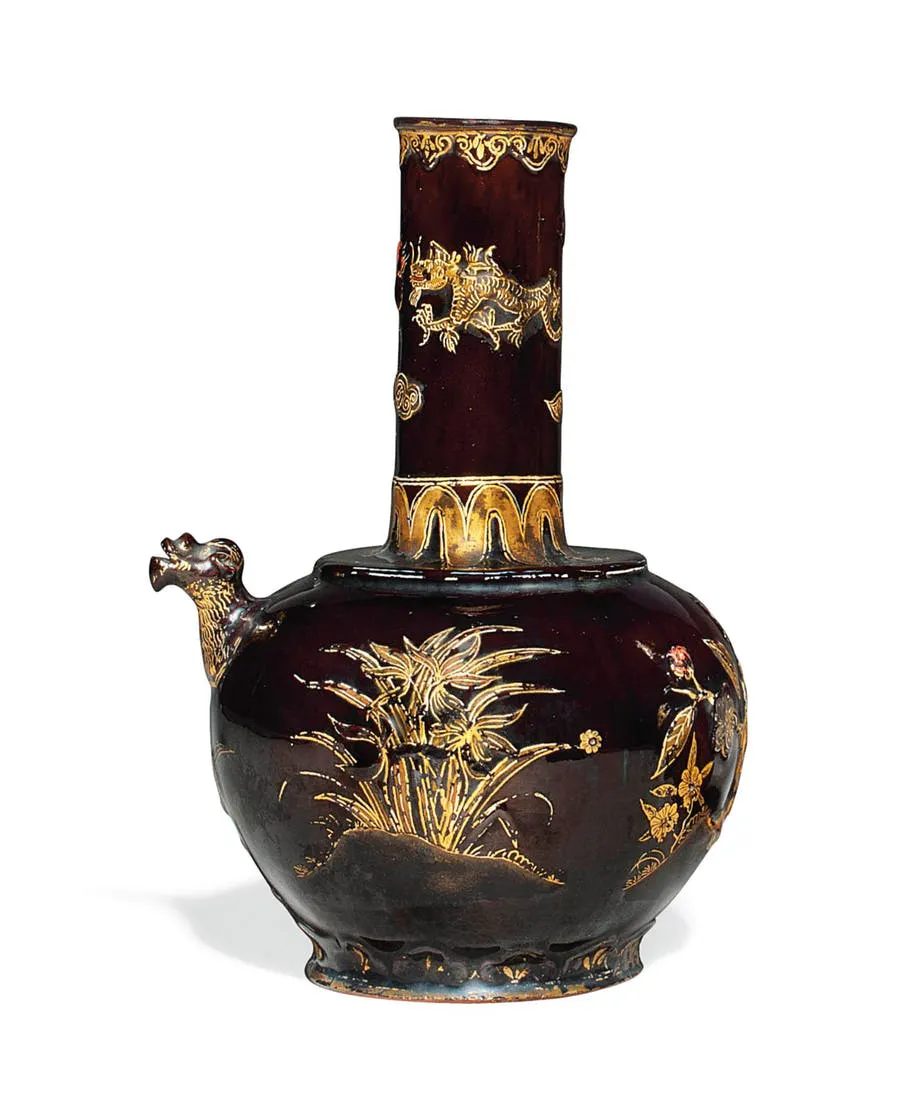
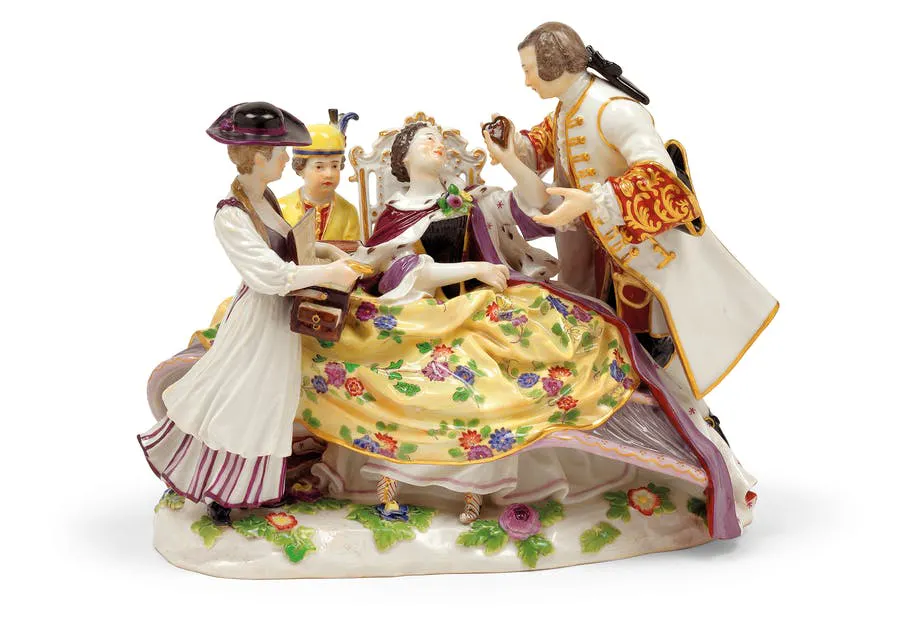
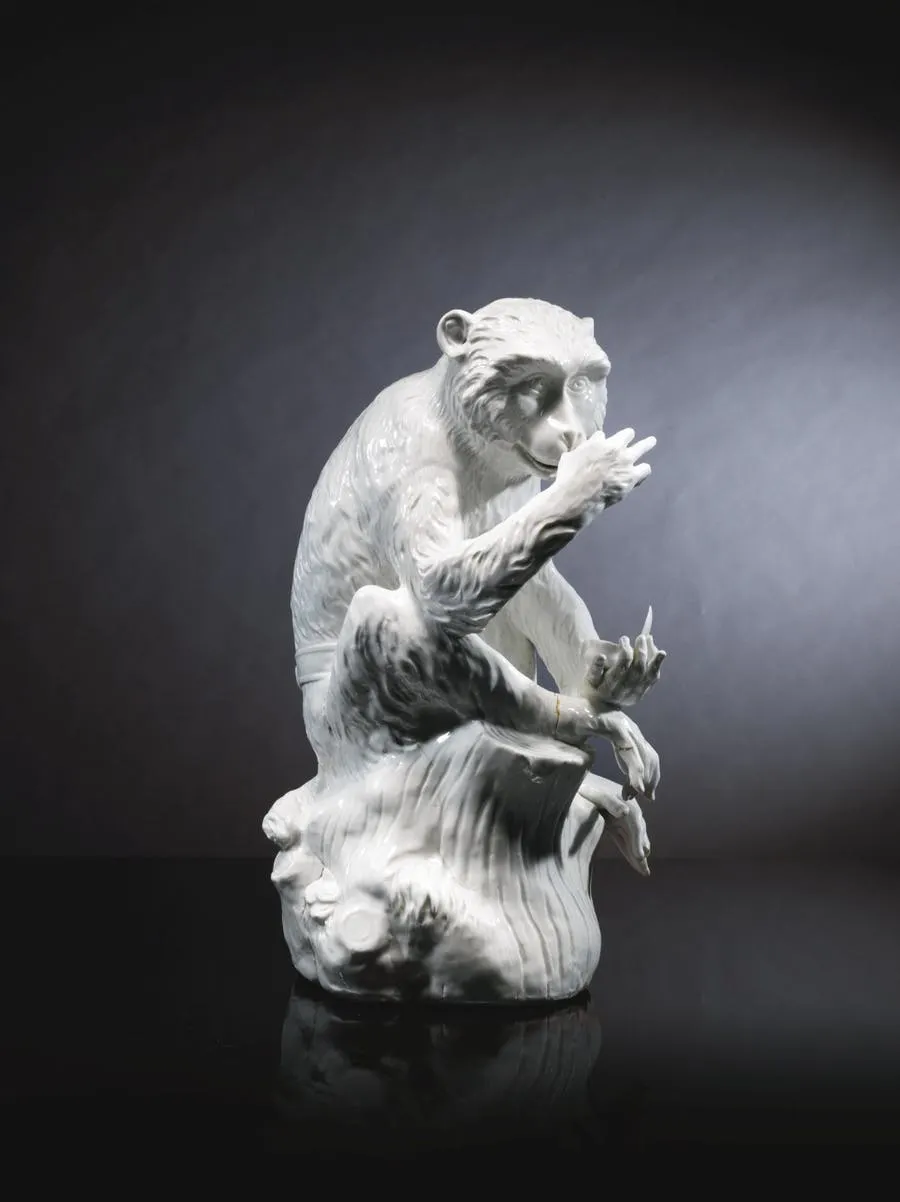
The manufactory's repertoire was initially limited to copies and reinterpretations of shapes and patterns that were already known from imports from China, now combined with baroque ornaments. However, thanks to highly talented painters and modellers, such as Johann Joachim Känders (1706-1775), Johann Gregorius Höroldt (1696-1775) and Johann Gottlieb Kirchner (1706-1768), it was soon possible to offer animal sculptures and gallant groups of figurines, all decorated with vibrant colours and patterns.
Want more articles on collecting, straight to your inbox? Sign up to our free newsletter here
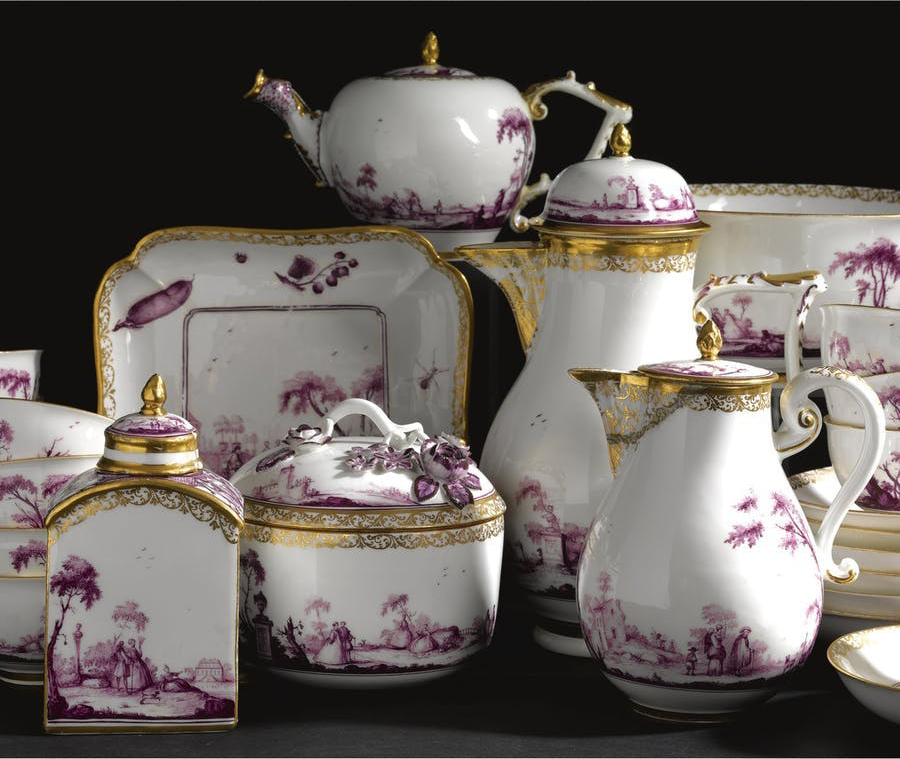
Dinner and tea services were also increasingly adapted to the European style with designs, such as the 'Brandenstein Relief' (1741 for the Saxon chief chef Friedrich August von Brandenstein), the 'German Flowers' and the 'Everlasting Flower' pattern (both 1740).
See also: 5 Things You Didn't Know About Ceramics
The formula for making porcelain was a closely guarded secret. The people who were initiated into the manufacture were called 'arcanists' (derived from the Latin word arcanum, meaning secret). However, in 1718, an Austrian diplomat managed to lure some employees to Vienna and founded Vienna Porcelain Manufactory.
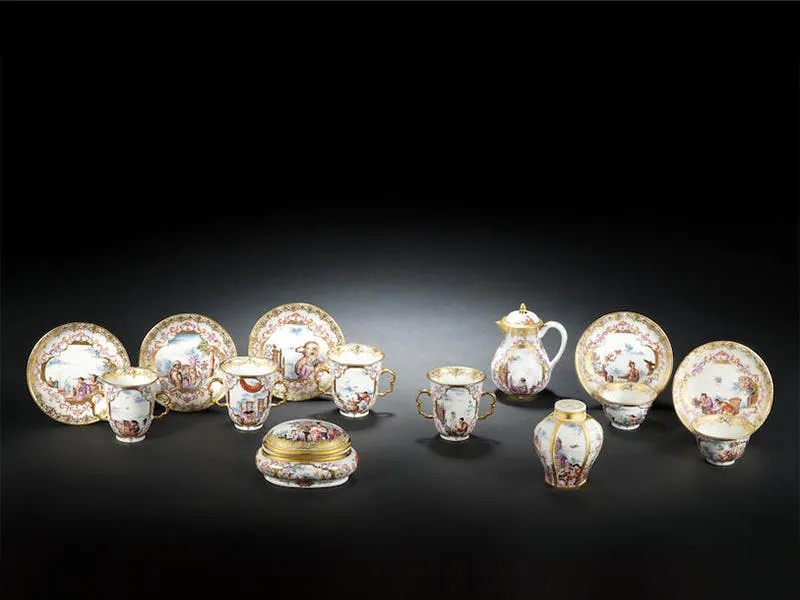
The unexpected competition made it necessary to mark the Meissen goods with a trademark. Initially, the monogram AR ( 'Augustus Rex') was used, until the crossed swords that are still used today prevailed as the trademark.
See also: Chinese Porcelain: How to Build a Collection
Vienna was not the only competition, but the tastes of customers changed, meaning the modellers in Meissen always had to come up with something new. Significant creations were, for example, the 'Swan Service' for Saxony's first minister, Heinrich Graf von Brühl, and the elaborate and fine filigree snowball vases.
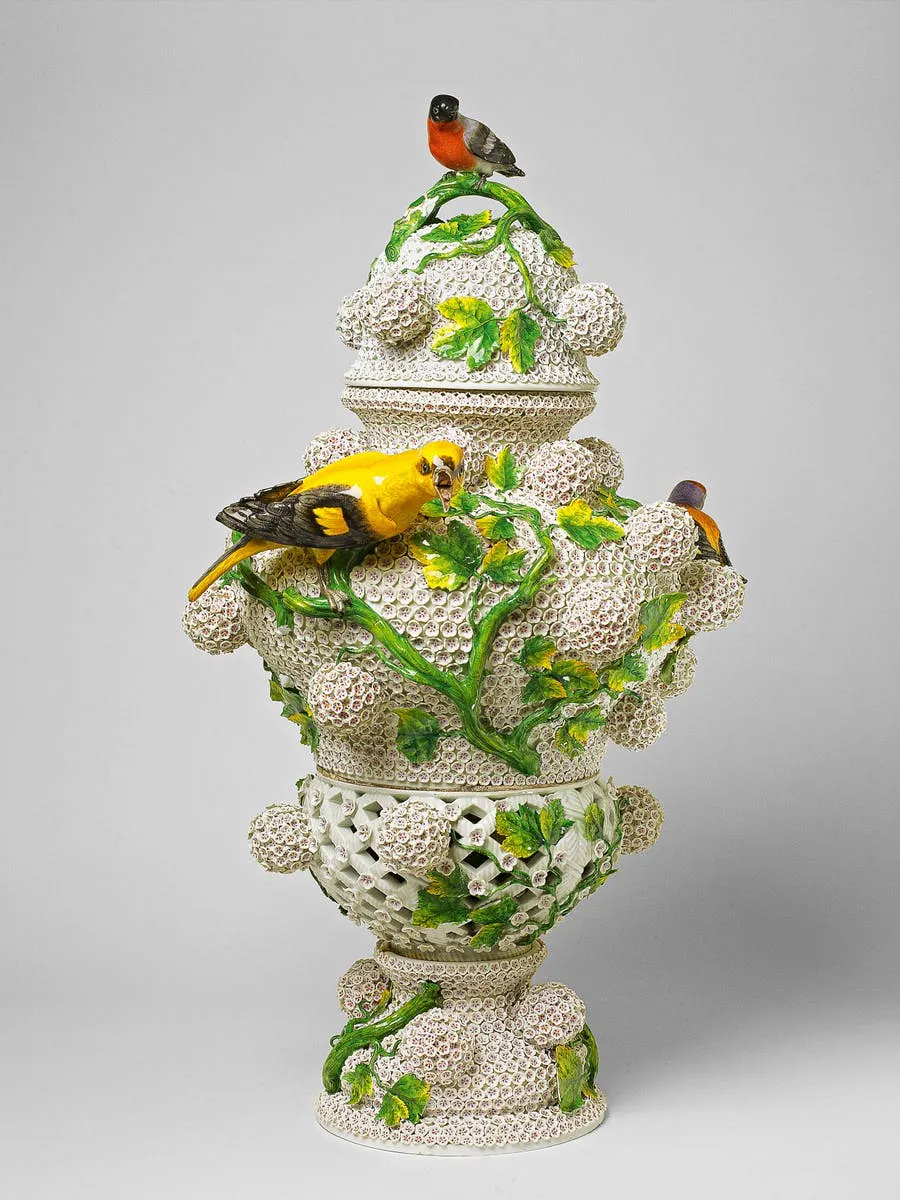
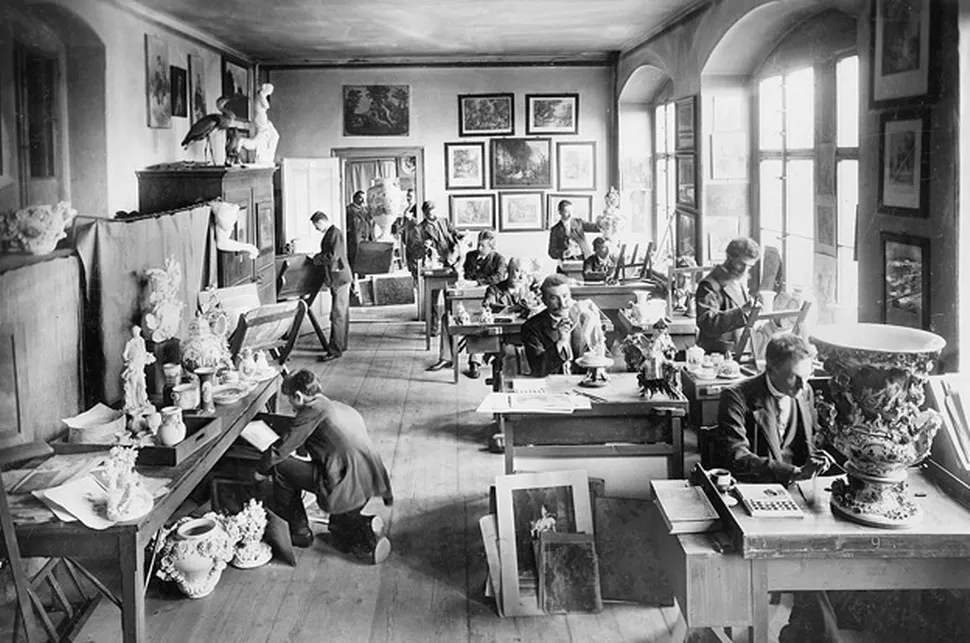
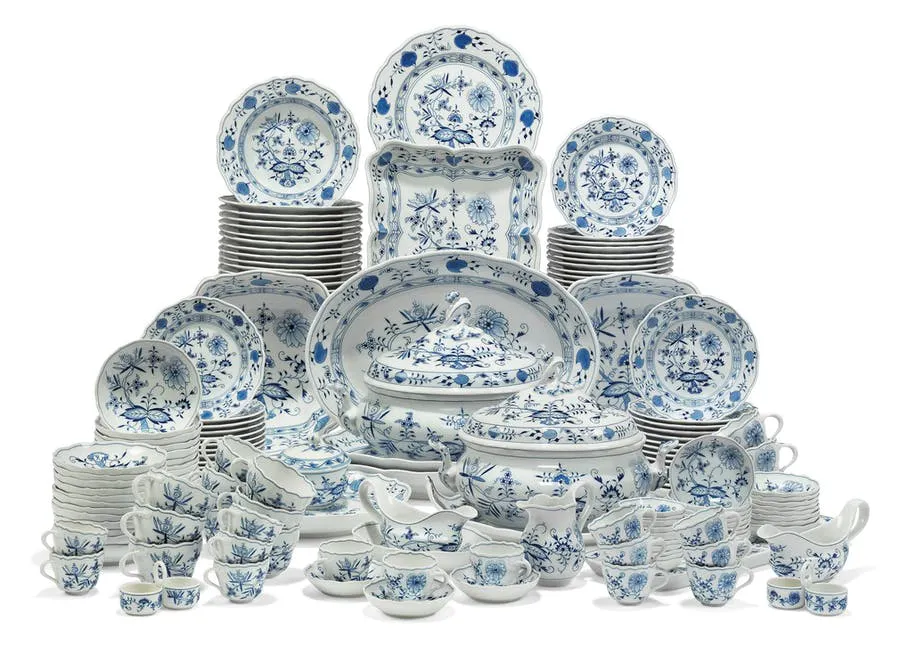
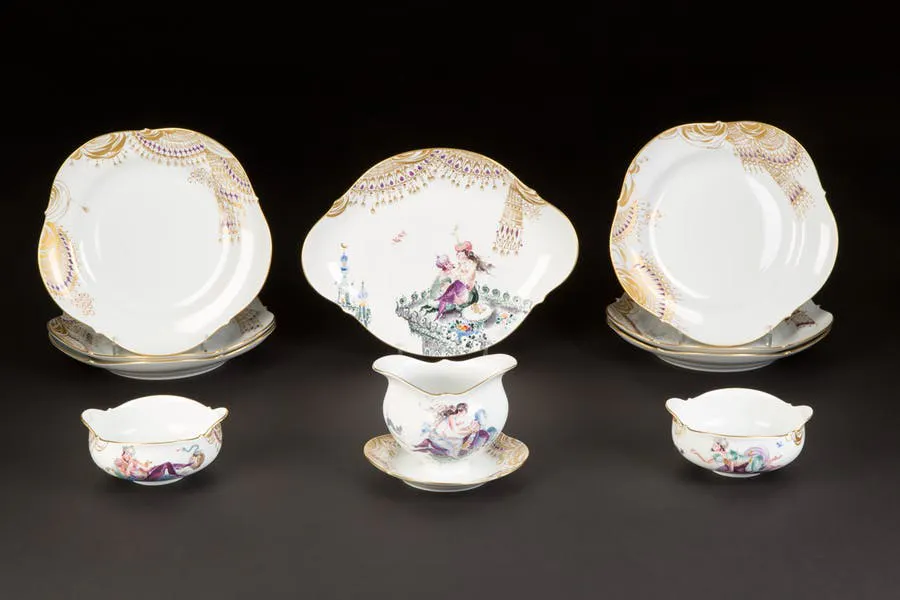
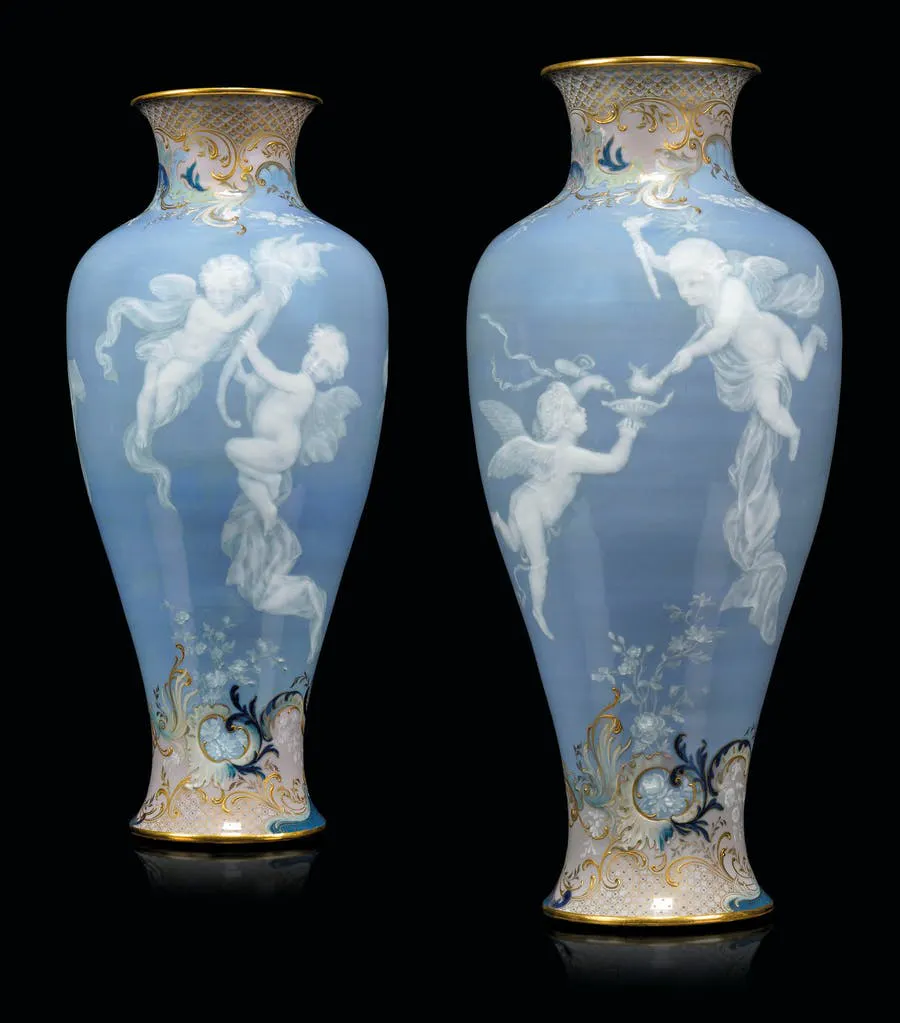
The great era of innovations of Meissen manufactory ended in the late eighteenth century. In the era of historicism in the nineteenth century, Meissen also increasingly relied on the use of old models, which were reissued and redesigned in the neo-rococo style. In order to meet the taste of the bourgeoisie, who became increasingly wealthy as a result of the industrial revolution and could now afford luxurious objects, many new designs were developed. Presenting a Meissen porcelain service on the dining table was considered a necessary status symbol of this up-and-coming social class.
See also: Rosenthal: Art at the Table
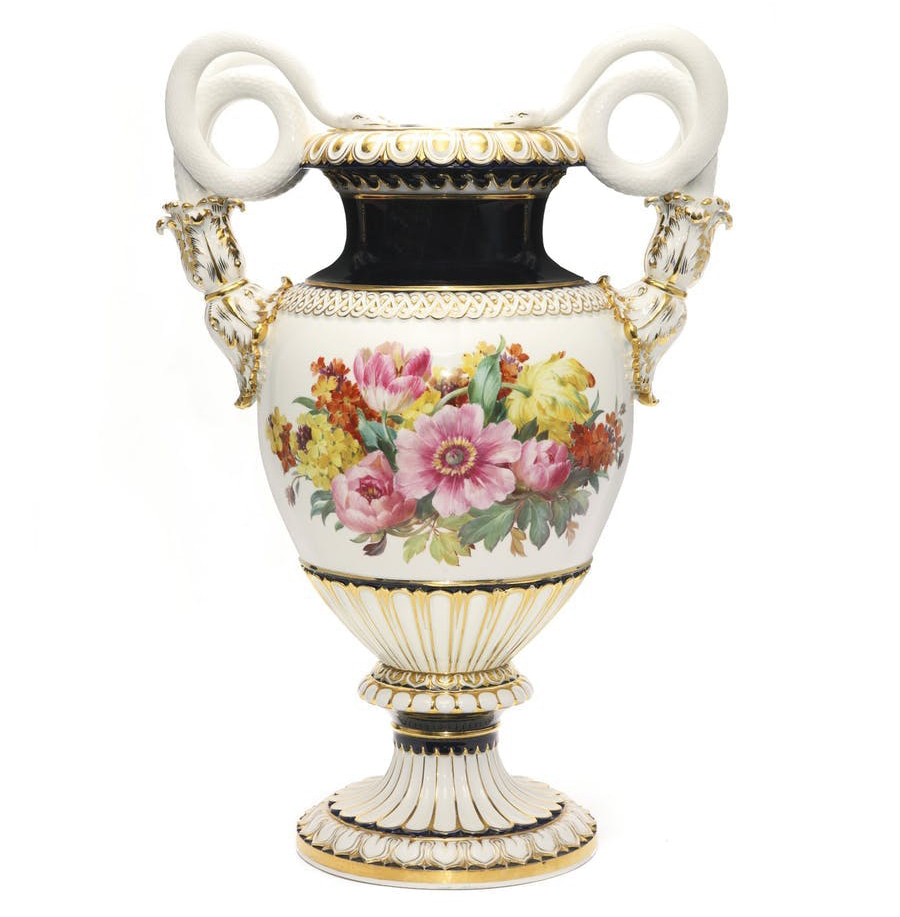
In this phase, however, the snake-handled vase was created by Ernst August Leuteritz (1818-1893), the creative director of the manufactory for many years, which has since become a true Meissen classic.
See also: Käthe Kruse: The Doll Mother
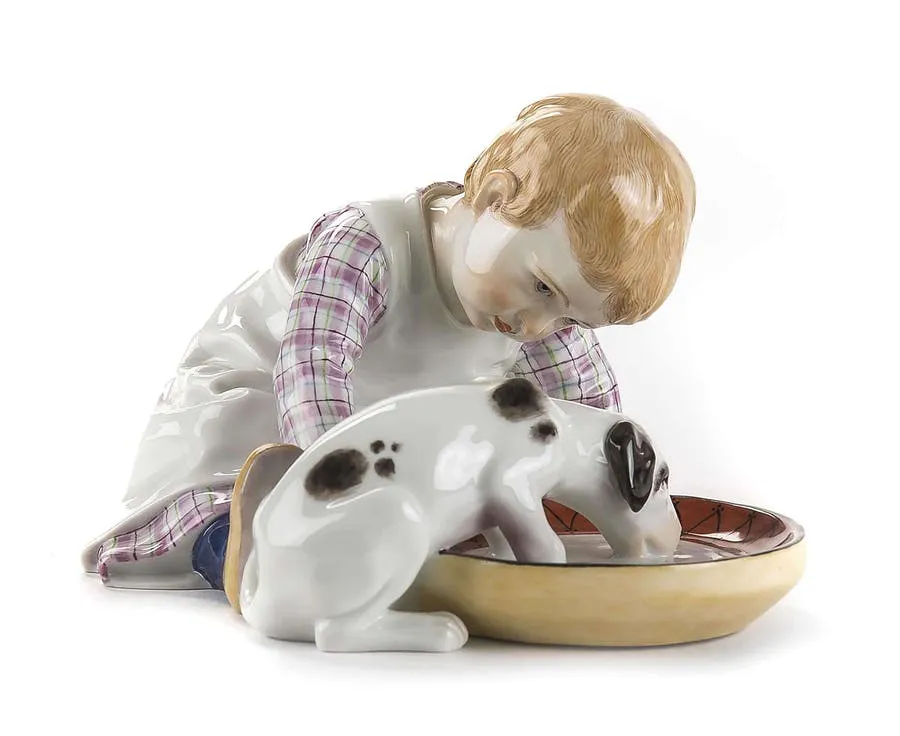
In order to counteract the downward trend in the manufacture, new artists were hired in the late nineteenth century, who breathed new life into production with the design language of Art Nouveau. A collector's item from this period which is still popular today is the series with twelve children playing by Julius Konrad Hentschel (1872-1907), known as 'Hentschel Children'.
See also: How to Value Your Objects in a Click of a Button
During the turbulent twentieth century, the Meissen manufacturer relied on a successful mixture of historical forms and techniques with contemporary reinterpretation and a combination with new designs and trends.
Collecting Meissen
Now in the twenty-first century, Meissen porcelain has become a coveted collector's item. What applies to many other collectors' areas also applies to porcelain from Meissen: first editions are always the most expensive. The heyday of the manufacturer in the early- and mid-eighteenth centuries was shaped by the invention of European porcelain and works by the great masters, such as Johann Joachim Kändler.
See also: Bernard Palissy's Ceramics: Nature on the Plate
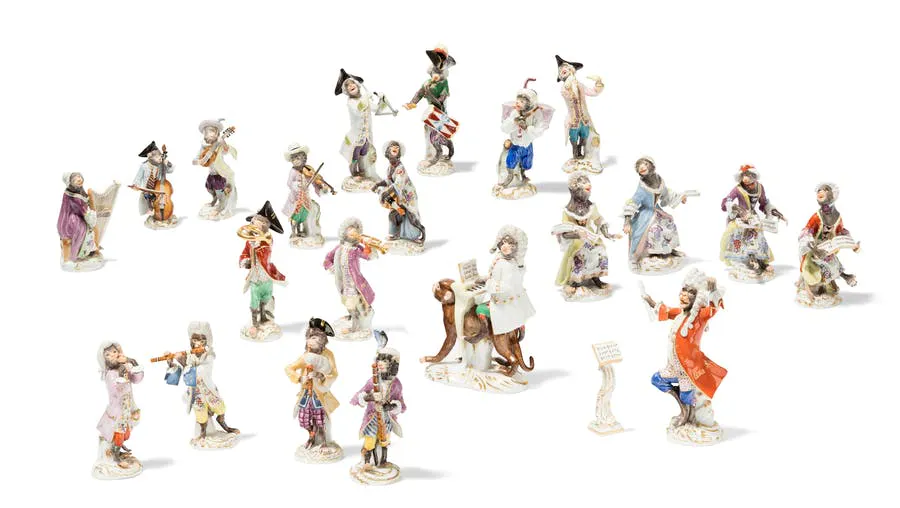
Models from Kändler have been imitated over the centuries. Figures and groups of figures executed close to his works are more expensive than later versions. An example is the humorous 'Monkey Chapel' from 1753, which is still being collected diligently. While a complete series from 1755-56 changed hands at Christie's for €77,343 in 2015, the same auction house only achieved €17,900 for an equally complete chapel, which was from the twentieth century.
Since many designs from Meissen's early days have been reissued, one has to decide whether one prefers an original from the eighteenth century, or if perhaps a later version is sufficient.
Authenticity and Repairs
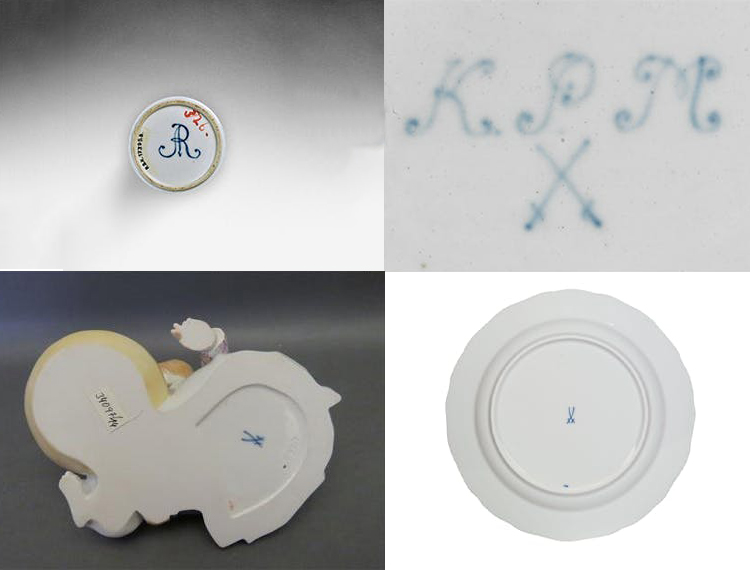
After falling in love with an object, one should first look at its underside as that is where the Meissen manufacture trademarks can be found, mostly in underglaze colour. August the Strong had introduced these trademarks based on the model of Chinese imported goods in order to distinguish himself from the competition in Vienna and to protect the products of his manufacture.
See also: Kintsugi: The Beauty of ‘Golden Scars’
The first ark consisted of the letters 'AR', which stands for 'Augustus Rex', meaning August the Strong in his position as King of Poland. In 1723, the crossed swords were introduced, initially in combination with letter sequences, such as 'KPM' (Königliche Porzellan-Manufaktur), and from around 1730 alone. The design of the swords varied over time. A star was added under Camillo Marcolini (1739-1814), who headed the manufacture from 1774 to 1814, and from the middle of the nineteenth century to 1924, the swords had thickened knobs ('pommel time').
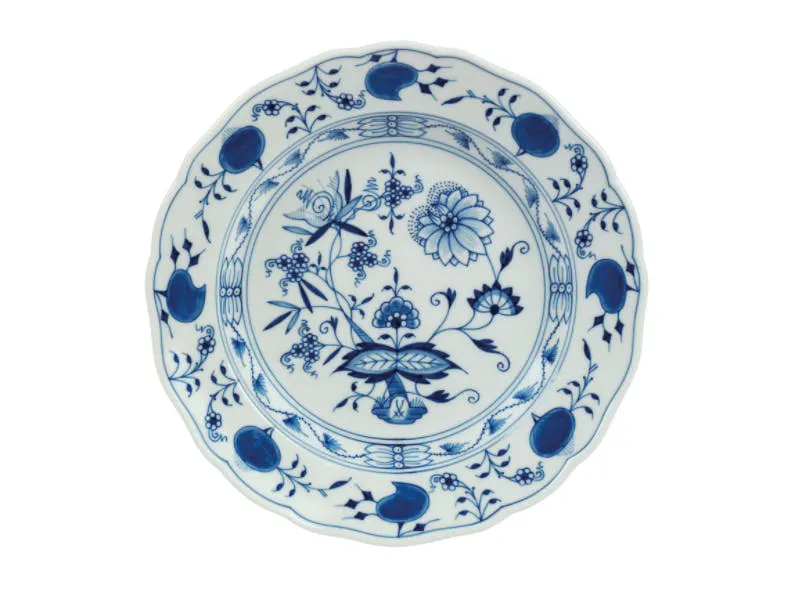
But what about the very early pieces that didn't fall under a brand yet? Here, too, there is a possibility of identification, which has to do with Meissen's role as the inventor of European porcelain. Although the company was launched in 1708, the formula was not yet fully developed and so the porcelain had a slightly yellowish-greyish tone until the late 1720s.
See also: Staffordshire Pottery: Britain's Ceramic Centre
Model, design or paint numbers used according to a special system can also serve as an indication of an authentic piece.
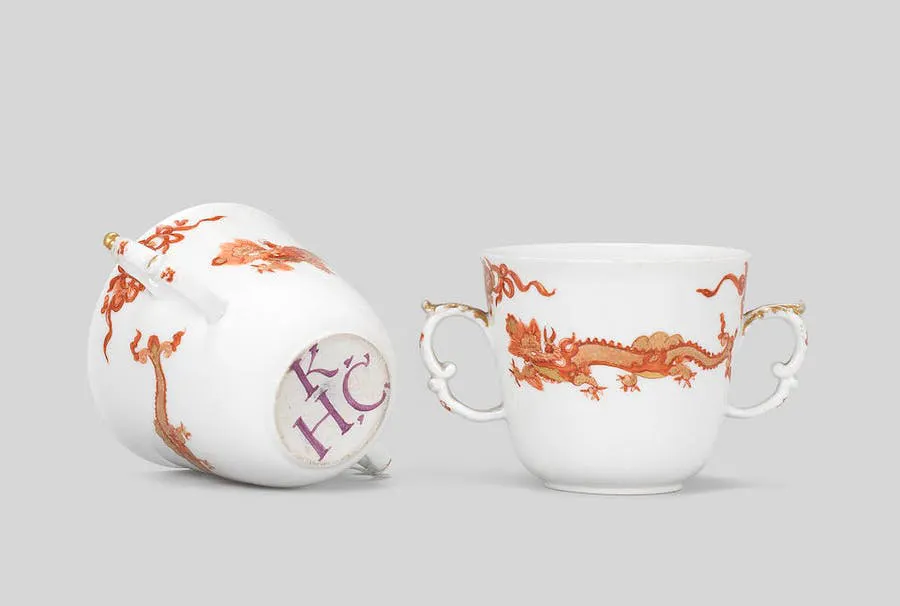
In addition to looking at identification features, it is also necessary to look at possible improvements and repairs. Modern repairs are sometimes so skilfully carried out that it is difficult to even see them. By (carefully) turning a porcelain in the light, a partially different shine could be an indication of a modern addition. Older repairs are usually easier to spot, as the material used for the repair can discolour over time – not a particularly desirable effect on an otherwise immaculately white figure.
In fact, repairs to porcelain, especially very old pieces, aren't welcome, as they take away an object's authenticity. Anyone who buys a repaired porcelain object should know that it would likely resell for a lower price.
Learning More about Meissen
When creating a collection, it is always advisable to acquire the necessary knowledge. Read through specialist literature and well-curated auction catalogues, which are also equipped with many photographs and details.
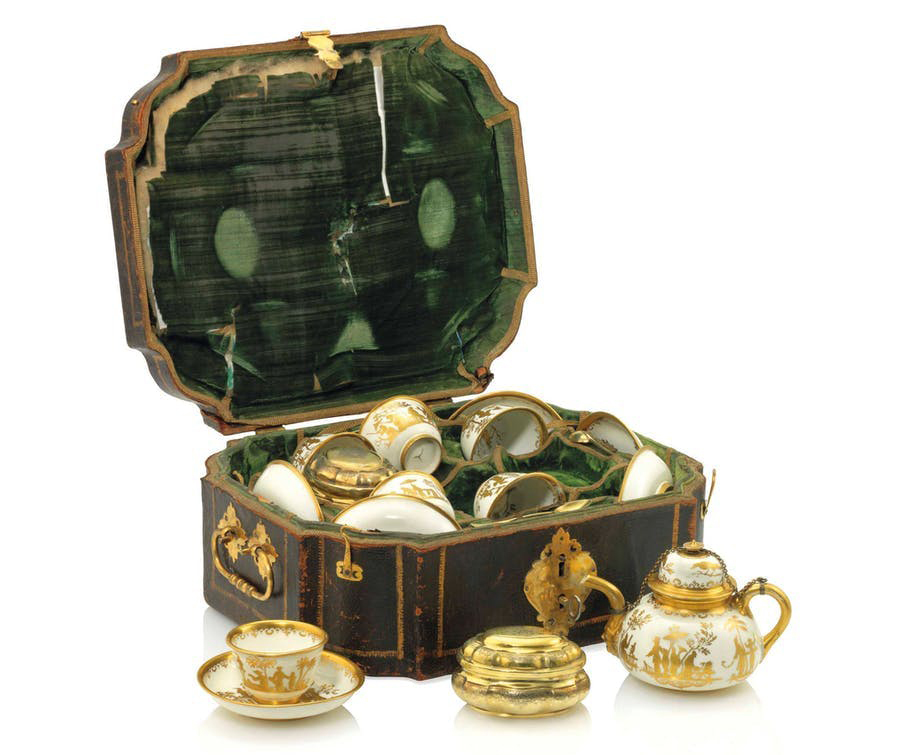
You should also take a close look at Meissen porcelain with your own eyes. First and foremost, of course, the collection in the Dresden Zwinger should be mentioned, which also includes Chinese imported goods that Augustus the Strong had delivered from the Far East. In the Museum of the Meissen Porcelain Foundation, the history and development of Meissen porcelain can be traced chronologically from its early days to the present. The collection with very early pieces made of porcelain and Böttger stoneware in Schloss Favourite in Rastatt is also interesting. Its original owner, Princess Sibylle of Saxe-Lauenburg (1675-1733), was one of Meissen's earliest customers.
Only buy from trustworthy dealers and auction houses who can show expertise in the sale of Meissen porcelain. If one is unsure due to a lack of knowledge, it is always advisable to consult a specialist. One can find out about the development of prices for products from the manufactory in databases. For example, one can find auction prices from the last few decades on Barnebys here.