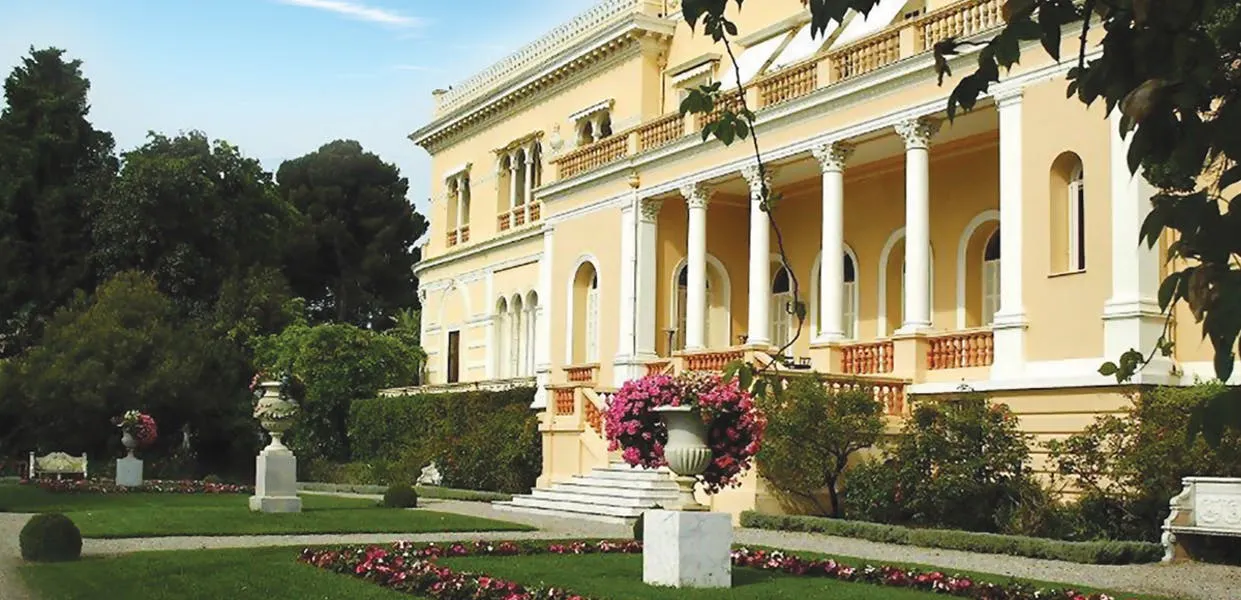
The Monte Carlo Auction House HVMC has teamed up with Christie's to auction the remains of Villa Les Cèdres, the former residence of King Leopold II of Belgium in St Jean Cap Ferrat. The 14-hectare property, which once housed the secret love of the Belgian King, first came into the possession of Lord Sir Edward Cassel, before being acquired in 1922 by Louis Alexandre Marnier Lapostolle, creator of the famous eponymous liqueur.
Today, the sumptuous property changes hands. It is under the hammer of HVMC and Christie's that the artworks, furniture and objects, which have sublimated this place steeped in history for over a century, will be passed on to new collectors.
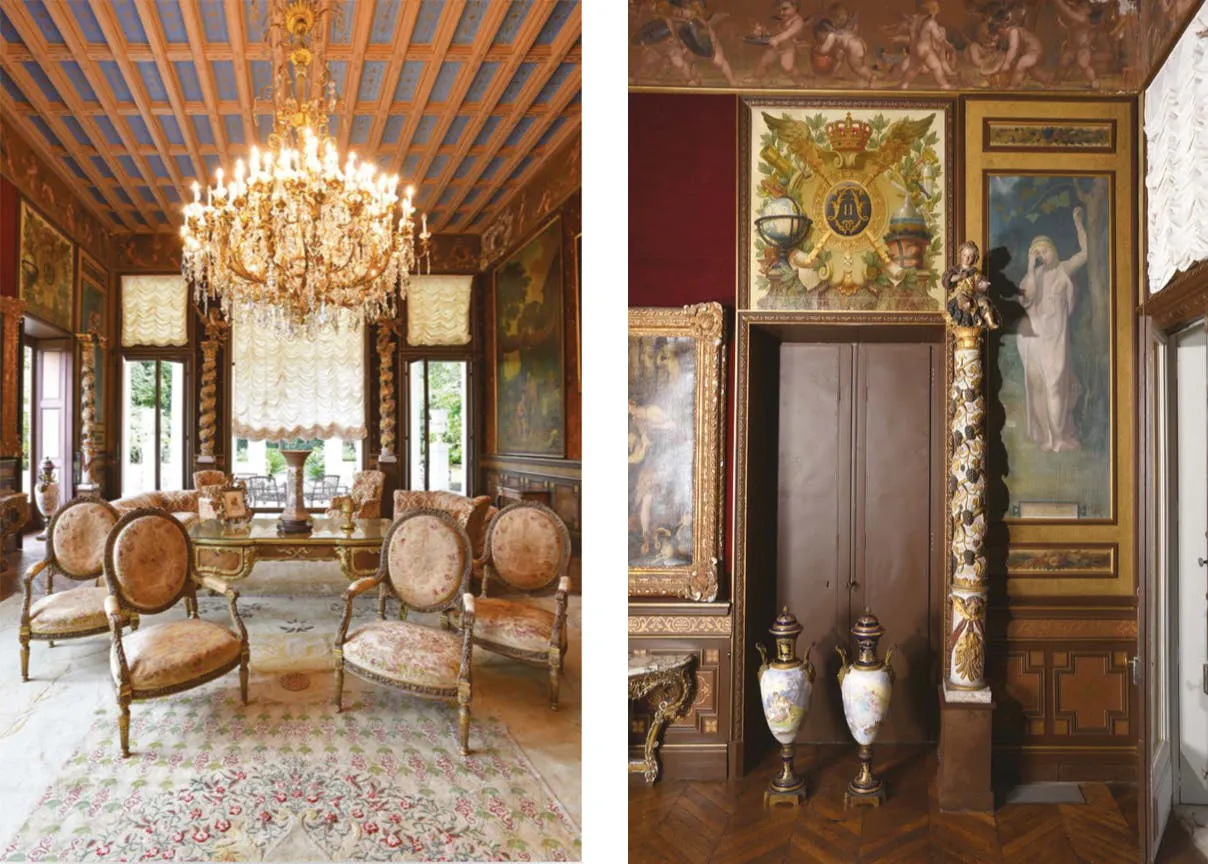
The sale shall begin on 27 November with the contents of the luxurious Salon Rouge (Red Room) of the villa including, among other wonders, a set of five columns in polychrome wood and gold from the eighteenth century, which feature un Amour (a cupid-like figure). A series of five oils on canvas from the French School of the eighteenth century representing biblical scenes will also be offered, and on the furniture side, we note the presence of a remarkable 19th-century flat desk with rosewood veneer.t.
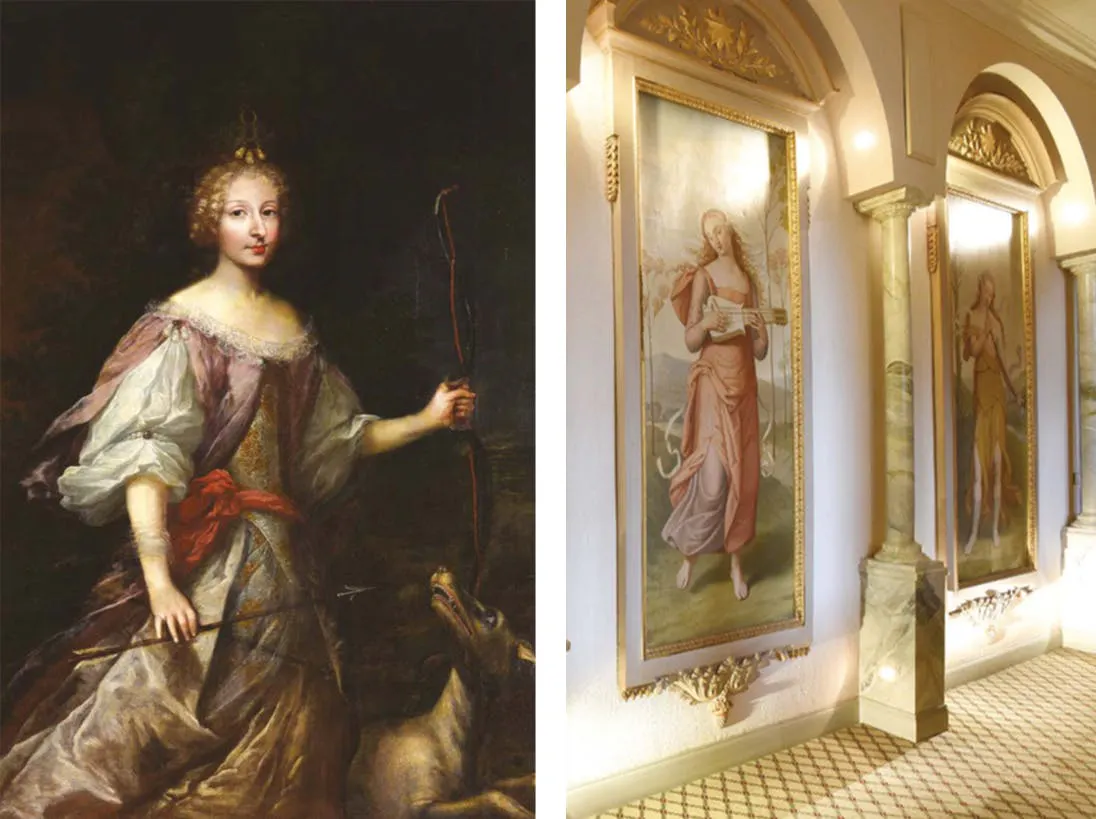
Among the treasures of Salon Jaune (Yellow Room), there is Diane The Huntress, a superb oil on canvas from the North School of the 17th century, with its carved and gilded wooden frame of the 18th century. A ceramic urn on a 19th-century pedestal, which bears the mark of Sèvres, is also present. With a golden frame, the urn is decorated in a Clodion style with women playing in a garden. Finally, an exceptional series of large paintings representing different allegories by Herman Richi look for taker.
This sale includes more than 80 lots will and will plunge collectors into the daily lives of historical characters who have lavished Villa Les Cèdres’ indefectible charm: "In this almost wild place at the end of the world the successive owners found their Thebaid... as the last visitors we are, in the silent contemplation of the diversity of the park, only disturbed by the concert of birds,” says Franck Baille, President of the Monte-Carlo Auction House.
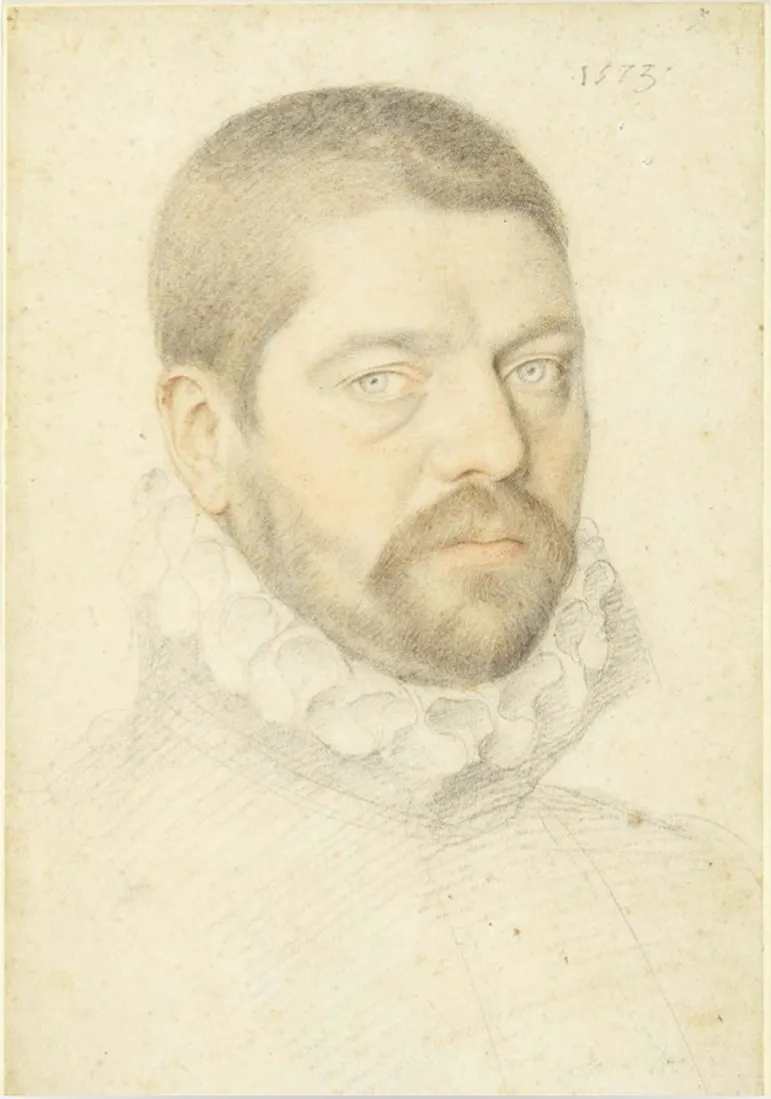
The auction in the afternoon will open on a drawing of Etienne Dumonstier, which is dated 1573. Long attributed to François Quesnel, the paternity of this portrait was finally made to Etienne Dumonstier, son of the painter and engraver of the school of Fontainebleau Geoffroy Dumonstier. Specialising from an early age in portraiture, Etienne entered the service of the Queen Mother, Catherine de Médicis, around 1565, before becoming a painter and valet of King Henry III in 1576. Dumonstier's work demonstrates an impressive technical mastery and a pronounced taste for light effects and marked shadows.
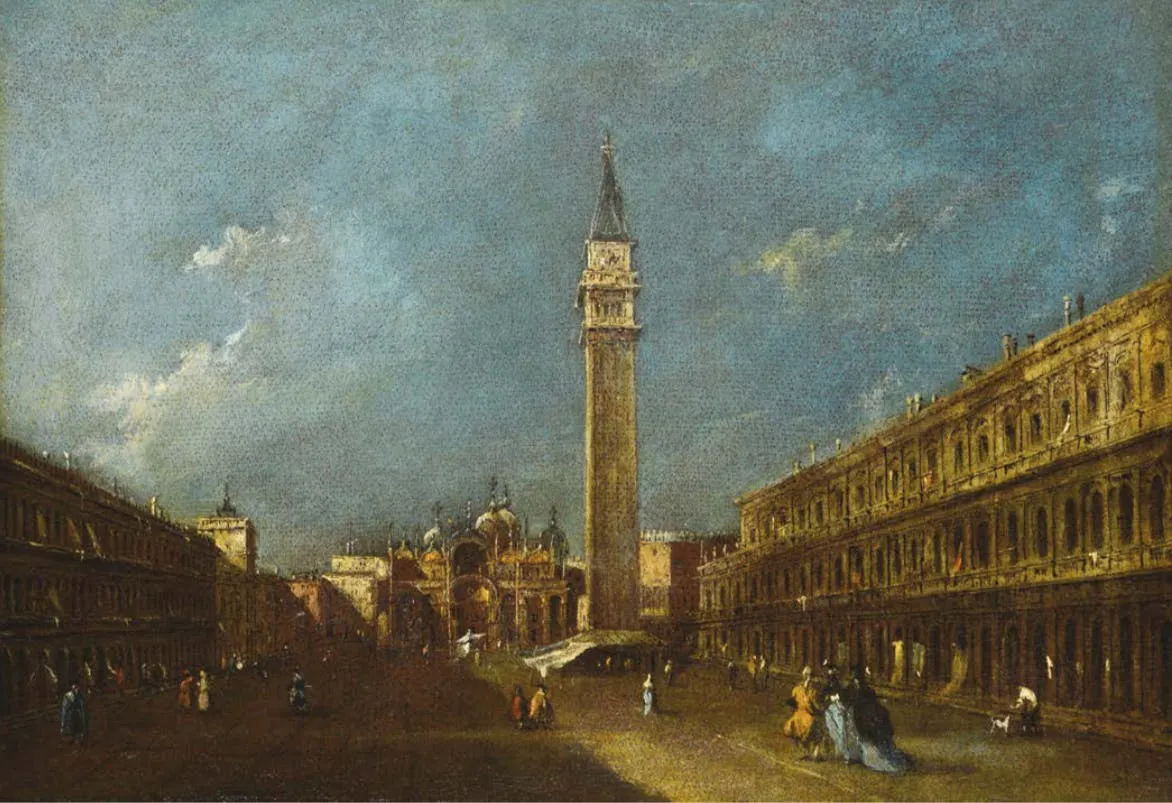
The view of the Venetian Piazza San Marco, much appreciated by the painters of veduta, has been represented almost 50 times by the artist Francesco Guardi, all from different angles, at various times or with changing light atmosphere, and with characters taking varying positions. Of all the paintings in St. Mark's Square with this type of framing, it is the one preserved in the J. Johnson collection at the Museum of Art in Philadelphia that this painting comes closest to. This work, reviewed by Éric Turquin, summarises all the art of Guardi, who gave this extremely classic view a vibrant, bright and colourful atmosphere.

This painting of 1900 is signed by Roubaud Franz Alexïevitch, a painter from a French family specialising in battle scenes, great military epics, Cossack portraits and panoramic compositions. Here, Alexeyevich represents the historic moment of proclaiming the truce during the Russo-Caucasian War in 1864, ending a long and painful conflict. The governor of the Caucasus reads the proclamation of peace in front of the troops in the Kwaab region, east of the Black Sea.
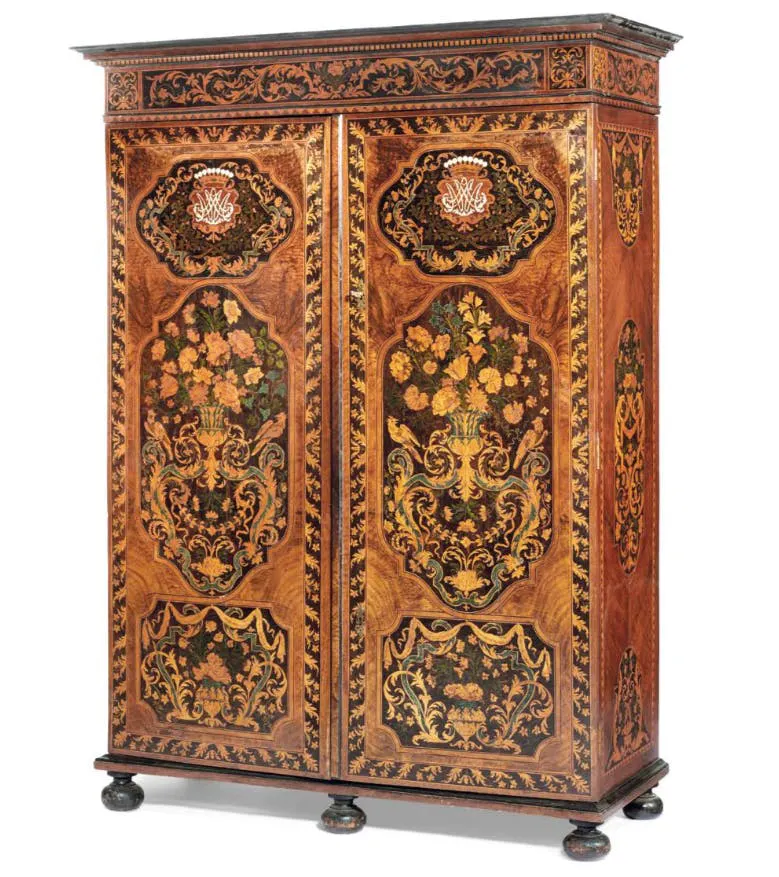
Within the furniture section is this exquisite cabinet by Thomas Hache, manufactured in Chambéry, administrative capital of the States of the Duke of Savoy, around 1690-95. Hache was known for his almost exclusive use of Alpine wood, for his unusual graphic effects and his inventions of new editing techniques. This cabinet has a refined floral marquetry and is one of the most richly inlaid models of this cabinetmaker of genius.
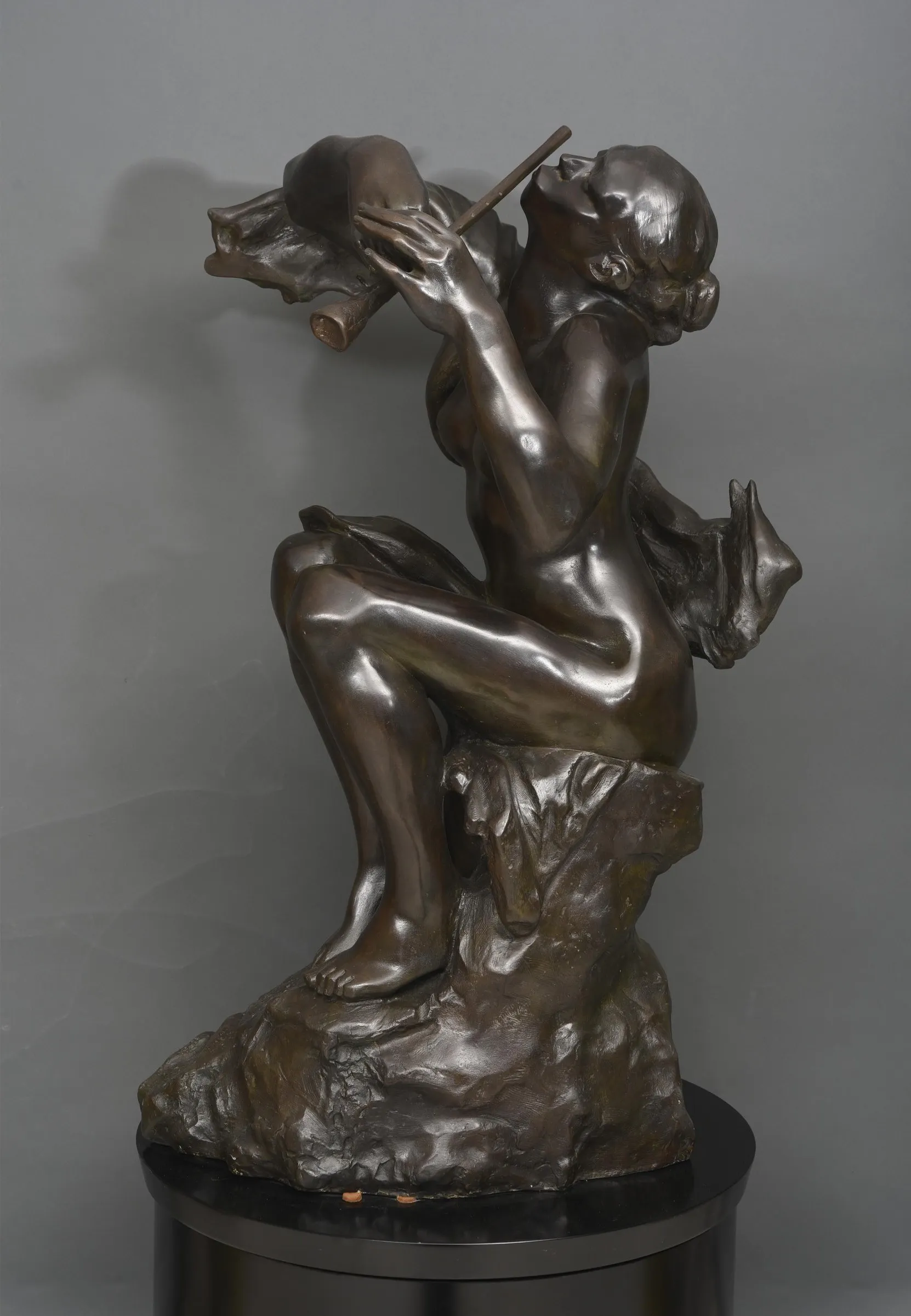
The flute player is Camille Claudel's bronze, the first in an eight-piece edition, illustrating the artist's virtuoso ability to represent complex poses and textures. Carried away by the music, the young woman displays an expression so intense that one could almost hear the melody escape from her instrument.
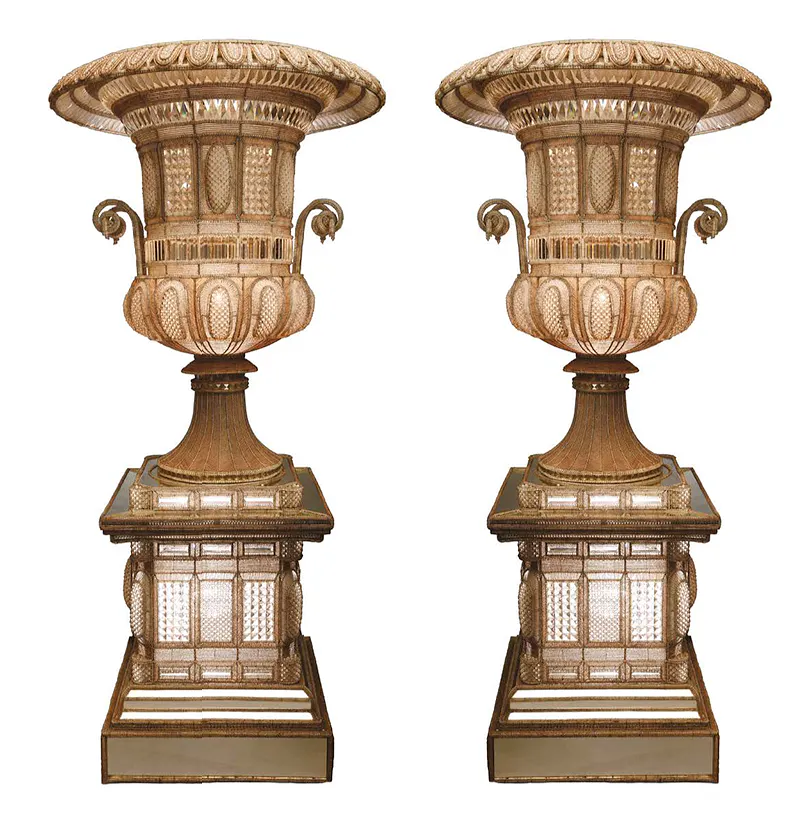
The category of art objects will close on an incredible pair of monumental vases, which weave pearls ‘Gatsby’ style. These astonishing works of art of ‘Medici form’ were designed in Italy around 1940, and rest on a mirrored pedestal and beads forming geometric patterns that bring their total height to 2.22 meters.
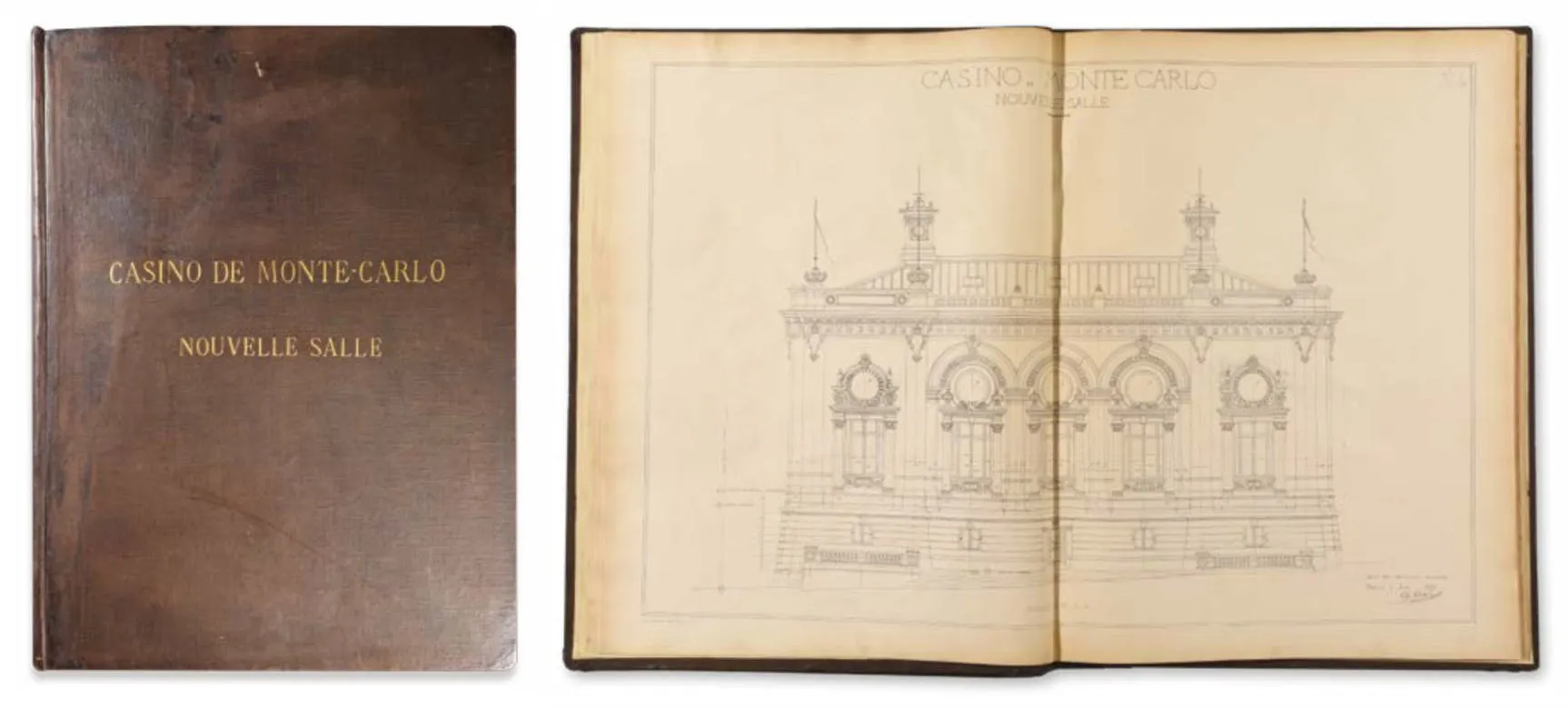
We finally end this selection with a book of great value: a rare testimony to the design of the Casino de Monte-Carlo, built in 1880 by Charles Garnier, the architect of the Paris Opera and the Observatoire de Nice. This copy is an album containing 31 plates lithographed according to the original plans of Garnier, presenting elevations and architectural details of the Casino. There is as yet only one other known copy of this album, currently kept in the library-museum of the Paris Opera.
This article is sponsored by HVMC