This is an updated version on an article originally published on 13 January 2020
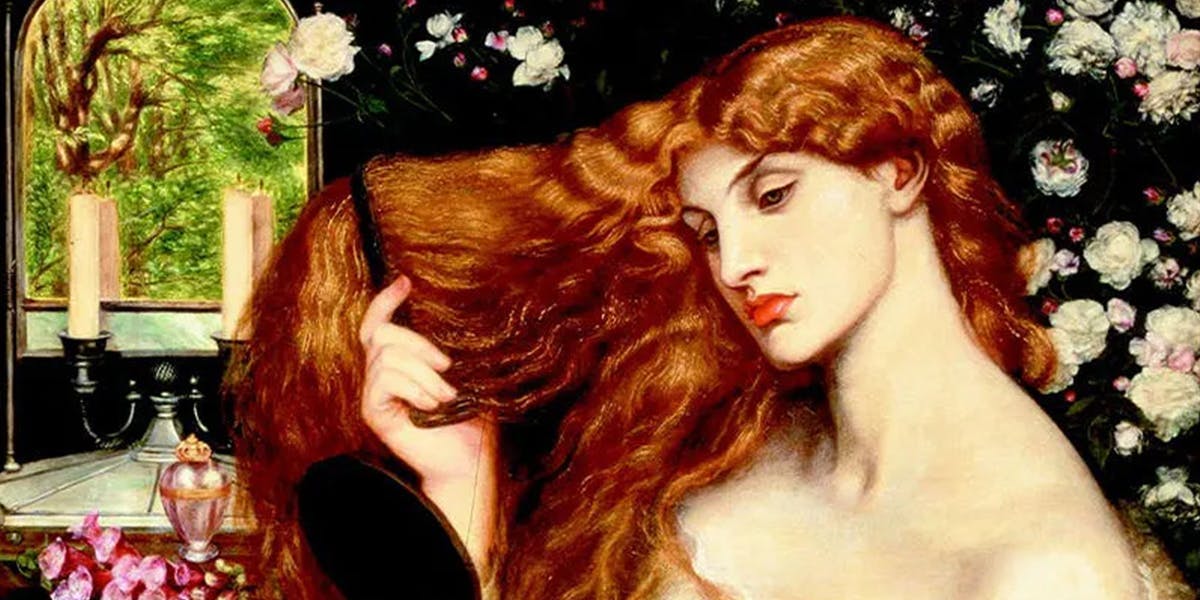
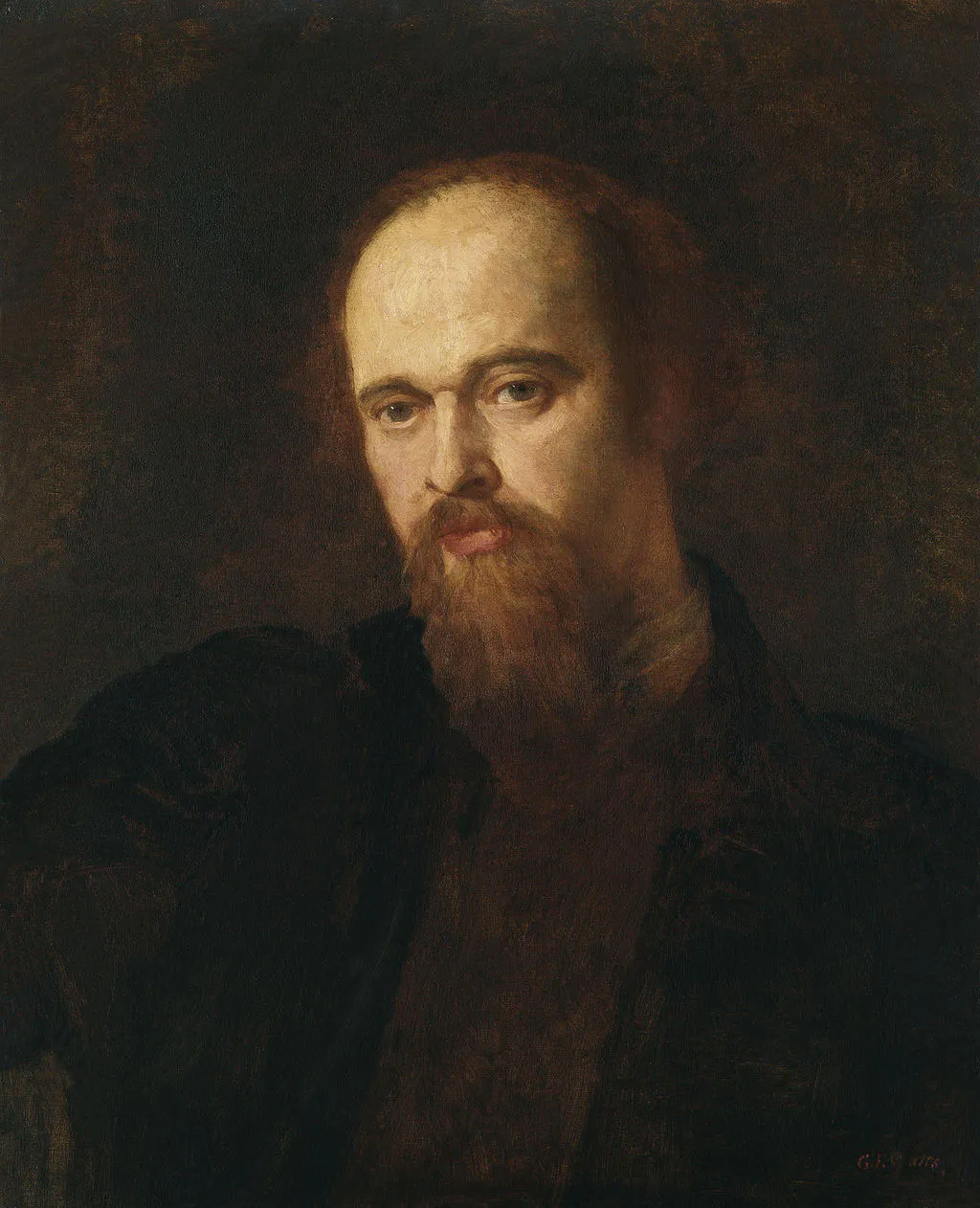
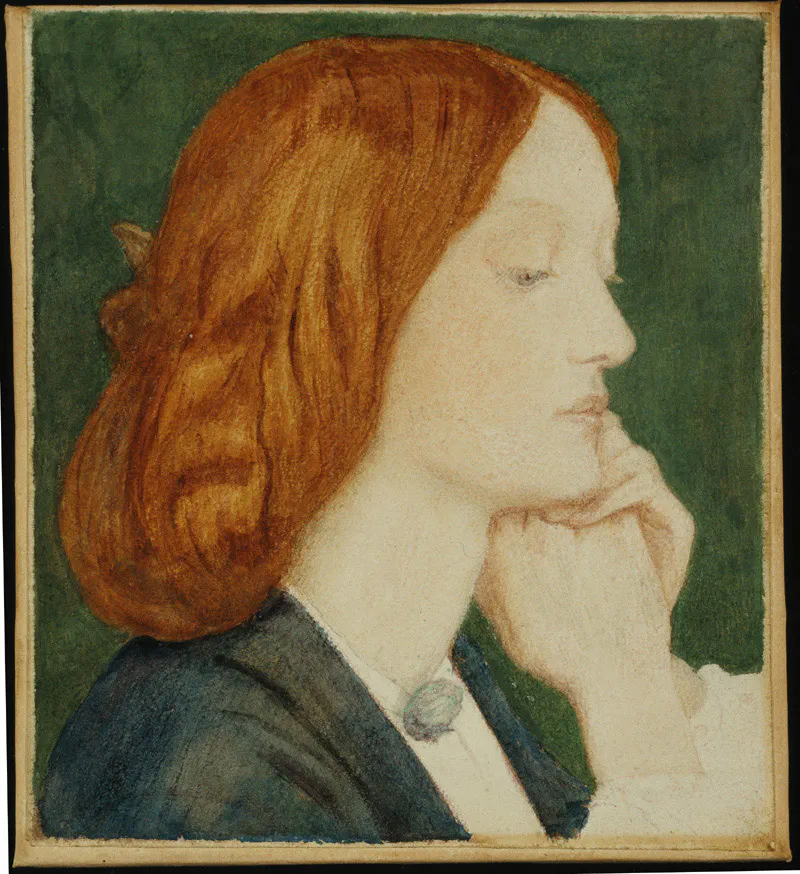
Elizabeth Siddal, or Lizzie as she came to be called, was born in London on 25 July 1829 and grew up with an appreciation for poetry and art. She was discovered by British artist Walter Howell Deverell, who then told fellow Pre-Raphaelites Dante Gabriel Rossetti and William Holman Hunt about the woman he encountered. At that time, Siddal worked in a hat shop, which meant nasty conditions. Because of the circumstances, Lizzie's mother came up with the suggestion that her daughter work as a model, despite its association with prostitution.
See also: The Female Look: 11 Women Who Changed Photography
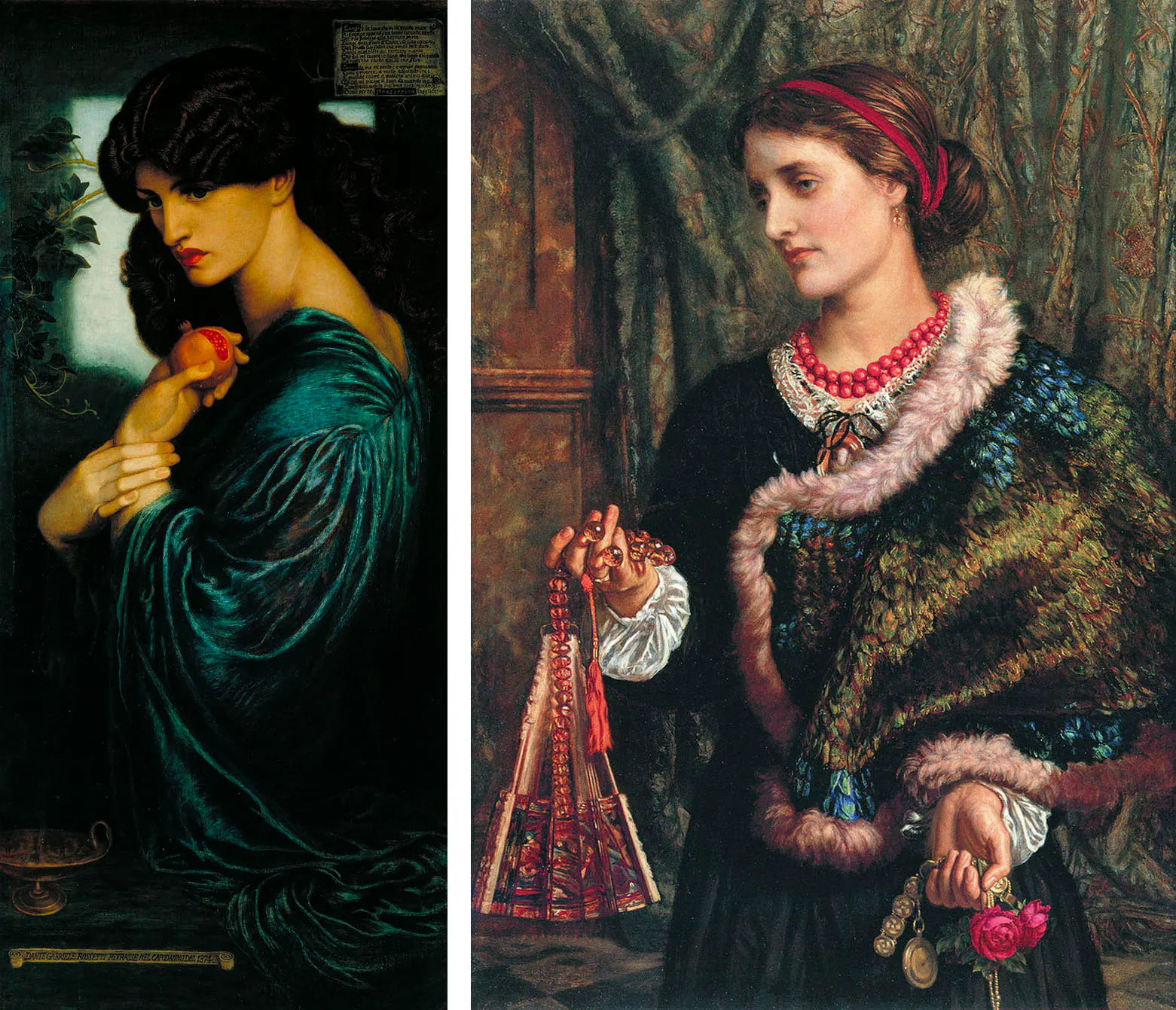
The Pre-Raphaelites were founded by the artists John Everett Millais, Dante Gabriel Rossetti and William Holman Hunt in 1848. It was a secret group of seven British artists, poets and art critics who had been inspired by the author John Ruskin. The group worked against the style ideals that prevailed at the time, which were led by Raphael and Michelangelo. Their work was a return to pre-Renaissance ideals, inspired by history, myth, nature and medieval culture.
See also: The First Abstract Artist
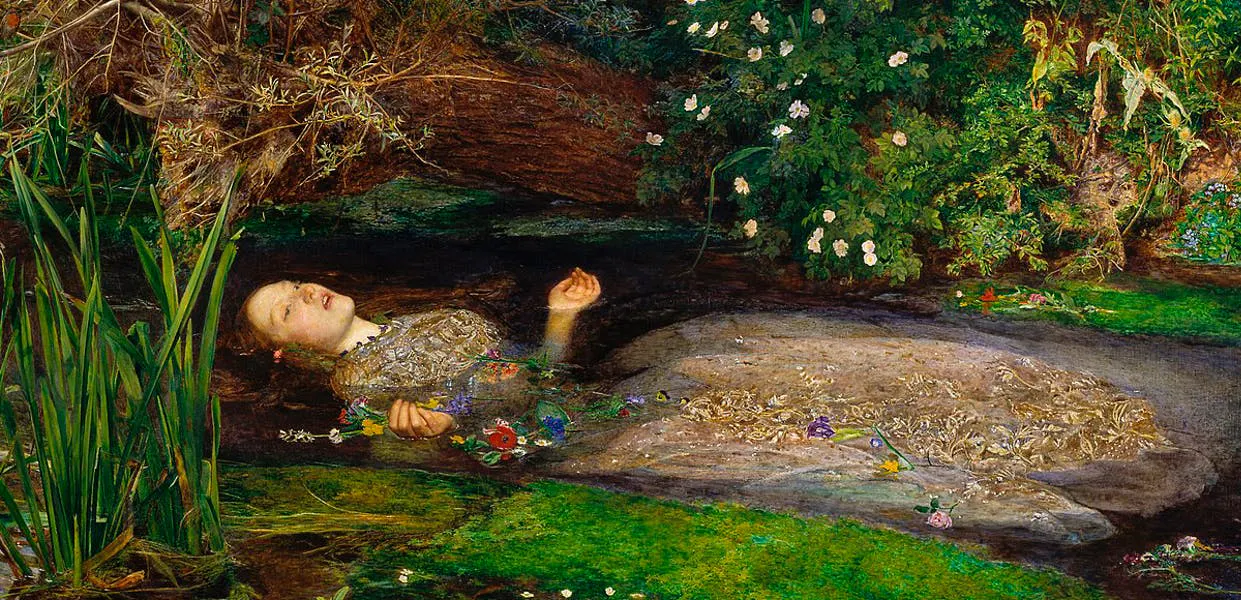
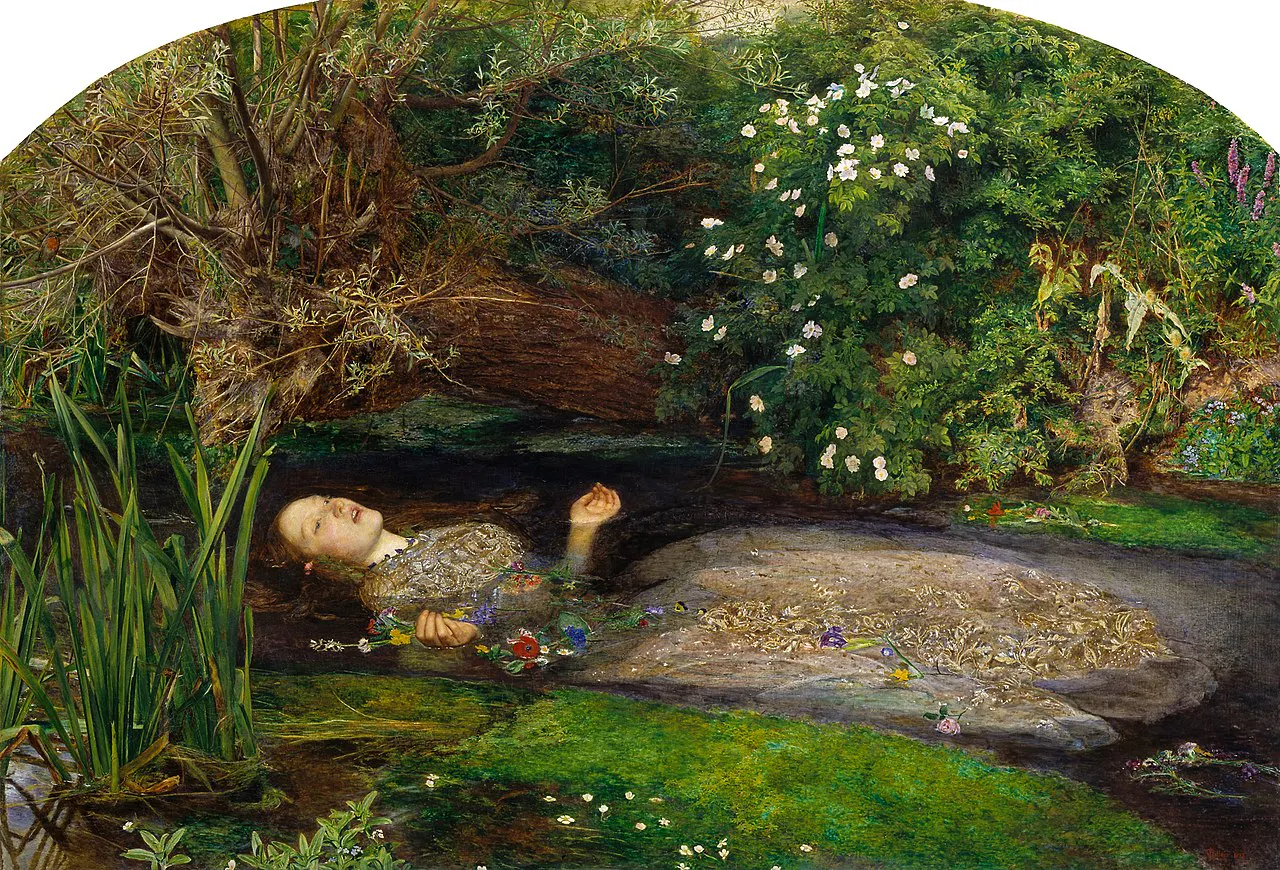
One of the most well-known works which Lizzie modelled for is Millais' Ophelia, which was completed in 1852. She posed for Millais in a bathtub filled with water during winter time. He placed oil lamps under the tub to keep the water warm but the lights went out once, causing Lizzie to lie in the icy water. After the time in the cold bath, she got pneumonia and started taking laudanum, opium drops as a pain reliever.
See also: The 8 Top-selling Women of the YBA
When the artwork was completed, Lizzie became famous and more artists wanted to work with her. She modelled for artist Dante Gabriel Rossetti, but he did not like all the attention she received from other artists. As a result, Lizzie exclusively joined his studio and he portrayed her as the idealised woman: beautiful, educated, wealthy and spiritual. They became a couple, but their relationship was stormy and they were engaged for ten years because Rossetti refused to set a date for the wedding, as he was nervous of the backlash from his prominent family. During these years he was also constantly cheating and Lizzie became addicted to laudanum.
See also: The 9 Most Important Feminist Photographs
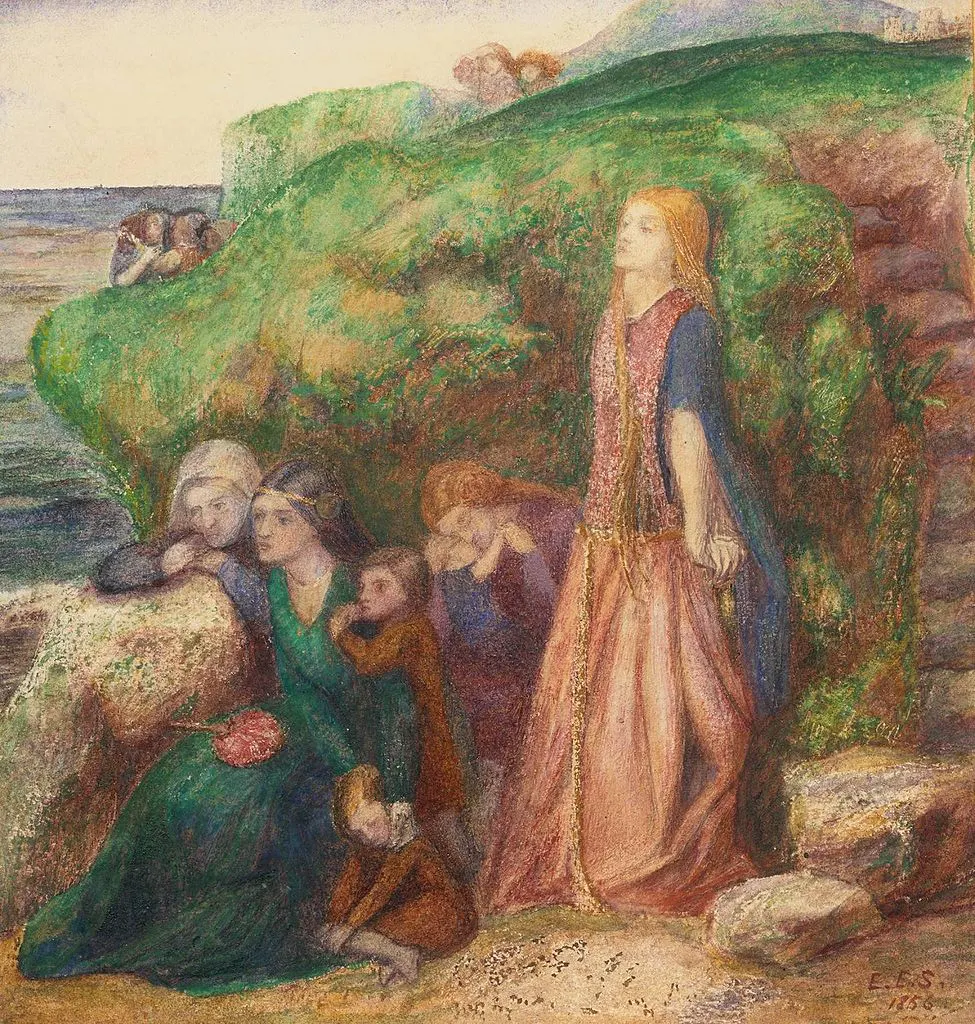
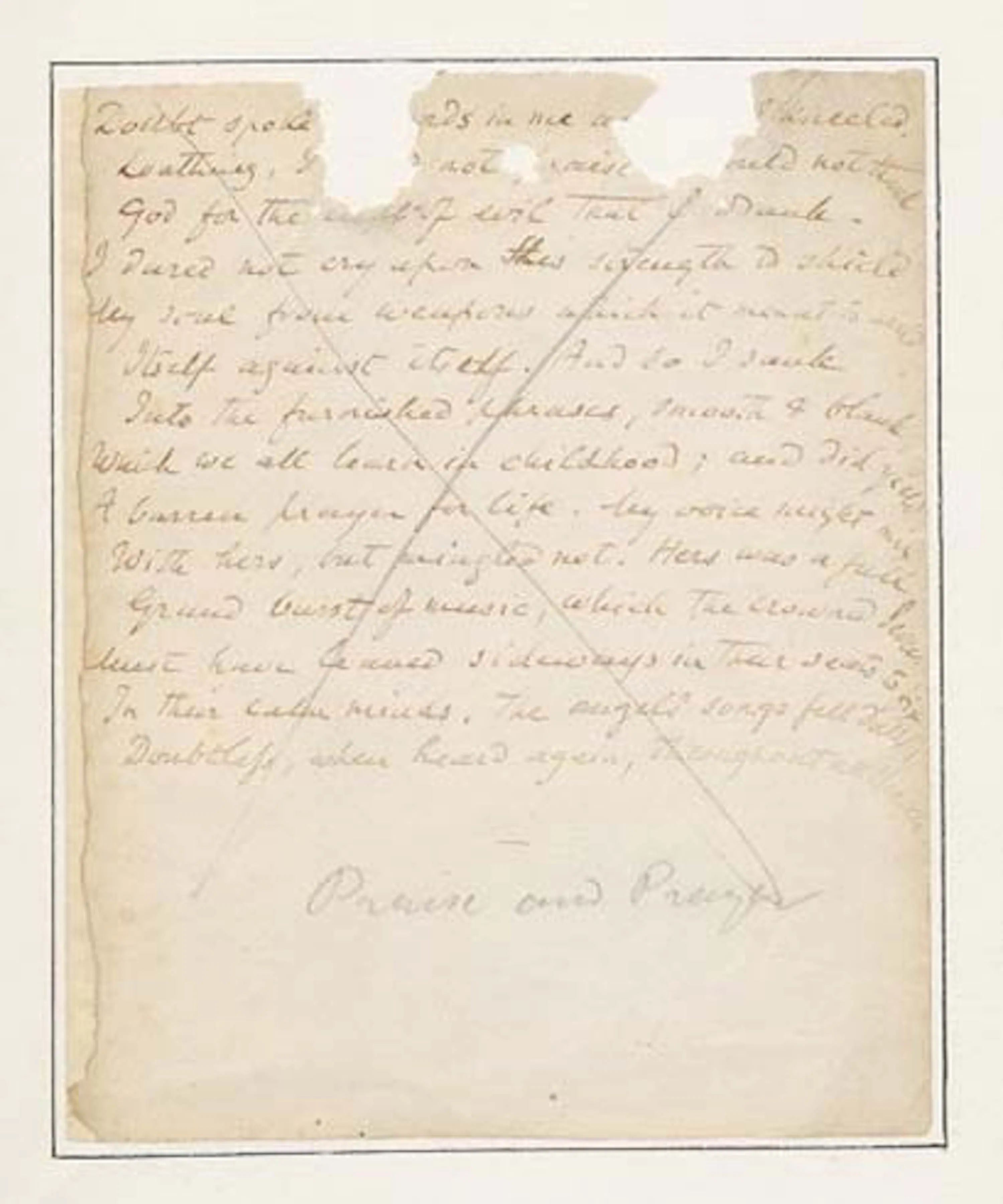
Despite the misery that characterised their relationship, Lizzie learned to paint thanks to Rossetti and became a successful artist and poet in her own right. Ruskin said she was a genius and she was also the only female artist to exhibit at the Pre-Raphaelite exhibition in London in 1857. She then moved to Sheffield where she continued to develop her artistry and poetry.
See also: 10 Artist Couples You Should Know
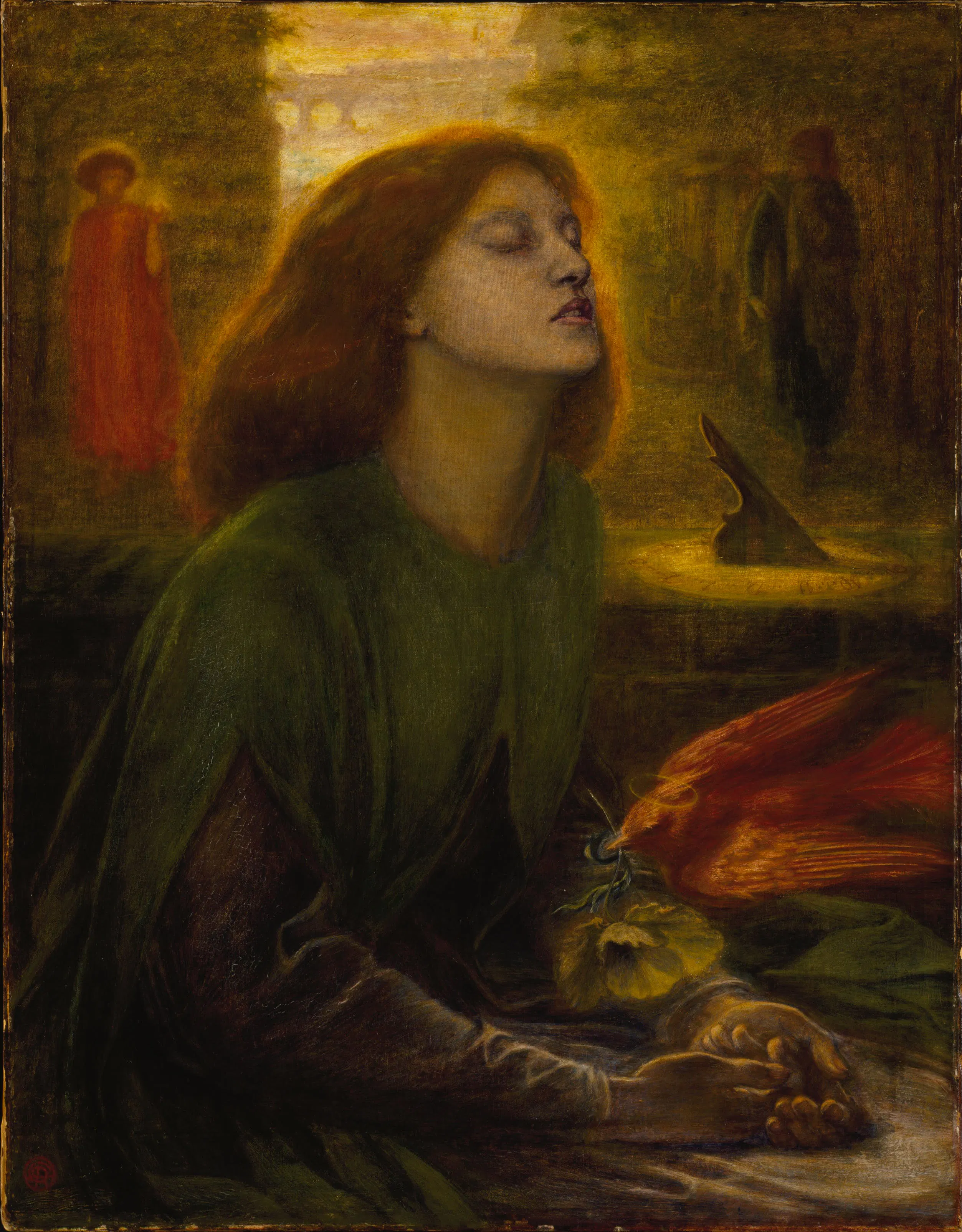
In early 1860, Lizzie's health deteriorated and when Rossetti heard about her failing health he married her immediately. She then lived in Hastings, but was in such poor condition that she had to be carried to the church to attend her own wedding. The year after the wedding she became pregnant, but suffered a miscarriage. Lizzie became depressed afterwards, but became pregnant again the same year. Unfortunately, Lizzie committed suicide during this pregnancy on 11 February 1862.
Want more articles like this straight to your inbox? Sign up to our free newsletter
It was Rossetti who discovered her lifeless in bed. Next to her was a bottle of laudanum and a note asking him to take care of her brother. Rossetti burned the note and other evidence suggesting suicide because at this time a Christian burial was denied if one killed themselves.
See also: The 15 Most Expensive Female Artists
When Lizzie was buried, Rossetti put the only copy of his poems in her coffin, something he would regret a few years later. After seven years, Rossetti had become unstable and asked his friend to dig up the collection of poems. The friend then told Rossetti how her body had been beautifully preserved and her copper-coloured hair filled the entire coffin. While this story may just be myth, many believe that thanks to her beauty and artistic representations, Elizabeth Siddal is immortal.

The current auction record for a work by Siddal is St. Agnes' Eve, a brown ink work from 1836, which sold at Christie's in 2009 for US$27,219 (£20,960). Edward Burne-Jones' Three Marys, of which one of the Marys was inspired by Elizabeth Siddal, sold at Sotheby's in 2018 for $334,312 (£257,470) and a drawing titled Elizabeth Siddal seated in a chair by Dante Gabriel Rossetti sold for $120,540 (£92,830) at Christie's at 2004. Through til 26 January 2020, an exhibit celebrating the Pre-Raphaelite Sisters, twelve women of the movement, including Siddal, is on show at the National Portrait Gallery in London.