
22 May sees Elstob & Elstob’s ‘Jewellery, Watches & Silver’ auction: a catalogue of over 650 exquisite lots, from the unique to the charming and the decadent.
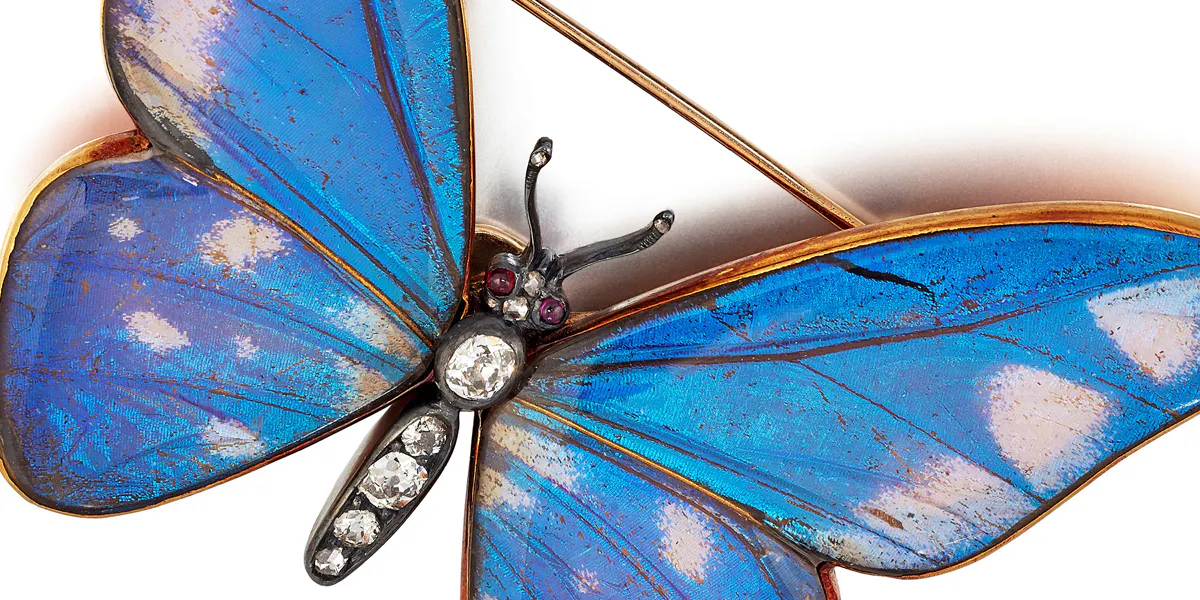
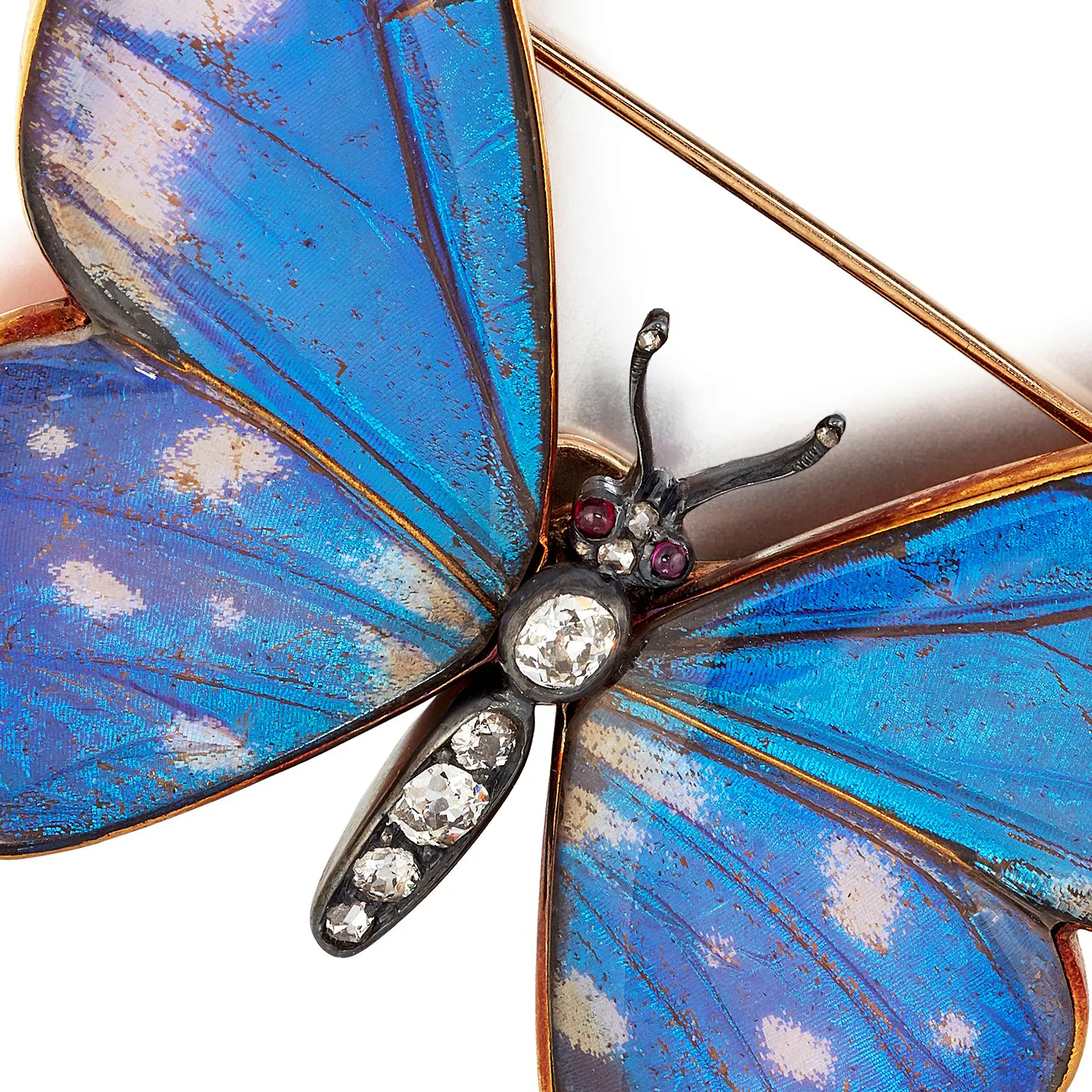
One of the stand out lots is a stunning early-twentieth-century butterfly wing brooch by famed Austrian jeweller Ernst Paltscho (1858-1929). This beautiful, life-size butterfly brooch incorporates real butterfly wings, encased behind rock crystal and accented by diamonds.
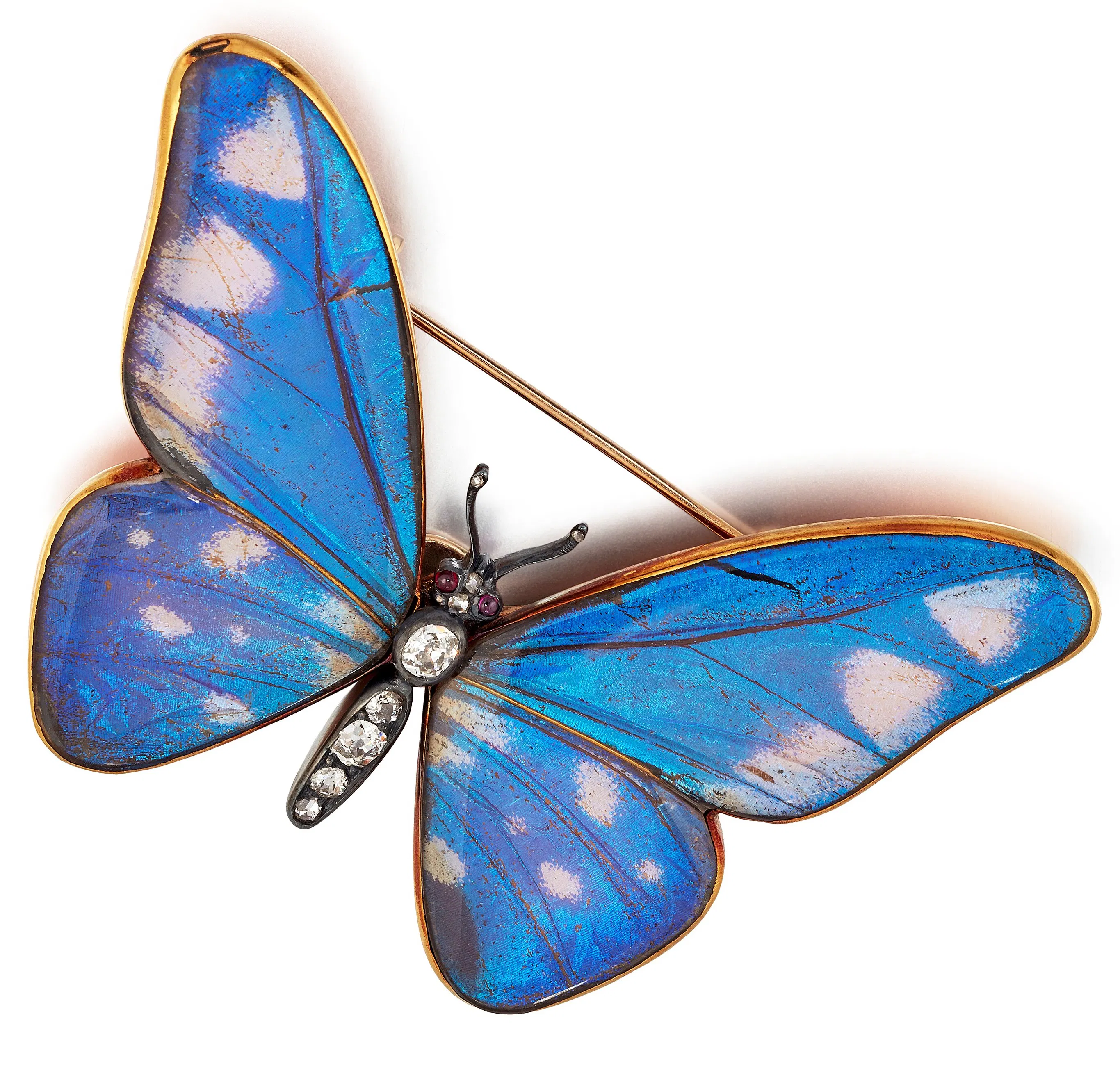
These vibrant iridescent blue butterfly wings come from the Morpho butterfly, a genus of over 29 separate species originating from South America and Mexico. Known for their vibrant shimmering wings in shades of blue and green, the Morpho butterfly became highly prized by jewellers.
The Victorians, in particular, incorporated insect designs into their jewellery, from buzzing bees to crawling spiders, but no creature was as popular as the butterfly – a symbol of rebirth and the soul of those departed. Butterfly wing jewellery became in vogue in the 1920s in particular, after jeweller Thomas L. Mott displayed his range of reverse painted butterfly wing jewellery at the 1924 British Empire Exhibition. This brooch by Ernst Paltscho is a particularly early example of butterfly wing jewellery, their use being patented by Paltscho (and very rare on the auction market).
An advertisement for the firm at the 1906 Imperial-Royal Austrian Exhibition at Earl’s Court proudly declared Ernst Paltscho to produce the “Finest Jewels of every kind and style. Specialities of Gold Jewellery. Patented Jewellery Articles with Natural Butterfly’s wings".
A firm spanning three generations, Paltscho was founded by Ernst Paltscho in Vienna in 1899. Trained by his father Carl, Ernst Paltscho was renowned for his vivid designs, inspired by the natural world, and became known as the ‘Jeweller to the Kings’, commissioned by Austro-Hungarian aristocracy and members of the Greek royal household.
Many pieces by Paltscho are found in museums over the world, including an exquisite Bonsai Tree brooch in the British Museum. Made from carved jade and set with diamonds, this Bonsai Tree brooch is typical of Paltscho’s vivid use of colour and natural themes.
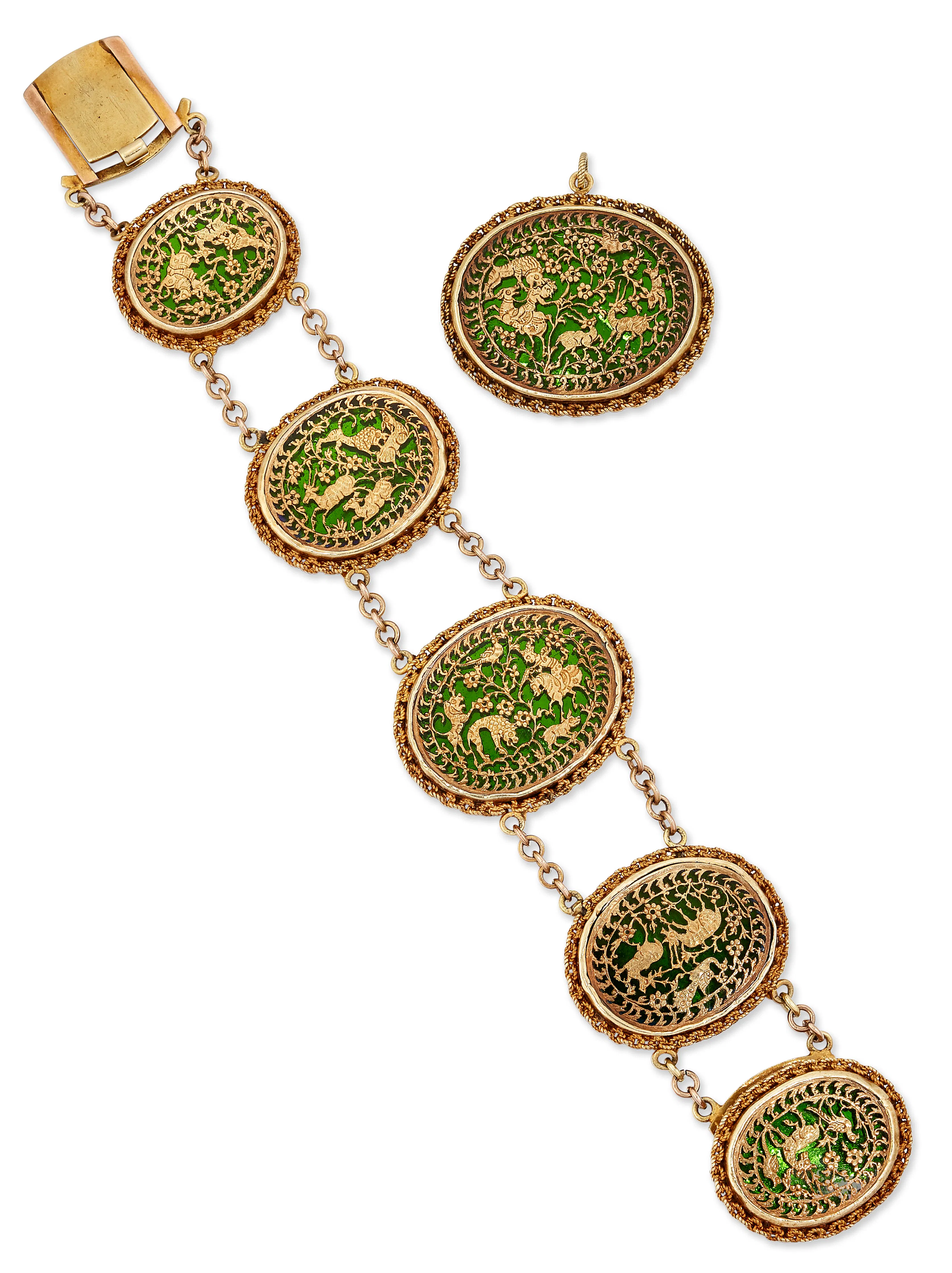
Another piece of jewellery which incorporates the animal kingdom is this mid-nineteenth-century Indian Pratapgarh (Rajputana) enamel bracelet and brooch pendant suite. The bracelet of graduated oval links of green enamel is inlaid with various animal and hunting scenes, within foliate and decorative scrolls. These are set within chain link borders, connected by belcher links. The brooch/pendant matches in the same style.
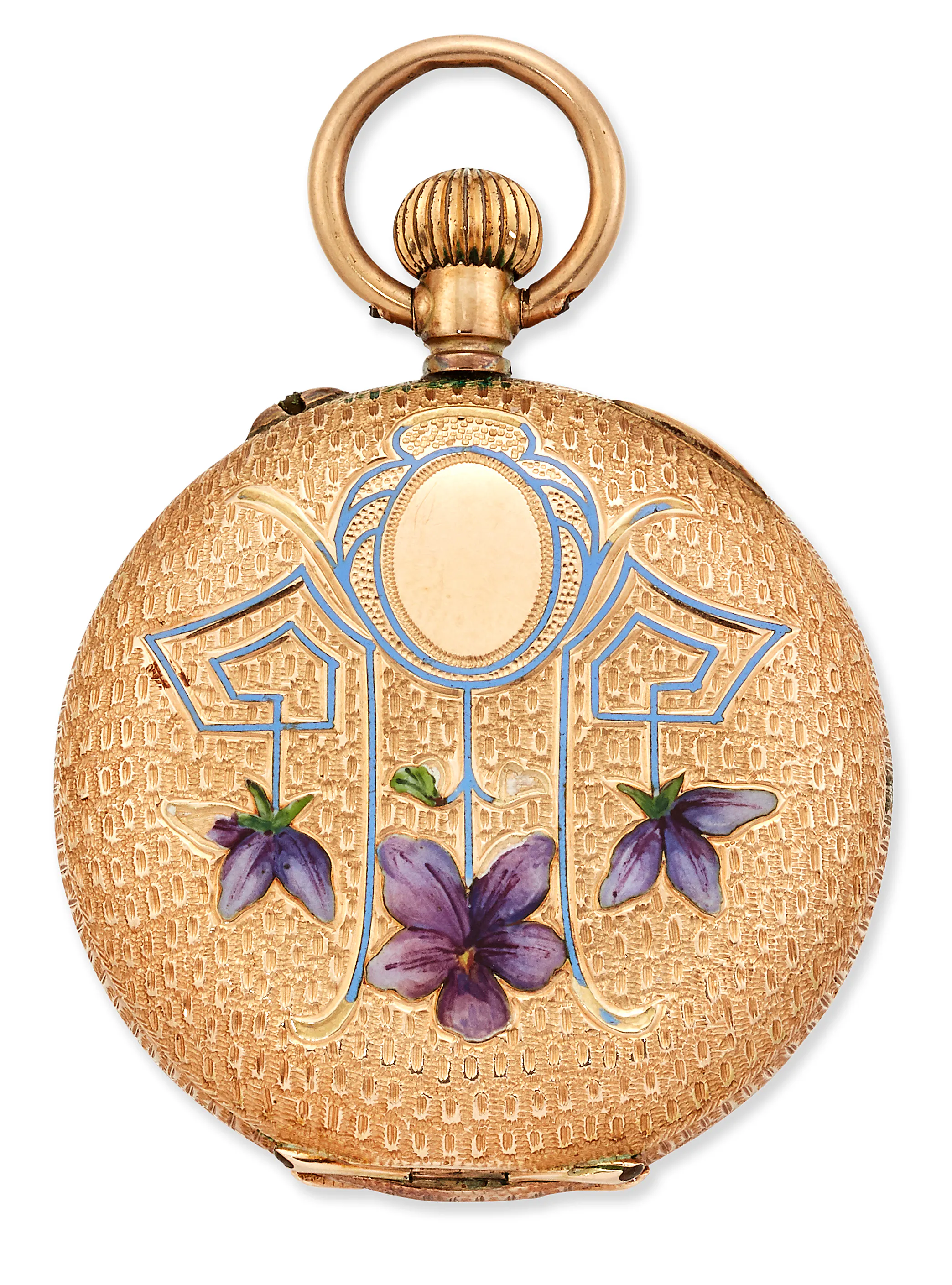
For those that wish to make a statement when telling the time, this lady’s 12 carat gold fob watch features a circular white enamel dial with black Roman index and gilt outer minute track. The steel hands are blue, set inside an enamel-backed case with violets beneath angular scrolls and a vacant cartouche, hallmarked with the sponsor’s mark ‘N.S’, London import 1909.
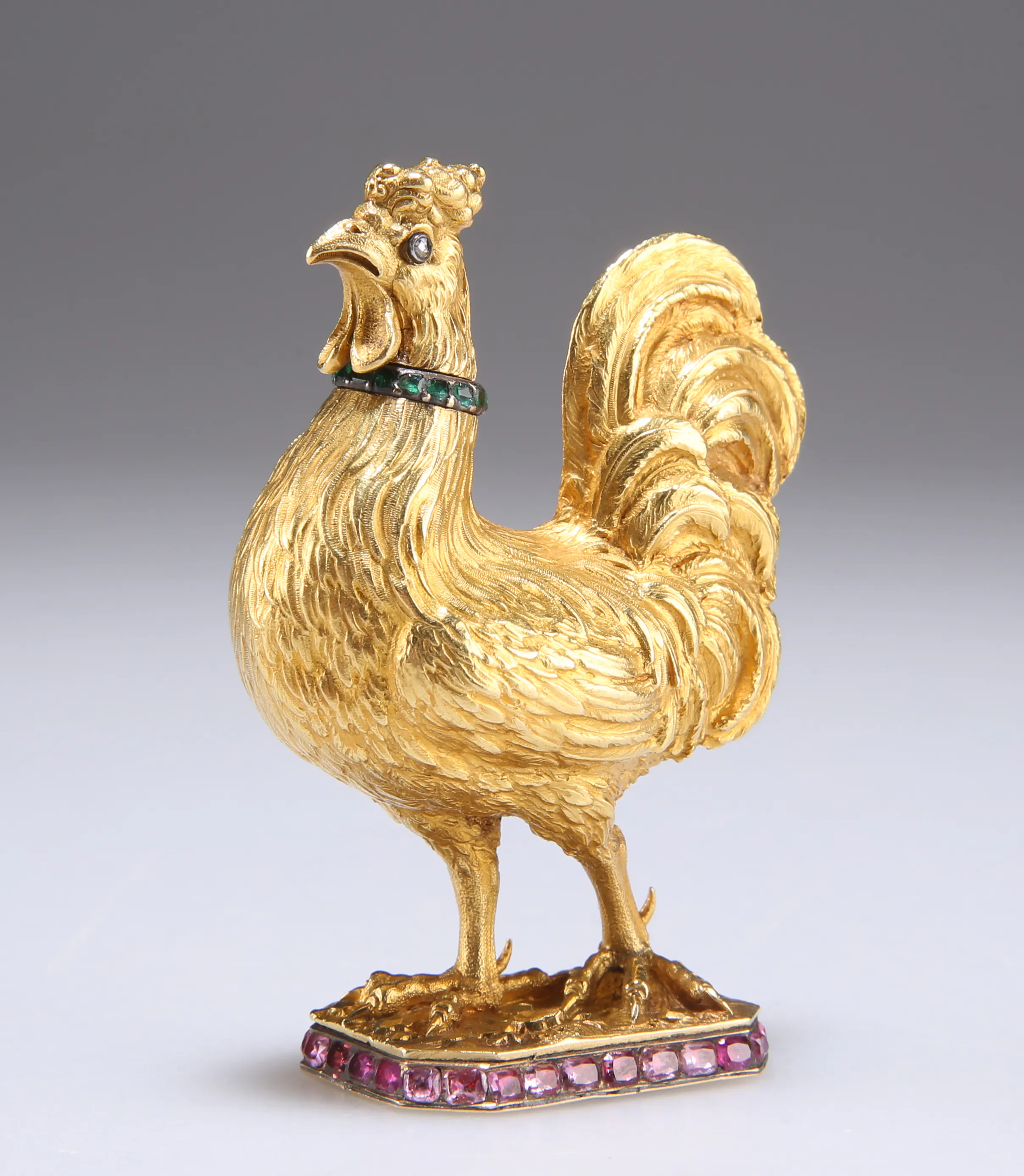
Another unique item is this novelty cockerel scent bottle. It has been realistically modelled in a strutting pose with richly chased feathers. It features a rose-cut diamond-set eye and an emerald-set collar, with a naturalistic base set with a band of foil backed stones. Measuring 6.5 cm high, it’s an adorable talking point for any woman’s vanity.
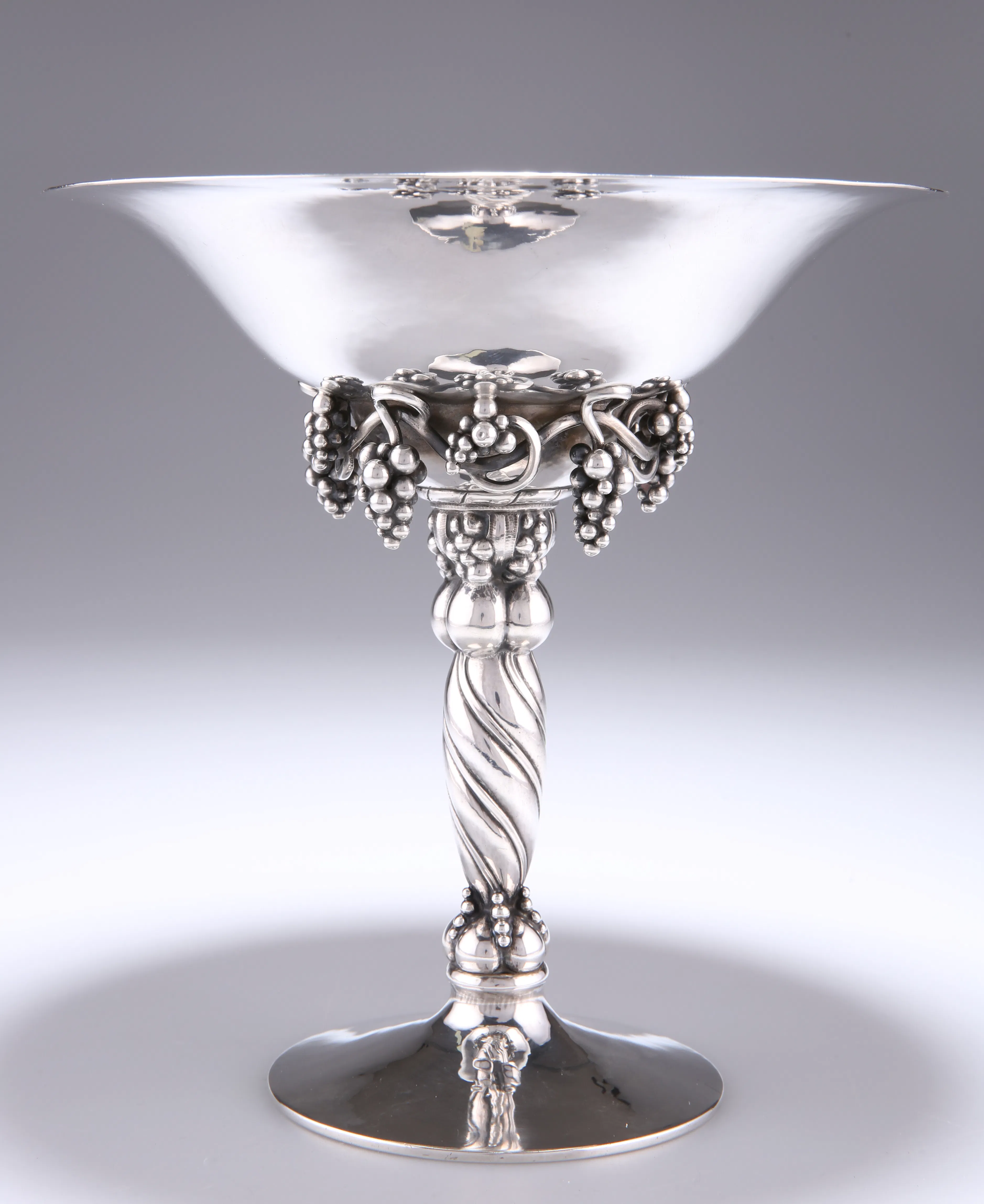
And for those that collect high quality silver for their dining cabinets, there’s this Danish sterling silver tazza, c. 1925-30, by the iconic silversmith Georg Jensen. The piece features vine and pendant grape bunches, the stem with a cluster of berries and pods above a wrythen knop with beading below, and is set on a raised on a circular foot.