
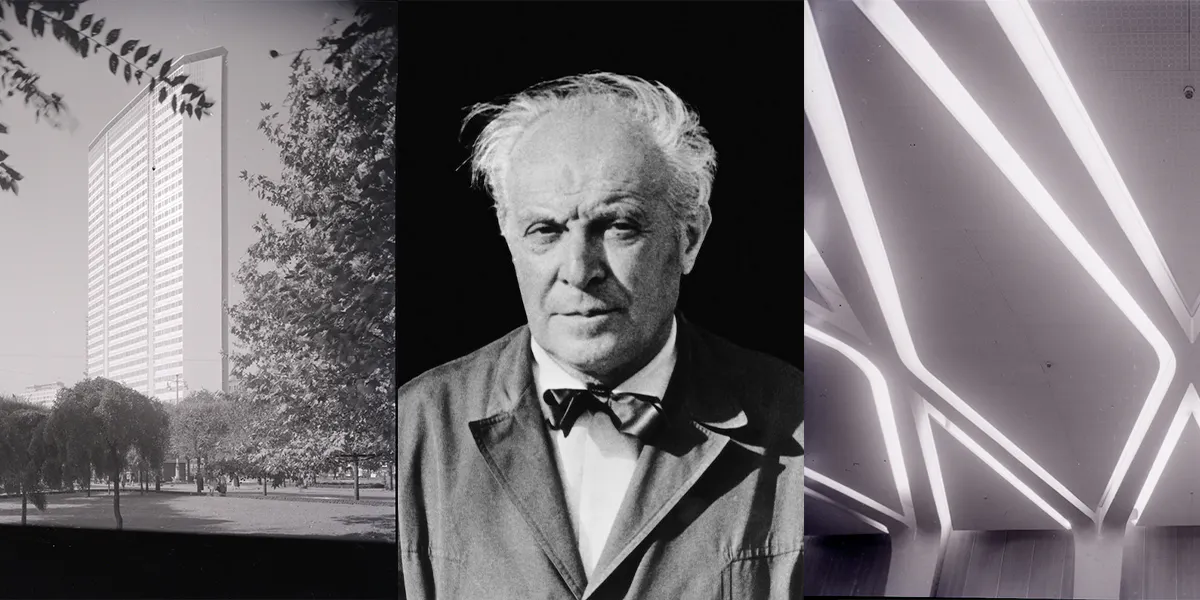
Gio Ponti was born on 18 November 1891 in Milan, where he studied architecture at the Polytechnic. He fought on the front lines during World War I, and was decorated several times for loyalty and good service. In 1921, he married Giulia Vimercati –they would eventually have four children together– and two years later, he joined an architecture firm led by Mino Fiocchi and Emilio Lancia.
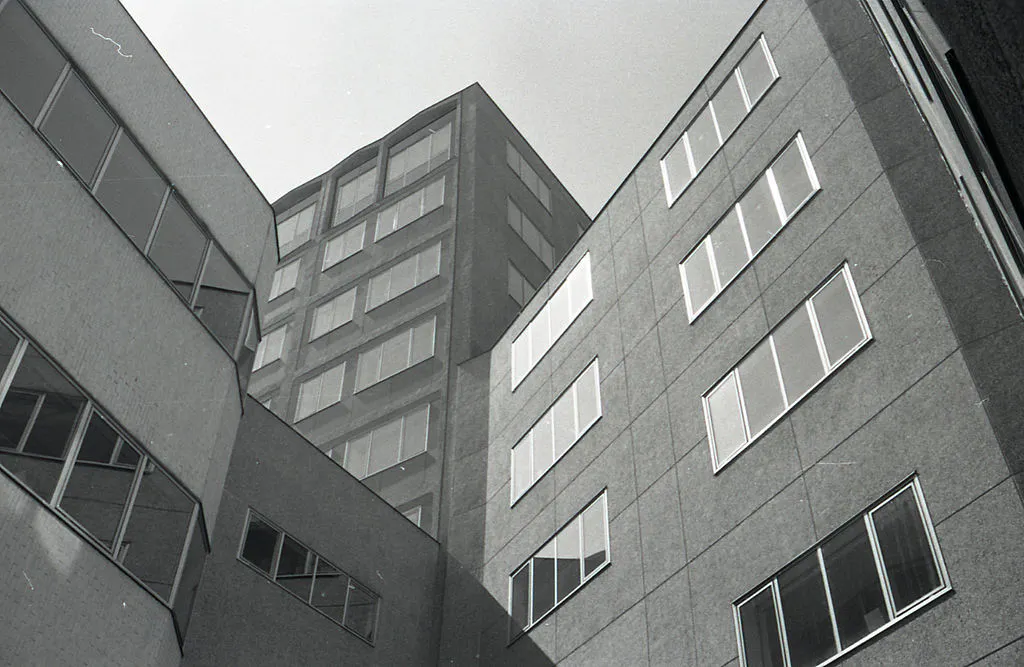
From 1923 until 1938 Ponti acted as artistic director for the porcelain manufacturer Richard-Ginori, during which he completely renewed the company’s collection. In 1933 Ponti opened his own firm, bringing in the engineers Antonio Fornaroli and Eugenio Soncin as partners. Swayed by resolutely modernist influences, the firm’s first major works included the ‘Domuses’ apartment blocks in Milan, the maths faculty of the University of Rome, and the Milanese head office of the Montecatini chemicals group.
See also: 7 Facts To Know About Cini Boeri
During the same period, Ponti was appointed director of the Monza Biennale for the decorative arts and devoted himself to developing the international reputation of the event, keeping this position for the entirety of his life. In 1933 it moved to Milan as the ‘Triennale di Milano’ and became known as a key observatory, and even laboratory, for new trends in modern art and architecture. In 1928, he created the monthly architecture journal Domus to promote the Novecento art movement, which is still being published today. He left the journal in 1941 to found another; the result, Lo Stile, only lasted about six years but still had a big impact on the profession and its decision-makers.
See also: The Return of Memphis: a Visual Handbook of the ‘80s
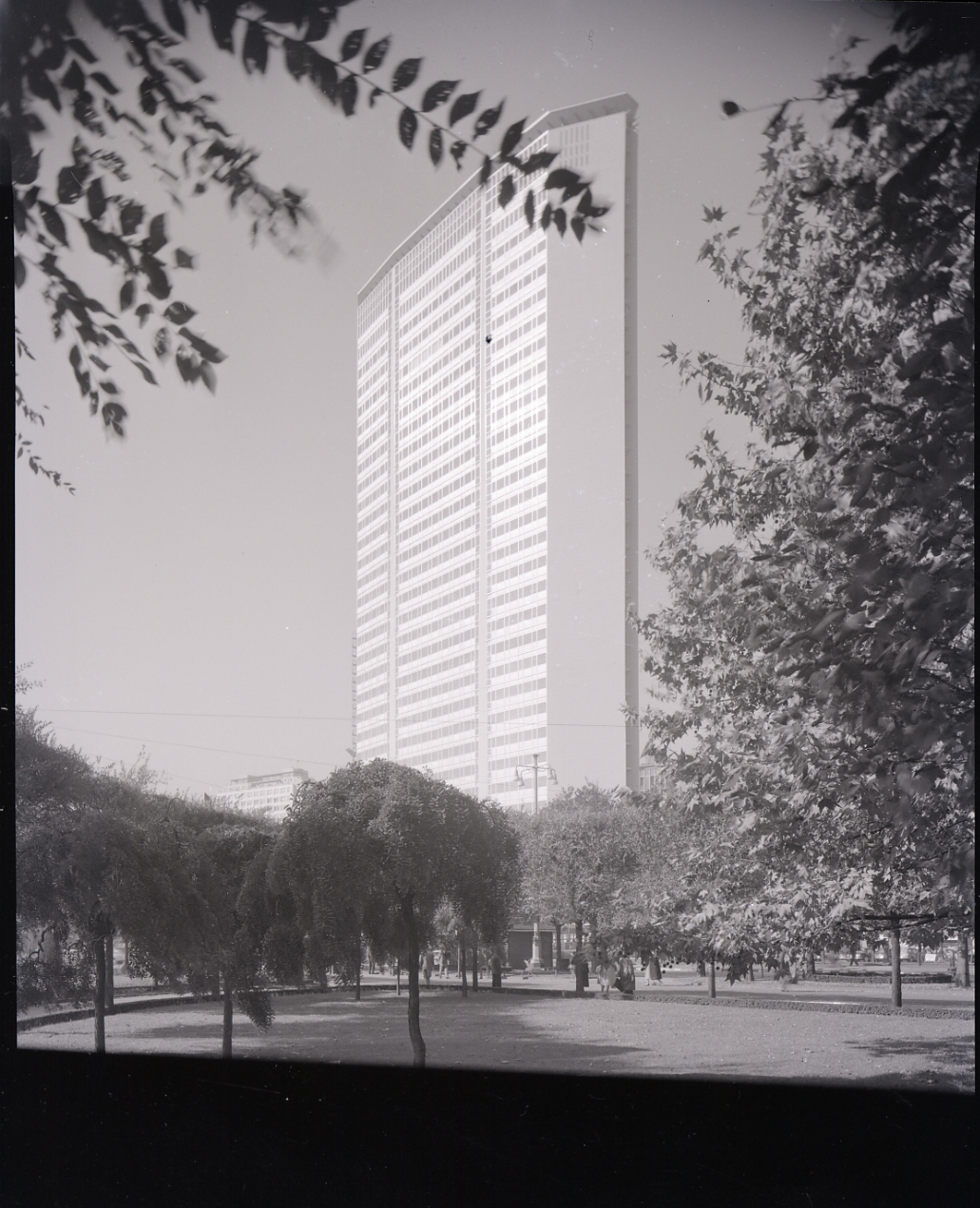
As an architect, designer, painter, teacher, journalist, and publisher, Gio Ponti had a very full plate. An indefatigable worker, he experienced his golden age in the 1950s. In terms of designing architecture, this was the decade he completed an exclusive building for Montecatini, the interiors of the Andrea Doria ocean liner and the Hôtel Royal in Naples, several sumptuous villas in Caracas and Teheran, a palace of culture in Stockholm, and above all, the Pirelli Tower in Milan. Considered to be his masterpiece, the tower is a bevel-edged skyscraper standing over 127 metres tall, which despite its 30,000 m3 of concrete is known for its light, airy appearance. Ponti would also leave his mark in Pakistan and Singapore, where he constructed official buildings and revamped department-store facades in the 1960s.
See also: 8 Must-see Design Museums Around the World
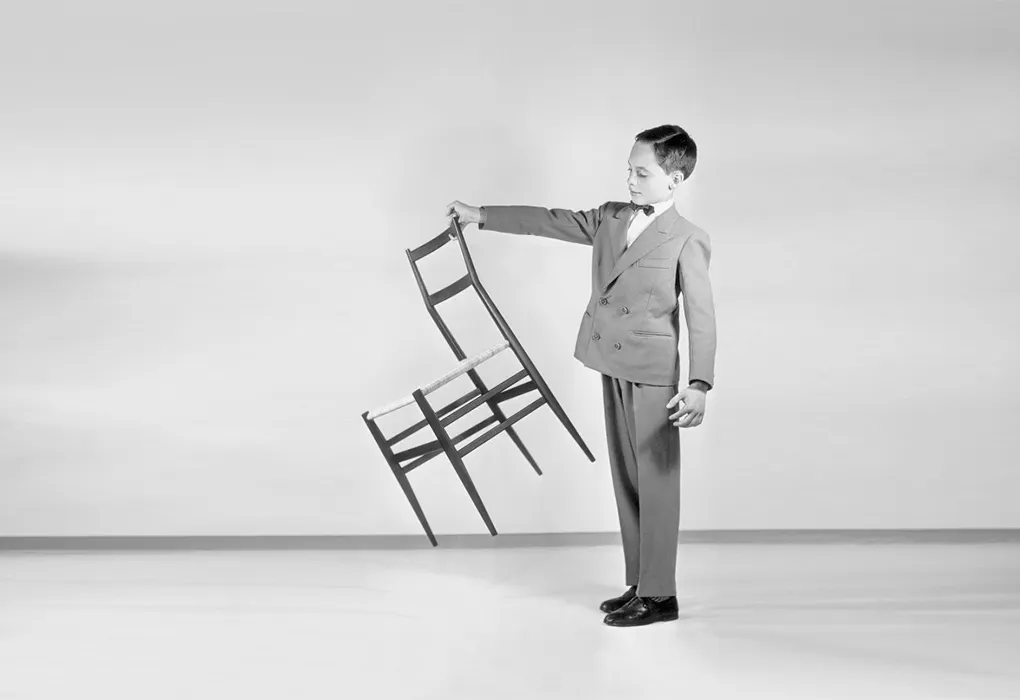
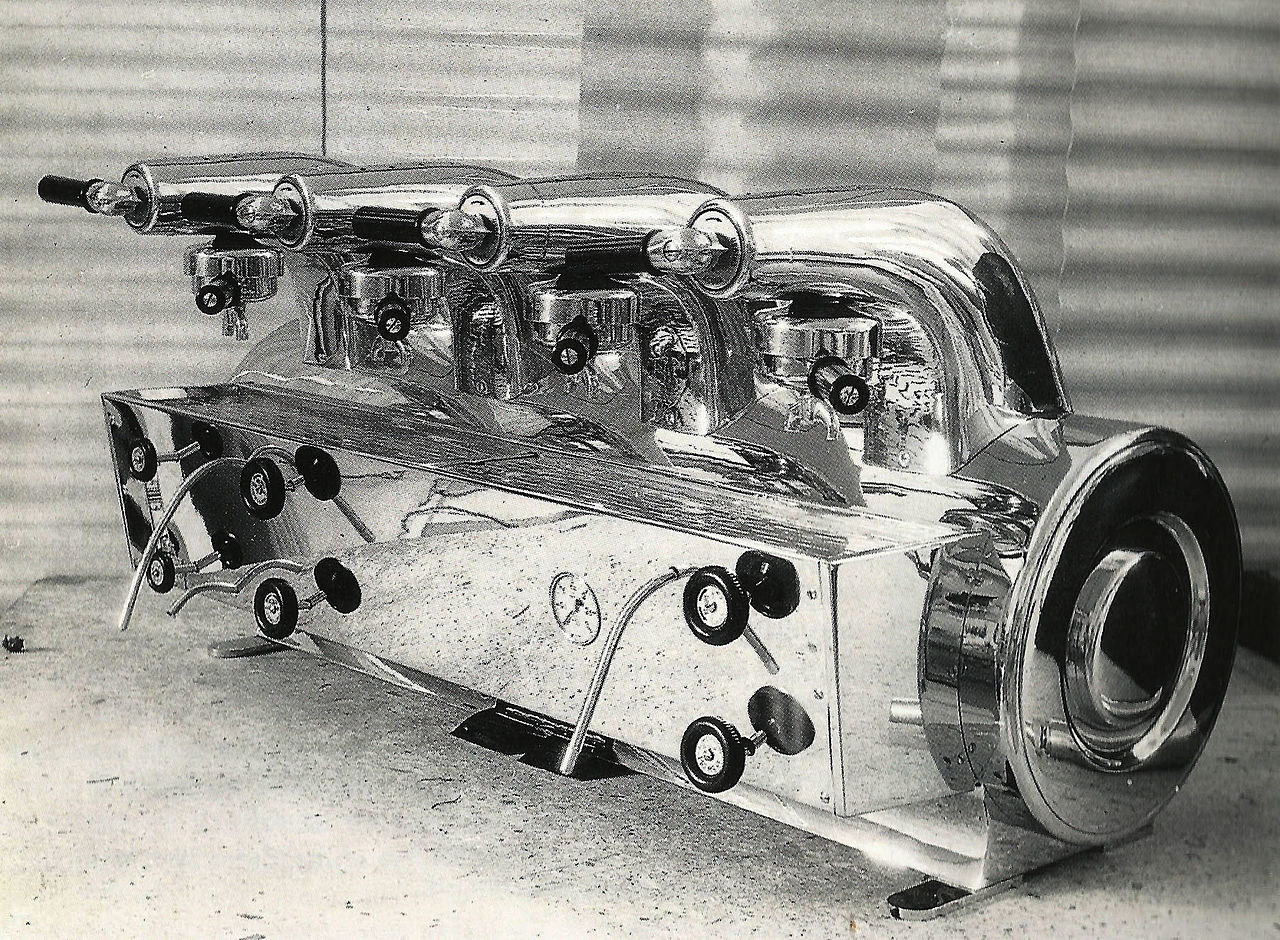
As for design, the 1950s were also particularly rich in original creations and collaborations. Ponti came up with the first espresso machine to be produced by the brand La Pavoni, lines of cutlery for Sabattini, and toilets for the Belgian company Ideal Standard; he also collaborated on interiors and furnishings with the designer Piero Fornasetti. One of Ponti’s notable creations was the Superleggera chair designed for Cassina in 1955, which is now his most recognisable and enduring design. Drawing inspiration from the traditional furniture of the fishermen in Ponti’s childhood village of Chiavari, it gained fame for weighing a mere 1.7 kg. According to popular stories, the designer apparently threw one out of a fourth-floor window to convince skeptics of the chair’s resilience.
See also: A House of Fantasy
Want articles like this delivered straight to your inbox? Subscribe to our free newsletter!
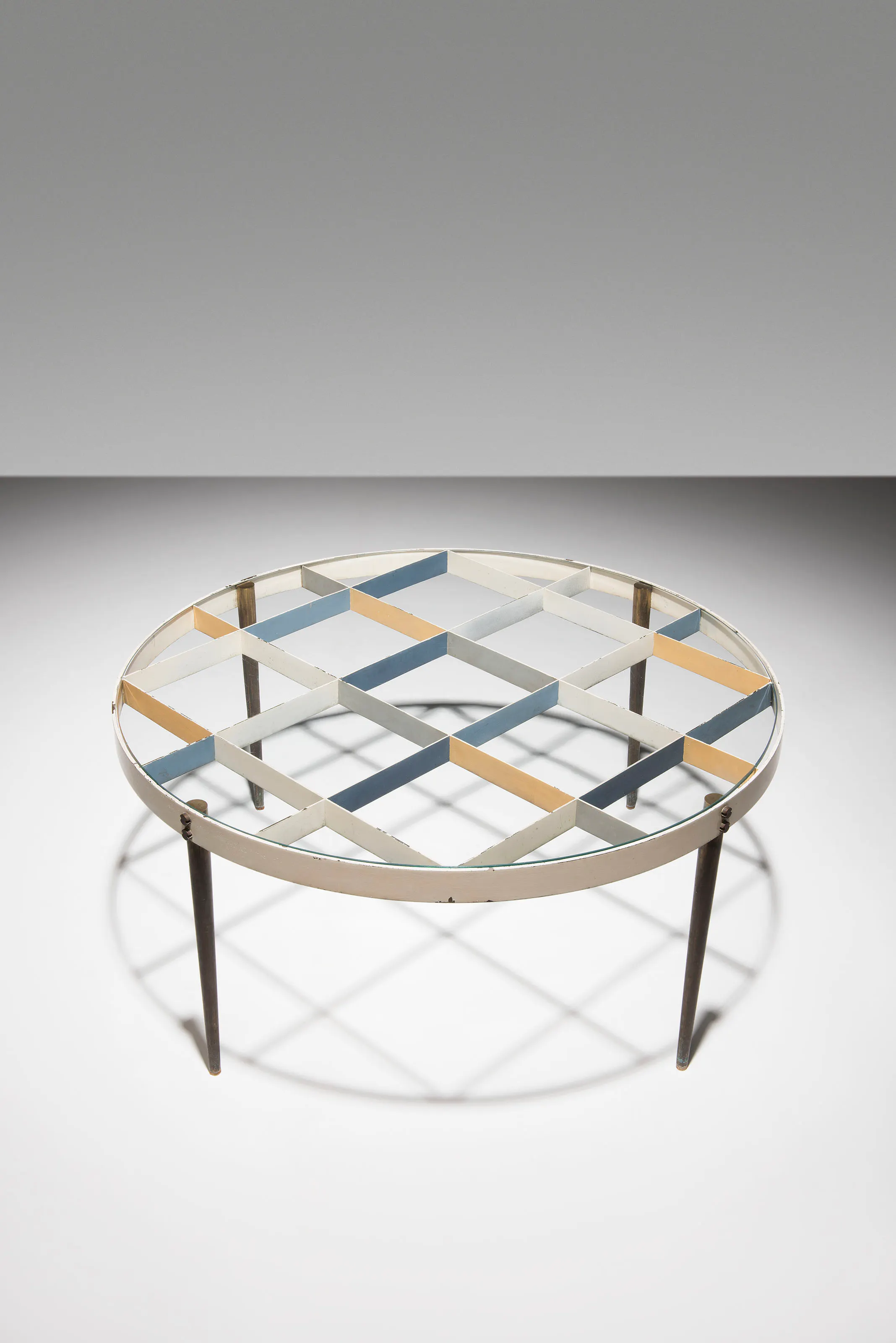
Certain limited editions of this chair, conceived in the wake of World War II when thrift was a preoccupation and production was capped, sell for over €1,500 (£1,300) each today. Molteni&C, an Italian designer-furniture specialist, continues to manufacture some of Gio Ponti’s most recognisable pieces, including chairs, armchairs, single units and coffee tables, distributed worldwide under licence. Although this great name in architecture and Italian design passed away in Milan on 16 September 1979, his legacy lives on. The Compasso d’Oro, a prize that he created in 1954 to recognise top industrial designers, is still awarded every year, and his designs are still widely available across the market.
Find more articles in Barnebys Magazine
This is an updated version of an article originally published on 14 November 2019.


