As soon as the antiques and old masters auctioned at the beginning of June were packed and sent to their lucky buyers, Lempertz’s next auction series was already on the horizon. Between 17 and 25 June, the Cologne auction house is offering modern and contemporary art, as well as photography and art from Asia.
The modern and contemporary works will go under the hammer in an evening sale on June 17th and a day sale on June 18th. Here are some of the many highlights on offer.
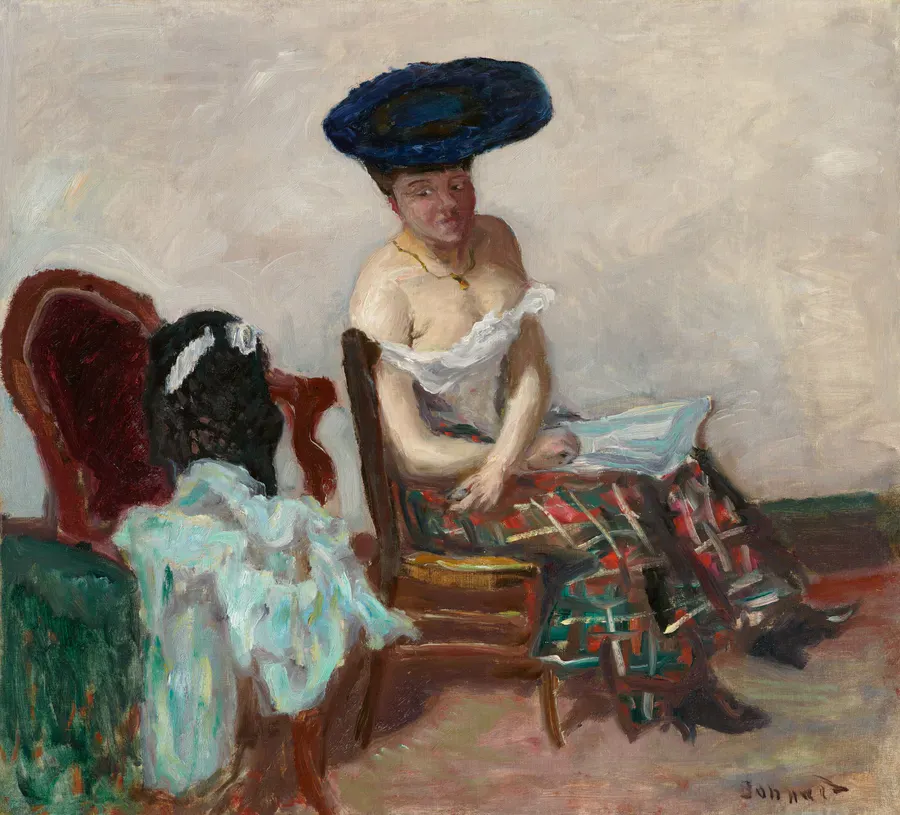
The painting Le jupon écossais (Le modèle au grand chapeau) by Pierre Bonnard, offered in the evening sale, was crafted in 1907. The work is one of the intimate pictures Bonnard painted at the beginning of the 20th century. He often attached great importance to the detailed representation of the interior. In this case, Bonnard had paid more attention to the half-undressed women's clothes, especially the plaid skirt from which the painting owes its name.
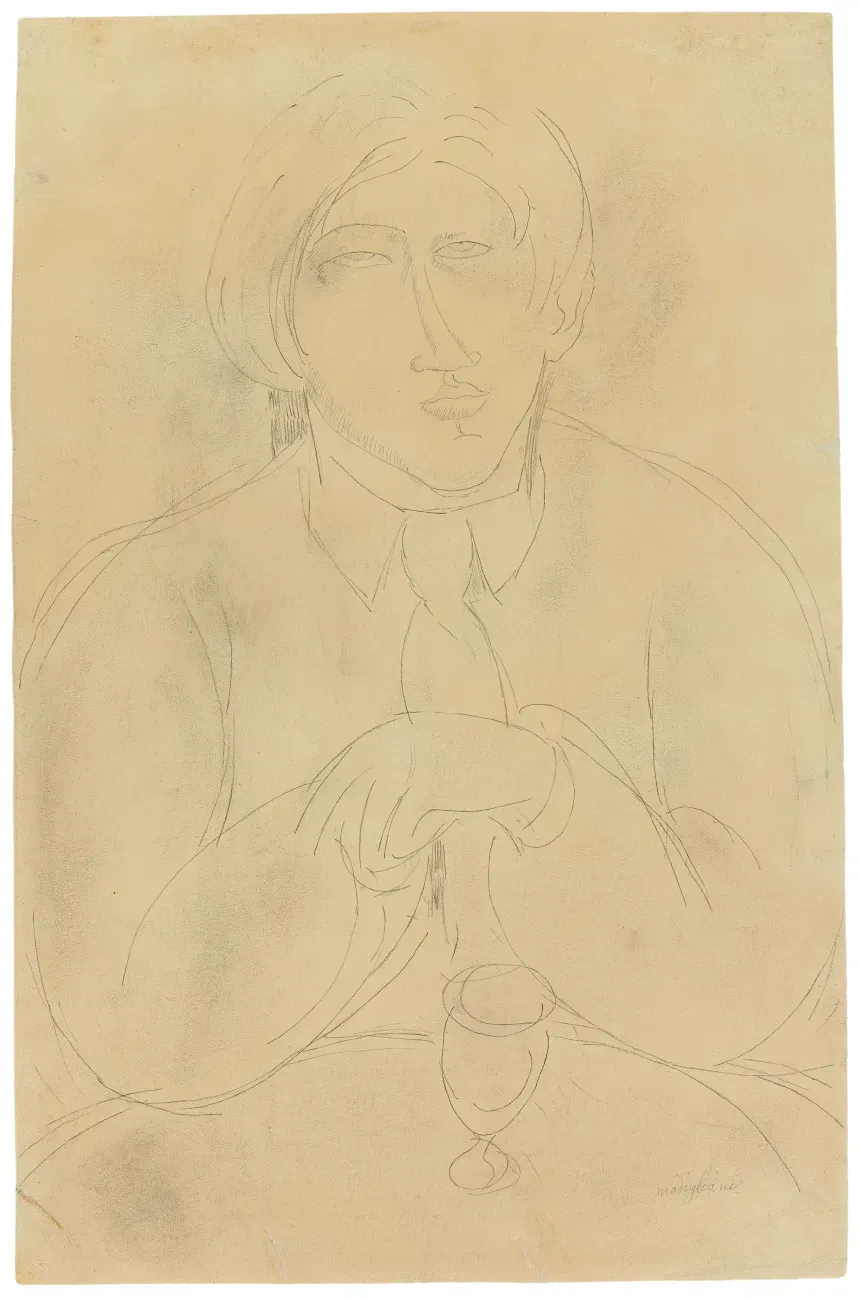
Ten years later, Amedeo Modigliani drew his colleague and friend Chaïm Soutine sitting at a table. It is one of the many portraits Modigliani made of the personalities of the Parisian art scene in Montmartre and Montparnasse. Modigliani and Soutine shared the fate of the innovative, unfortunately misunderstood artist who struggled to make ends meet.
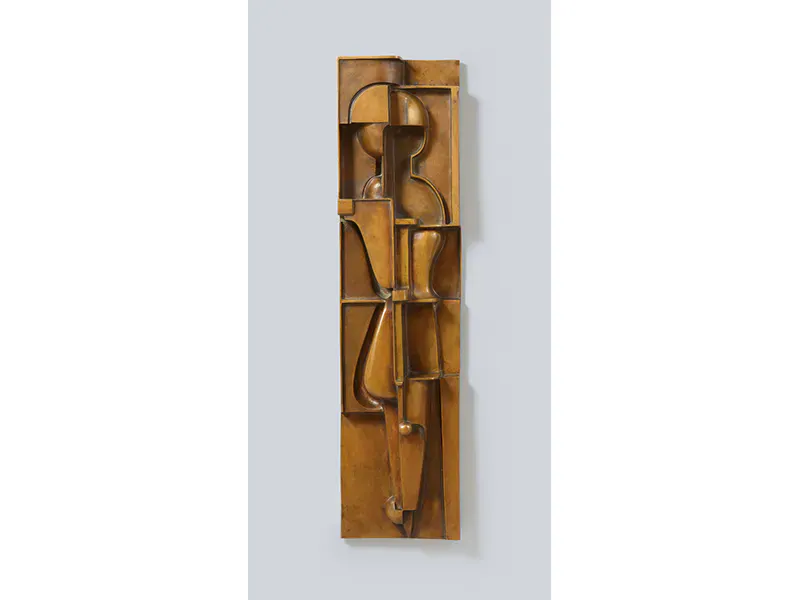
In 1920, Oskar Schlemmer, whose main artistic theme was the position of people in space, was appointed head of the wall design class at the Weimar Bauhaus. In the previous year, he had designed a series of reliefs, of which Bauplastik R is the highlight. Ten aluminium casts were made of the abstracting sculpture, making the present posthumous bronze cast from 1964 unique.
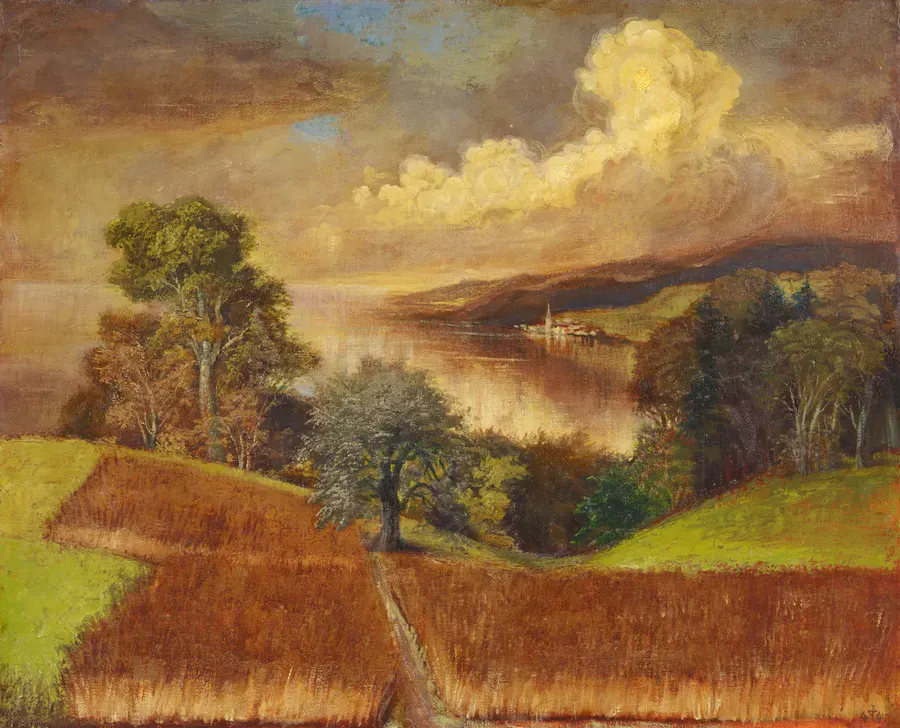
A great proponent of the New Objectivity movement, Otto Dix is best known for his works illustrating urban life in the Roaring Twenties and the aftermath of the First World War. After the National Socialists came to power and classified Dix's art as 'degenerate', he withdrew into 'inner emigration'. Southern Germany became the center of his life, where this work was created in 1944.
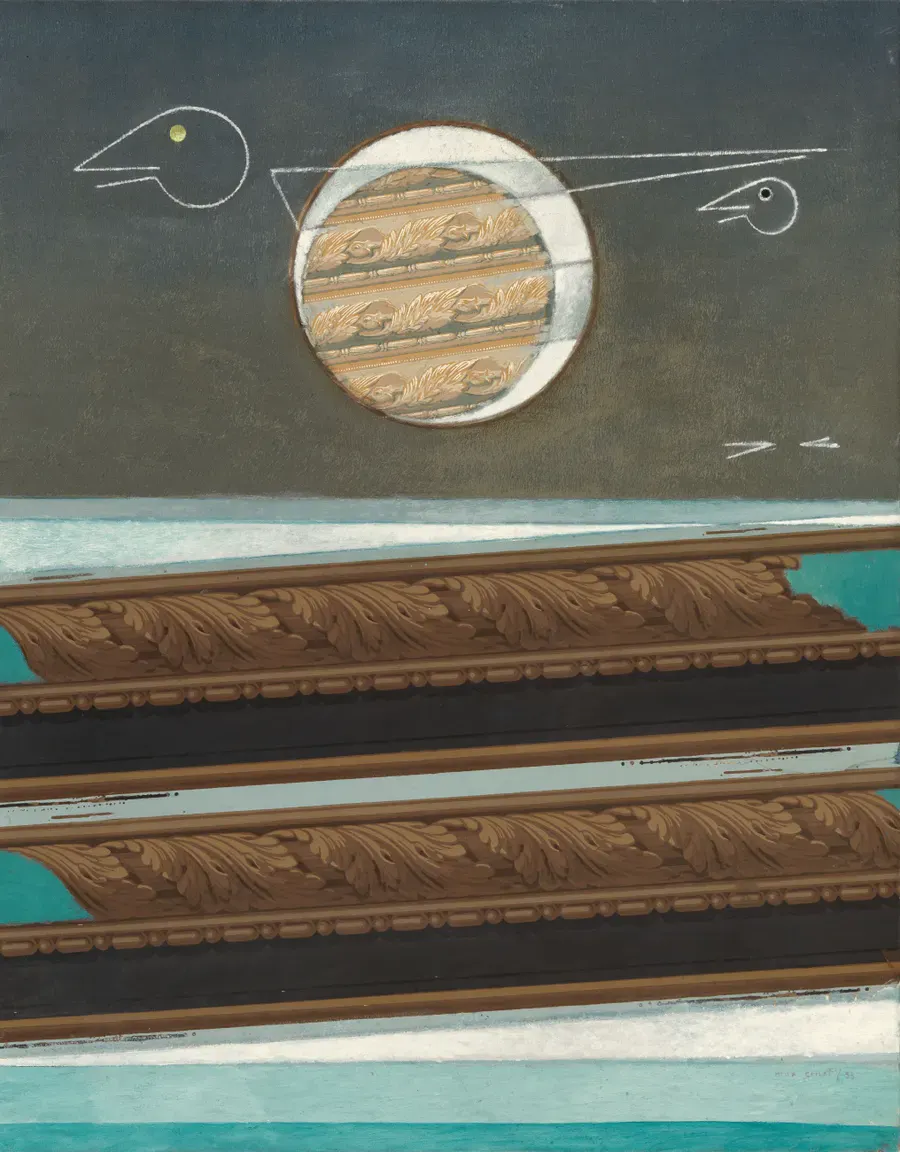
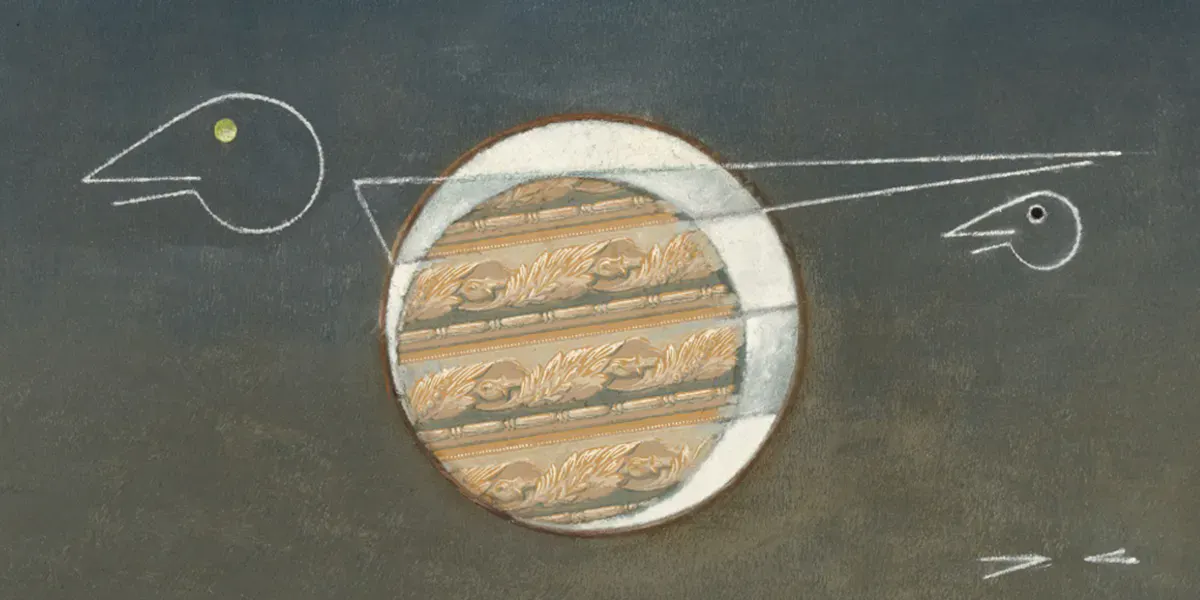
The symbolism in Max Ernst's work Mer agitée, soleil, nuage et maître Corbeau avec son fils – one of the first works that the artist carried out in 1953 after his return from the USA to France – is as complex as a collage. With the surrealist composition, Ernst takes up many of his central themes, as well as his feathered alter ego. How important the work was for Max Ernst is clear from the fact that he kept it with him until his death.
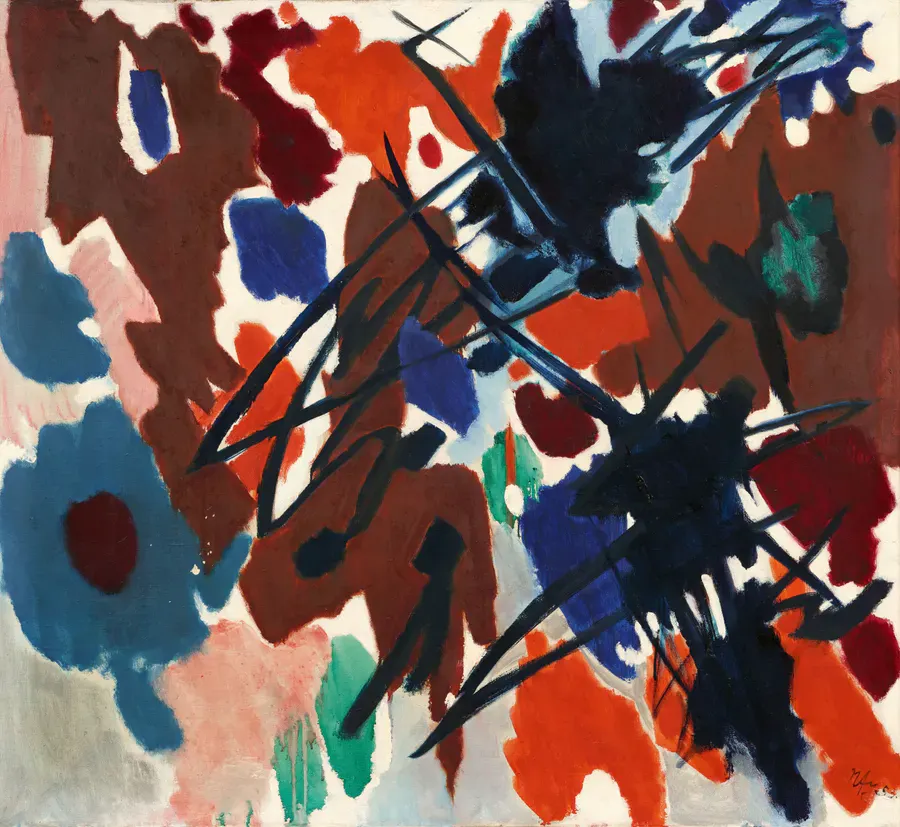
Ernst Wilhelm Nay's relation to music and his new life in the big city of Cologne come into play in In Blockformen. The canvas is painted on both sides with compositions that testify to Nay’s devotion to total abstraction, and represent a preview of his disc paintings, with which the artist soon became concerned.
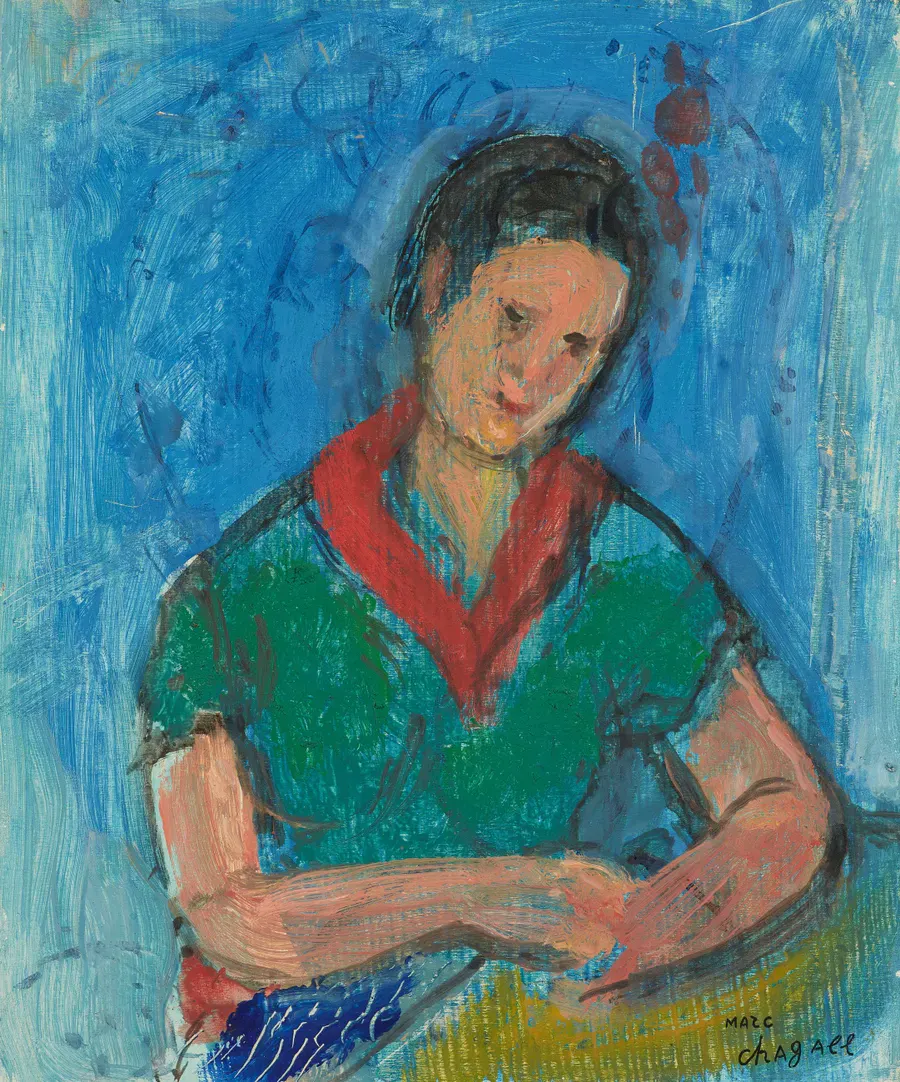
Marc Chagall is showcased by a very personal work that, like the two previous works, dates from 1953. It is a portrait of his second wife, Valentina ('Vava'), whom he met a year earlier and married shortly before the portrait was made. The painter, shaken by the death of his first wife Bella, found a new muse and companion in Vava.
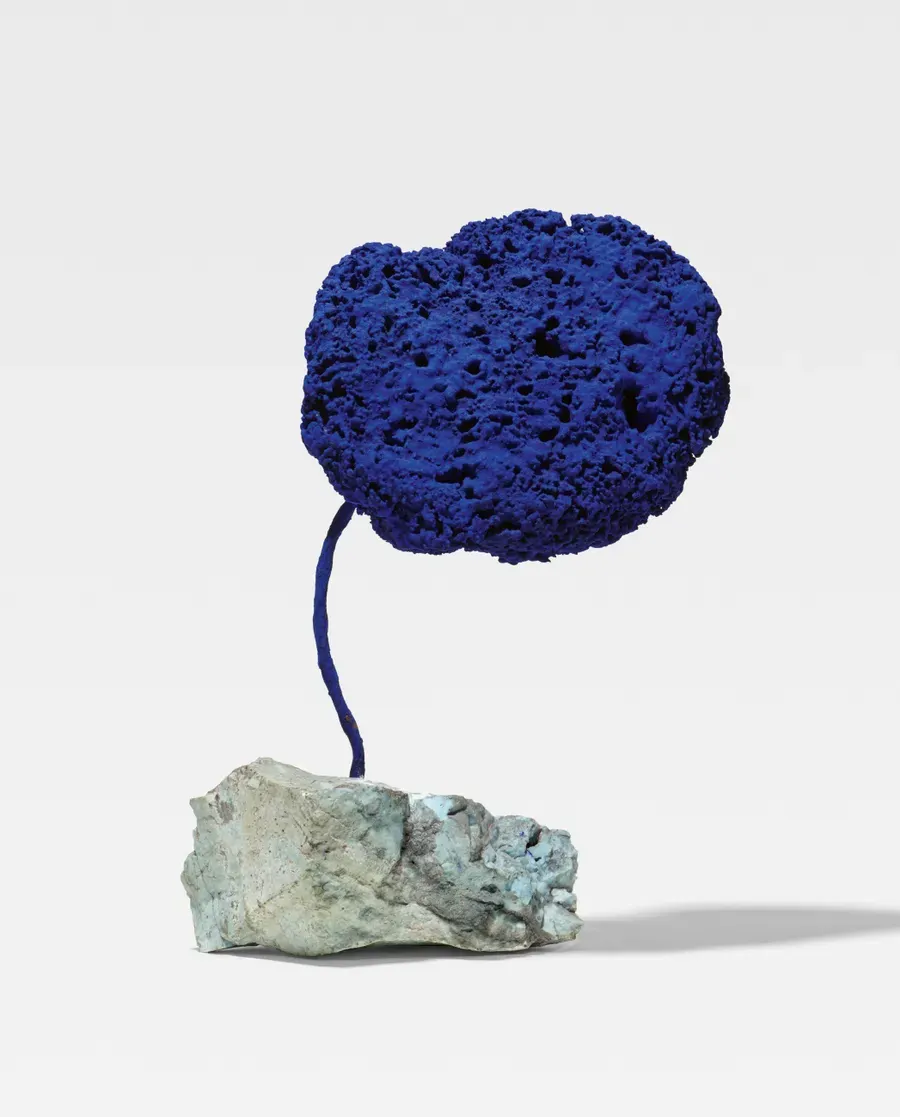
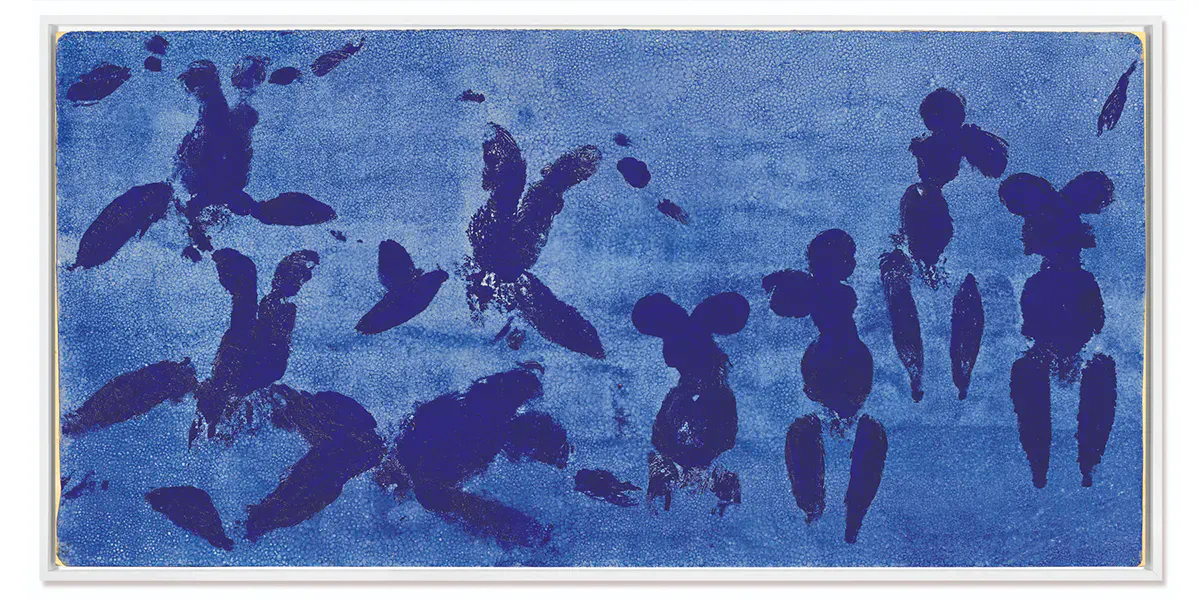
An exemplary work for Yves Klein's monochromes is the sponge sculpture Sculpture éponge bleue sans titre. The intense blue 'International Klein Bleu' (IKB), which he patented in 1960, was for him an expression of the highest intensity and spirituality. The sponge soaked with it turned out to be the perfect 'picture carrier.' The sculpture was part of the major Yves Klein retrospective in the Museum Haus Lange in Krefeld in 1961.
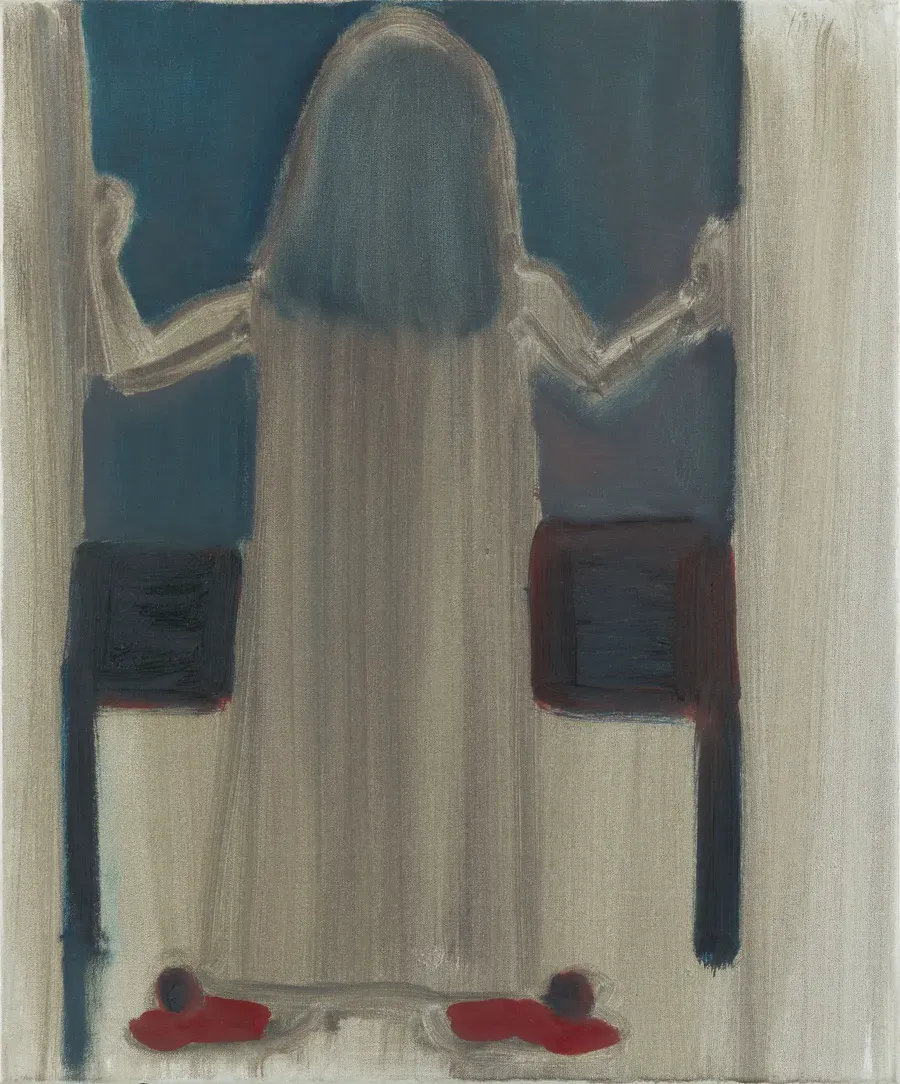
With Marlene Dumas, we find one of the most expensive living artists represented in the auction. The Window, from 1992, shows a girl or woman from behind, standing in front of an open window. Apart from the red shoes, the colour palette is limited to shades of grey. The composition is rather unusual for Dumas's oeuvre, but it has one thing in common with her other works: the interpretation is entirely up to the viewer.
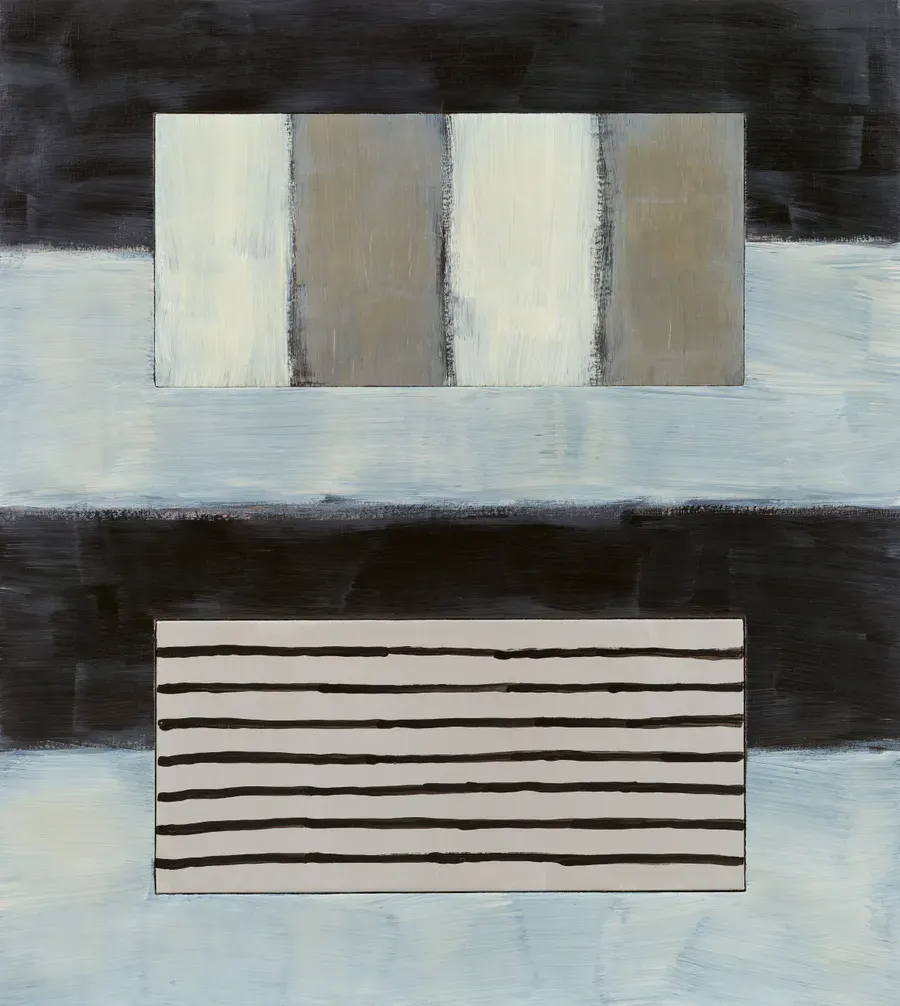
Sean Scully has been adding insets to his work since the 1980s. This refers to small, separate canvases, the painting of which differs from the rest of the composition. Two of these were used in Aruba in 1998. So far, so good. Why Scully named such a strictly geometric composition in shades of grey after a Caribbean island, however, raises questions.
The auction of modern and contemporary art is preceded by another auction event: on 17 June, an exciting photography offering will be auctioned. It is essential to emphasise here fourteen photographs that come from the estate of the Bauhaus student and photographer Xanti Schawinsky and are offered in single lots.
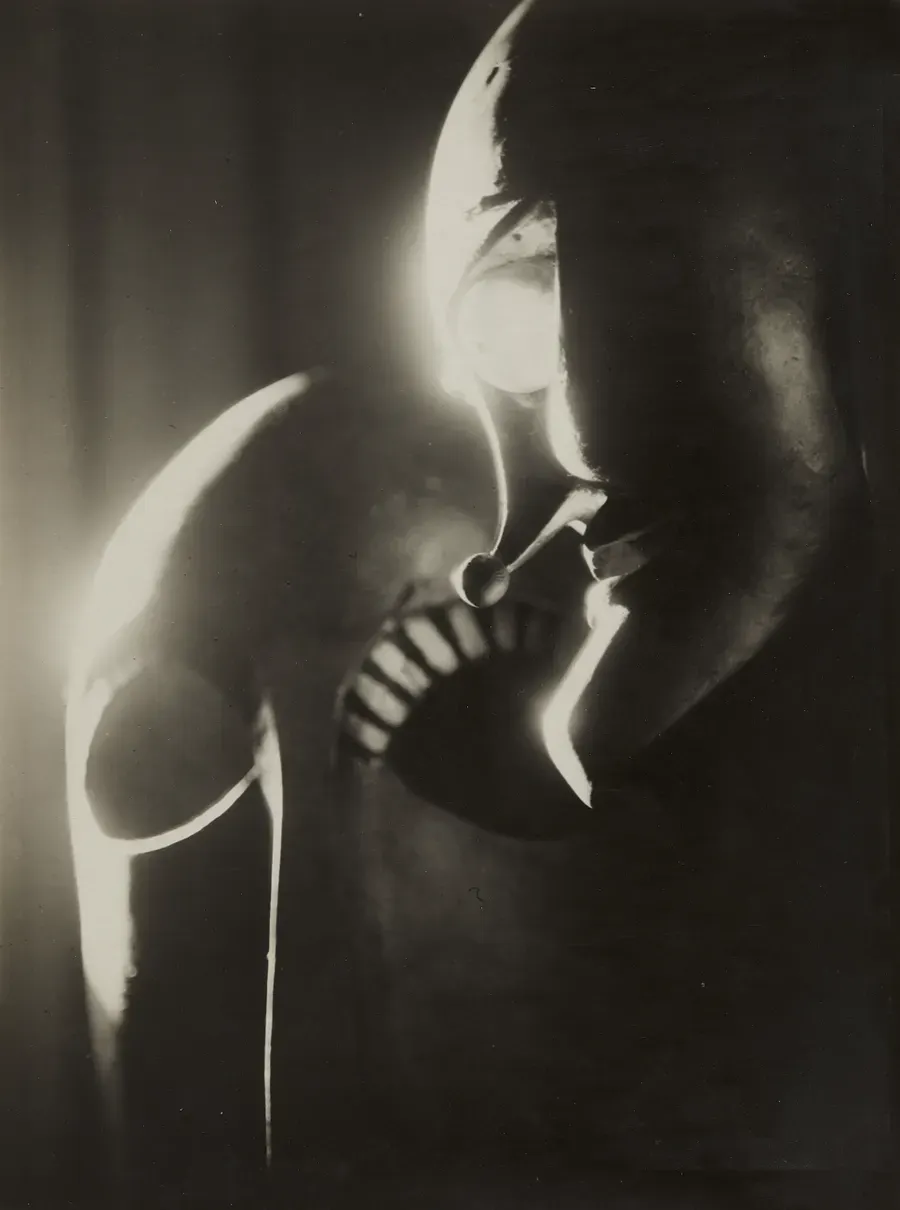
Theodore Lux Feininger, son of the painter Lyonel Feininger and a student at the Bauhaus in Dessau, is represented several times. He had a particular weakness for masks, especially Japanese no-masks, which he portrayed in the present photograph in a ghostly way.
Finally, on 24 and 25 June, exquisite art from Asia will be exhibited. The first day of the auction is dedicated to objects from China, Tibet, Nepal and India, with artistic products from Japan on the programme for the second day, inclusive of netsuke.
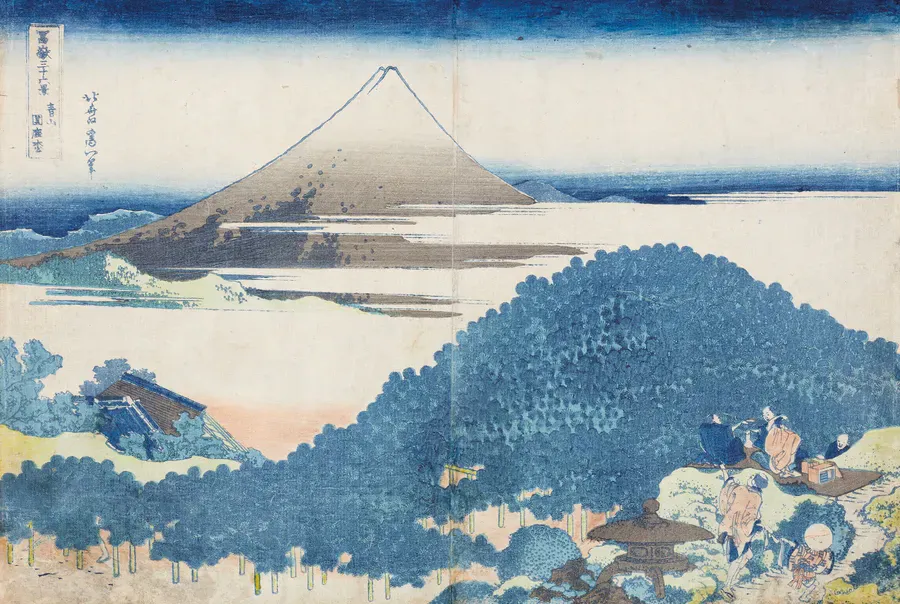
The work Aoyama. Enza-no-matsu should be an absolute highlight for fans of Japanese woodblock prints, from Katsushika Hokusai's famous series 36 Views of Mount Fuji. The first drafts were made in 1830, and the first copies were printed by Nishimura Yohachi in the same year. In the first editions, blue instead of black was used for the contours, which means we are dealing with one of these early prints here.
All auctions take place in the Kunsthaus Lempertz, Neumarkt 3, in Cologne. Pre-viewing is open from 11 June or 19 June (Asian art) by appointment.