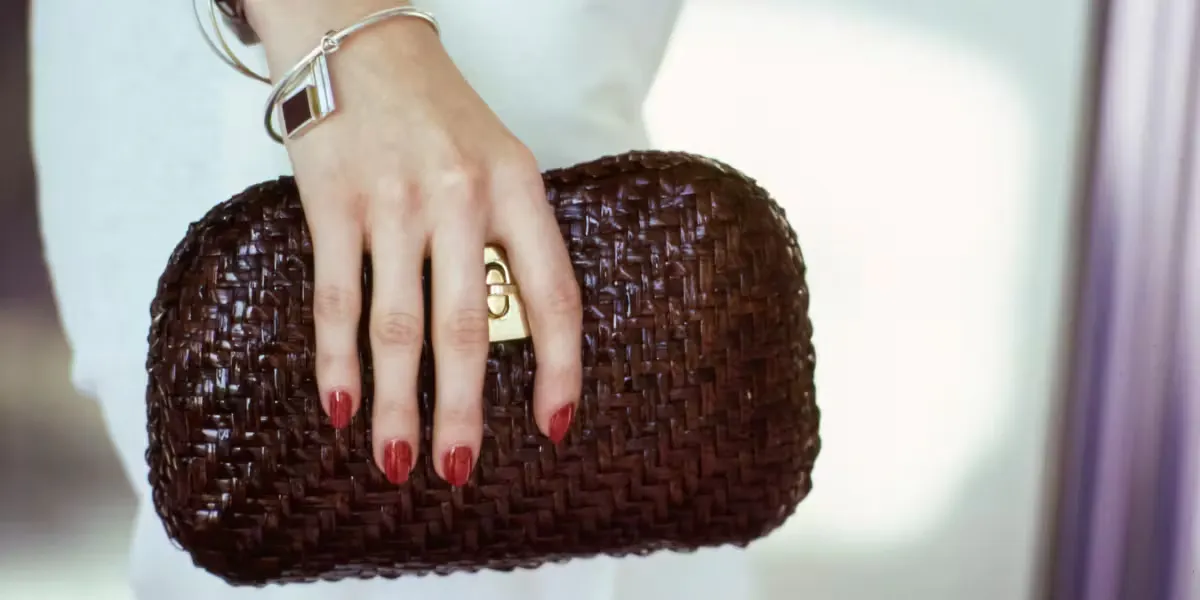
The handbag has a long history dating back to the Middle Ages; however, the medieval handbag was different from the one we know today.
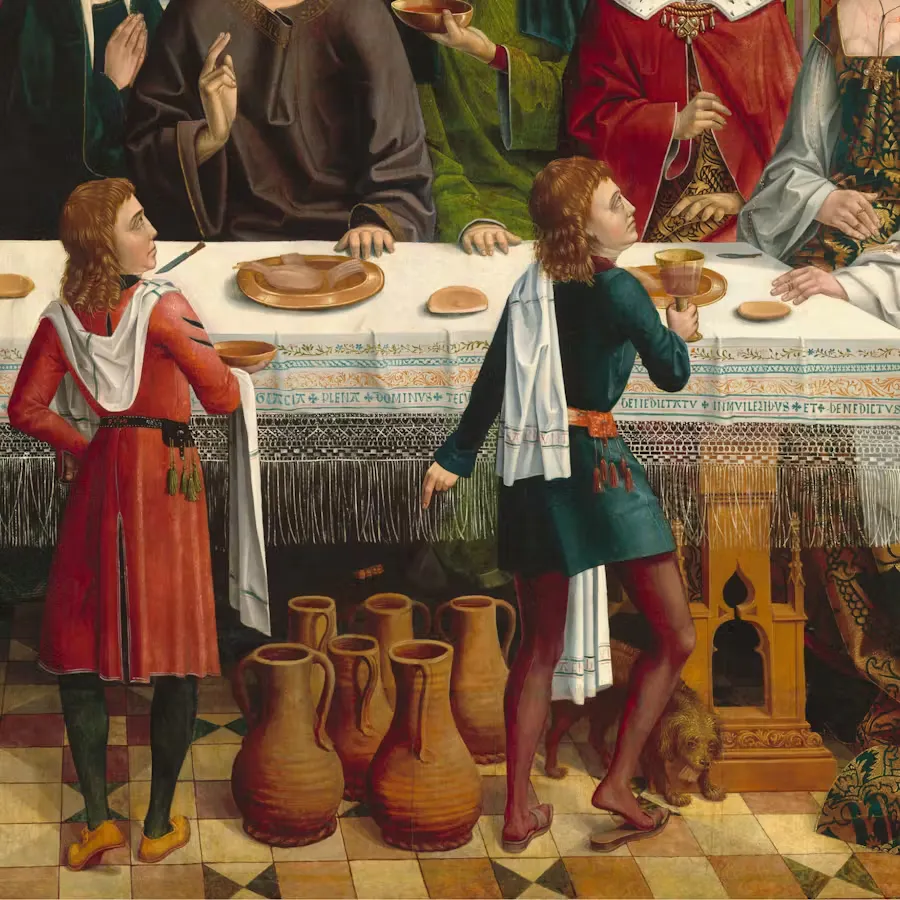
The Middle Ages
Grave finds from the Middle Ages show that women needed to carry daily essentials such as scissors, knives, and combs. These items were hung from chains attached to their belts, which was both practical and a way to signal social status. Depending on the woman's position, decorative items could also adorn the belt. Men also used chains to attach tools, but in the later Middle Ages, both men and women began using pouch pockets instead of chains.
See also: The Influence of Punk: Madonna in the 1980s
18th Century
While men gradually abandoned the use of bags, women began carrying their bags under their clothing instead. This change was due to shifting fashion trends, where clothing styles evolved and influenced how accessories were worn.
See also: The Art of Fashion: Fashion in Art
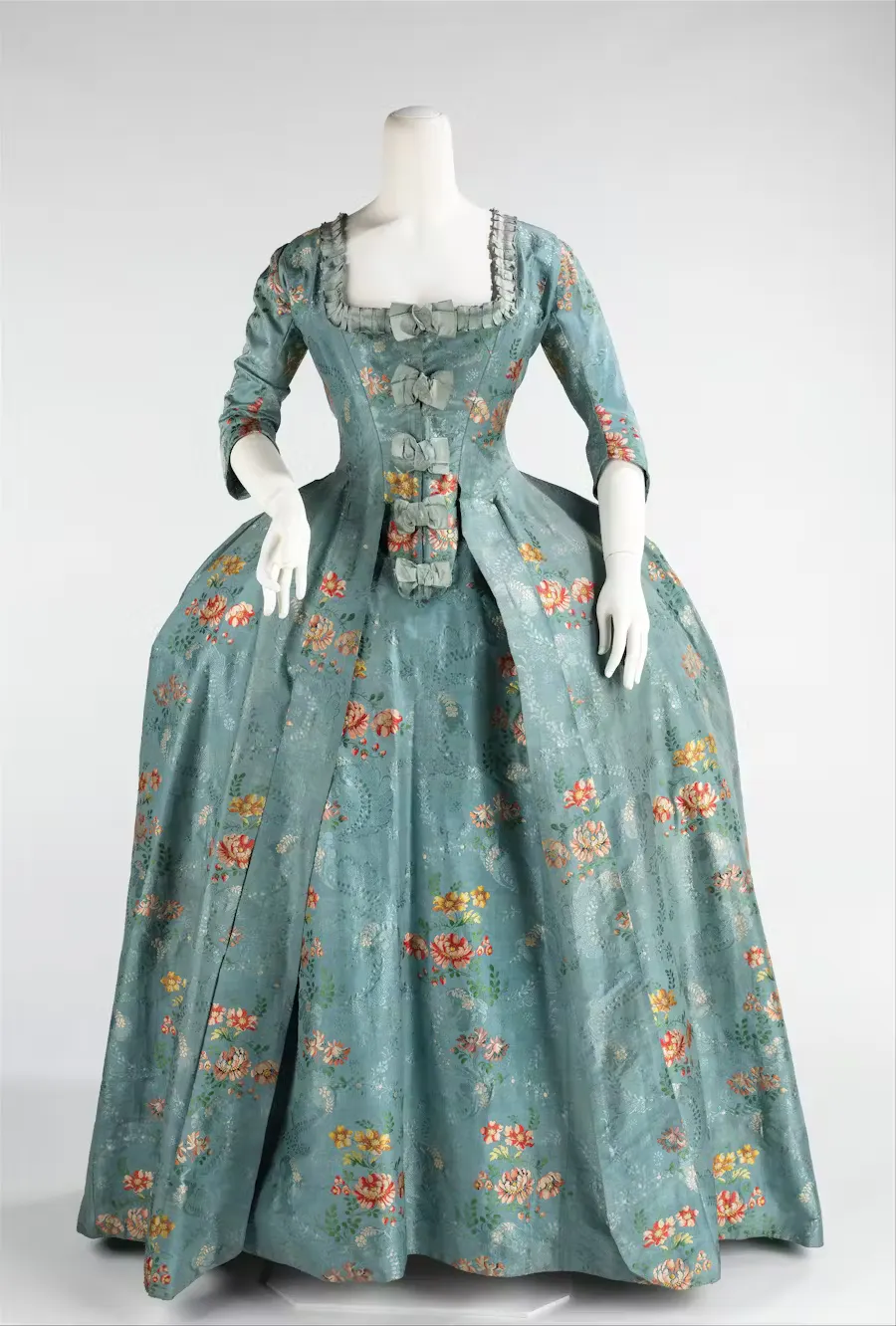
In 18th-century Europe, it became common to wear the French dress robe à la française, which consisted of three parts: bodice, stiff skirt, and coat (manteau). A practical solution that became popular was a hidden pocket, attached between the coat and the skirt, allowing women to store their belongings without needing to carry a separate bag. This innovative pocket facilitated both mobility and elegance.
19th Century
During the 19th century, women's fashion changed radically as the bulky dress was replaced by the more practical and simple shirt dress. This change meant that women needed separate bags to store their belongings. At this time, small bags with drawstrings, worn over the wrist, became popular. These bags were called réticules, also known as ridicules or pompadours, and became an elegant addition to women's accessories.
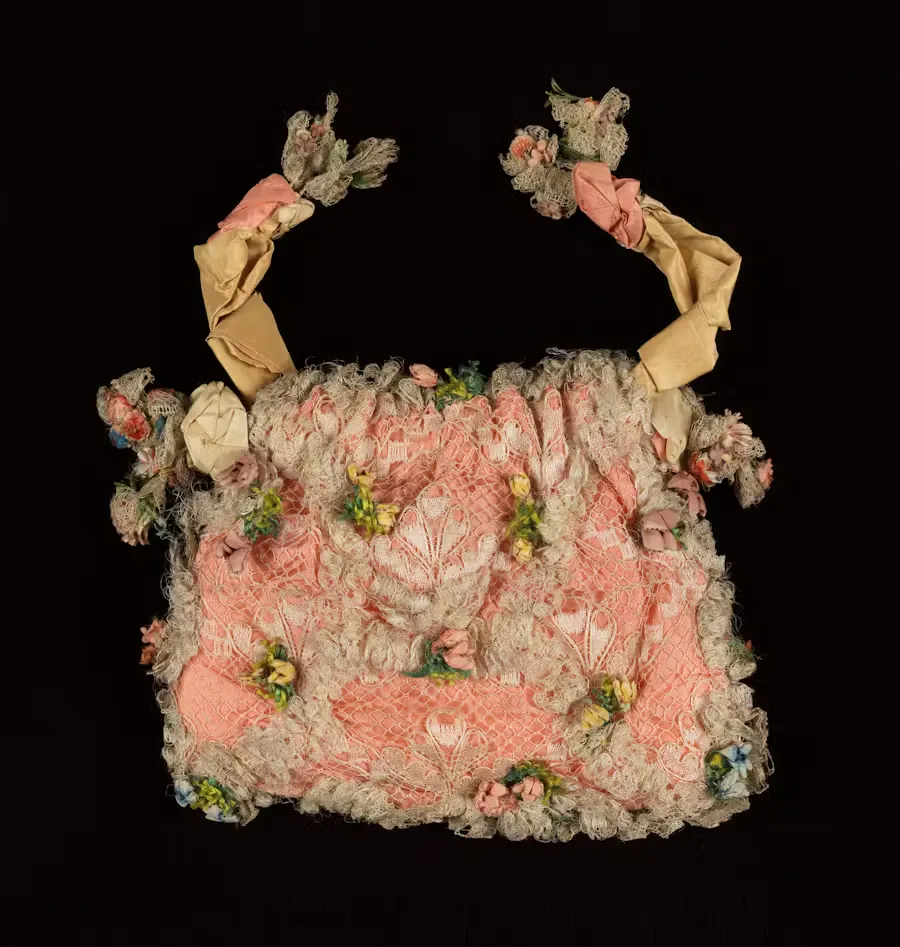
The design of bags during the 19th century was often varied and sometimes exotic. One example of this is réticules shaped like pineapples, a fruit that was imported to France from Martinique, the homeland of Napoleon's wife, Joséphine de Beauharnais.
See also: History’s Best Wedding Dresses
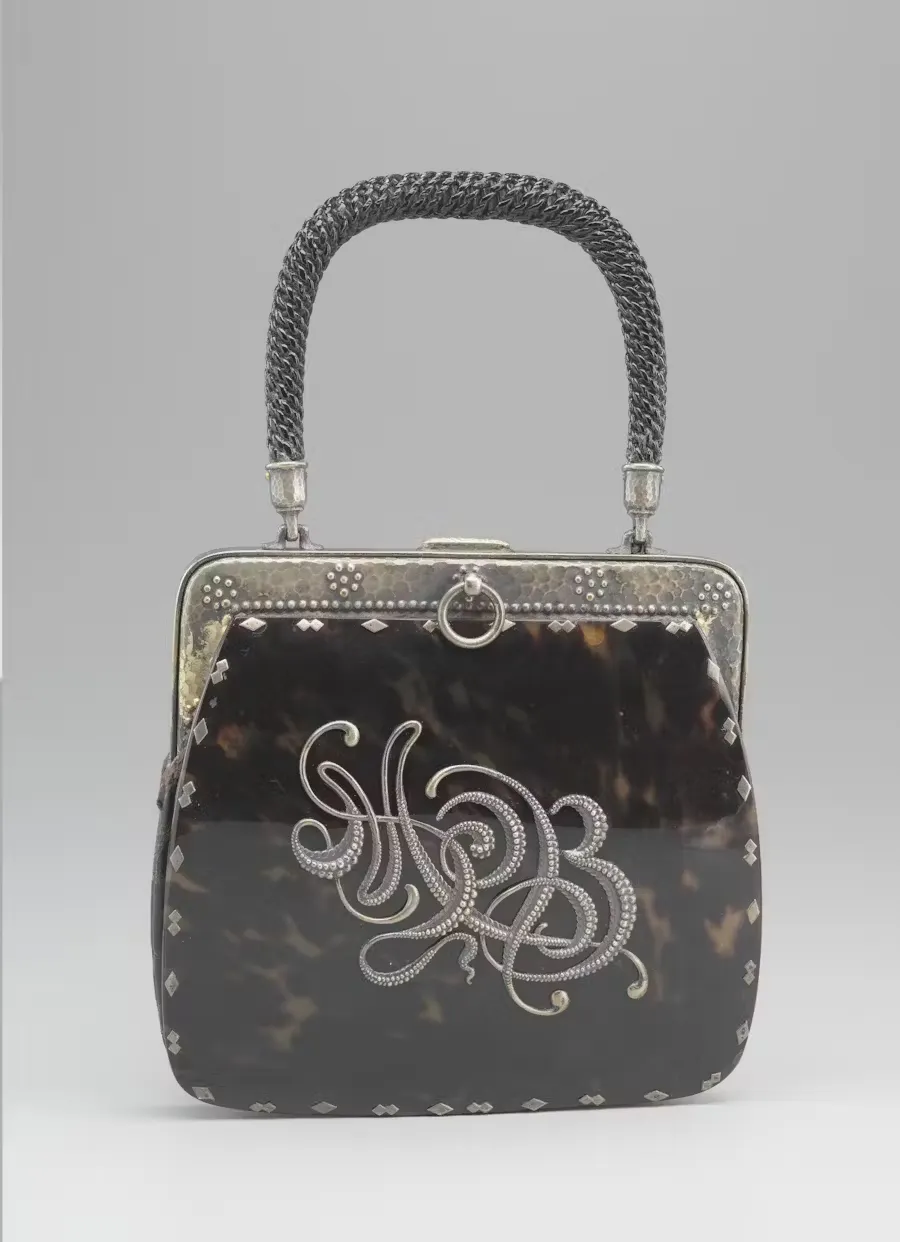
In the mid-19th century, bag design underwent a significant change when the drawstrings on pouch bags were replaced by metal frames. The invention of the metal frame was a result of technological advancements, with the snap fastener playing an important role. This innovation made the bags both more functional and secure, while also contributing to the creation of a more structured and elegant design.
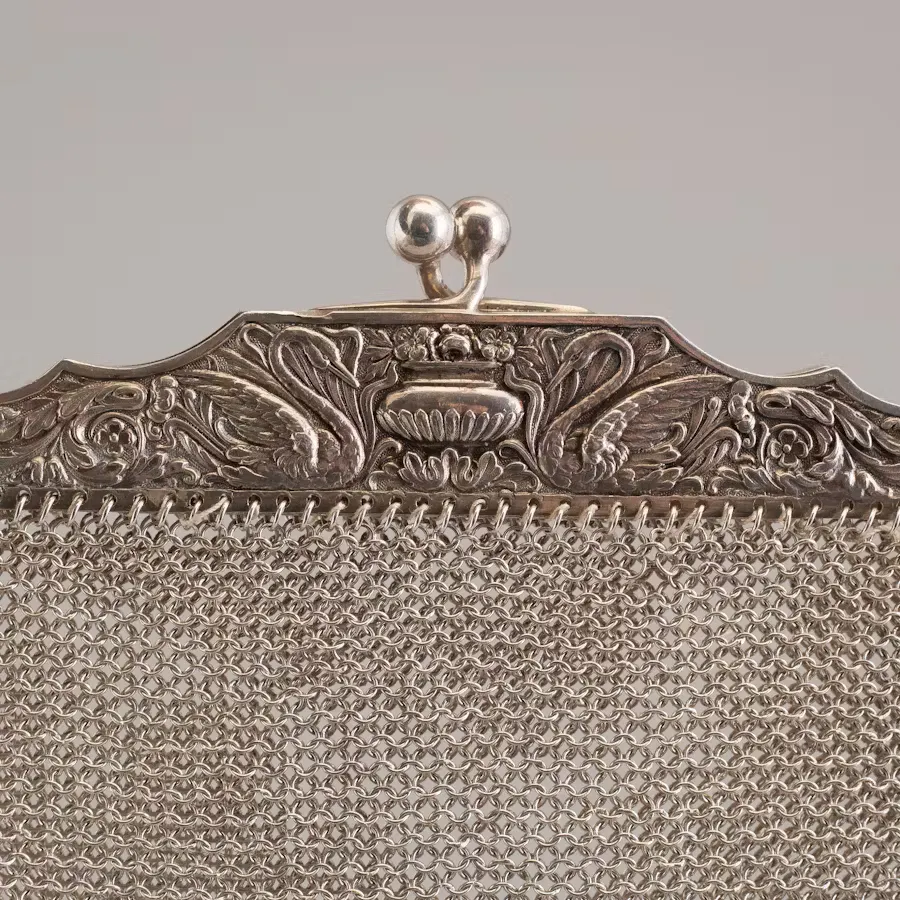
Bags in the 19th century were elegant and underwent significant design development. Over time, they began to be adorned with intricate embroidery, with floral patterns and pearls being particularly popular. Additionally, there were bag models made from woven metal. This period was marked by an increased use of various materials and techniques, making the 19th century an exciting time for bag design.

20th Century
Around the year 1900, it became commonplace for women to always carry their handbag when leaving home. The bags were elegantly worn with short straps or chains, either on the wrist or in the hand.
See also: The 9 Most Popular Jewellery Brands
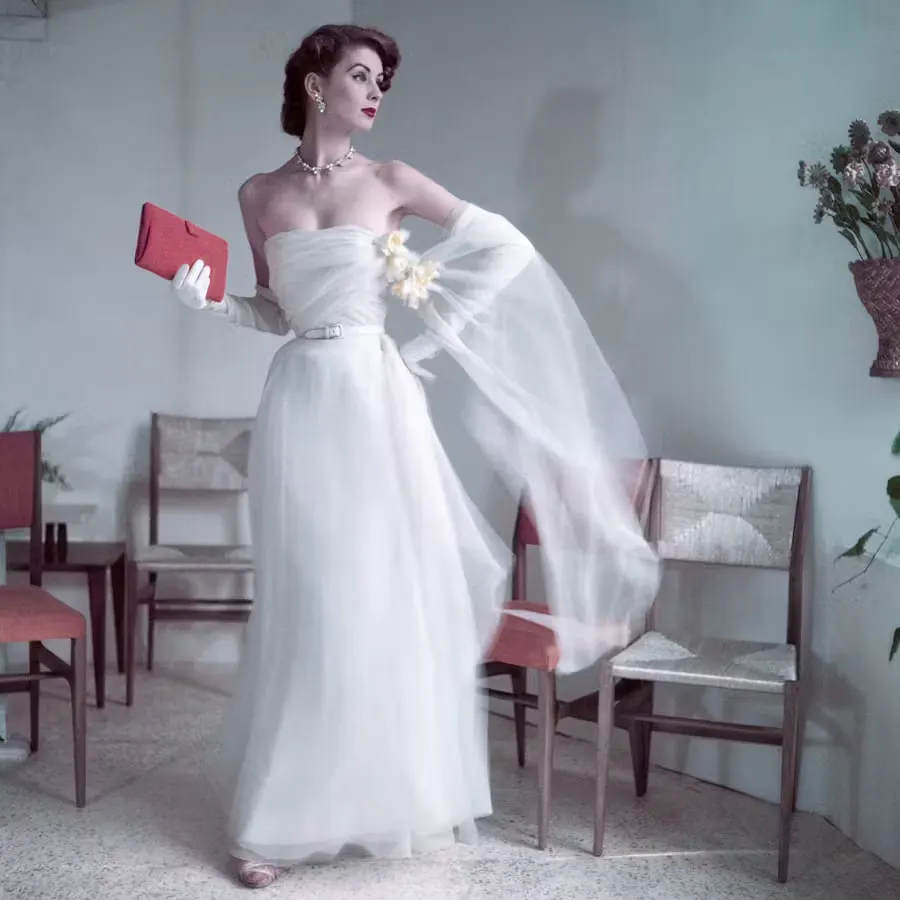
In the 1920s, a new and sophisticated bag model was introduced for evening wear: the clutch bag. A particularly luxurious version was the Minaudière, created by the famous jeweller Van Cleef & Arpels. This bag was so elegant and beautiful that it could almost be classified as a piece of jewellery.
As a fashion accessory, the handbag was beautiful but impractical because the woman always had one less hand to move with when holding it. If the handbag was set down to allow more freedom of movement, there was always the risk that it could be stolen.
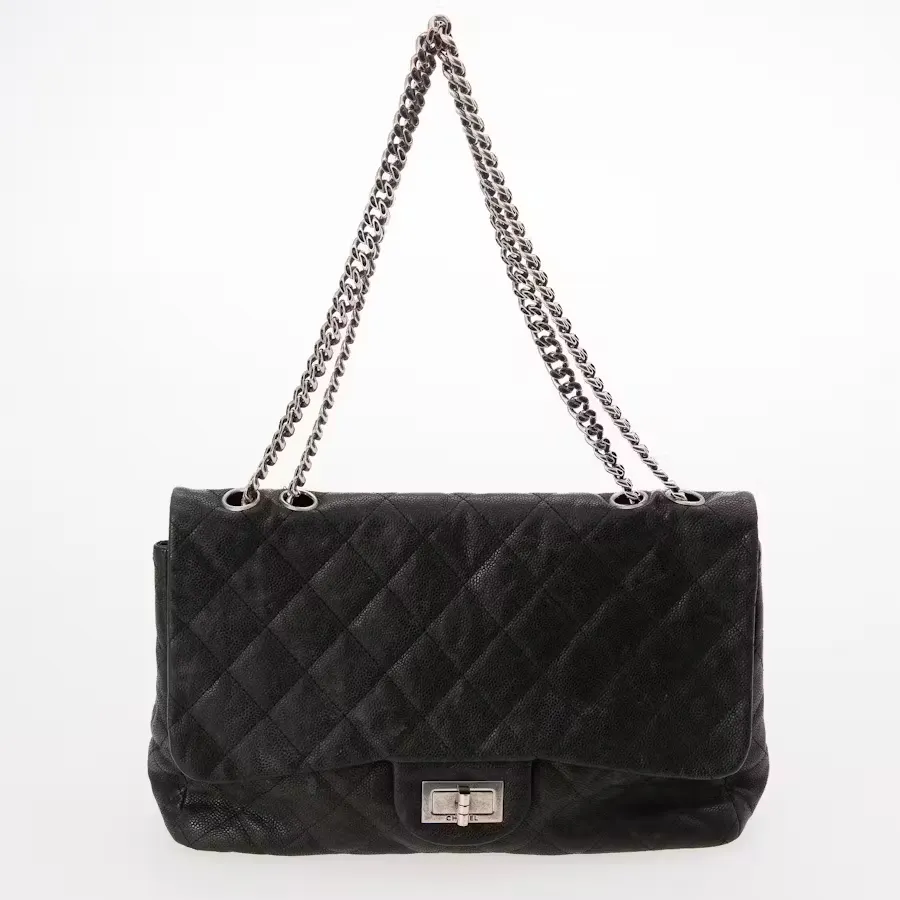
A designer who recognised the problem with the impractical design of the handbag was the visionary Coco Chanel. She envisioned an elegant bag that could be worn with a long chain over the shoulder, freeing up the hands. Although a similar model already existed for men during World War I, it was not until the 1950s that Chanel took hold of her idea and made it a reality. In February 1955, she launched the groundbreaking model 2.55, named after the date of its release.
See also: How to Spot a Fake Chanel Handbag
The 2.55 bag featured a long metal chain, and the inspiration came from Chanel's childhood. When she was twelve years old, she lived in an orphanage where the nuns used chains for their keys, a design tradition dating back to the Middle Ages. This innovative bag model quickly became a timeless classic and revolutionized how women carried their belongings.
Coco Chanel's innovation was a crucial step towards the great diversity in bag design. Today, there are no limits to the materials used and the design of handbags.
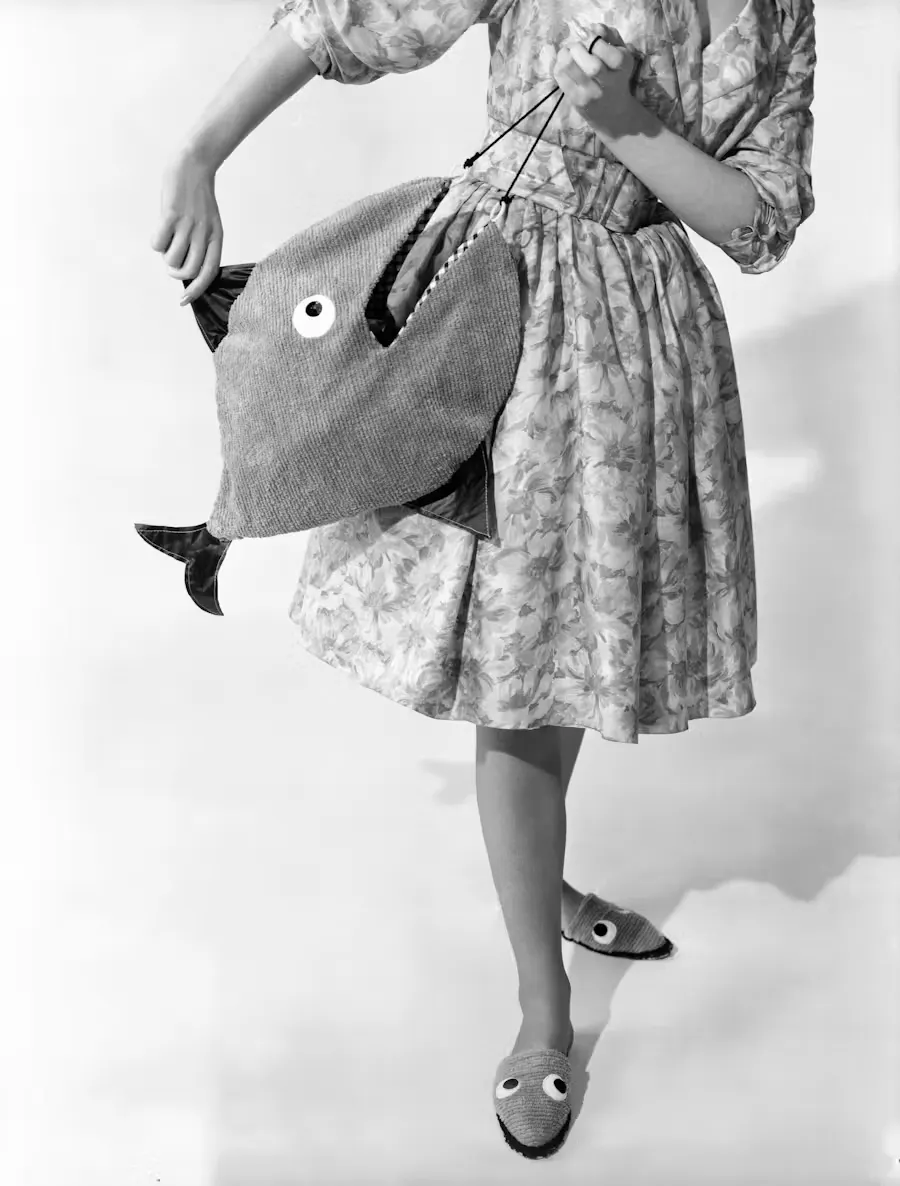
The handbag, through its rich and multifaceted history, has evolved into much more than just a practical accessory. It has become a symbol of style, status, and personal expression. From the functional chains of the Middle Ages to Coco Chanel's revolutionary 2.55 bag and today's endless variations of designs and materials, the handbag demonstrates an impressive adaptability to the trends of the time and the needs of women.
Read more articles on Barnebys Magazine
This is an updated version of an article originally published on 29 June 2020.