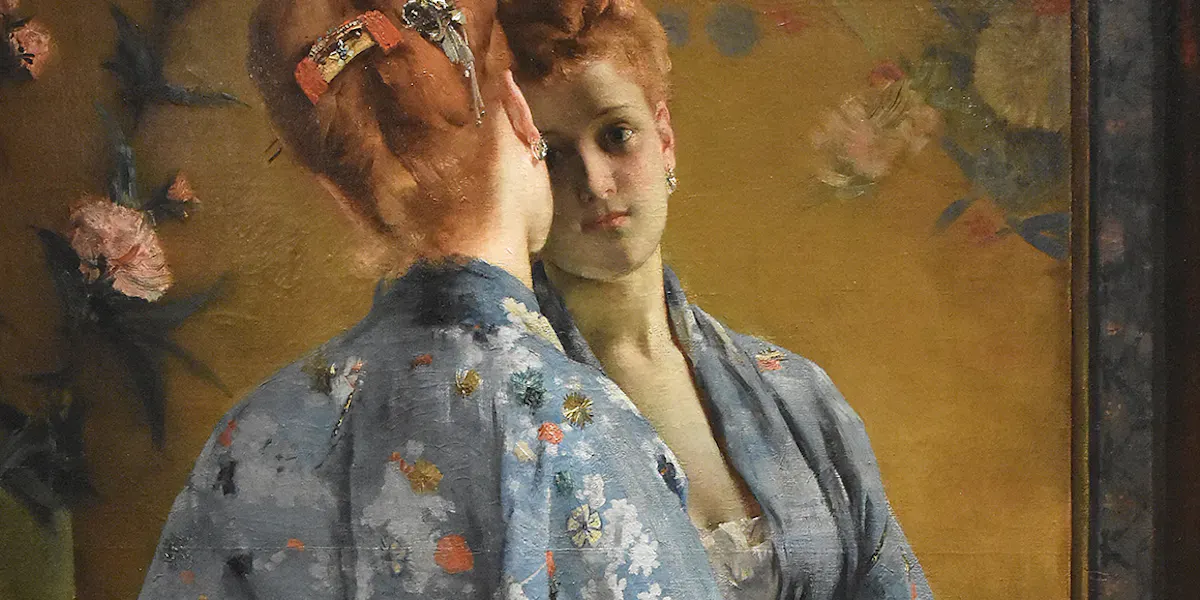
The great interest that Japanese art received in Europe is easy to explain. From the 17th century until the 1850s, Japan had largely isolated itself from all other countries. There was hardly any trade or exchange with foreign countries, let alone Europe. However, that changed in the middle of the 19th century, when the Tokugawa shogunate ended and the Meiji Restoration reinstated imperial rule. Foreigners were allowed to stay in Japan, and Japanese art, especially coloured woodblock prints (Nishiki-e), came to Europe.
See also: Ukiyo-e: The Art of Japan
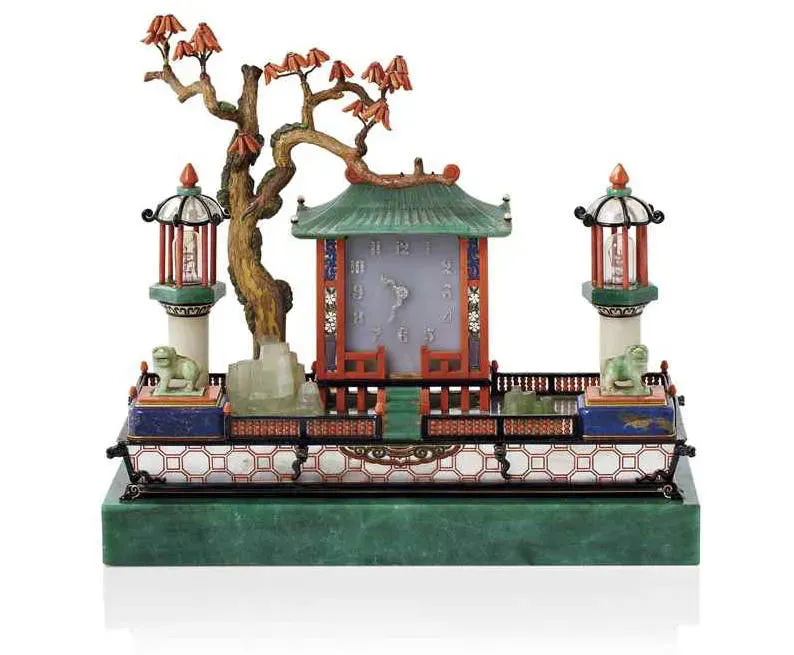
Here, Japanese art met with great interest from collectors who recognised its extraordinary quality, as well as from artists who discovered a new type of painting that at the time deviated from classic studio painting. Japanese art was a completely new and undiscovered source of inspiration and had a great influence on the art movements up to Art Deco.
See also: Paul Jacoulet: French Master of Japanese Prints
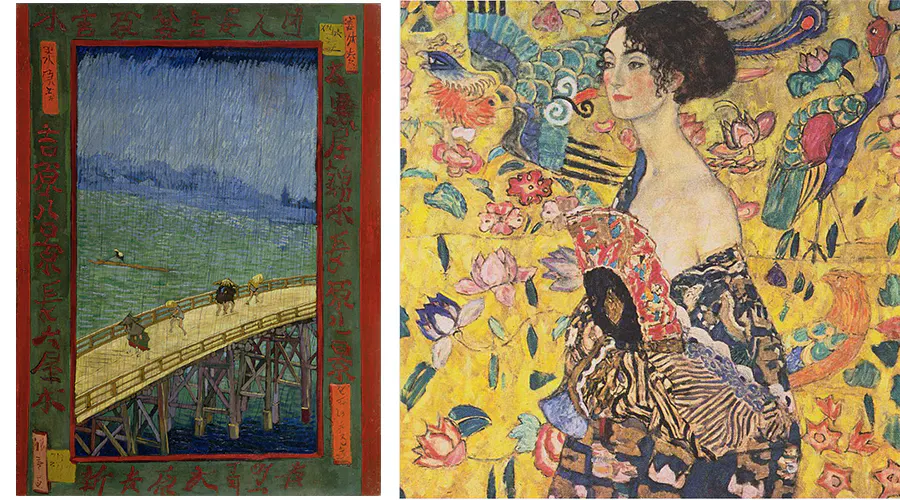
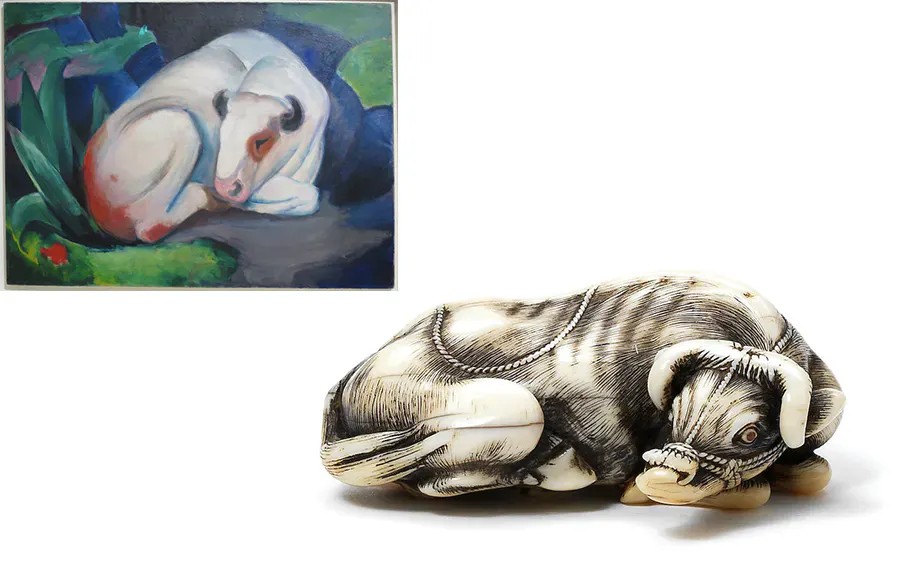
Vincent van Gogh not only created paintings in a style inspired by Japanese art, but even copied two works by the Japanese master woodcut artist Utagawa Hiroshige. Expressionist Franz Marc shaped the animals in some of his works so that they were reminiscent of Japanese netsuke.
See also: The Amazing Art of Sagemono and Netsuke
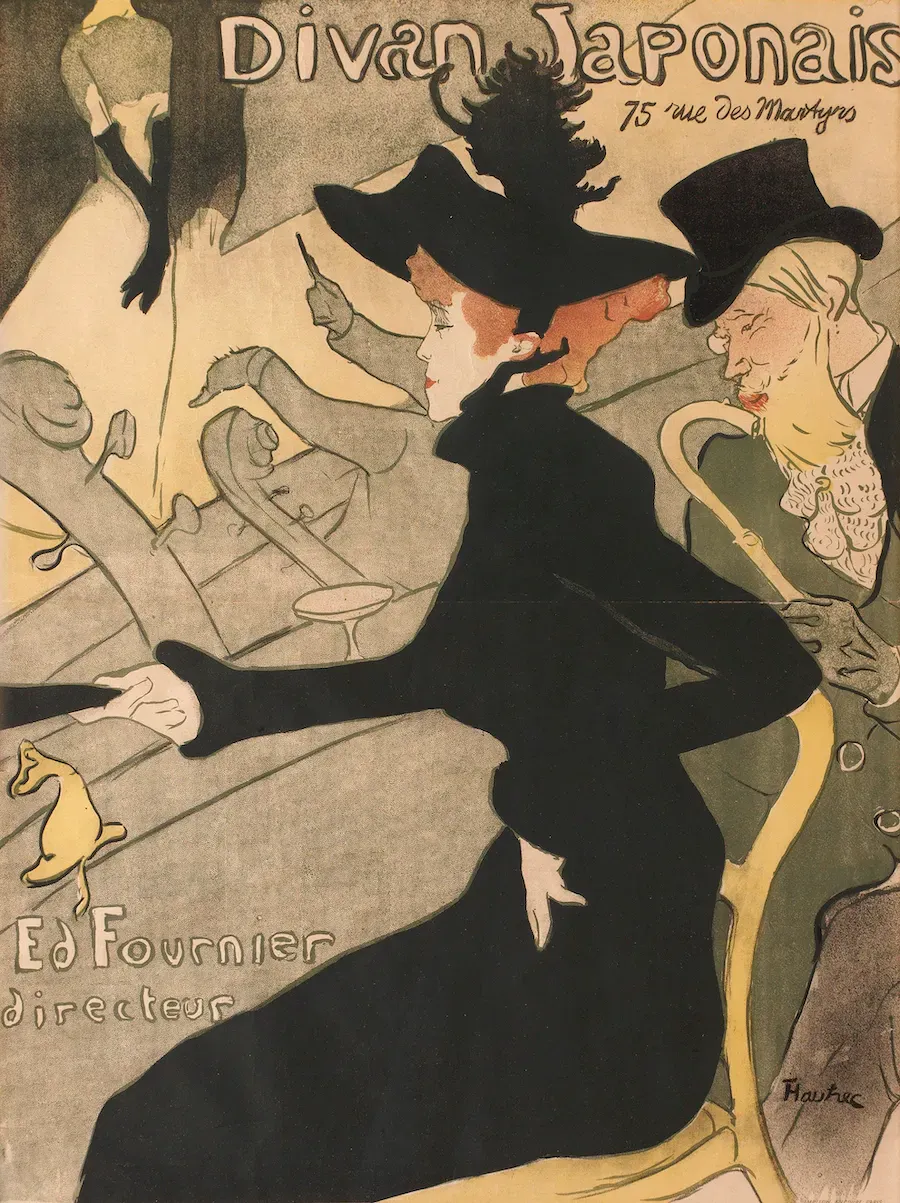
The Japanese style became popular especially in France where new art movements arose. At the Paris World's Fair of 1867, many arts and crafts from Japan were shown. A real hype arose in Paris, so that by the 1880s there were already 40 shops specialising in the trade of Japanese goods. Cafés and other localities also picked names inspired by the Far Eastern Empire, as documented by the famous Divan Japonais advertising poster for the eponymous cafe-concert by Henri Toulouse-Lautrec.
In the centre of the 'Japanese Circle' of Paris was the art dealer Siegfried Bing (1835-1905), who traveled to East Asia and studied art there. He was also the editor of the journal Le Japon Artistique, which circulated from 1888 to 1891.
See also: Kimono: The Japanese Dress On and Off the Screen
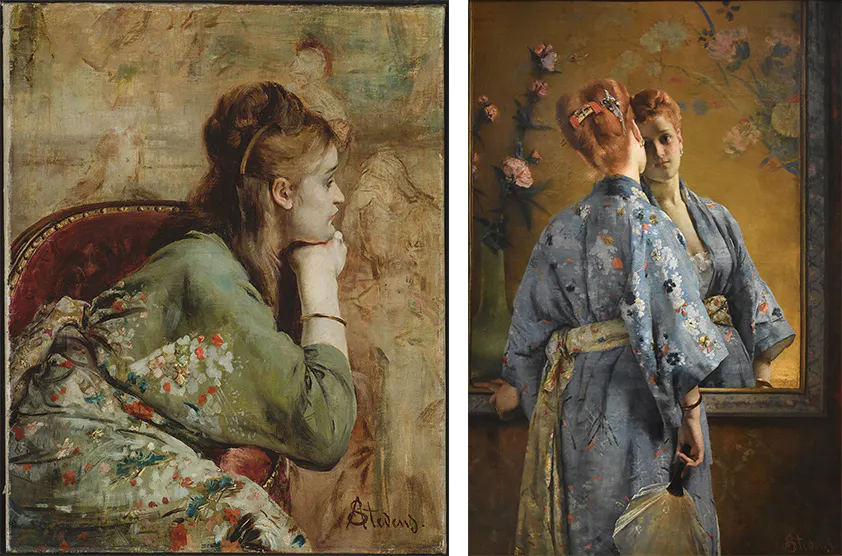
Japanese art also had a great influence on European fashion. Japanese patterns and motifs were very popular in women's wardrobes beginning in the 1870s. Japanese manufacturers such as Iida Takashimaya also designed dresses and kimonos for the European and American markets and exported them to these countries, where great designers such as Jacques Doucet also took up and implemented the style.
See also: The Explosion of The Manga Market
From home design to fashion and artwork to sculpture, Japanese culture invigorated Europe, especially France, and its multi-layered influence can still be found in many ways today, from the interest in manga to the trend of minimalism.