Go to a viewing, handle the objects, and read the cataloguing. Auction houses have items that should be in museums, but with auctions, buyers are able to handle and inspect them, which is the best way to learn.
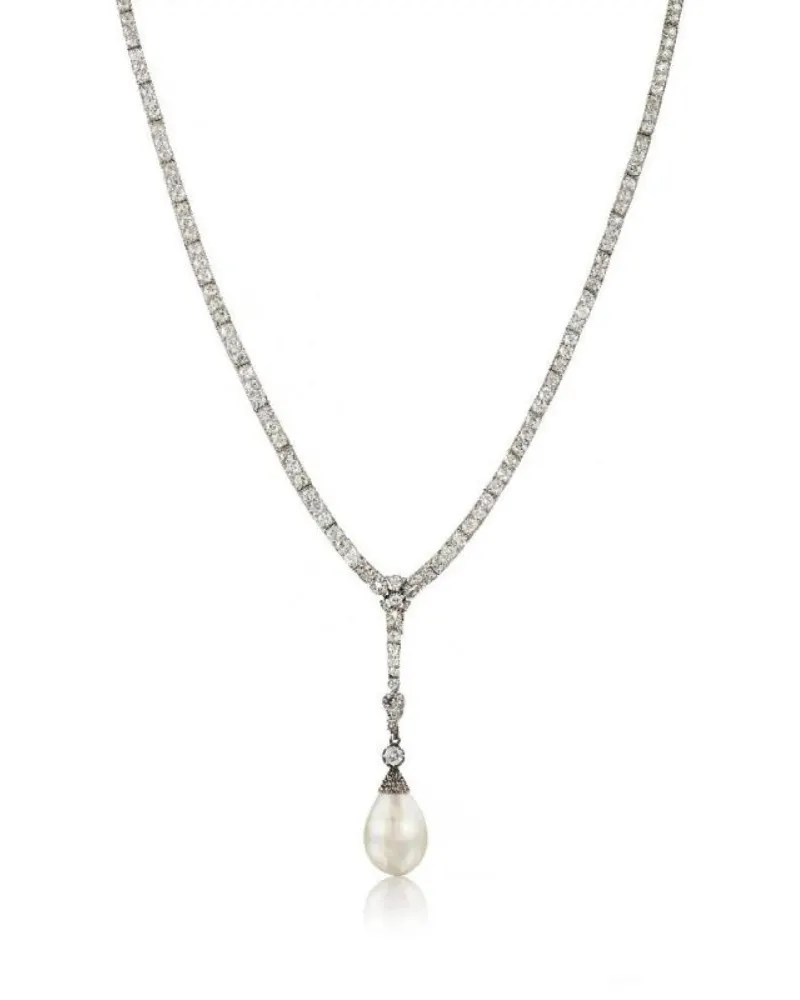
Peter Greenway is the Head of Professional Services & Valuations at Roseberys, a specialist auction house based in London with a 30-year-long history in fine art and antiques auctions. Peter is one of Roseberys' leading auctioneers, whose hammer highlights include a Patrick Caulfield Pony painting sold for £275,000 and a pearl pendant for £187,000. Today we picked his brain to ask a few questions about his journey to becoming an expert, and how to approach the world of auctions as a newbie.

Barnebys: Can you tell us a bit about your background, and what brought you into the world of auctions and valuations?
Peter Greenway: When I was very young, about five years old, my parents started taking me to auctions. My father got addicted to the variety of items on offer, and he would go further and further afield to find better items. So I was dragged along on these trips, and I fell in love with the idea of becoming an auctioneer: I couldn’t see a better way of selling beautiful items. It was so personal and alive, face to face with a smile, plus it had a very competitive edge, with buyers competing item by item. At 12 years old I found an advert for a degree course for auctioneers, and from that moment on, that was all I wanted to do… 27 years later I still love the job and feel the same way.

In your opinion, what has guaranteed Rosebery’s continued success throughout 2022?
In uncertain times, current and new clients want experts to guide them, and Roseberys' team is what they are looking for. The team is what makes Roseberys and we are all working towards a common goal of helping the clients meet their goals.
What would you say are some of Roseberys' points of focus for this year?
Definitely to offer better, more interesting items to the international market, while also providing a better buying and selling experience.
What are the core characteristics that help you assess the value of an object?
Plotting the historical value of items and understanding the past is very important in understanding the current market value. Being up to date with fast-moving markets and being able to advise on current trends is also crucial. The products being sold at auction can change value very quickly. From modern luxury watches to Old Masters paintings, fashions can change unusually fast – something that is instantly represented in hammer prices. The best valuers are the ones that are handling similar items daily.
What guarantees that an object is valued correctly?
Sometimes there are no guarantees that an item is 'valued correctly', it only takes two people to disagree with an estimate and at auction. The sky is the limit to what an item can make. There might be only two people in the world that believe an item is worth a certain price, but that’s all that matters – the buyer and the underbidder determine the hammer price.
An auction estimate or valuation is only an opinion, the market might decide the value is much higher. It also comes down to competition on the day of the sale... I could write story after story on this!
There might be only two people in the world that believe an item is worth a certain price, but that’s all that matters – the buyer and the underbidder determine the hammer price.
What’s your favourite object to value, and why?
My favourite valuation is a difficult item, one that's unusual and rare, and thus has little historical price data. This is where you must use your experience to judge what the market will pay. You must ask who your buyer is and where you target your marketing for the all-important price point for the estimate.
The world of auctions can be intimidating for someone trying it out for the first time. What advice would you give to newbies?
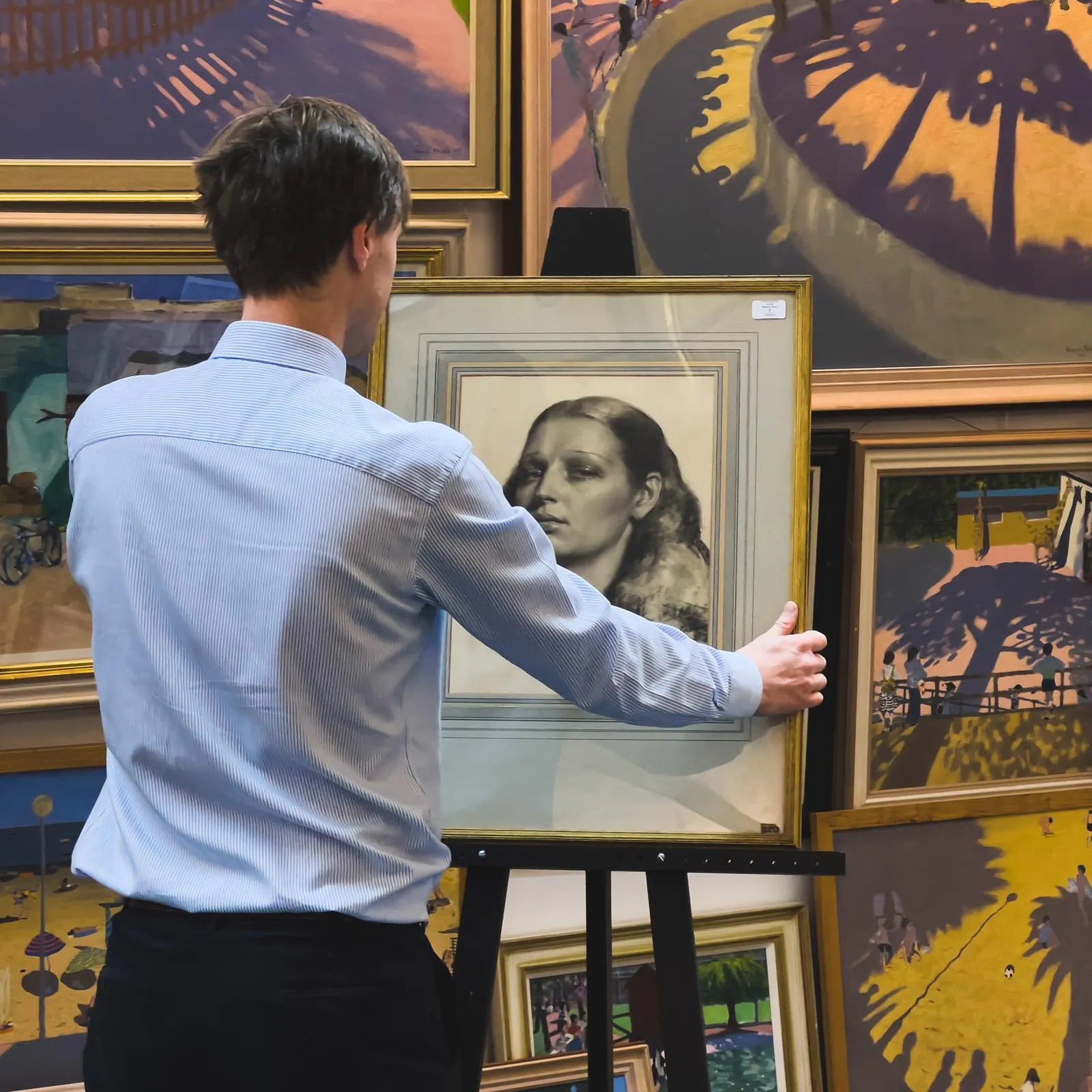
Go to a viewing, handle the objects, and read the cataloguing. Auction houses have items that should be in museums, but with auctions, buyers are able to handle and inspect them, which is the best way to learn. Talk to the viewing team, they would love to answer any questions. You may go to many viewings before even placing a bid. Buying something by 'mistake' is impossible, so don’t be scared to blink.
What collectors’ markets are on the rise?
Over the last five years, the watch market has been very fast-moving, with prices going up monthly.
What are some objects people may be surprised to find out are very valuable?
I recently did a large valuation on Leica cameras, and the world record price for these cameras is $15 million.
Have you ever come across an extremely lucrative ‘attic find’?
So many stories!
Finally, what would you choose if you could go back in time and purchase an object or category of objects?
My item wouldn’t be based on value or increased value, I think we should only buy what we love and don’t see it as an investment!