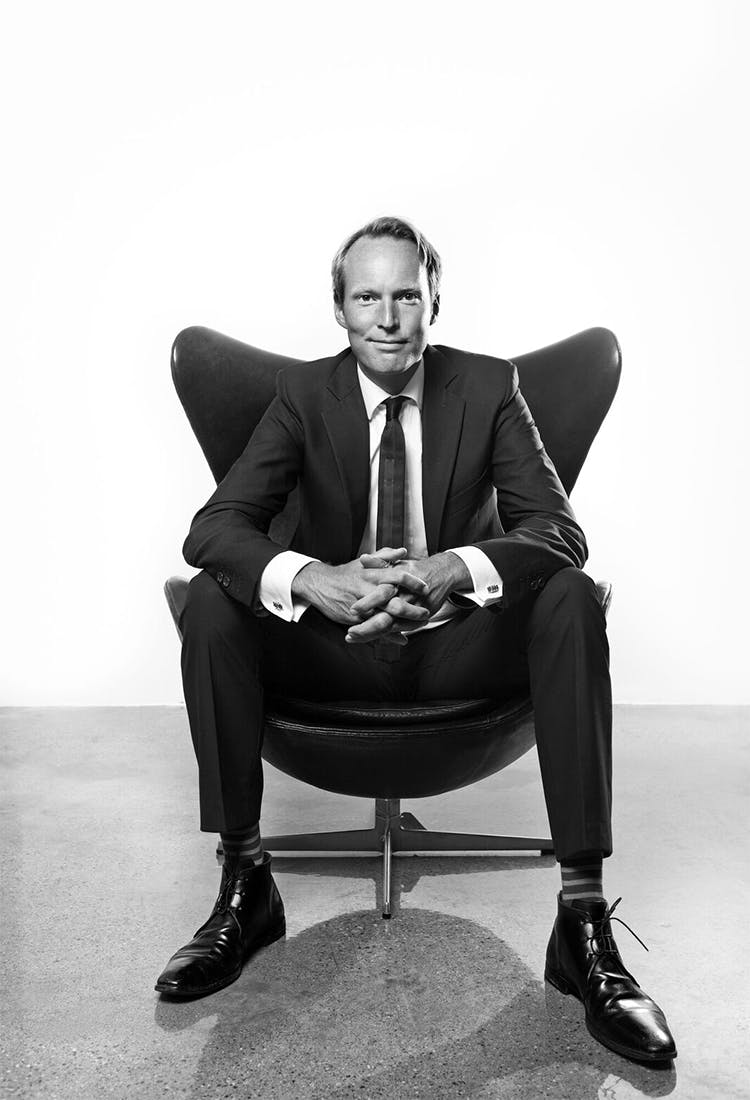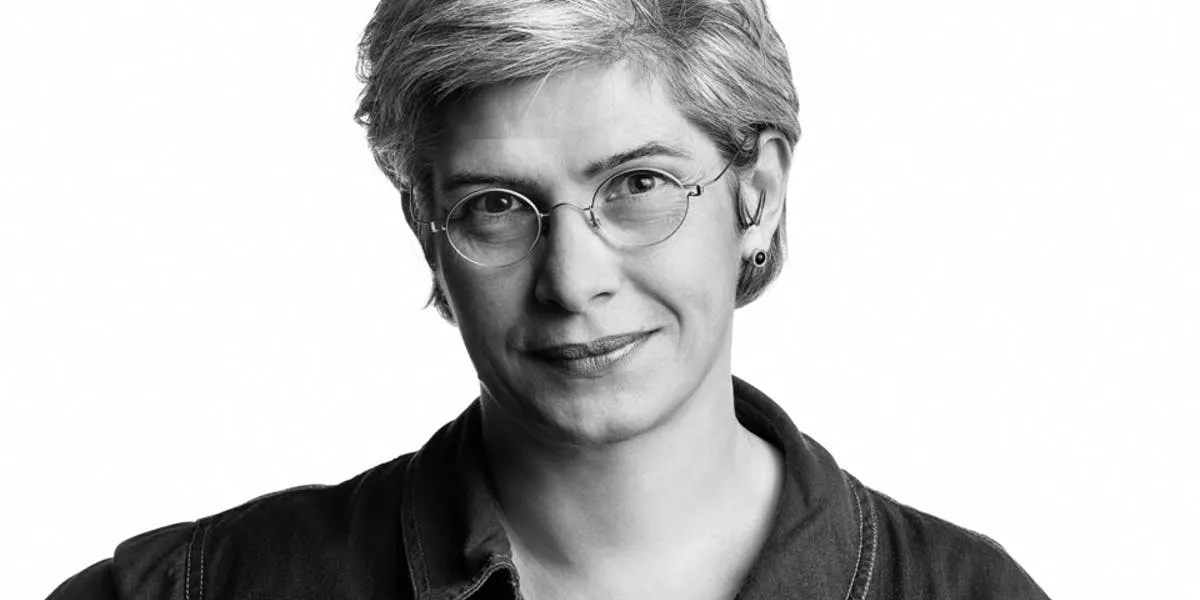
The award-winning glass artist and industrial designer Erika Lagerbielke made a big impact with her Intermezzo series as early as 1984. Since then, she has been awarded the Excellent Swedish Form award three times and received the Prince Eugene Medal by HM King Carl XVI Gustaf for outstanding artistic work. Now, she is in the spotlight with an exhibition at Galleri Glas in Stockholm where she presents colourful works inspired by the summers of her childhood. Here Barnebys founder Pontus Silfverstolpe talks to Erika Lagerbielke about her exhibit, her work process and the renaissance of art glass.
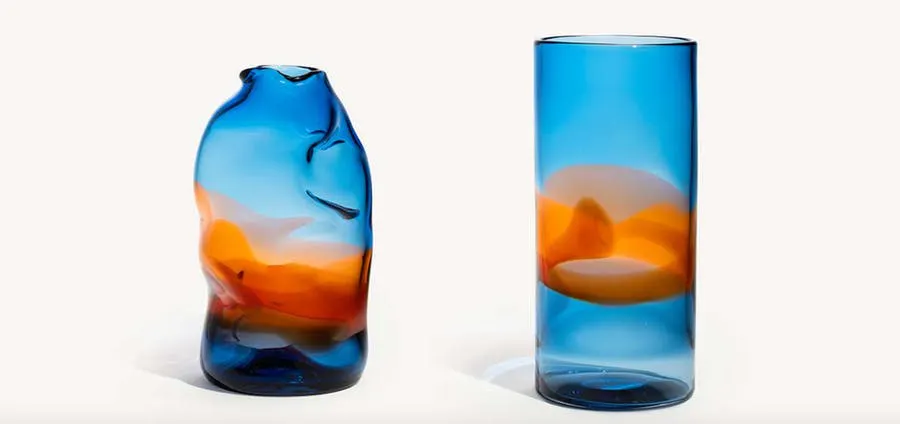
You have produced a series of unique works for the exhibition at Galleri Glas. What is the difference when making unique pieces and series respectively? Do you think differently about design?
Yes, I think you do. These are two quite different processes. In the design process and the development of series production, I target someone who will use the product. I try to live in a user process that is a relevant for many. On the other hand, the production of unique works is about what I want to say. Of course you want people to be interested, but it is primarily about what I want to say and how I want to say it. It's much more from within, without dialogue initially. Then there will be a natural dialogue at the gallery.
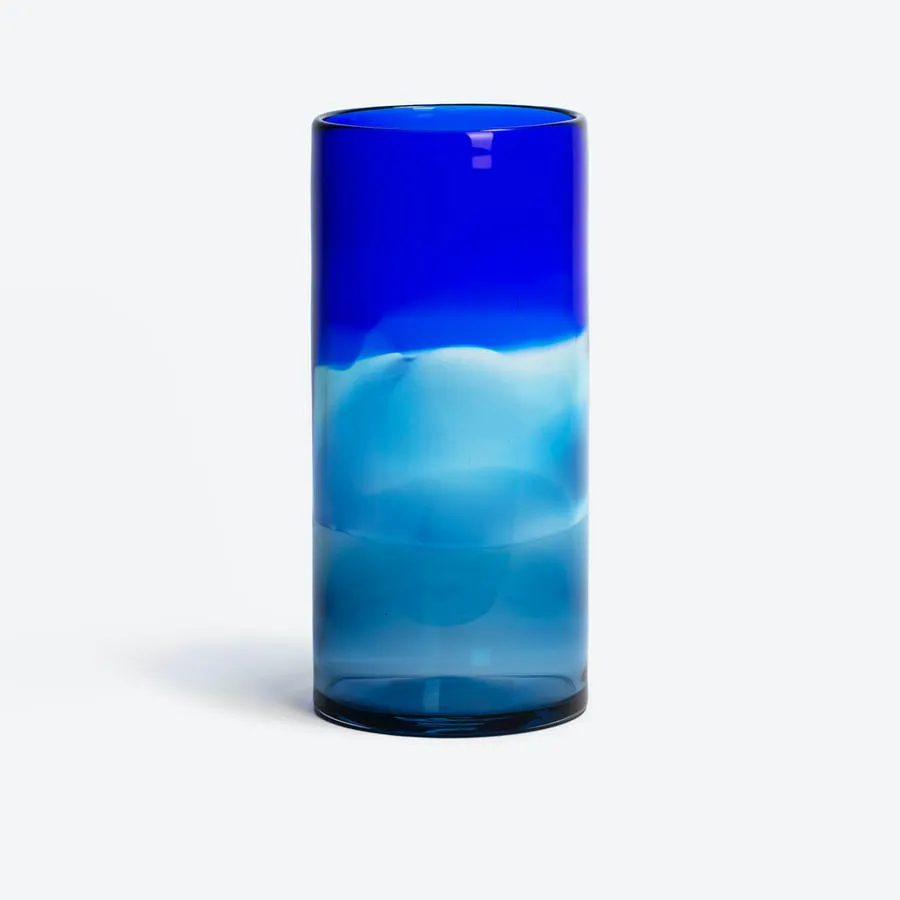
How did your interest in glass begin?
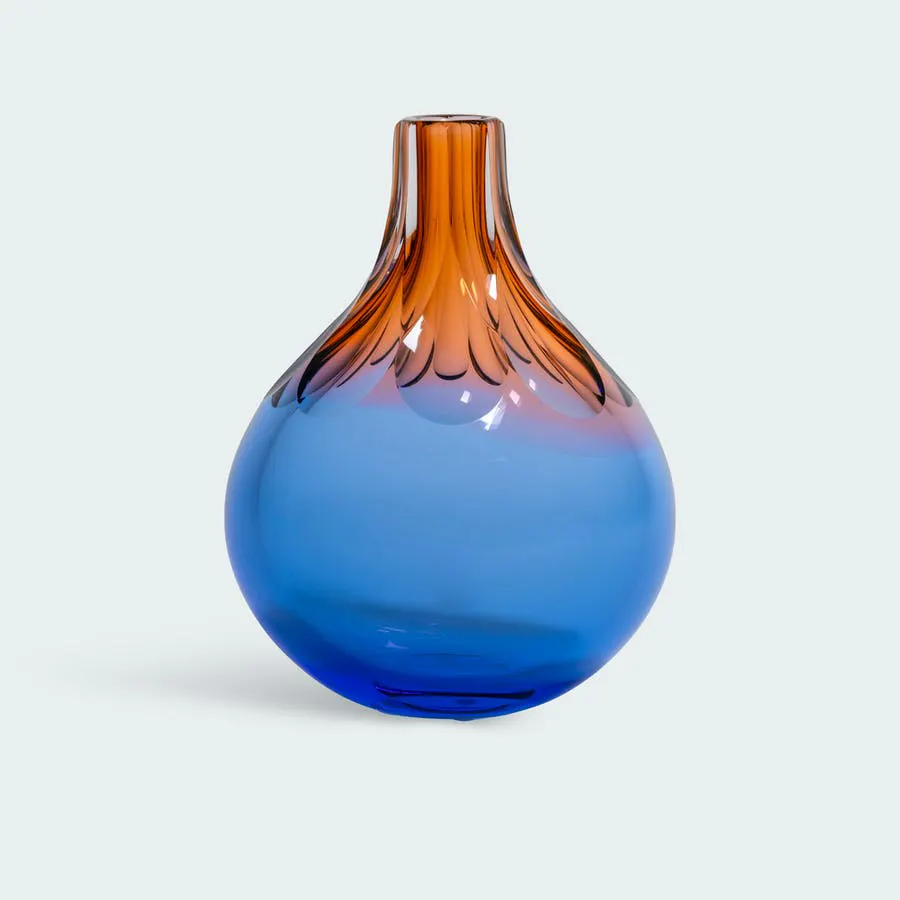
I'm an industrial designer at heart, but glass came into my life much earlier. On Gotland where my parents rented a summer house we had a fantastic glass veranda with stained glass windows in red, green and blue. I was four years old and thought those windows were absolutely magical. I actually have memories of how I stood there and pressed my nose against the different coloured squares so the world outside became a different colour. I'm sure that was where my curiosity was born for glass as a material.
Why did you choose glass as your primary medium?
I came in contact with glass in different ways. At Konstfack [University of Arts, Crafts and Design], we would have an afternoon a week when you could pick out what you wanted to do and what materials you wanted to work. I chose glassblowing. I thought it was great fun, and then I took a summer course at Orrefors glass school. But I did not want to become an artisan, I had chosen industrial design for a reason. In addition to the fact that glass suited me well as a material, the design process suited me well as a process. I received a scholarship so that I could be at Orrefors for three months on an internship. There I got an insight into how the glassworks worked. Every now and then I felt that it really clicked. I could work with glass but as a designer.
What is so unique about the properties of glass?
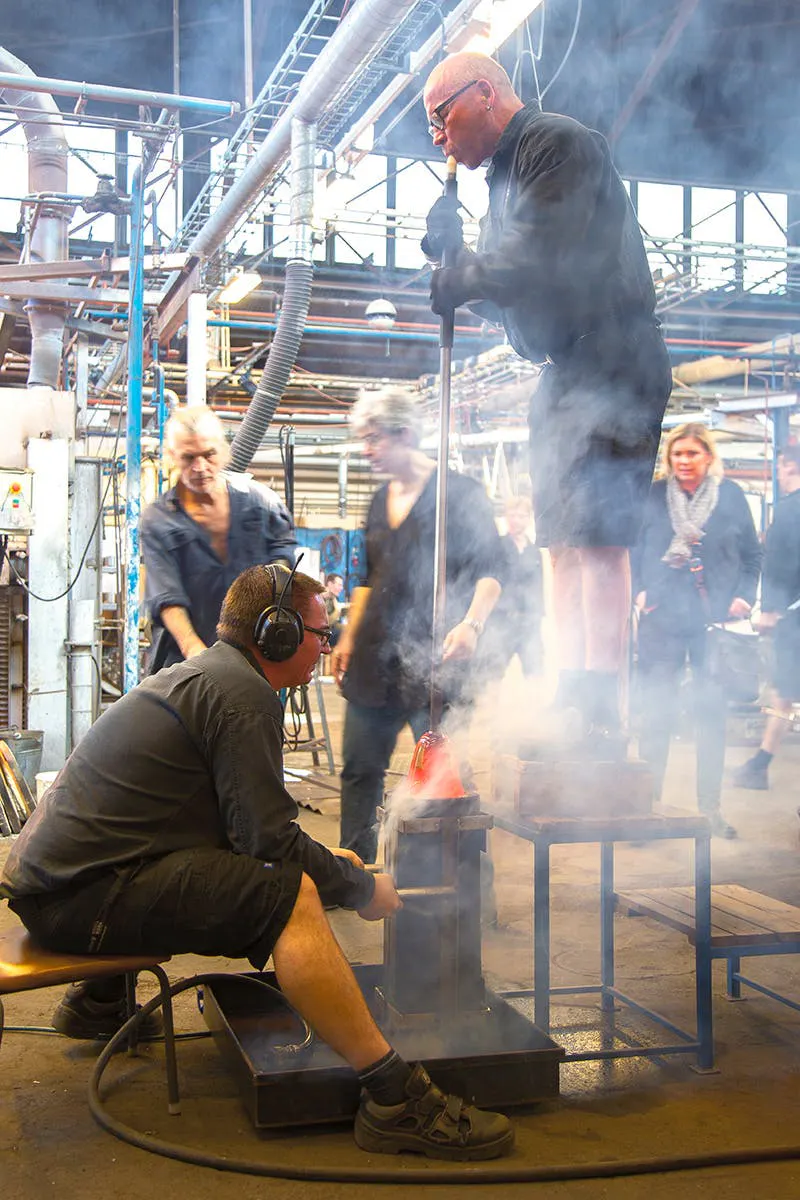
Glass is first warm, soft and malleable and then changes and becomes cold, hard and transparent. Its ability to work with colour is magical. I usually say that there are three things I understand: glass, colour and wine. I also like the process at the glassworks, the teams that you work with. You give and take. The glass cabins are fantastic where everyone works with their part of the process.
What the difference between mass producing glass and making unique pieces?
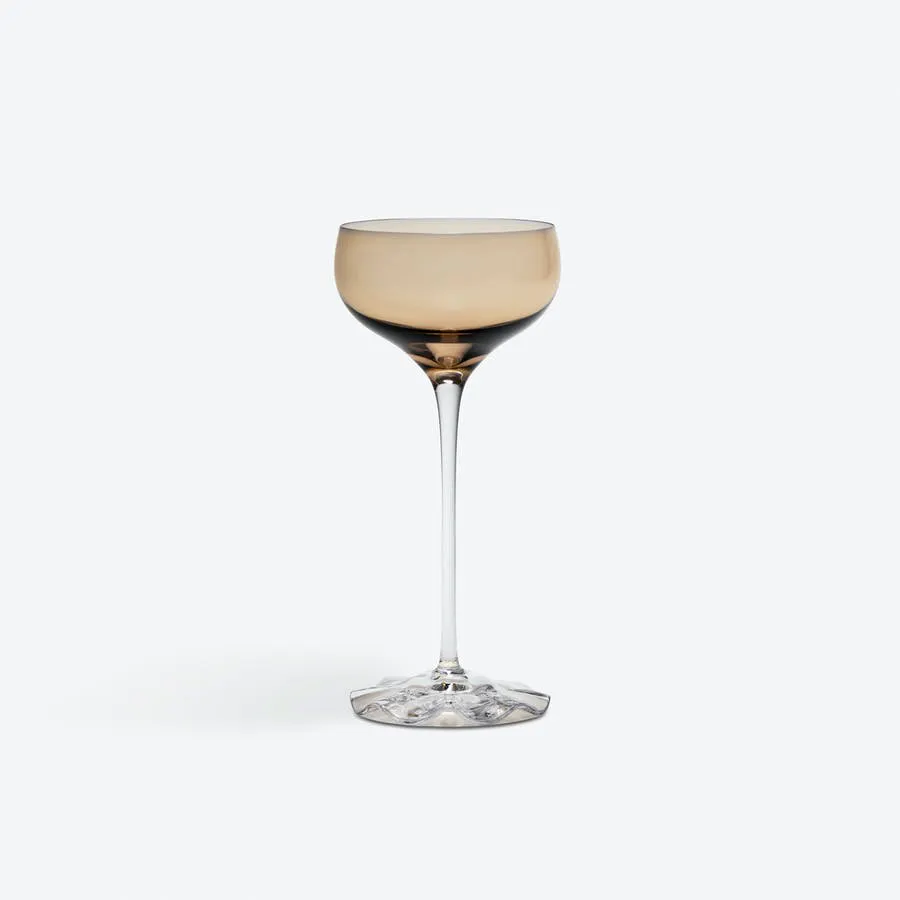
When it comes to wine glasses, the focus is on the product in the first place. At Kosta Glasbruk, they have the 'art glass gang' and the 'glass service gang who work with service glass'. They are focused on production and repetition. In the industrial production, you know what you are doing from the beginning, while in collaboration with the 'art glass gang' you feel a little more advanced. A wine glass is a wine glass. There is a limitation from the beginning, but for the exhibition at Galleri Glas I have also done some design experiments with, among other things, wine glasses.
You currently have an exhibition at Galleri Glas in Stockholm. When was the last time you had a solo exhibition in Stockholm?
Far too long ago! But I have participated in several group exhibitions and had a large exhibition at Kulturparken Småland in Växjö 2018. It was then shown at Orrefors Museum 2019-20.
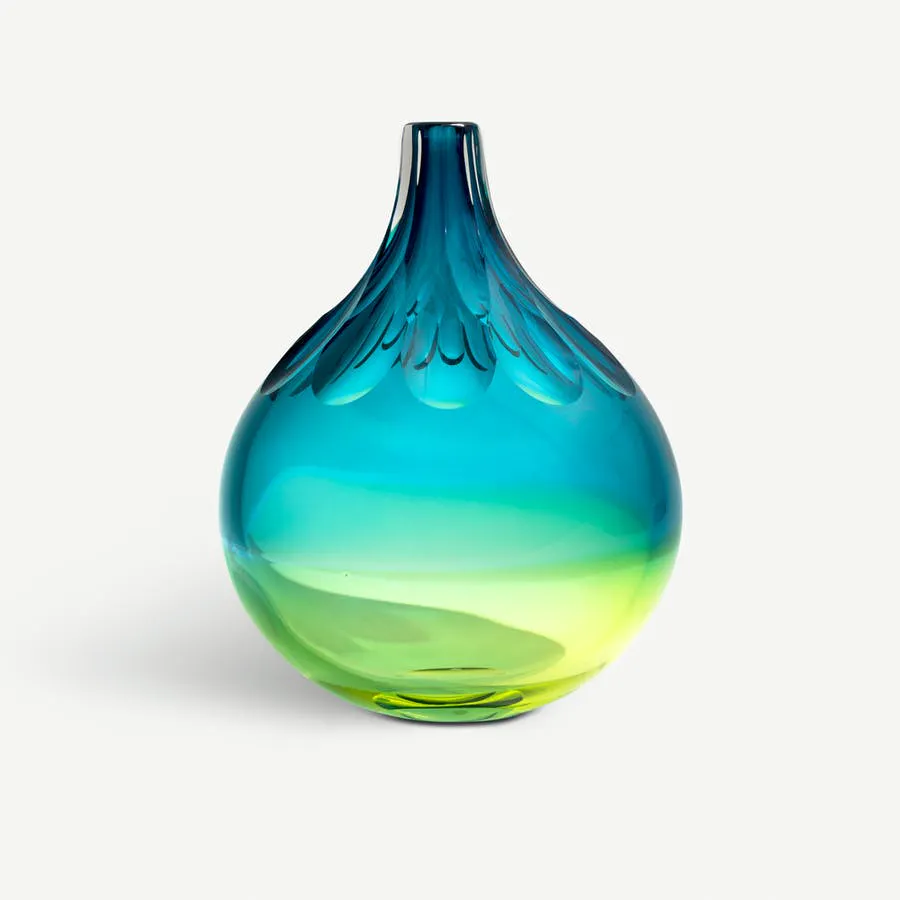
Water has been central to your glass art. Why?
I always return to water. To be by water or in water. Maybe I'm rooting back to the past. I have always enjoyed swimming and diving, these are strong early experiences. Glass and light are so closely connected, and the connection to water, light and the transparency of water is something I always return to. I also want to do something that is important to me. In northern Gotland, where I partly live, the lack of water is a recurring topic of conversation. It's problematic and I wanted to do an exhibition about something I feel strongly about.
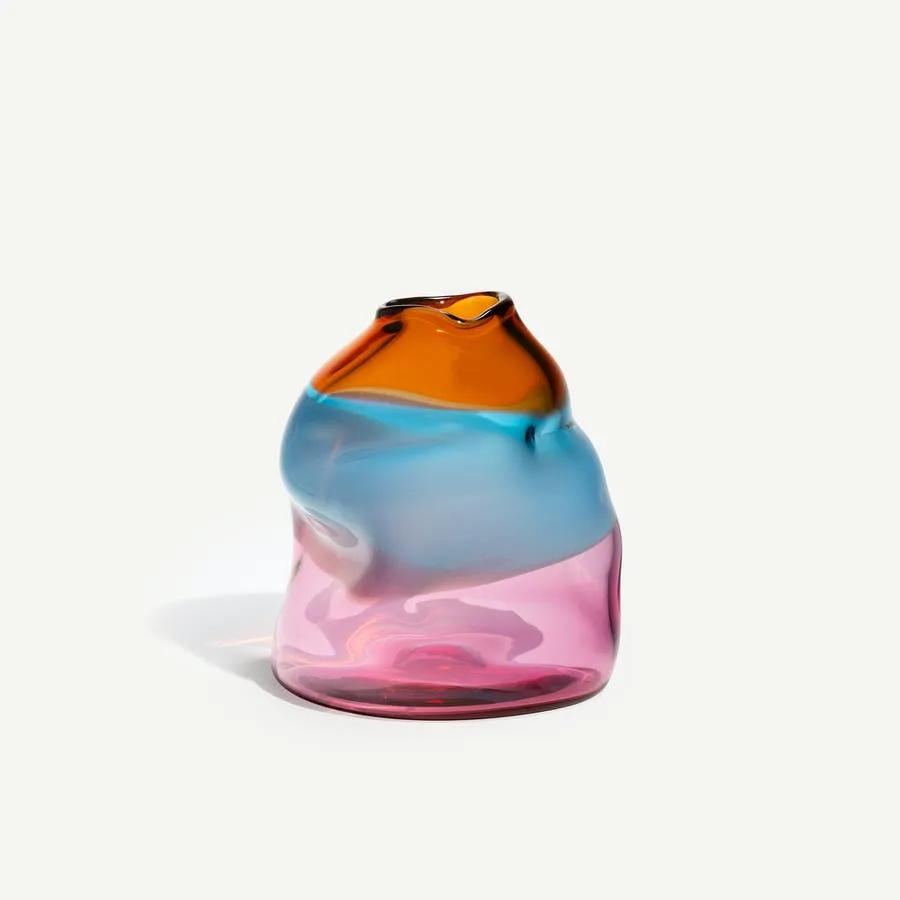
Is there a common thread in the exhibition?
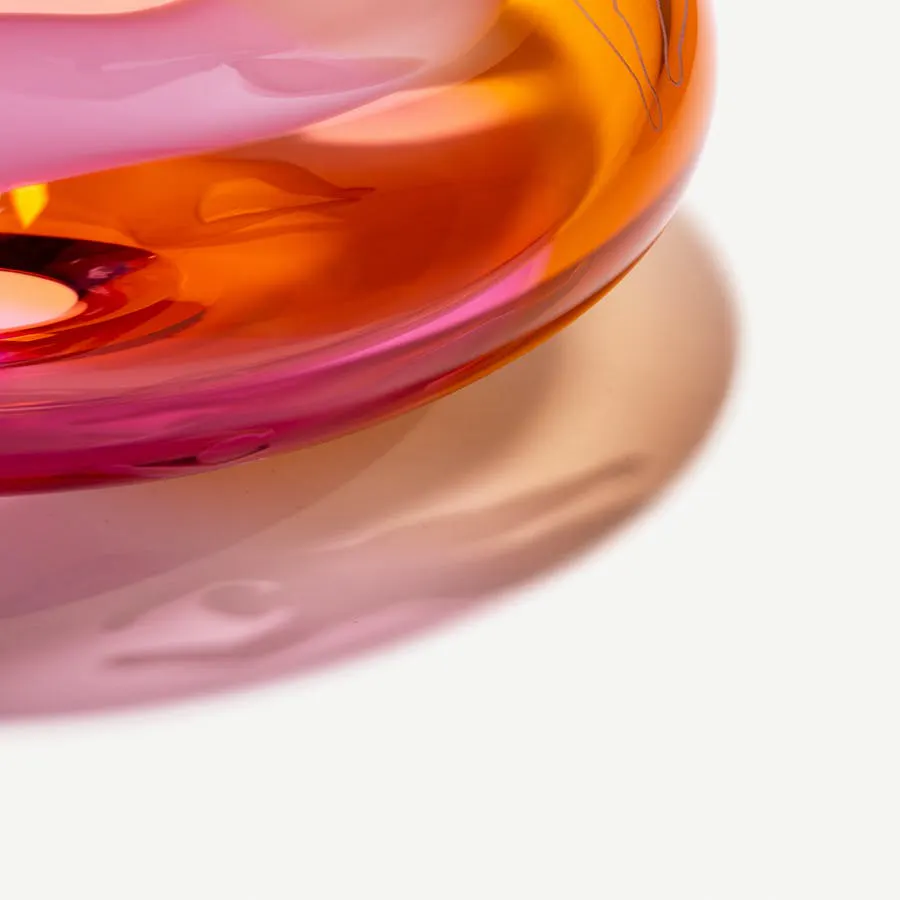
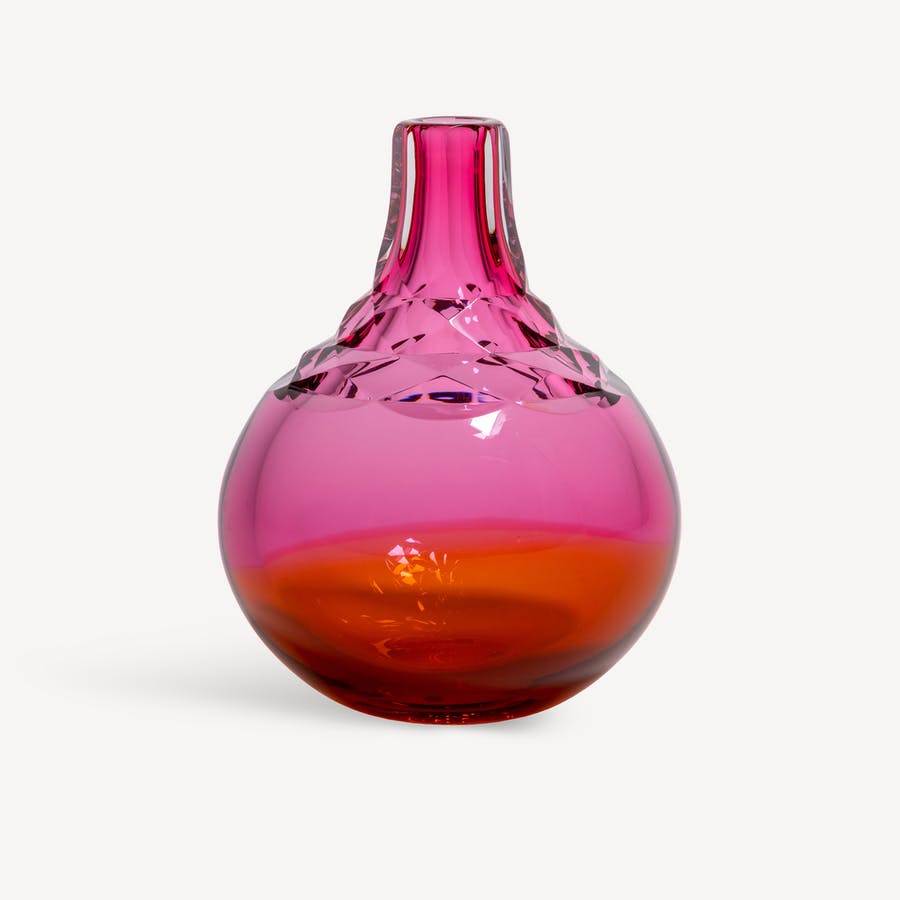
Rather, there are four themes, but colour I would probably say is the common thread. It is intense, although not necessarily strong. In all the works I have worked with combinations of different colours.
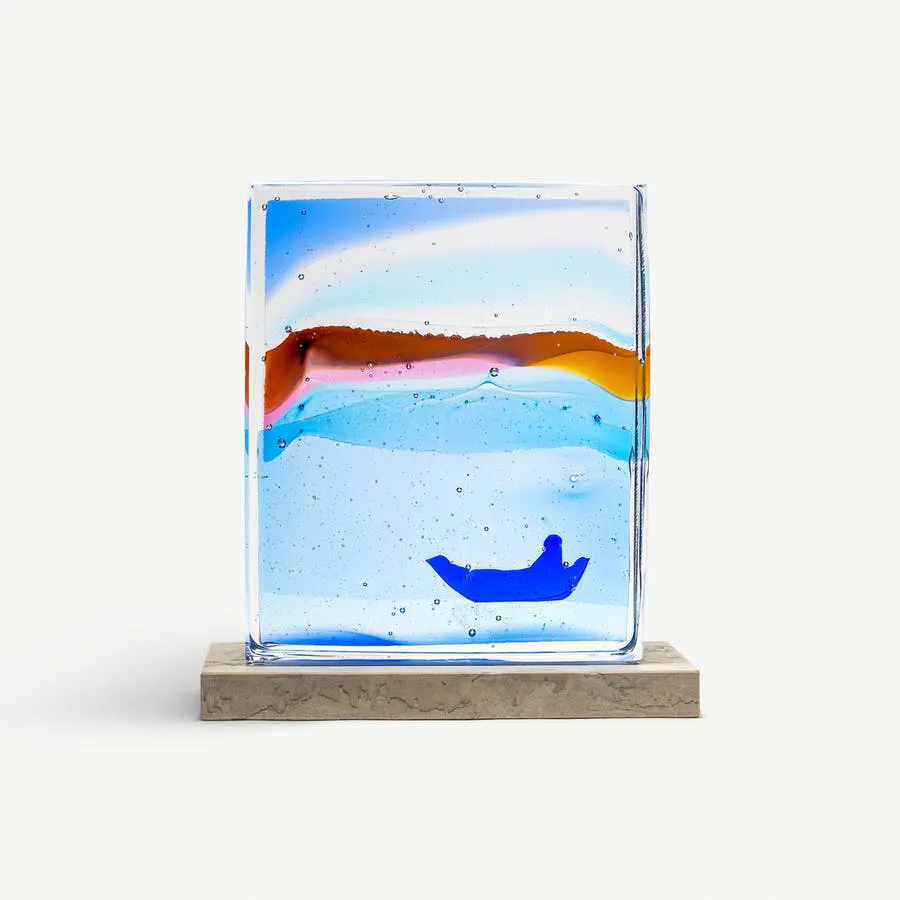
What are the four themes?
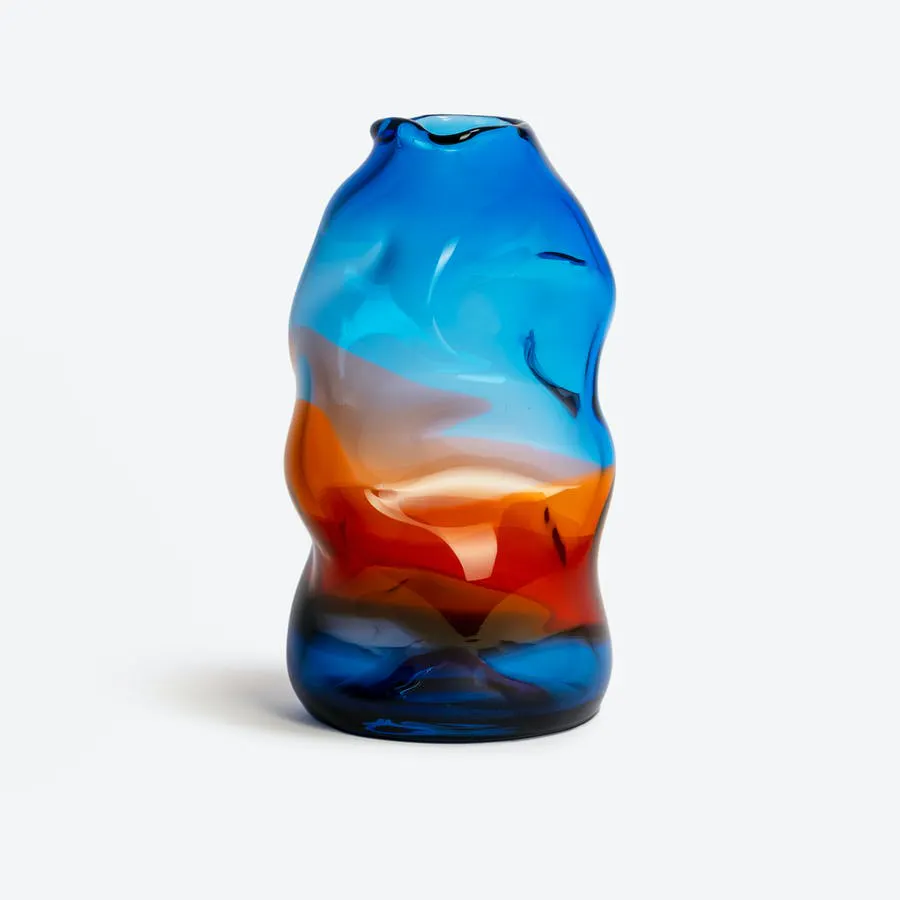
On the one hand, there are the works that we at the glassworks call 'deformed'. I call that series "Losing control - gaining control". Another theme is different colours inspired by abstract painting. I started with several different color mixtures in the same work with a question about how I could apply them and how they interact. The third theme is a number of different champagne glasses. There are variations on the theme of how to drink champagne. I think it's a bridge between what most people might recognise me for, the service glass design, and the art glass. The last theme is completely new to me, both in expression and method. It is cast glass in pieces with motifs in different layers where I build a world of scenery.
What is the most fun, the artistic or the industrial side?
I do not want to choose. It's very fun in different ways. The artistic glass is in a way more scary. I am a rather restrained person but in the artistic process I have to give more of myself which is interesting. The industrial design process is safer and not so personal. The design work is more intellectual and the artistic process is more intuitive.
My view is that glass is having a renaissance now. Do you agree?
Yes, if you go back ten years, glass art was quite invisible for various reasons, but since then a lot of new energy has come into it. I also think that collectors return when they feel that there is something of interest.
The exhibition A Blue Planet with Erika Lagerbielke's fantastic work took place between 10 March and 13 April at Galleri Glas in Stockholm. Here you can read more about the exhibition.