With his gallery in Cologne, Rudolf Zwirner emerged as a groundbreaking pioneer for the market and perception of contemporary art in Germany during the 1960s. In 1966, he co-founded the Cologne Art Market, a modern art fair that later evolved into today's Art Cologne. Zwirner privately collected a diverse range of works on paper, including pieces by both contemporary artists and old masters.
With the special auction titled 'Rudolf Zwirner Collection - Works on Paper,' kicking off the Grisebach summer auctions in Berlin on 30 May at 2 p.m., Zwirner is now parting with 31 of these works. They range in date from 1641 (such as Rembrandt's Landscape with Hut and Haystack) to 1993 (including Al Taylor's Untitled (Can Study)).
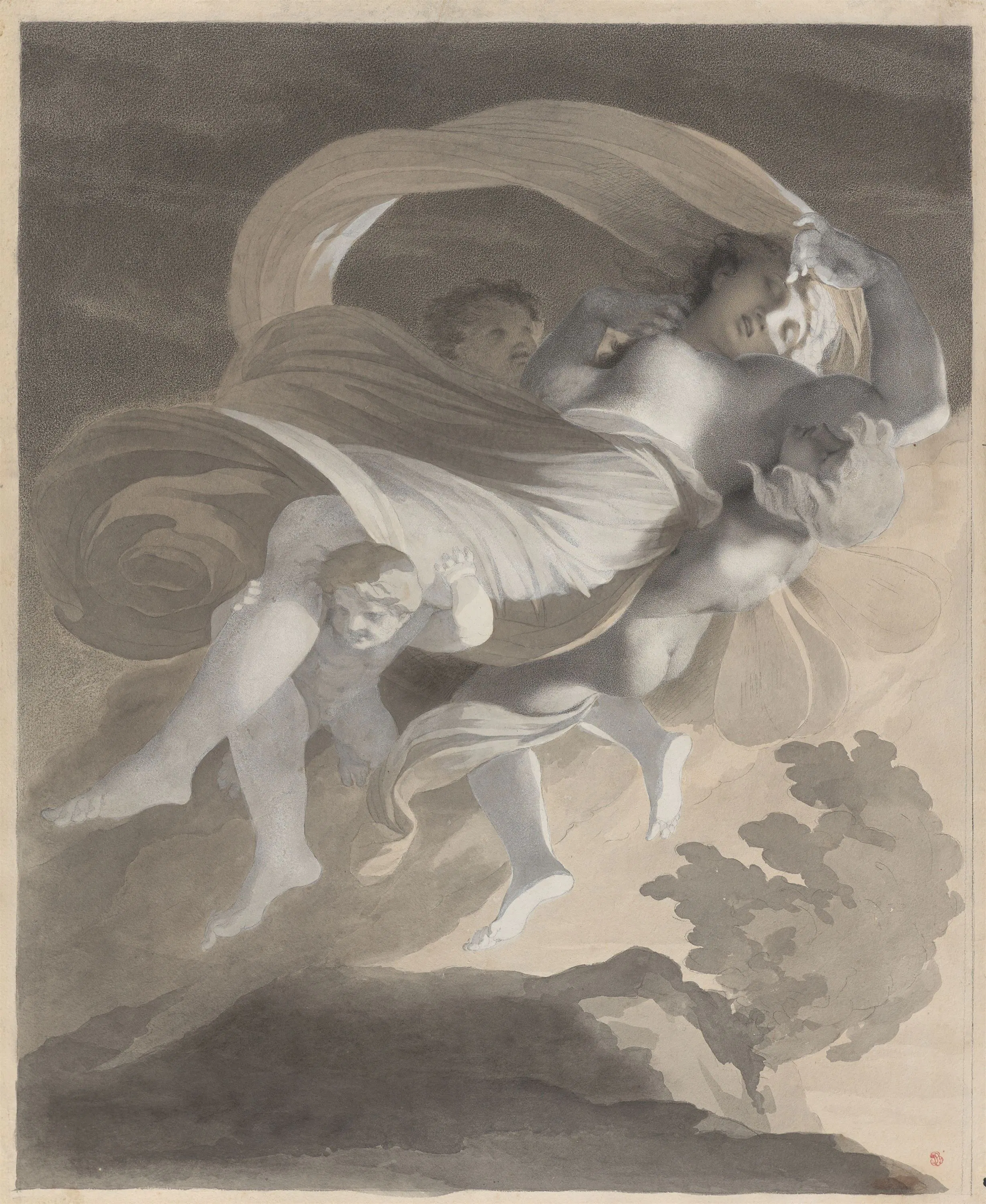
The standout piece in this collection is L'Enlèvement de Psyché (circa 1808), a marvelous preliminary study by Pierre-Paul Prud'hon for his painting of the same name, currently exhibited in the Louvre. Also notable is Carnet Guernesey, a rare painted work by the renowned writer Victor Hugo, created in 1856 during his exile in the Channel Islands.
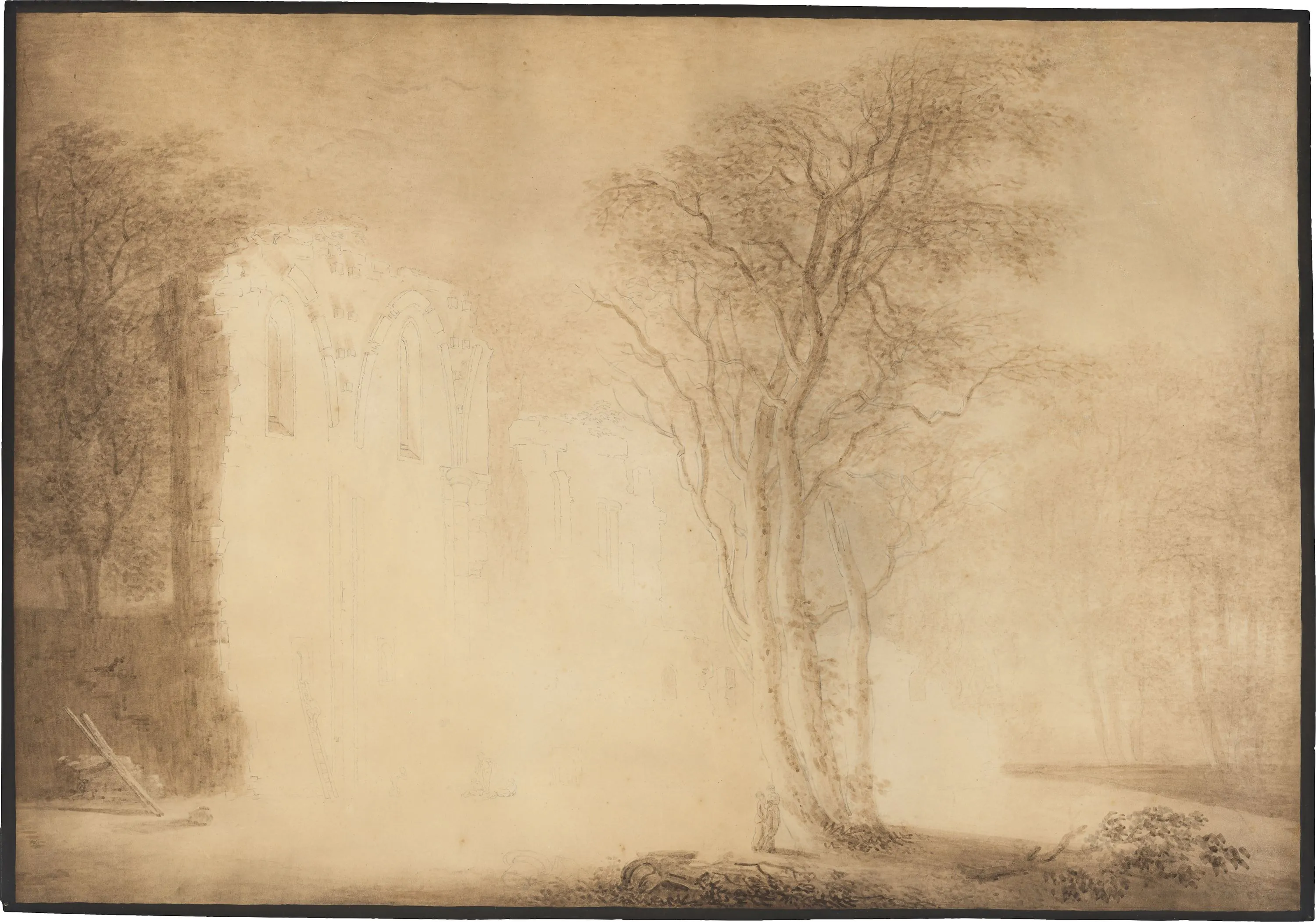
Following the Zwirner collection, 19th-century art will take centre stage at 3 p.m. Five works by Caspar David Friedrich are up for auction, including an early oil painting and the unfinished drawing Fire in a Church Ruin (around 1800/01), which was initially owned by one of the artist's brothers and then passed down through direct inheritance. Friedrich himself serves as the subject for another highlight of the collection: Caspar David Friedrich on the Rock ('View of the Sea') by his friend Georg Friedrich Kersting, created around 1809/10 and still owned by his family today.
Finally, at 6 p.m., the 'Selected Works' auction, which is always eagerly anticipated, is sure to delight art lovers and collectors of modern and contemporary pieces.
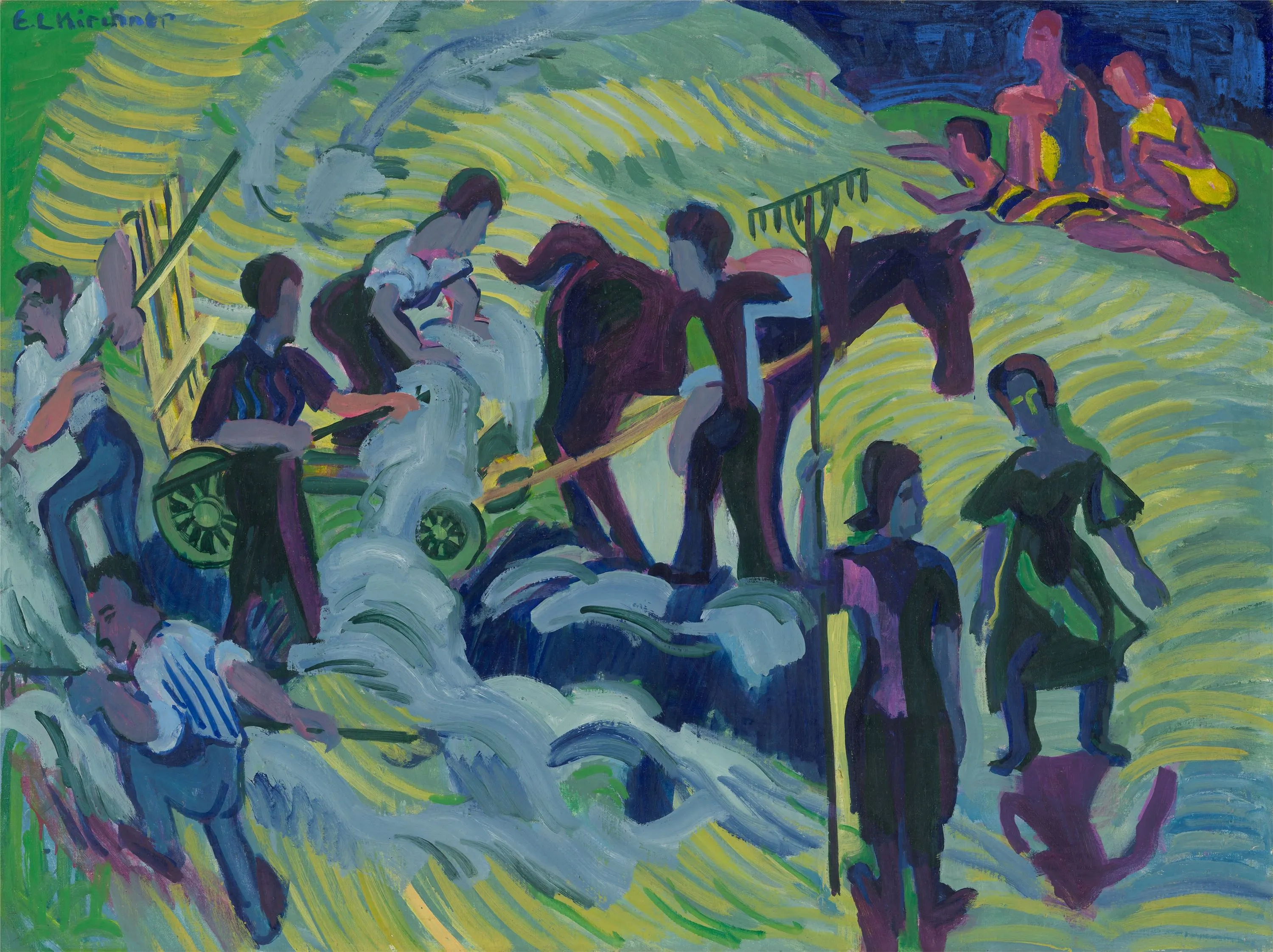
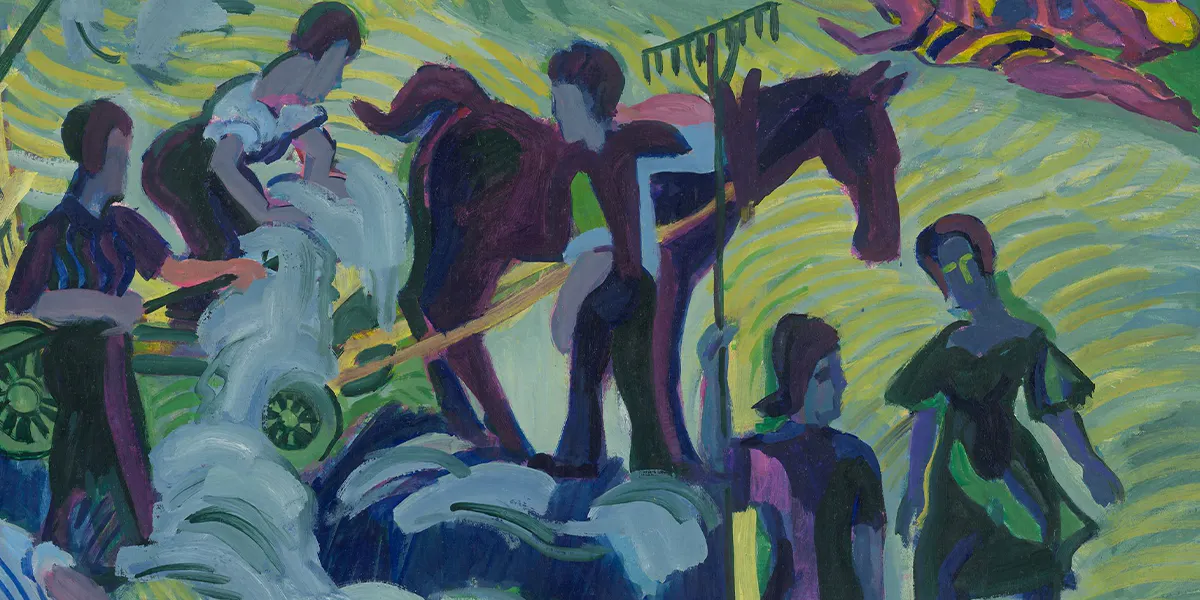
One of the top lots is Ernst Ludwig Kirchner's Hay Harvest from 1924-26, which depicts the everyday life of farmers on the mountain pastures near Davos, Switzerland. Kirchner, deeply affected by the horrors of the war, sought solace in Switzerland in 1917, where the simple life of the people, defined by the demands of daily labor, provided him with renewed inspiration. This is evident in Hay Harvest, where he prominently features the toiling farmers in the foreground, juxtaposing them with the summer vacationers relegated to the upper right corner, who appear as outsiders. Also featured is a rare flower painting by Kirchner, Bluebells, created in 1919.
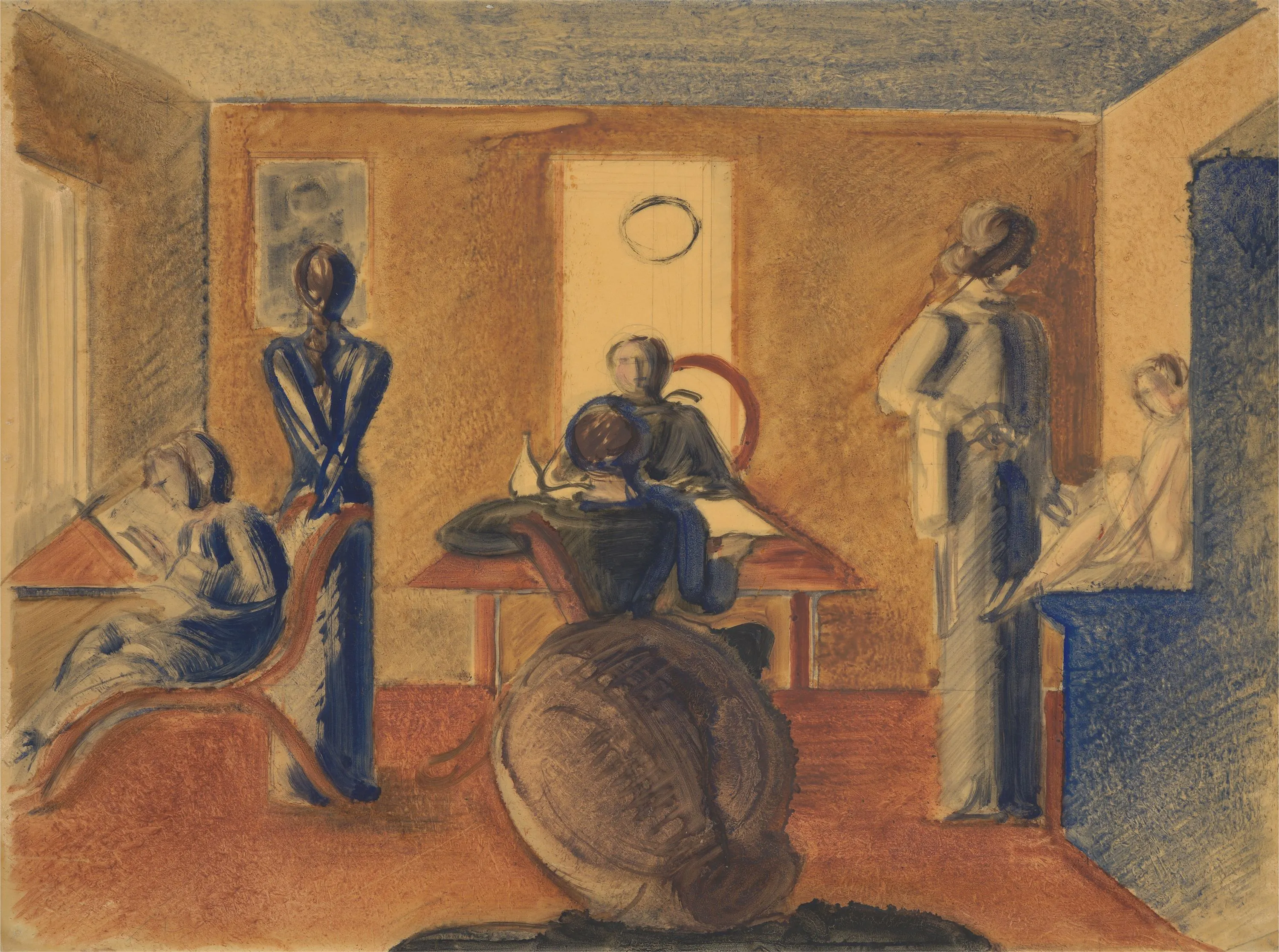
Life is a stage and people act on it – both in tangible reality and on a metaphysical plane. Oskar Schlemmer's present work strikingly resembles a theatrical setting, with a figure observed from behind in the foreground — an typical motif of the artist. Despite the intimacy conveyed by the scene, Schlemmer maintains an analytical distance from the carefully arranged spectacle. Room with Seven Figures from 1937 depicts Schlemmer's family life, reflecting the limitations he faced after the Nazis labeled his art as 'degenerate.'
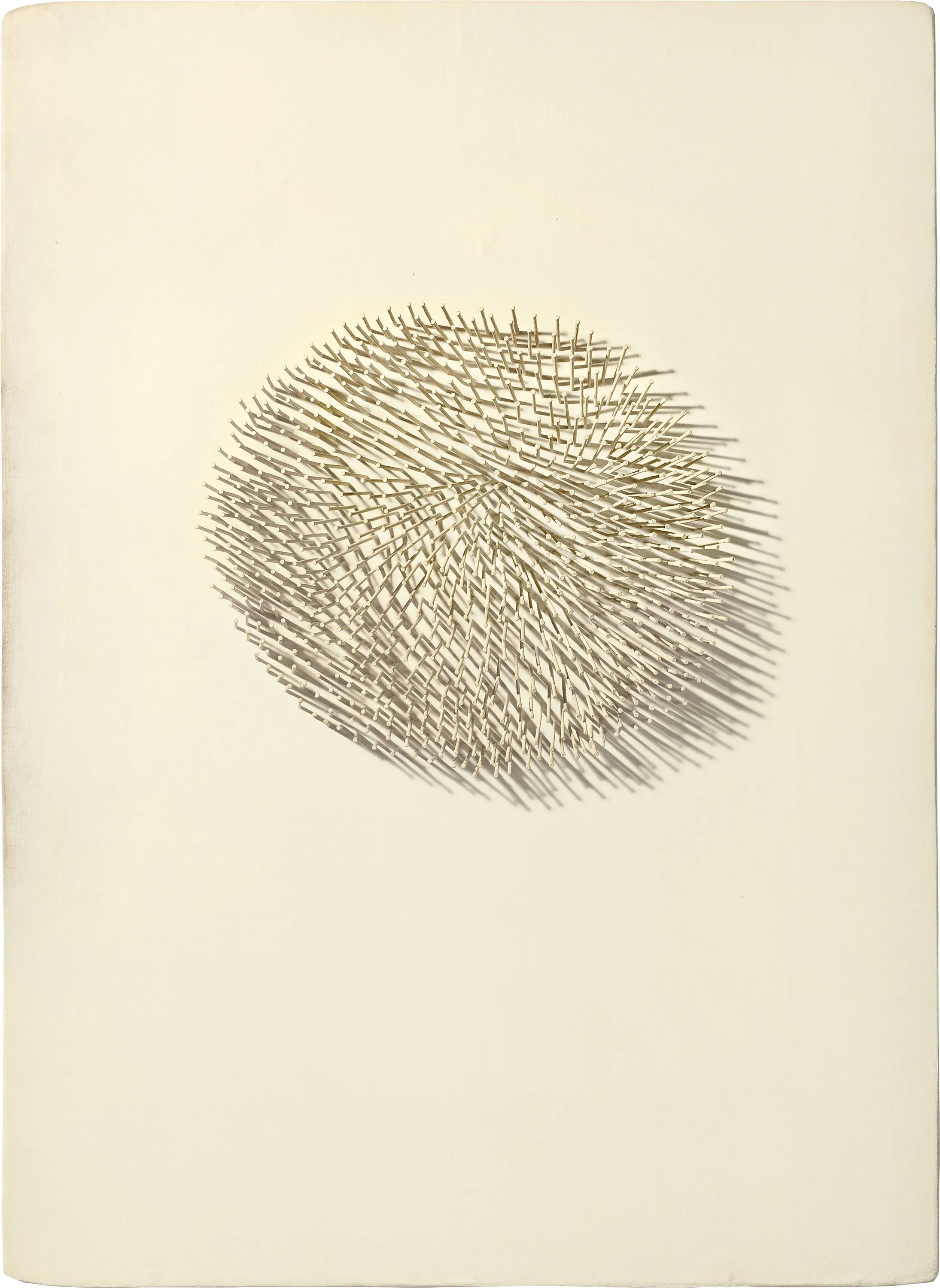
Established in Düsseldorf in 1958 by Heinz Mack and Otto Piene, the ZERO group sought to revolutionize art with light as its focal point. In 1961, Günther Uecker joined the group and rose to the challenge by using an unassuming everyday object: the nail. Resilient in its form, the nail reveals remarkable versatility when combined with others. When positioned thoughtfully, they evoke a sense of motion through the interplay of light and shadow. This principle is evident in Uecker's current work, crafted in 1962 during his prime creative phase as part of ZERO.
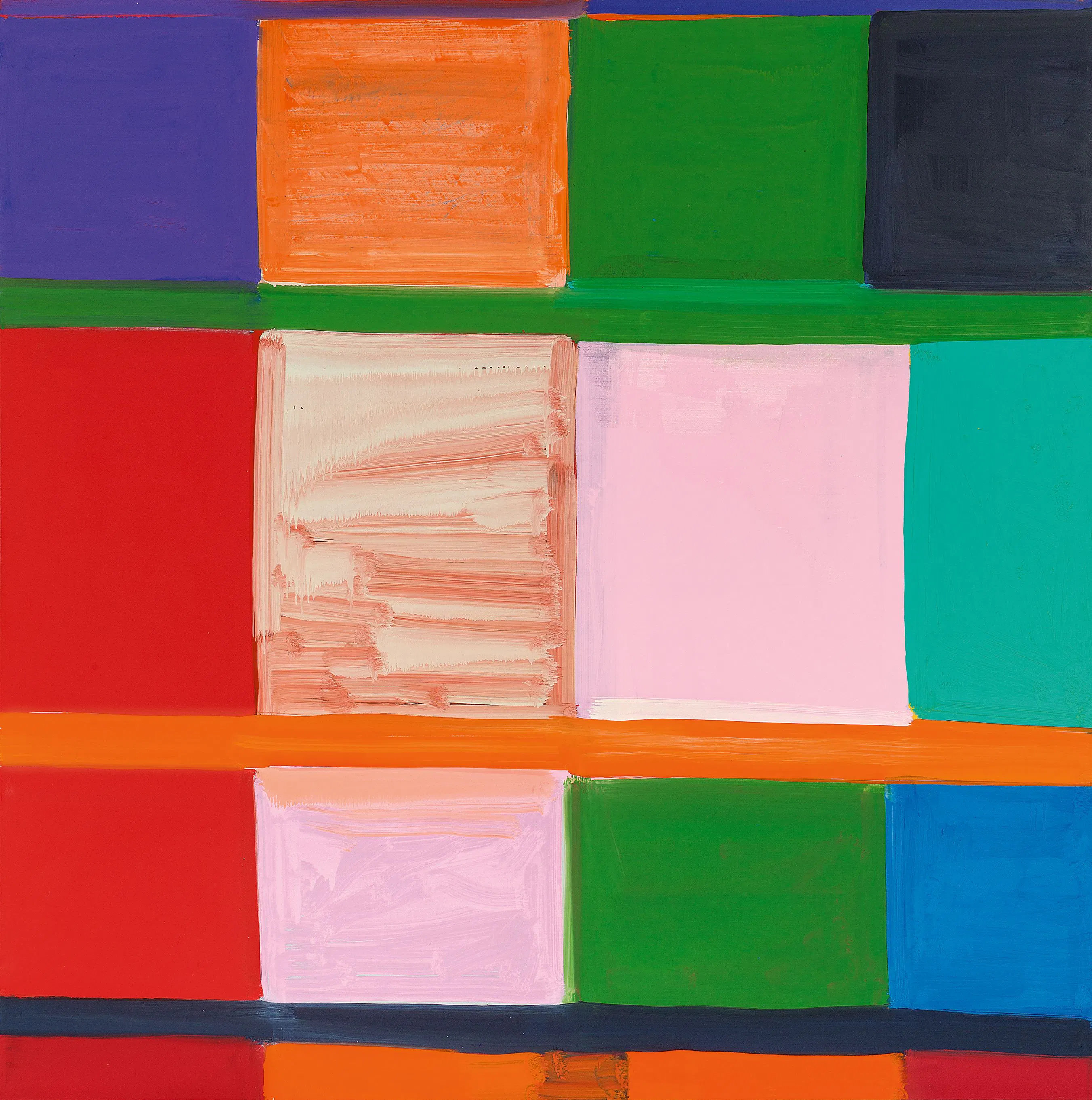
Similarly dynamic are the works of Stanley Whitney, though he eschews nails in favour of vibrant colours, which he disperses in individual compartments across his square canvases. His approach is intuitive; beyond the initial colour choice, there is no predetermined plan, allowing viewers to continually explore new pathways through the composition, experiencing it anew each time.
Also noteworthy among the selected pieces are Wassily Kandinsky's notable oil study Rapallo - Castello and Church from 1906, Ernst Wilhelm Nay's Pillar of Fire from 1965, and CLOUSE!, a work executed by Neo Rauch in 2000.
On 31 May, two additional auctions will take place: Modern Art at 11 a.m. and Contemporary Art at 6 p.m., completing the exceptional lineup.
Grisebach's summer auctions will take place on 30 and 31 May at Fasanenstrasse 27 in Berlin. All works will be exhibited there from 23-29 May.