
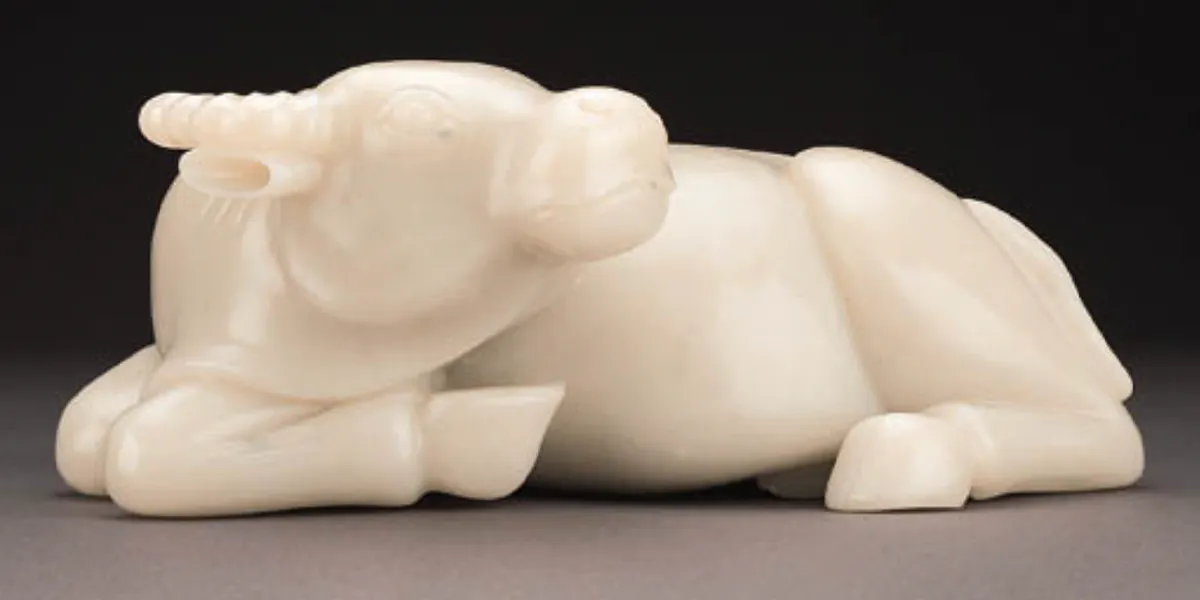
Animals in Chinese art can be divided into three main categories: domestic animals, wild animals, and mystical animals. From the mighty water buffalo to snakes and birds to the legendary dragons, which also played an important role as imperial symbols, and enigmatic phoenixes, each animal has its own symbolism.
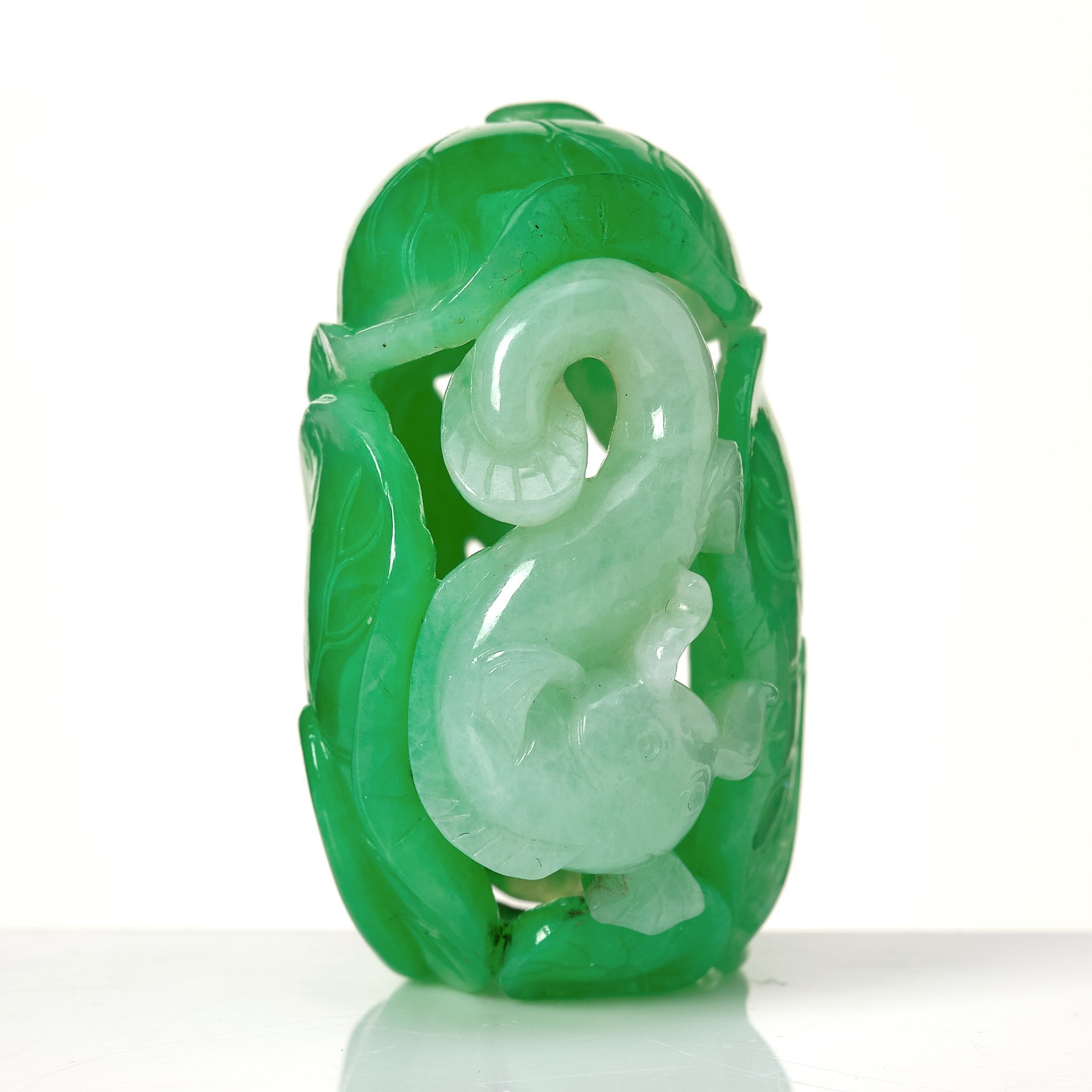
Whether fantastic or real, animals are a recurring decorative and symbolic element in ancient Chinese art. They are given far greater importance than merely being part of the natural world: for example, it is thought that the animals of the zodiac have personalities and determine destiny. The predominantly real animals (only the dragon stands out as a mystical being) stand for strength, love, wisdom, and benevolence, among other things. Yet animals can also symbolise abstract things, such as colours, seasons, or even the cardinal points. The latter are associated with the Blue Dragon (East), Red Bird (South), White Tiger (West), and Black Turtle (North).
See also: Snuff Bottles: Still up to Snuff
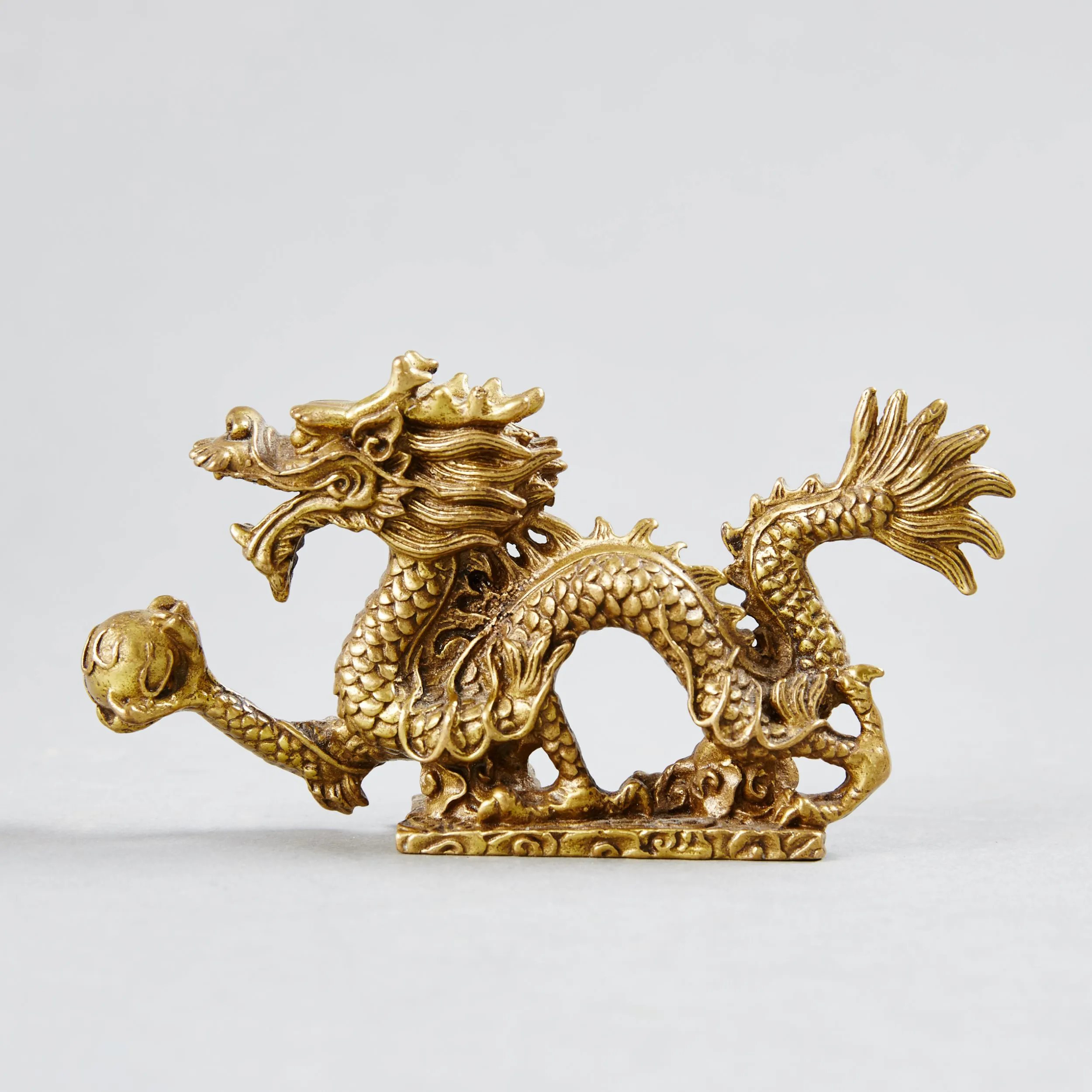
In general, lucky symbols are particularly popular. The four central mythical creatures of Chinese iconography are the unicorn, the dragon, the turtle, and the phoenix, also called the 'four auspicious animals'.
The bat is also a classic among the lucky symbols. If they appear in a group of five (Wu Fu), you are dealing with the five lucky bats, which stand for the five blessings: long life, wealth, health, love and a natural death.
See also: Cheap Chinese Vase Turns Out to be a Valuable Imperial Piece
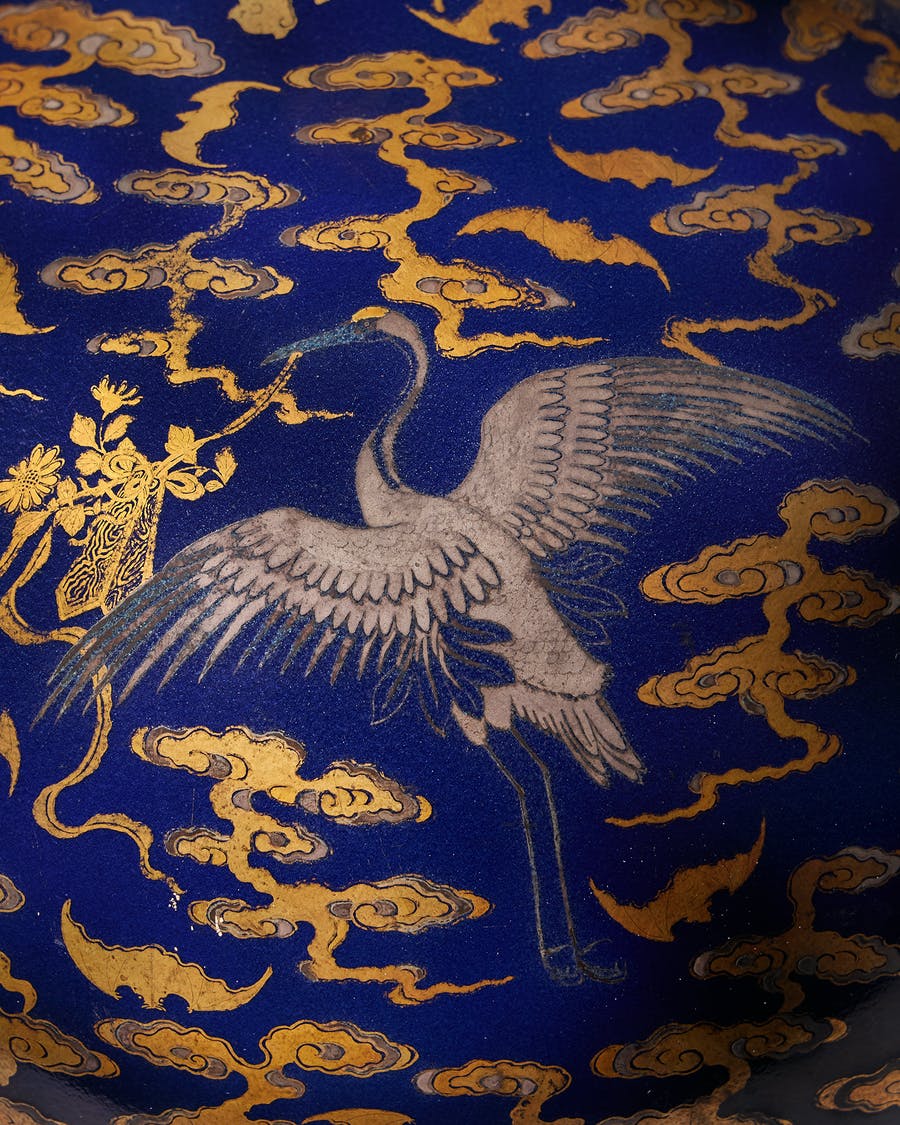
Other symbols of longevity and even immortality are the deer, the crane, the cicada and the dove. The latter also represents fidelity, and more specifically the duck is associated with conjugal fidelity.
In order to drive away the evil spirits that are up to mischief in the dark, it is best to rely on a cat's good eyesight. At dawn the rooster jumps to your side, driving away the spirits with its crows. The cunning monkey confronts those who are still left.
See also: Jade: A Coveted Asian Talisman
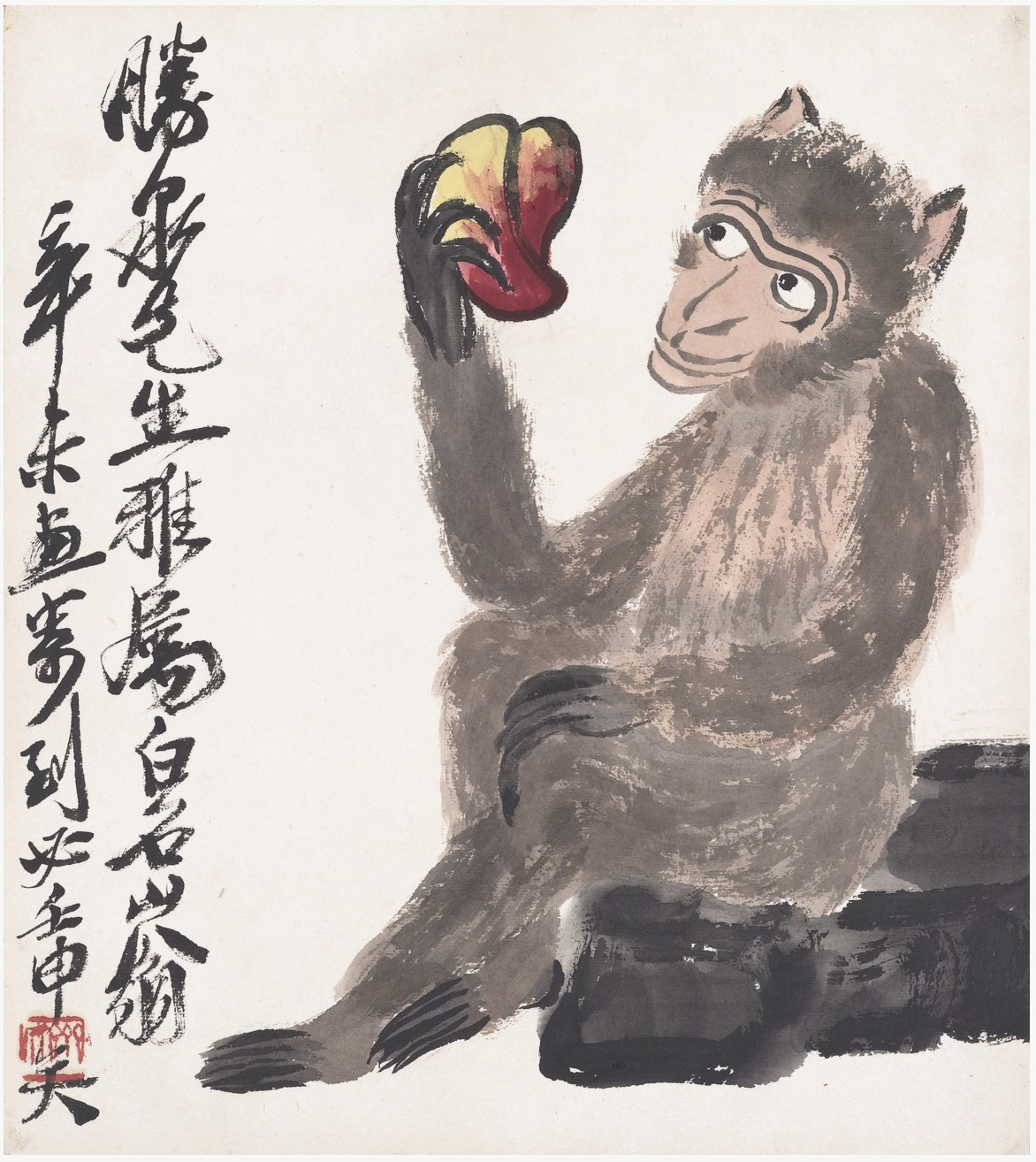
Speaking of cunning, we have the snake, which also symbolises malice and supernatural powers, and can sometimes also symbolise women. Men, on the other hand, are represented by the bear.
There are some examples where Chinese symbolism is not dissimilar to Western ones. For example, the horse stands for endurance and speed and the tiger for strength and military superiority. The quail, on the other hand, is used as a symbol of courage due to its combative nature.
Want more articles like this delivered straight to your inbox? Subscribe to our free newsletter!
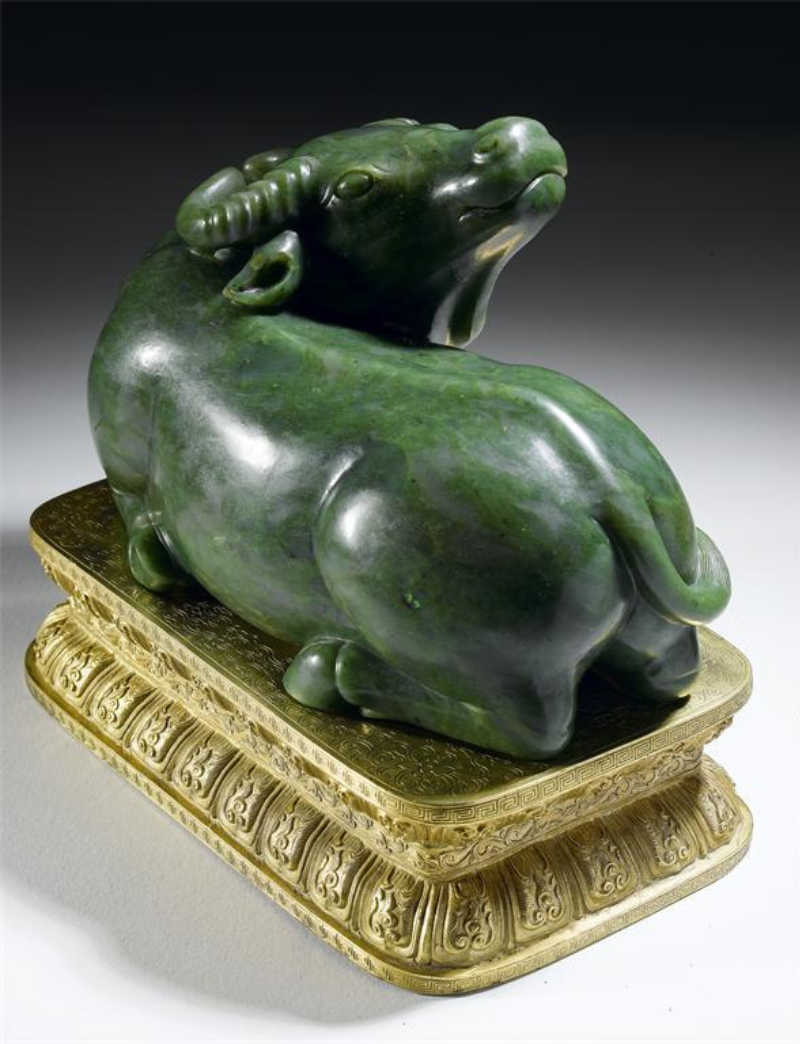
The list of Chinese animal symbolism could obviously go on forever, but in any case, animals make for an interesting and beautiful tradition that make interpreting a Chinese work of art even more exciting – be it a porcelain vase, an ink drawing, or a jade carving.
Find more articles in Barnebys Magazine
This is an updated version of an article originally published on 4 November 2016



