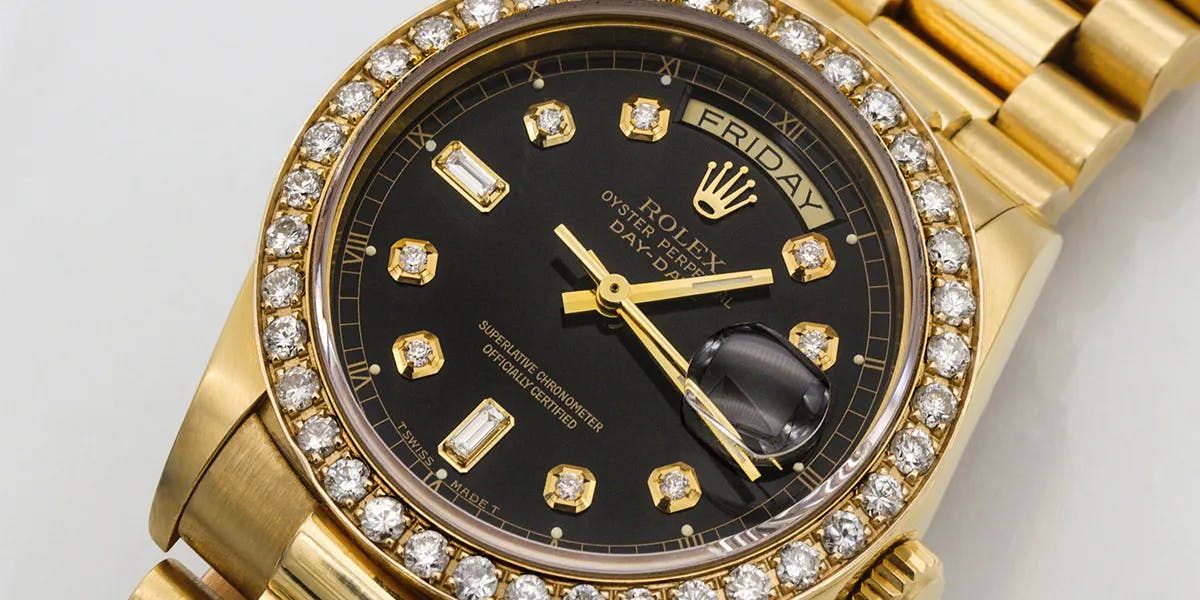
In order to adorn its watches with the most special gemstones, Rolex has a dedicated team of gemologists and setters that examine and select the gems, keeping only those that meet extremely stringent quality criteria. Only diamonds with a purity equal to at least IF and only coloured diamonds between D and G are used for the watches of the prestigious brand. Each diamond is individually chosen and set for a particular watch. Gemologists and setters work in harmony with the common purpose of spotlighting the brilliance of the diamond. While someone selects the stones, someone else inserts them one by one into the dial, bezel, case or bracelet, with movements handed down from generation to generation and perfected over the years.
See also: The World of Watch Complications
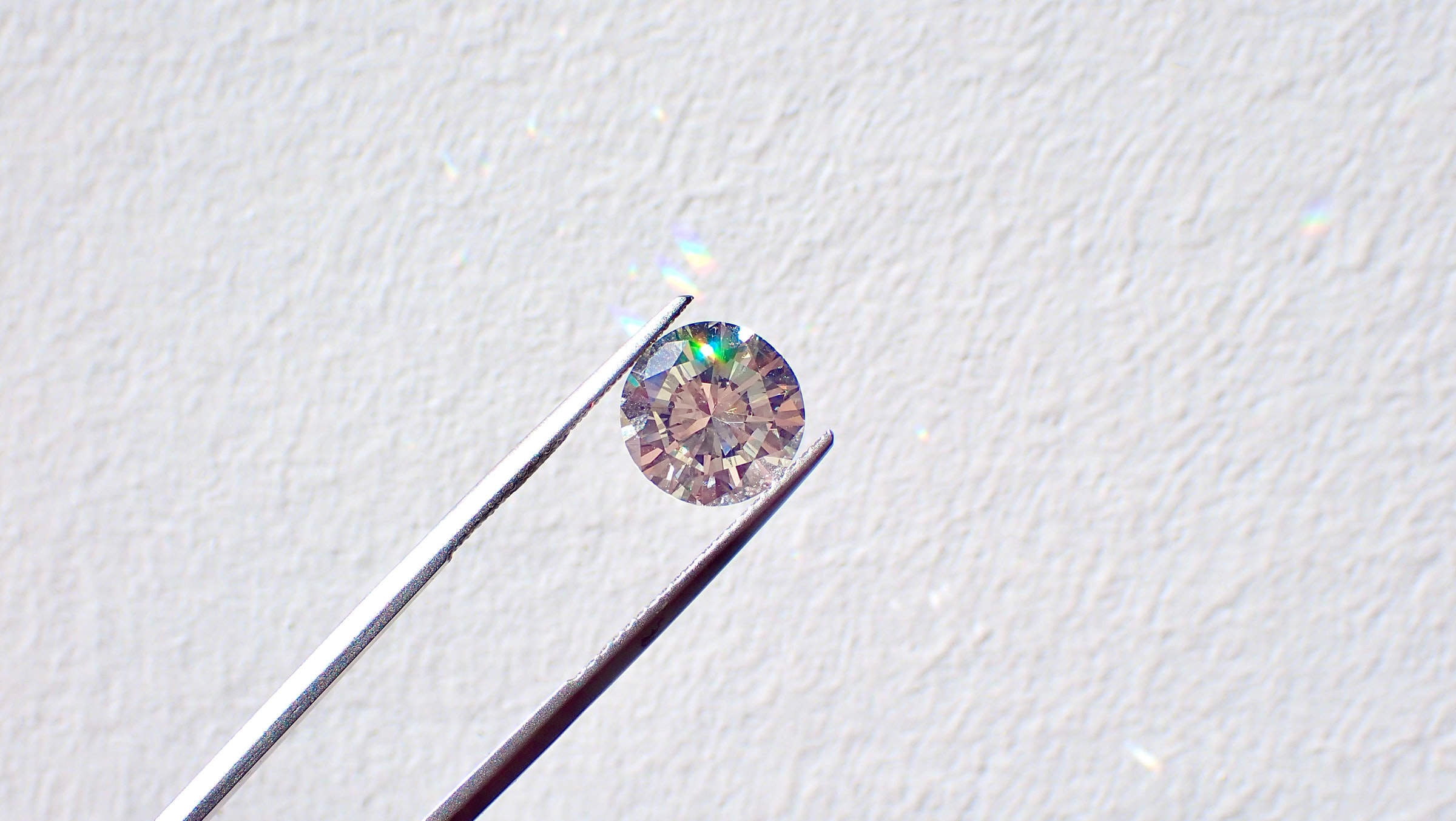
Many of Rolex's most exclusive watches have their own custom settings, which means that no two exclusive watches are identical. Rolex's in-house team of jewellers and gemologists select, purchase, test, organise and then set each diamond in each model. Every single rock used in a Rolex has been cut by hand.
See also: What Inspired the Rolex Submariner Watch?
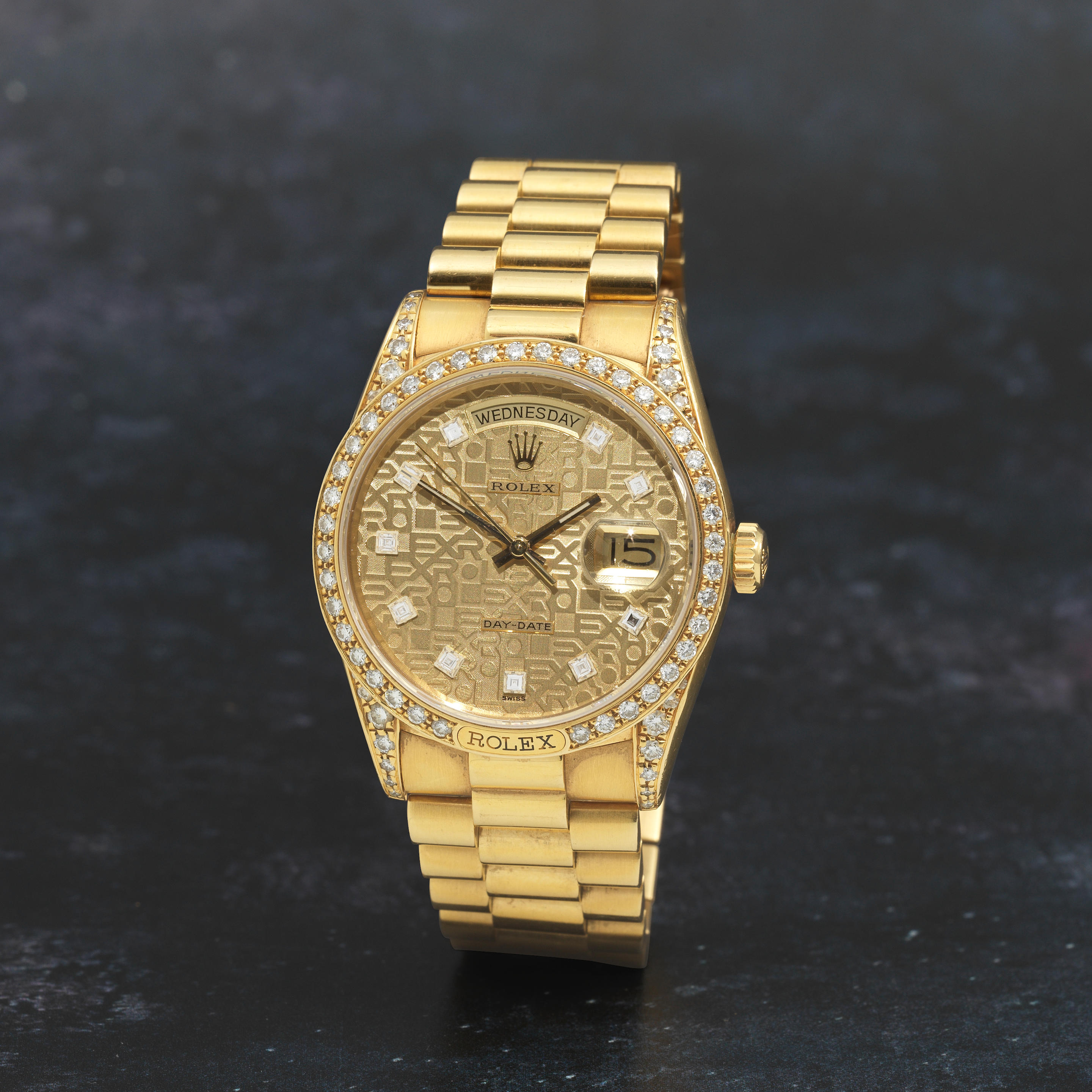
The first diamond bezels were made of white gold, paired with a yellow gold case. The 1804 model of the 1800 series is the only model in this prestigious series to be fitted with a diamond bezel from the Rolex factory, making it the most coveted piece of the 1800 series, picked by countless heads of state, presidents, kings (such as Hassan II of Morocco) and businessmen of sublime taste. Each diamond Rolex watch typically has 44 to 50 stones set. The Rolex GMT Master II ice is the most expensive model in the current collection. The selling price is $485,350, approximately £397,790, but it can vary depending on the market price of the diamonds at the time of purchase.
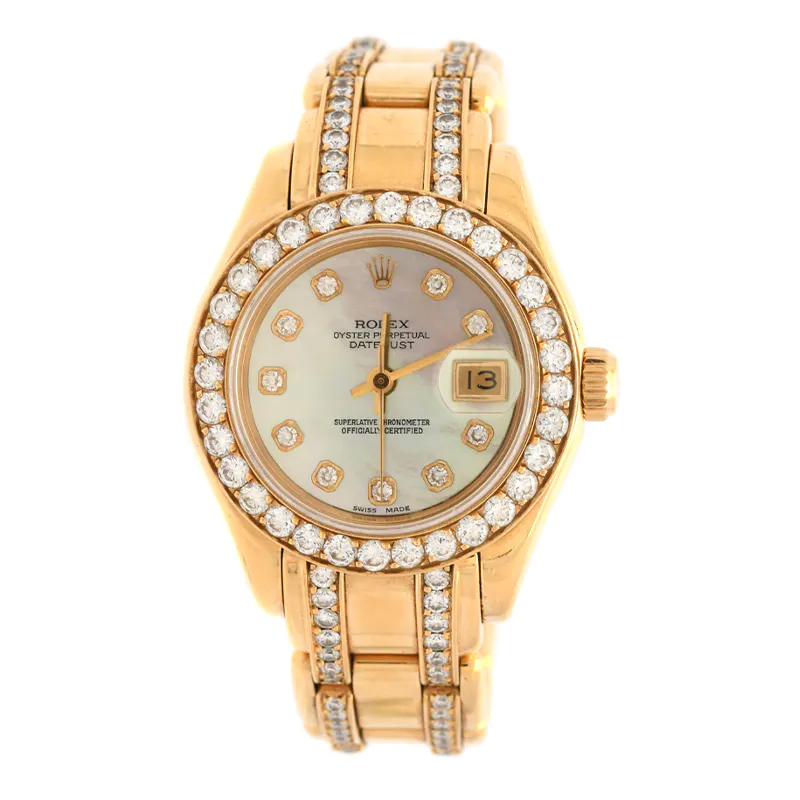
In 1992, the launch of the Pearlmaster, a new version of the Rolex Lady-Datejust, set the world of watchmaking on fire. This model is often described as 'Rolex's most important jewel watch'. Available in 18k yellow, white or everose gold and finished with a circle of precious gems such as diamonds, sapphires or rubies, the Pearlmaster embodies the jewel watch and symbolises the quality of the design, the rarity of the materials and the flawless manufacturing process of Rolex.
![Cartier, Paris, 1930s, exceptional Pendule Mystérieuse, probably a special order, silver, marble, marquetry of rhodonite, onyx and rock crystal [detail]. Photo © Studio Sebert / PIASA](https://images.prismic.io/barnebys/25ad055c-cc73-4277-b708-ed258776958d_61269c23-c5cb-4f7b-8918-5c7b5238d0bd_hero.jpg?auto=format,compress)