
High quality furniture made at affordable prices was at the heart of Danish designer, Børge Mogensen’s practice. Not to mention he created some of the most renowned pieces of furniture of the 1950s and ‘60s.
A selection of Mogensen’s exquisitely-crafted, wooden pieces are up for sale in Agutte’s Parisian sale of Design, which is taking place on 12 February.

Alongside figures such as Arne Jacobsen and Hans Wegner, Børge Mogensen (1914-1972) belonged to an important generation of furniture designers who made the concept of ‘Danish Modernism’ known throughout the world.
His simple and functional designs have, for more than half a century, enjoyed worldwide demand.
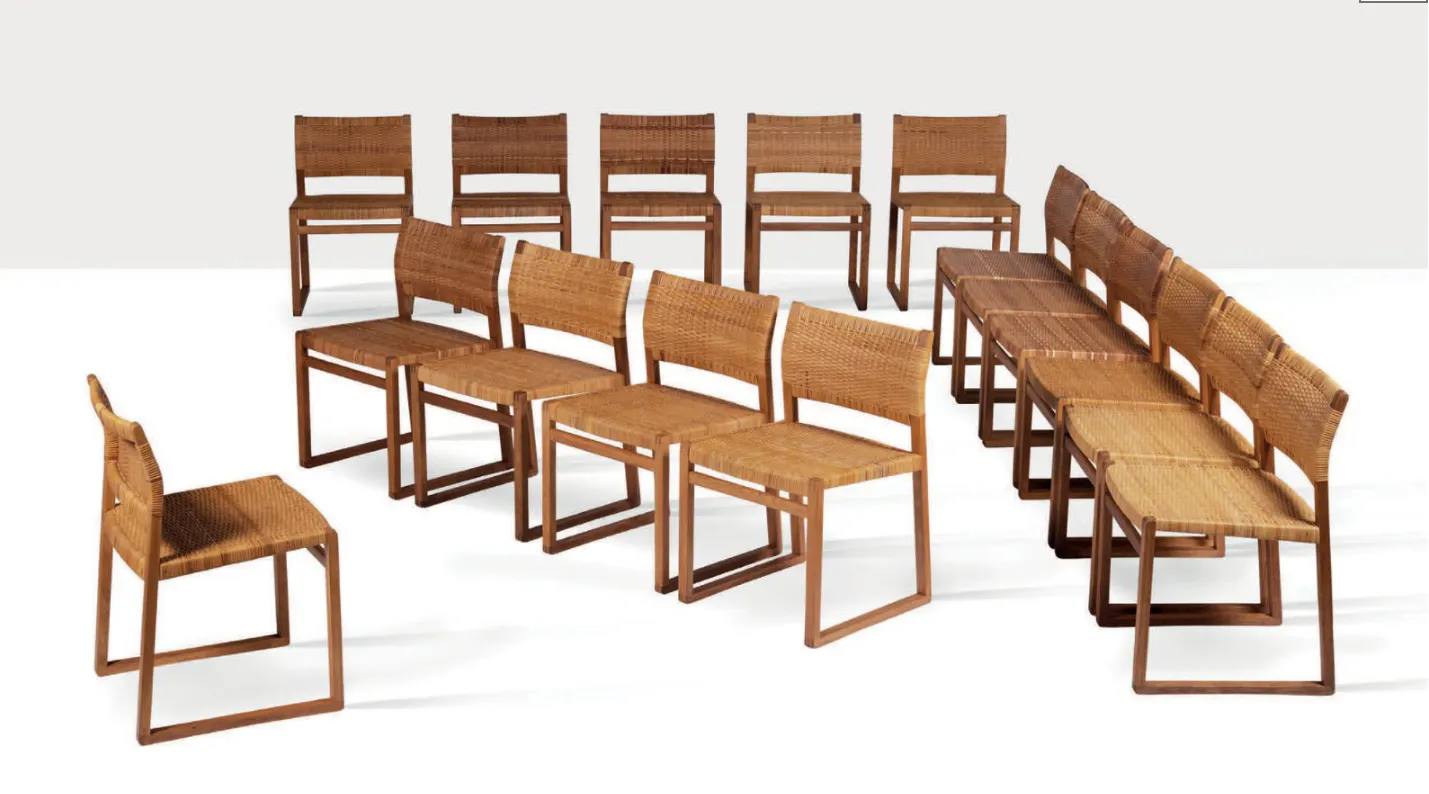
Functional is one of the words which best describes Børge Mogensen’s practice. The vast majority of his furniture was designed with industrial production in mind, and his pieces are consequently characterised by their strong and simple lines.

Mogensen was born in Aalborg, Denmark. In 1934 he started as a cabinet maker, and then from 1936-38 he studied furniture design at the Danish School of Arts and Crafts in Copenhagen. He trained as an architect from 1938-1942, graduating in 1942 from the Royal Danish Academy of Fine Arts’ School.
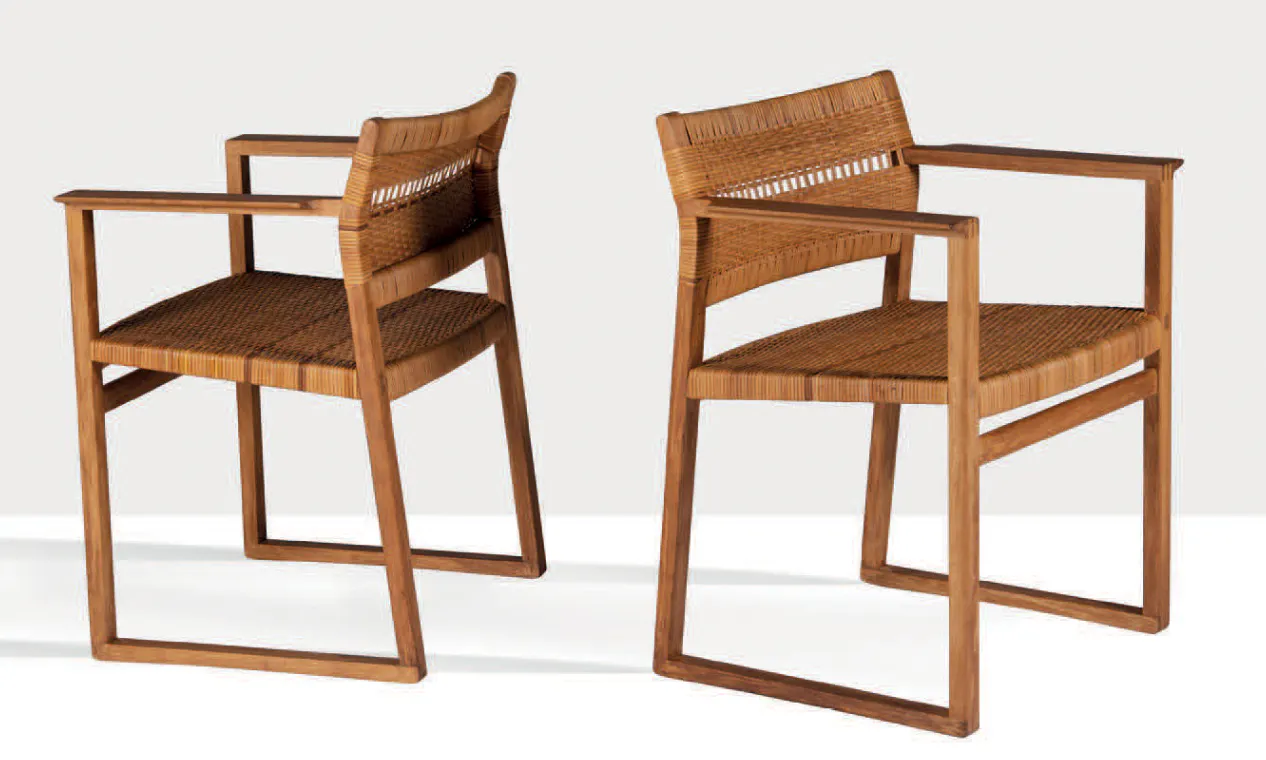
Following his studies, Mogensen worked at various design studios in Copenhagen, including with Kaare Klint. He also received numerous awards and became a Teaching Assistant at the Royal Danish Academy.
In 1959, he found his own design studio.
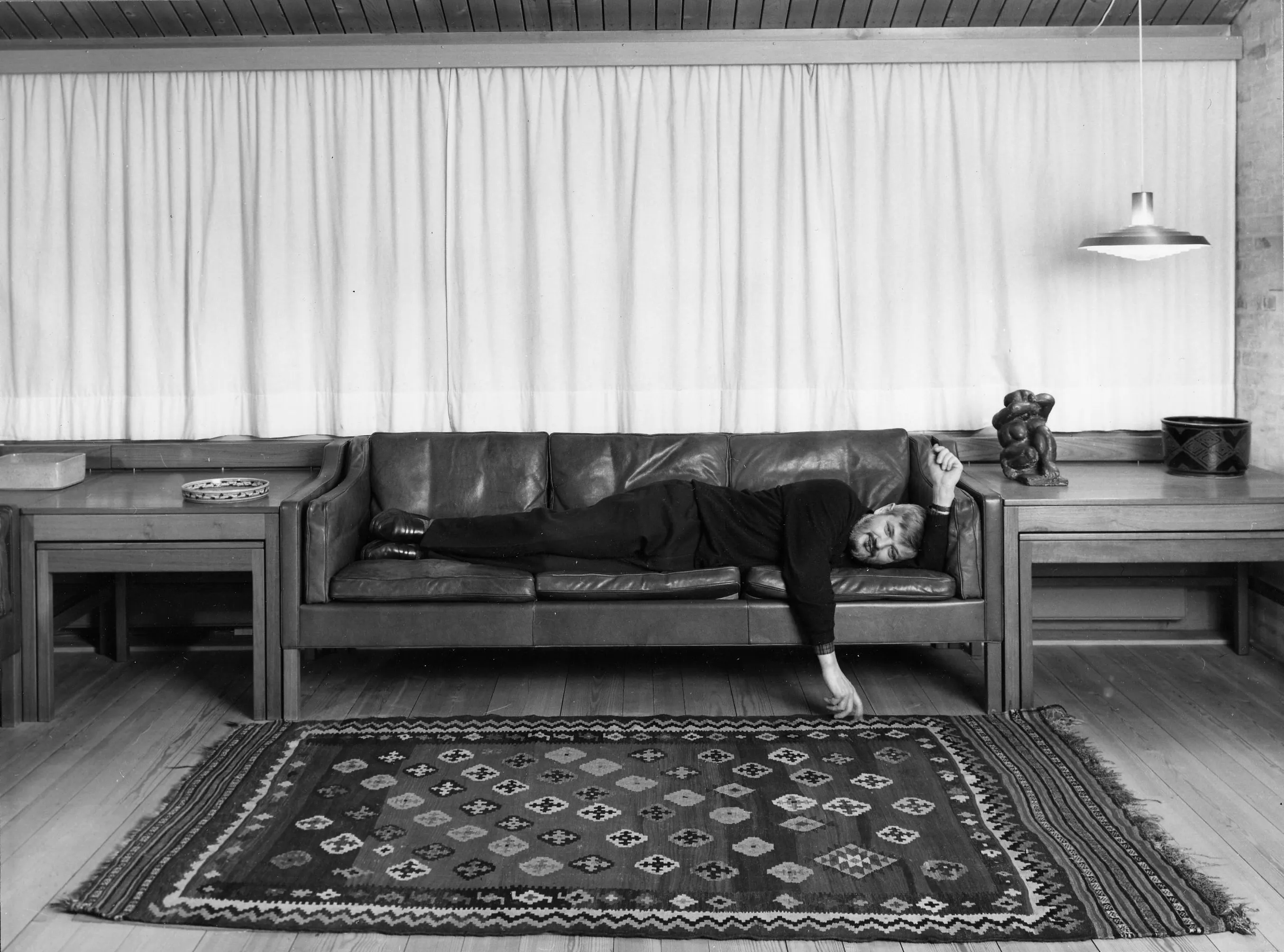
During his time with Kaare Klint, Mogensen developed a commitment to producing classical, simple and highly functional furniture. He also fostered an interest in researching contemporary lifestyles, so that he could develop domestic objects which are customised for specific uses.
He took out research to determine the standard measures for common, everyday objects, such as cutlery and shirts, and to determine how many of each item the average person owned. Using this information, he developed a set of figures for the base width and depth of drawers and shelves. His information tables were also published as a manual on building storage systems.

By the end of the 1950s, Mogensen had re-embraced a more straightforward functionalism – a functionalism that Klaus Meedom wrote about the cabinetmaker’s exhibit as, “so strict that he has to violate his own rules to be able to breathe freely”.
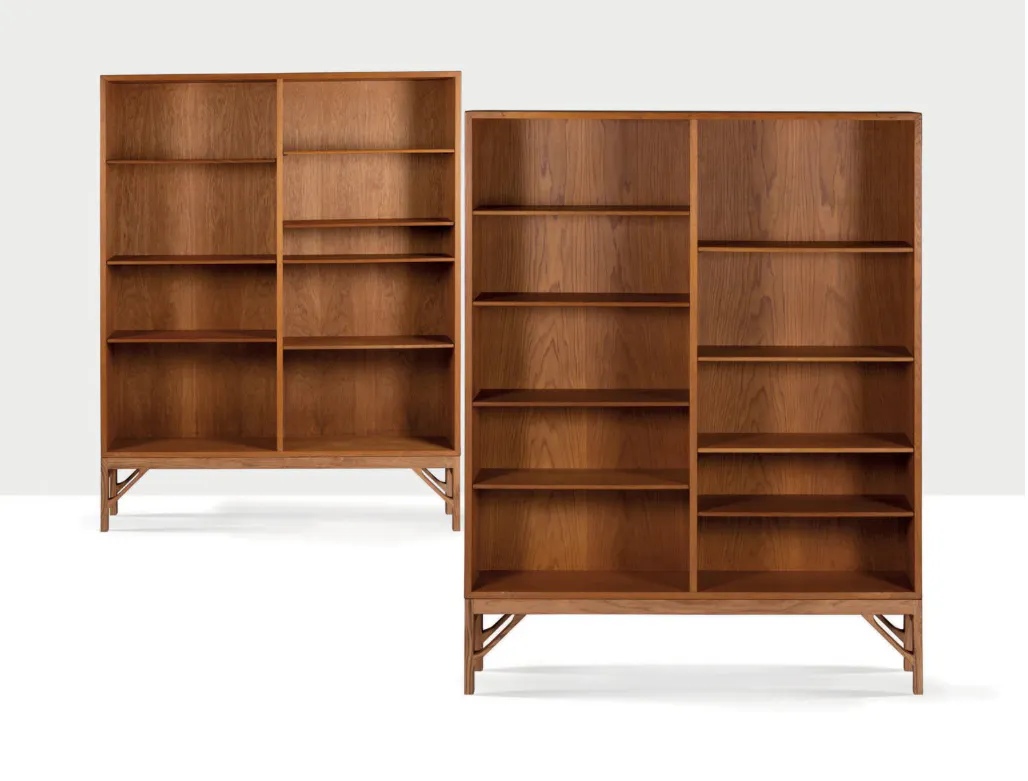
An exceptionally productive man, today Mogensen’s collection of designs numbers all the way into the thousands. It is said that new ideas came to him at any time of the day or night, and were scribbled down on matchboxes, table napkins, creased envelopes, or whatever was at hand.