
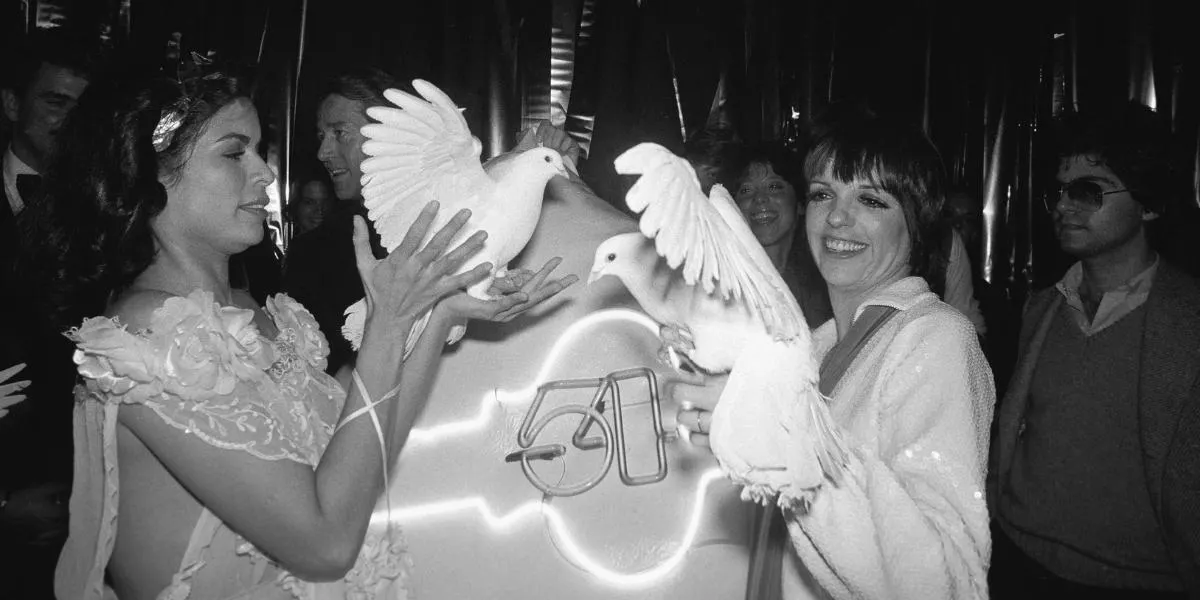
Now it doesn't matter if you came over on the Mayflower, so long as you can get into Studio 54.
The legend of Studio 54 begins back in 1927, when the doors to the newly designed Gallo Opera House on 254 West 54th Street between Eighth Avenue and Broadway in Manhattan opened. Designed by architect Eugene De Rosa, the theatre unfortunately failed. It was later purchased by CBS in 1943 and renamed Studio 52.
The stunning architecture caught the eye of many in the arts and fashion industry who envisioned the theatre being transformed into a nightclub. Gallery owner Frank Lloyd was persuaded by model Uva Harden to finance the venue. However, Lloyd had to pull out of financing the project as Marlborough Art, the gallery he founded, lost $9 million following the Rothko Case in 1975. After the death of the artist, Mark Rothko's family were told by the gallery that under an agreement with Rothko and Marlborough, first made in 1966 and later reviewed in 1969, the gallery owned the artist's estate. A legal battle they would later lose to the artist's family once it was discovered that Marlborough had been undervaluing Rothko's work on the market.
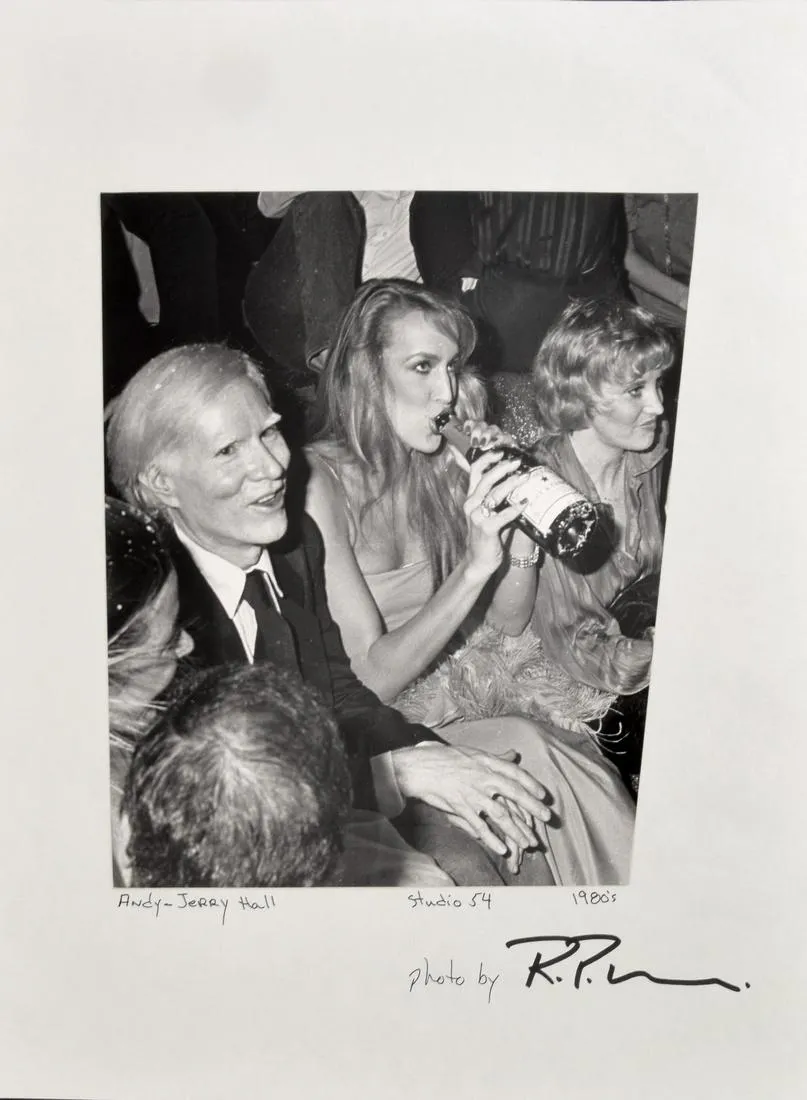
See also: Andy Warhol: The Pope of Pop
Entrepreneurs Steve Rubell and Ian Schrager snapped up the property in 1977 with financial backing from Jack Dushey. From 1977 to 1980, what was known as the first era of the nightclub, the venue was a hotbed of artists, models and the most famous faces of the decade. As Andy Warhol once remarked, "Now it doesn't matter if you came over on the Mayflower, so long as you can get into Studio 54." The nightclub was anything but low-key. One New Year's Eve party that took place there had an incredible four tons of glitter thrown onto the dance floor.
Want more articles like this straight to your inbox? Subscribe to our free newsletter
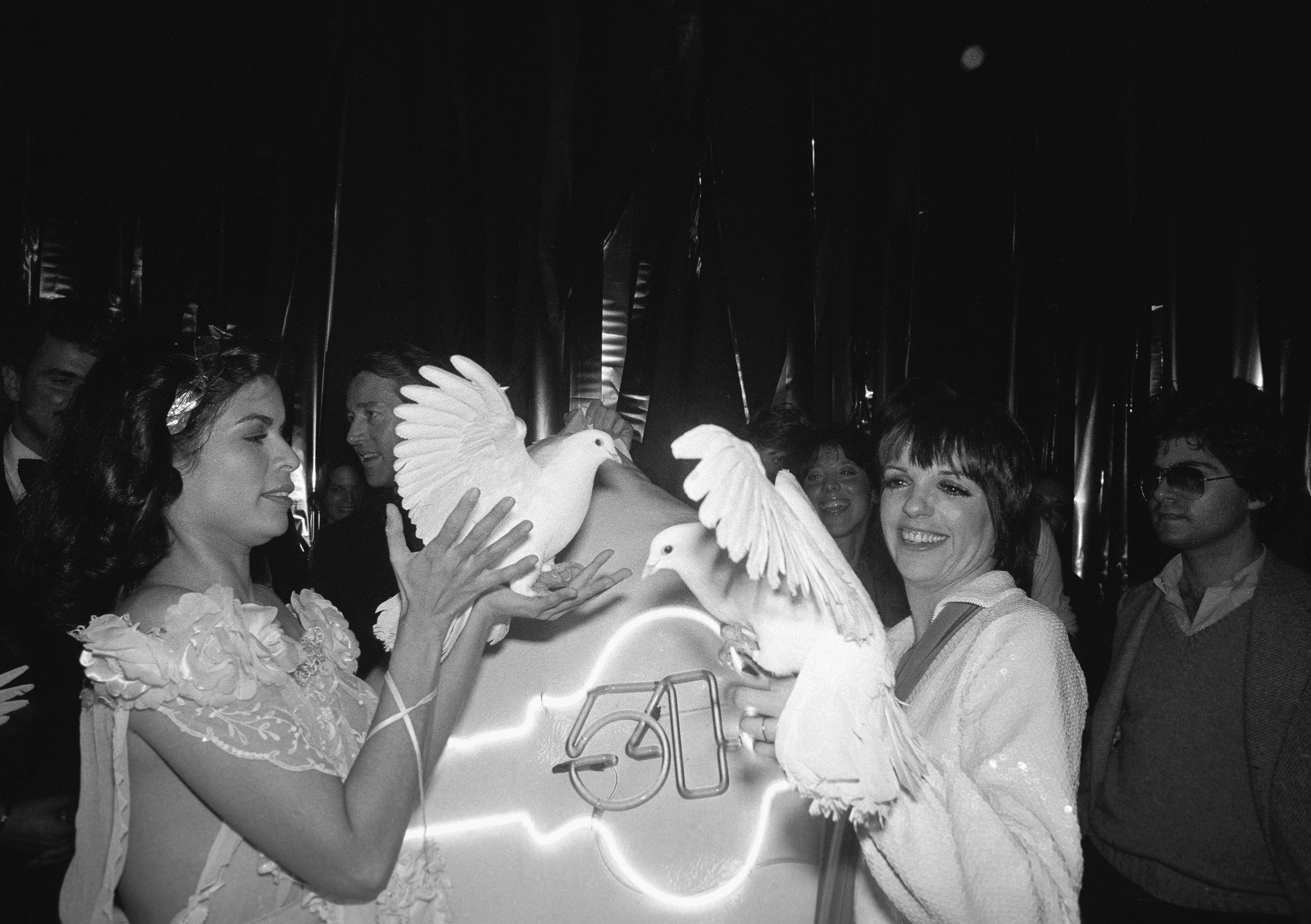
And the guests were just as spectacular: Andy Warhol, Mick Jagger, Michael Jackson, Elton John, Tina Turner, Calvin Klein, Elizabeth Taylor, Cher, David Bowie, Al Pacino, Salvador Dalí, Donald Trump and Jackie Kennedy Onassis all graced the dance floor during the late 1970s. For Bianca Jagger's birthday in May 1974, Steve Rubell brought in a gleaming white horse, which the rockstar's wife famously sat astride.
See also: Salvador Dalí: Art Crazy
The entertainment was as incredible as the guests. Donna Summer, Stevie Wonder, Grace Jones and James Brown were amongst those who took to the stage from 1977-79.
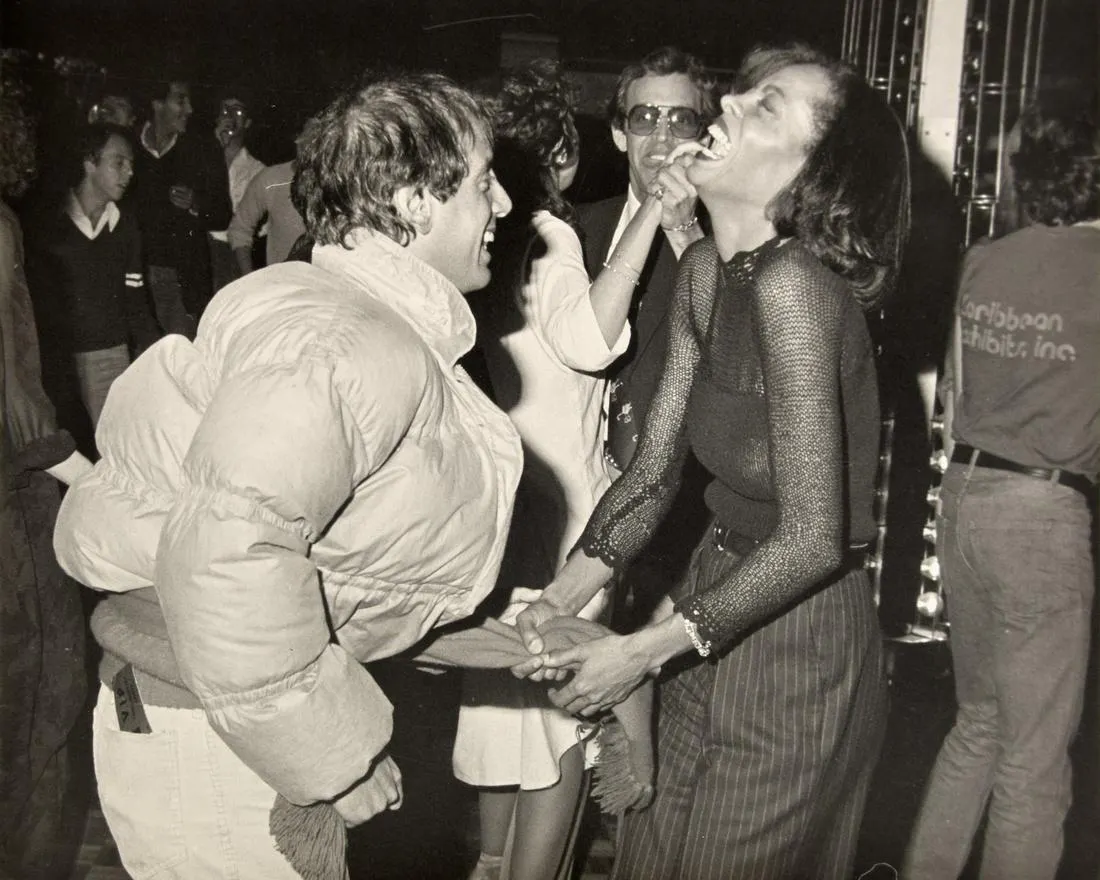
But the New York fairytale would soon turn into a nightmare, thanks to Rubell's boasting to the New York press that the club was raking in millions. Soon the IRS were paying close attention to the nightclub's finances, which led to the club being forced to close as Rubell and Schrager were found to be skimming money.
See also: Slim Aarons: Photography that Never Ceases to Fascinate
On 2 February 1980, a final farewell was bid to Studio 54, where legend has it Diana Ross serenaded Rubell and Schrager. The story of Studio 54 ended with Schrager and Rubell pleading guilty to tax evasion and serving 13 months in jail.
See also: The 11 Most Expensive Photographers
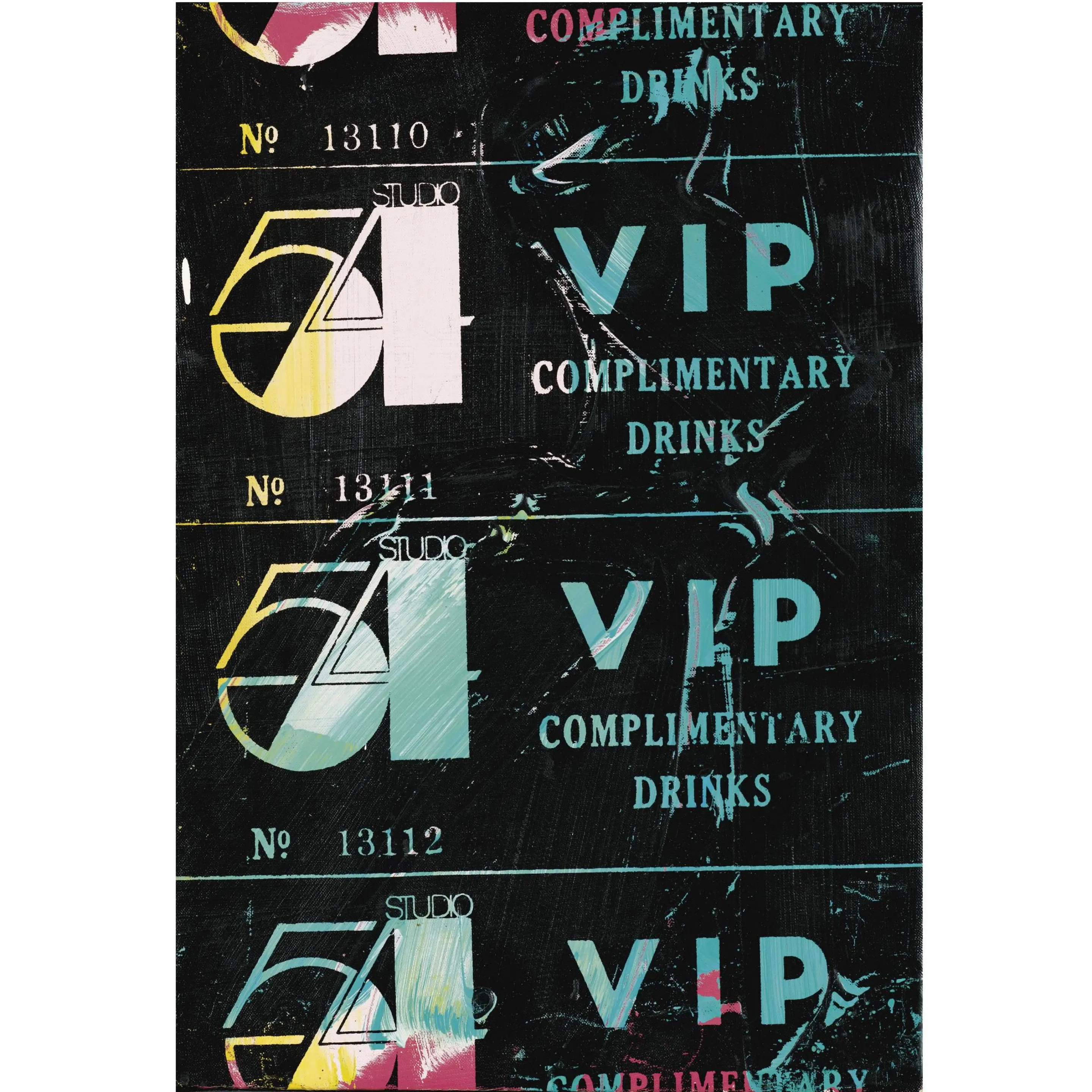
Studio 54 forever transformed nightlife and disco culture of the late '70s. Today, the legend lives on mostly in photographs of the club by celebrated photographers that now sell for thousands of dollars at auction. And of course Andy Warhol's famed screen prints of the VIP tickets have fetched hundreds of thousands as both a work of art and a memento of New York's most storied nightclub.
Find more articles on Barnebys Magazine
This is an updated version of the article originally published on 30 January 2017.