The Sympathique is a jewel of misplaced ingenuity in a forest of scientific horological endeavours and their very existence is sufficient reason for their manufacture for they never cease to amaze and mystify...
The story of the world's most expensive clock ever auctioned begins during a particularly turbulent period in French history. The July Revolution of 1830 marked the overthrow of King Charles X, who had ascended the throne six years prior during the Bourbon Restoration of the monarchy after the defeat of Napoleon in 1814. At the end of July, a growing discontent of Charles' rule had fomented into a full-blown riot in Paris, which resulted in Charles abdicating his throne and the institution of a constitutional monarchy, with Louis Philippe, the Duke of Chartres, as the new King of the French.
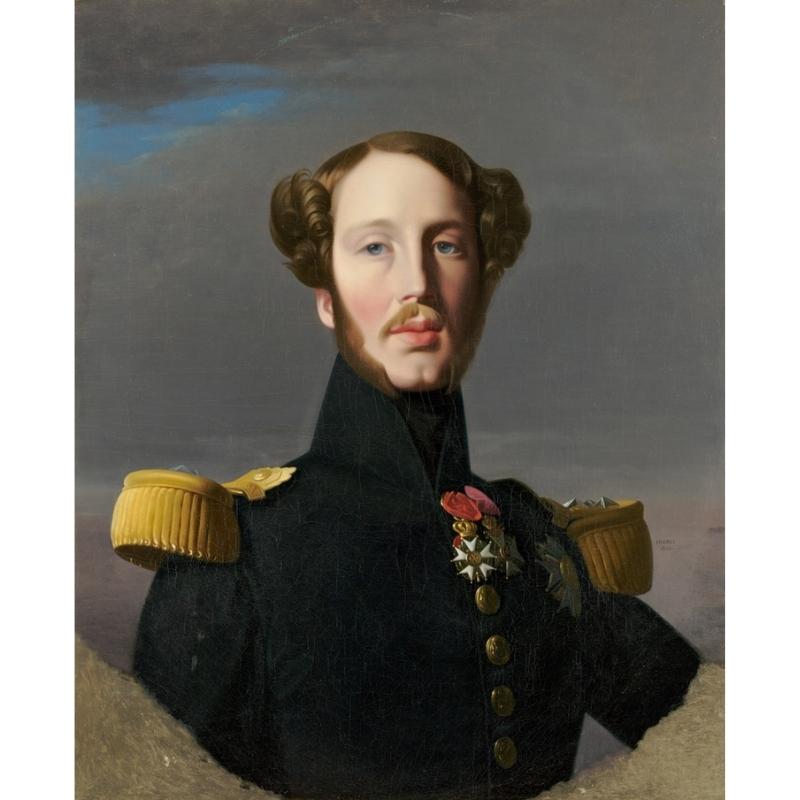
Louis Philippe's eldest son, Ferdinand Philippe, the Duke of Orleans, was twenty-years-old at the start of his father's reign. As prince royal (heir apparent to the throne), he quickly became popular among French citizens because of his revolutionary zeal, military leadership in France's campaigns in Algeria and care for the poor and sick. For many, he represented the ideal French heir to the throne, one who had a noble lineage as well as sympathy for the common man.
See also: Who Wore the First Wristwatch?
See also: Pocket Watches: History, Revival, Trends & Tips
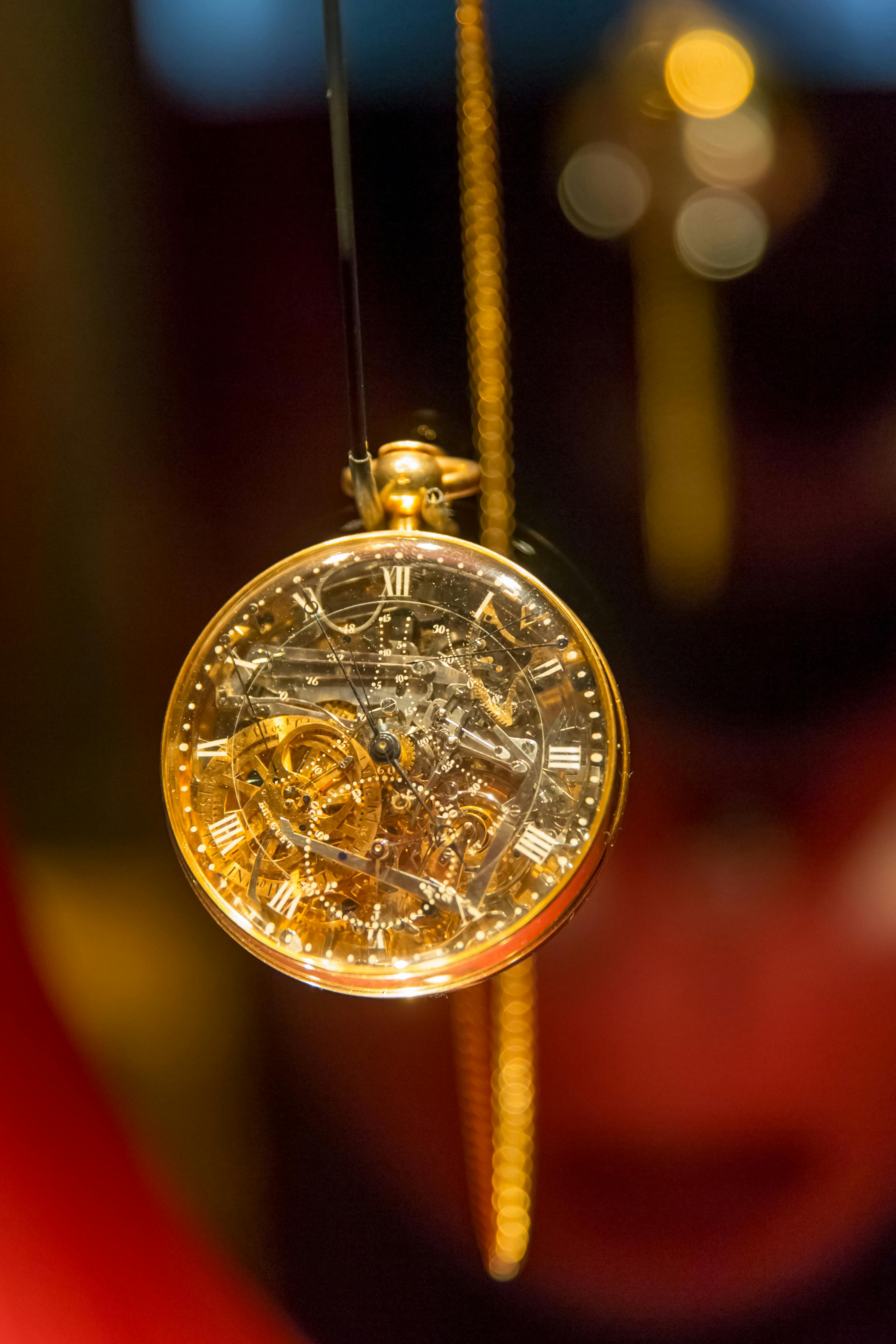
Ferdinand Philippe's passions lay in art, literature and music, and he was a prolific collector and commissioner of art. He owned paintings by Eugène Delacroix, Jean-Baptiste-Camille Corot and Ingres, as well as Bernard Palissy ceramics, Asian porcelain, and Louis XVI furniture. Funded by an annual income of one million francs, he commissioned Charles-Auguste Questel to redecorate his personal apartments in Paris in 1832. For a clock for his apartment, the Duke called upon Breguet, the famous timekeeping company that had been a favourite of the French royal family since 1775, counting Marie Antoinette and Louis XVI as major patrons. Marie Antoinette's watch, commissioned for her by an admirer from Abraham-Louis Breguet, the brand's founder, took nineteen years to complete (she did not live to see the watch) and contained every watch feature of the time. By 1832, the innovative company boasted many horological accomplishments, from the invention of the world's first self-winding watch in 1780 to the production of the first wristwatch in 1810.
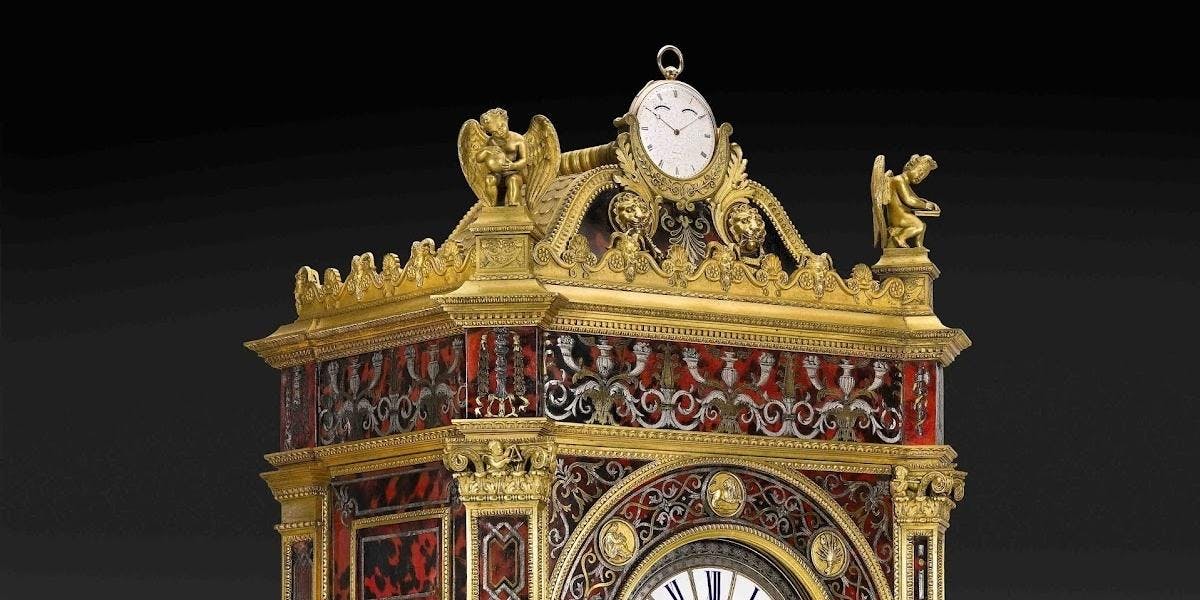
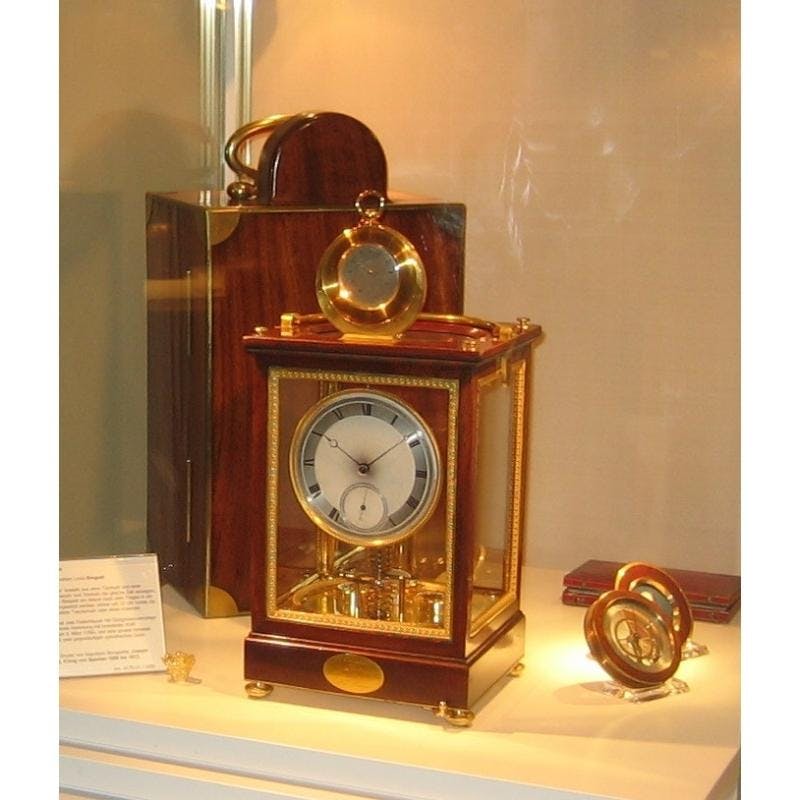
For the Duke of Orleans, one of the most advanced timekeeping methods was used in his clock, known as the Sympathique mechanism. It was first conceived by Abraham-Louis Breguet in 1795 and actually built in 1812. The concept was a main clock and a detachable pocket watch that could be inserted atop the clock and sync with its time.
See also: The 10 Most Expensive Watches Ever Auctioned
“The Sympathique is an ingenious and amusing toy such as only Breguet could conceive," said George Daniels, a watchmaker and the author of The Art of Breguet. "Certainly no one but Breguet could have produced them, for they need the most skillful workmen to make them and the financial burden would have been considerable... The Sympathique is a jewel of misplaced ingenuity in a forest of scientific horological endeavors and their very existence is sufficient reason for their manufacture for they never cease to amaze and mystify."
Want articles about clocks and history straight to your inbox? Subscribe to our newsletter
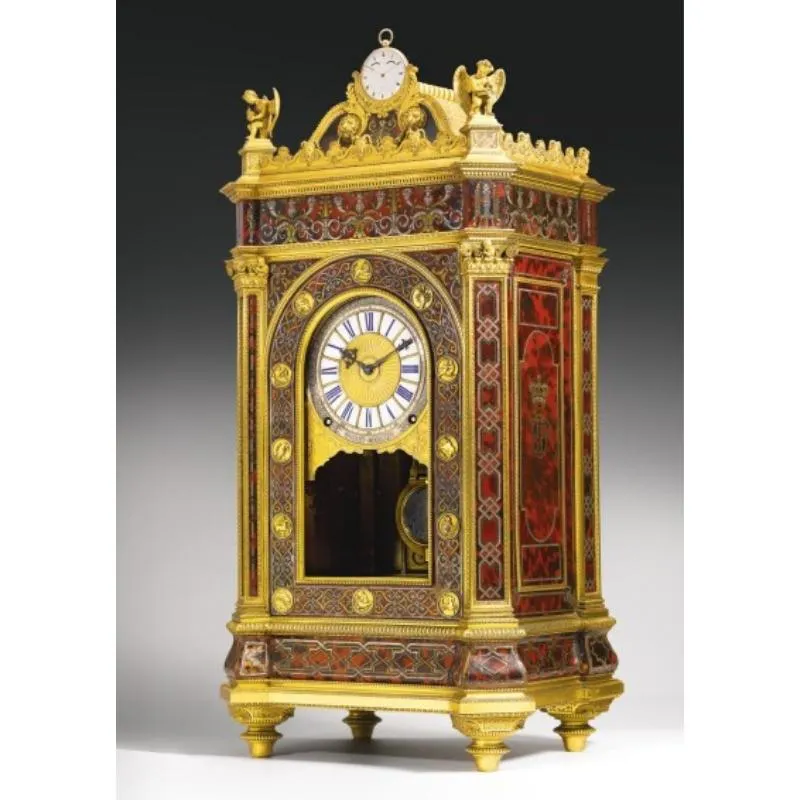
While Breguet was responsible for the complications of the clock itself, the Duke's designer Questel designed the lavish case that would hold the Sympathique, made of gilded red tortoiseshell, a true show of craftsmanship and opulent materials. The pocket watch crowns the main clock's case, framed by two gold cupids. The clock was completed in 1835 and was exhibited at the Exposition des Produits de l’Industrie in Paris in 1839.
The complication of creating such a clock, and the exorbitant cost, resulted in there only being about a dozen or so Sympathiques produced, according to Daniels. Royal families were the primary buyers, with three purchased by the Spanish crown, three by the Russian crown, one by Napoleon as a gift for a Turkish Sultan and one for the British King George IV.
See also: Crown Jewels: 5 Times Royal Jewellery Made Headlines
See also: Top 10 Most Wanted Watch Brands
However, the marvellous clock would only be enjoyed by its royal buyer for a few years after its purchase. In 1842, the Duke died in a tragic carriage accident outside of Paris. His death went on to foreshadow his family's failing power in France. Just six years later, the July Monarchy, led by his father, was overthrown in the French Revolution of 1848 and Napoleon III became president of the Second Republic.
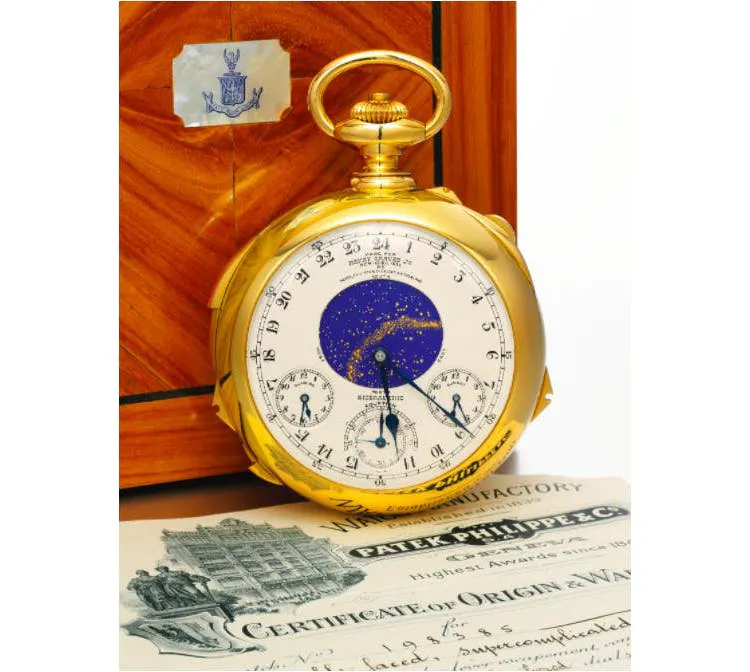
It was not until the 1970s that the rare clock reemerged in interest. American entrepreneur and timepiece collector Seth Atwood established a horological museum, The Time Museum, in 1971 in Rockford, Illinois. He called upon Daniels to assist him in making a list of the most important pieces they needed for the collection, including a Bruguet Sympathique. Daniels was able to locate the clock in Paris through an antique dealer in 1974, presumably from an heir of the Duke of Orleans' family. Atwood purchased the clock; however, it was missing its self-winding mechanism, which Atwood, a top Breguet expert, was able to restore. The Sympathique then became part of his museum's collection until it closed in 1999 and the contents auctioned at Sotheby's. The Sympathique clock at the time sold for $5.77 million, which was in illustrious company with another major work in the former Time Museum's collection. The Patek Philippe Henry Graves Supercomplication pocket watch was sold at the same auction for a record-breaking $11 million to a Qatari prince, and after his death sold for $24 million at auction again, making it the most expensive pocket watch ever sold.
Want to know what your clock is worth? Have it valued with Value My Stuff
The Breguet Sympathique clock then entered a private collection, before coming up for auction again in 2012 with "estimate upon request". This owed to its exclusivity and royal provenance: of the twelve Sympathiques known, eight are in museums and only four have gone to public auction. The final sale price of $6.8 million set a new record for the most expensive clock ever sold, which it has held for the past decade. Its impressive sale can be attributed to its horological development and sumptuous design, but also its place as a fascinating product of history, commissioned by a French prince between two major French revolutions.