
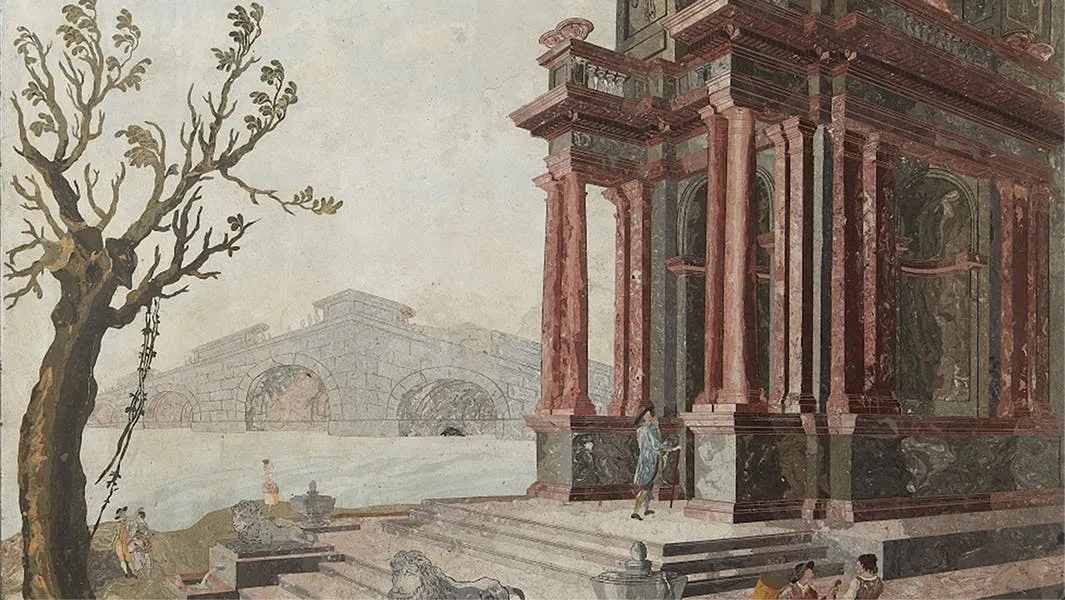
The tedious art of laying miniscule coloured stones to create decorative mosaic pictures has been an art form since antiquity. In the 16th century, a new variant emerged: the Pietra dura technique, where hard, semi-precious stones such as agate or jasper were arranged in complex patterns. This expensive process had a particularly centre in Florence, and was also known as Florentine mosaic. Because of the high costs, an alternative was found in scagliola, a stucco technique meant to imitate stone. By using small pieces in different colours, elaborate replacements that looked remarkably like authentic pietra dura could be made.
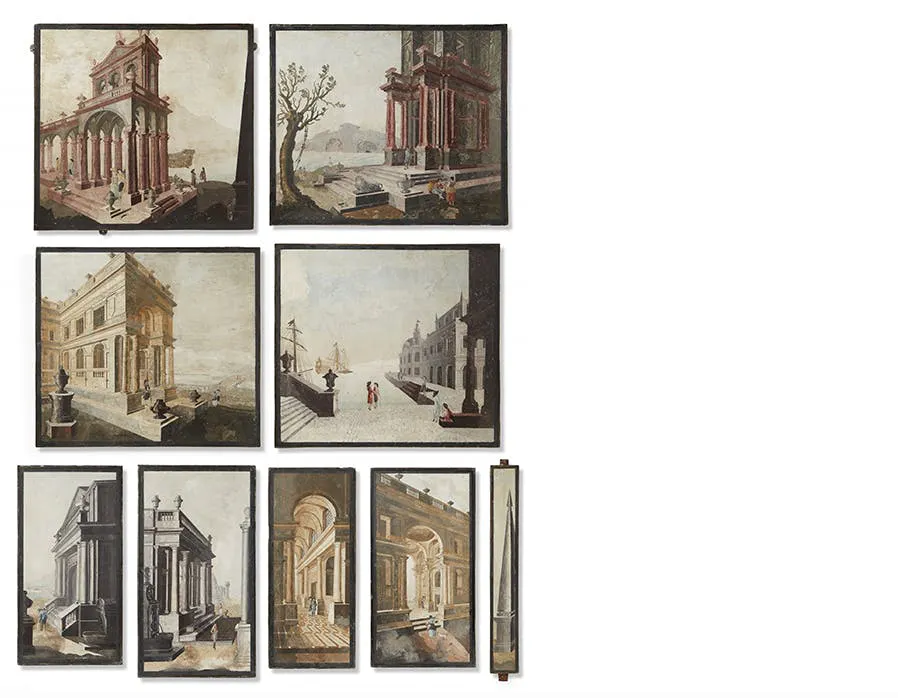
A master of scagliola was Enrico Hugford, son of an England-born clockmaker in Florence, and a Vallombrosaner monk after he took the vow in 1711. Behind the monastery walls, he learned the scagliola technique and became the best in the field, creating landscapes, portraits, images of saints, and architectural views. The latter will appear at the Lempertz Arts and Crafts Auction on 15 November in the form of a significant and unique set of nine panels attributed to Hugford.
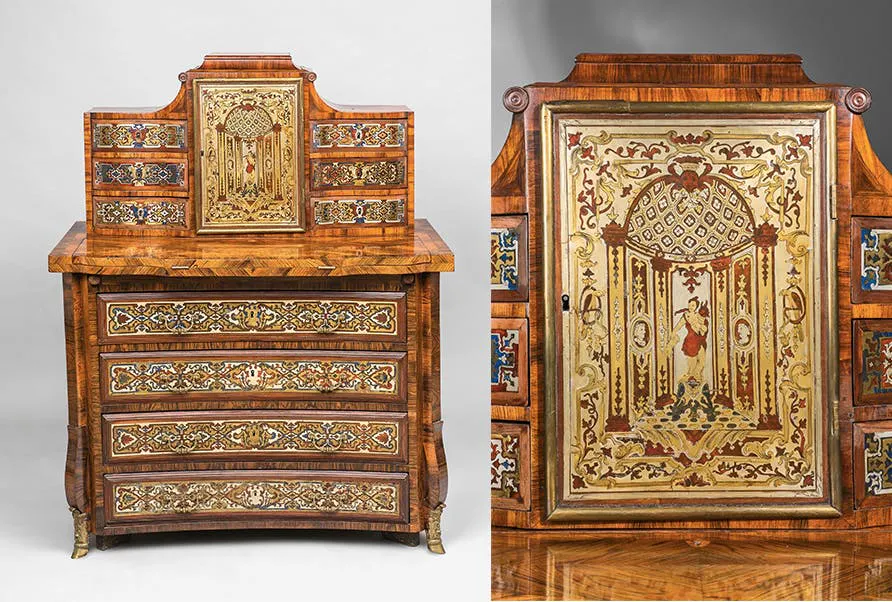
Another highlight of the catalogue is a Regency-era writing desk, which was made around 1720-30 in Bavaria. The piece of furniture is decorated with elaborate pattern of rosewood, tortoiseshell, brass, tin, and horn, in an inlay technique that is similar to pietra dura. The central motif shows Abundantia, the Roman personification of abundance.

The second part of the arts and crafts auction, beginning on the same day, includes significant porcelains from two private collections. This offer is led by a Viennese nativity scene, which was designed shortly after 1749 in the local imperial manufactory and painted around 1760, and is thought to be one-of-a-kind. In an artefact from the imperial manufacturer itself are twelve colour samples and seven drawn designs in the original case dating from the early 19th century. Other important factories such as KPM Berlin, Sèvres, and Nymphenburg will also be represented during the sale.

The Paintings and Drawings of the 15th-19th century auction will commence on 16 November. One notable piece is Hunting Still-Life with Fruits, Bird, and Squirrel by the Flemish painter Clara Peeters, about whose personal life hardly anything is known. Instead, she is known only through her outstanding art and mastery of still life, a skill that is showcased beautifully in the present genre painting.
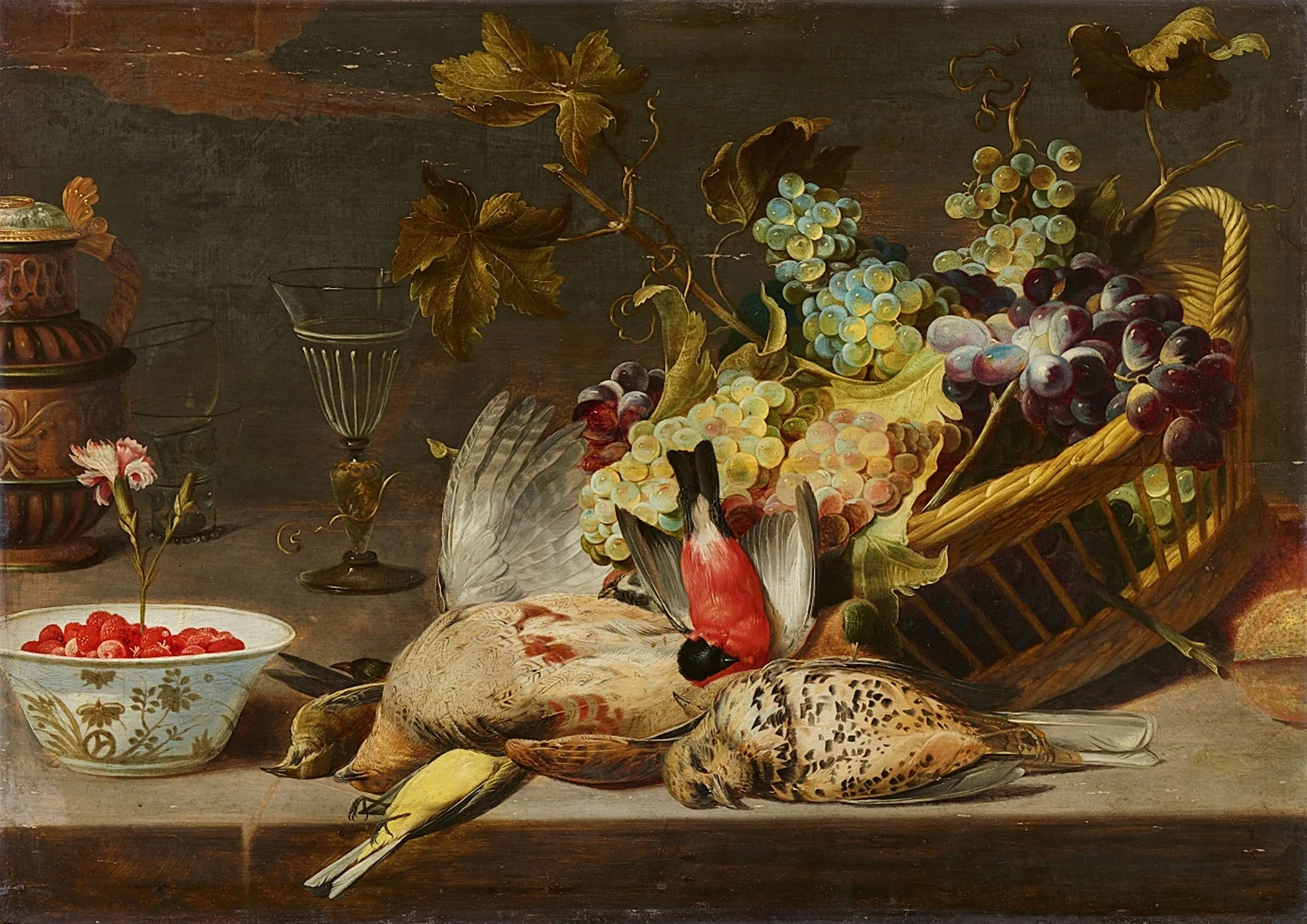
Another pioneer of the hunting still-life genre was Frans Snyders of Antwerp, whose existing Still Life of Birds and Grapes is a similar motif to that of Peeters’ and probably dates from the early 17th century.
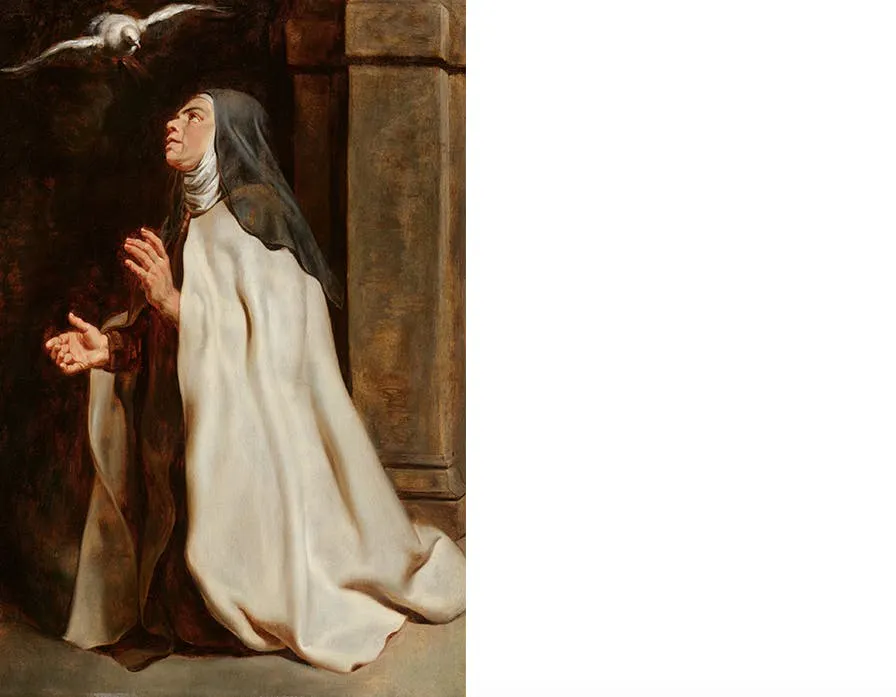
Snyders often worked with Peter Paul Rubens, who contributes the large-format work Saint Theresa of Avila at Lempertz to the auction. The painting is one of a series commissioned to Rubens in 1614, in which he depicted the mystics in connection with their canonisation.
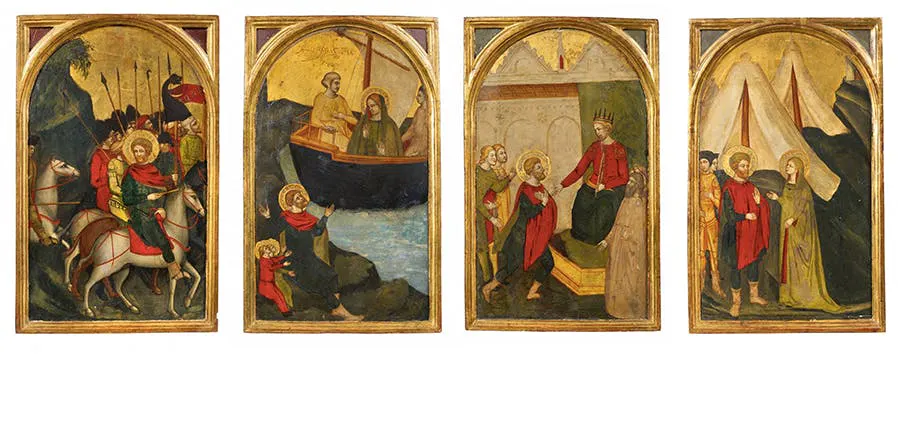
Among the oldest works of the catalogue are the four panels depicting scenes from the legend of Saint Eustace by the Maestro di Campo Giove, who worked in Abruzzo in the 14th century. The panels were once part of a winged altar depicting the Vita of Eustace, whose parts, now scattered, are important testimonies to Italian Eustachian iconography.
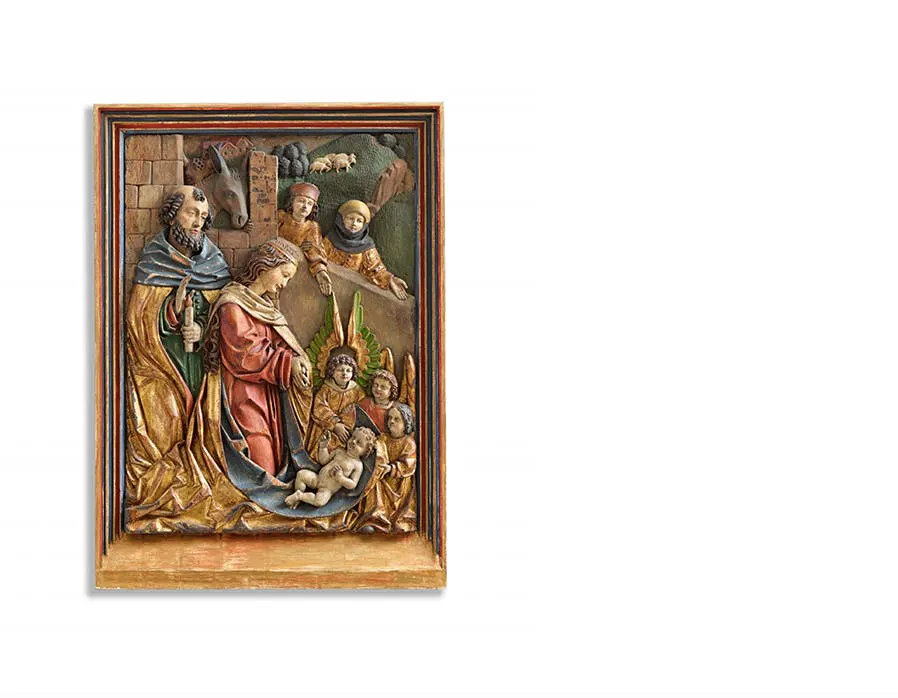
Later that day, Lempertz’ Old Master paintings are replaced by sculptures of various sizes and origins. Particularly noteworthy in this sale are two wooden relief plates. One, a coloured version of the Nativity was created in the late 15th century in the workshop of the South Tyrolean carver Hans Klocker.
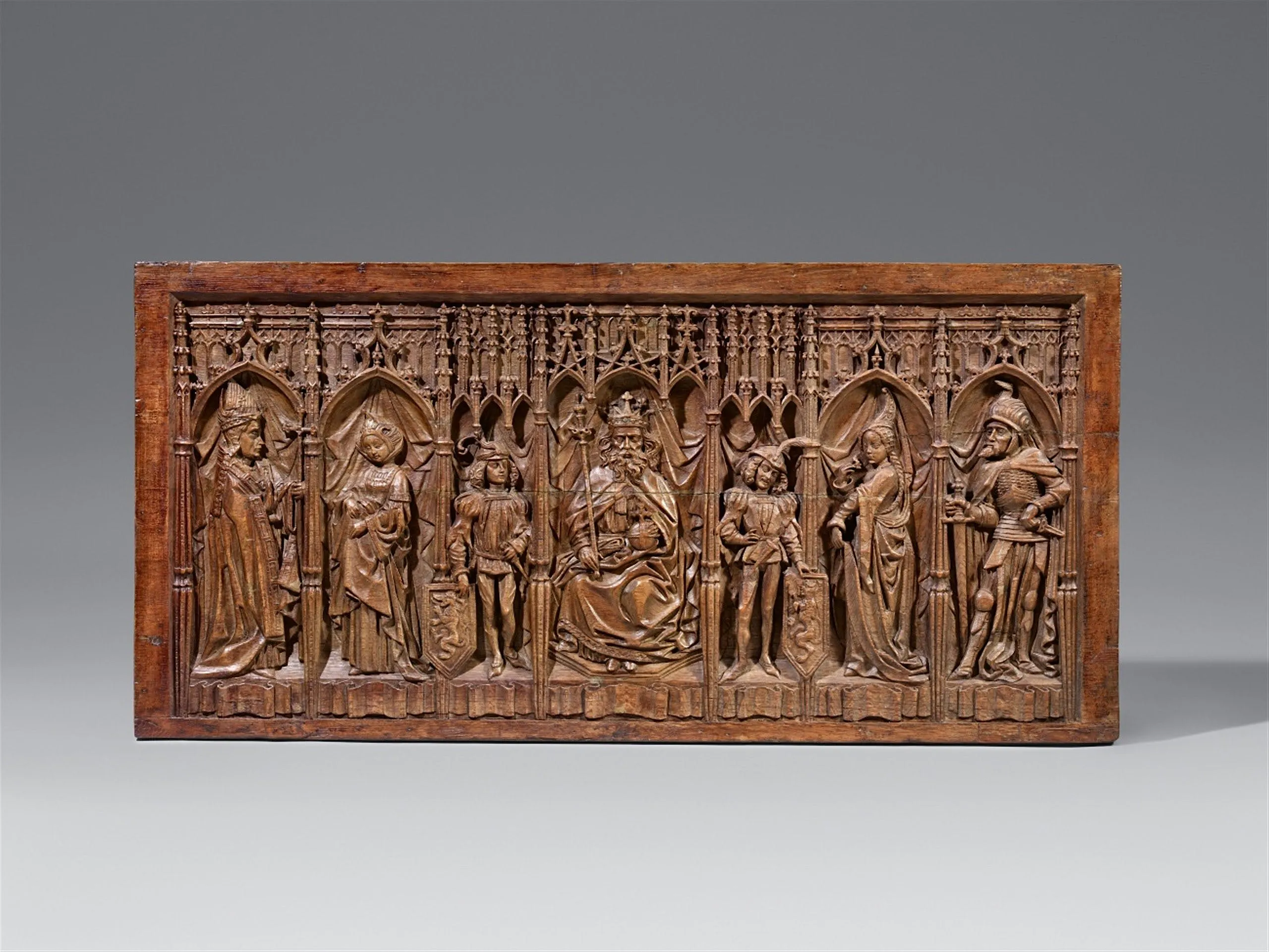
The other relief was executed in England in the 15th century and depicts King Richard I with his entourage under a contemporary architectural arch. The equally finely carved coat of arms denotes Richard the Lionhearted, who sat on the English throne in the late 12th century.
The prelude to these exciting auctions is on 14 November, with the Jewellery, Boxes and Miniatures auction. Among the astounding pieces on display, two beautiful rings in particular seem to ask ‘Kate or Meghan?’ as the diamond-studded stunners very closely recall the engagement rings of the Duchesses of Cambridge and Sussex.
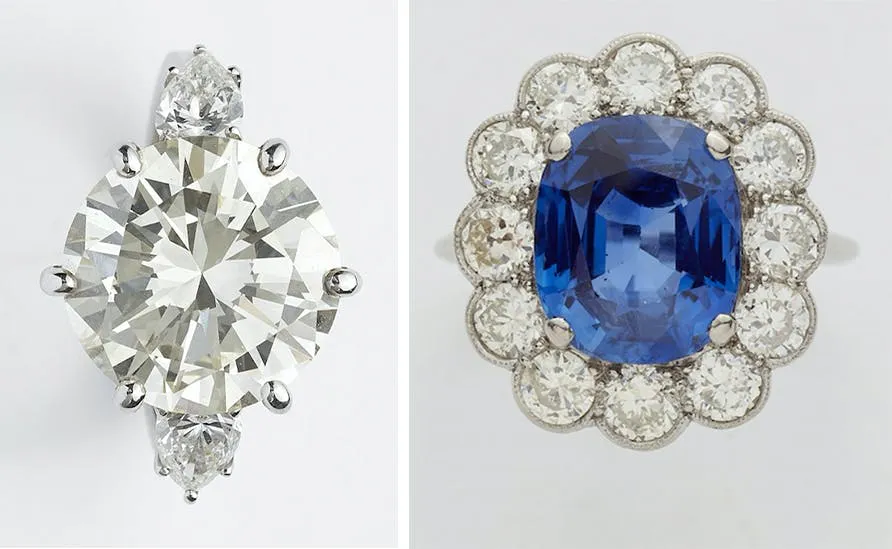
The sparkling ring with a central diamond includes smaller diamonds on the shoulders, reminiscent of the jewel that Prince Harry designed especially for his Meghan Markle. Meanwhile, the Art Deco ring with Ceylon sapphire showcases a jaw-dropping sapphire set off by diamonds that recalls the legendary ring that Lady Diana Spencer wore before Kate Middleton.
The auctions take place at the Lempertz Auction House, Neumarkt 3, in Cologne, and the exhibition will be available there from 9 November.