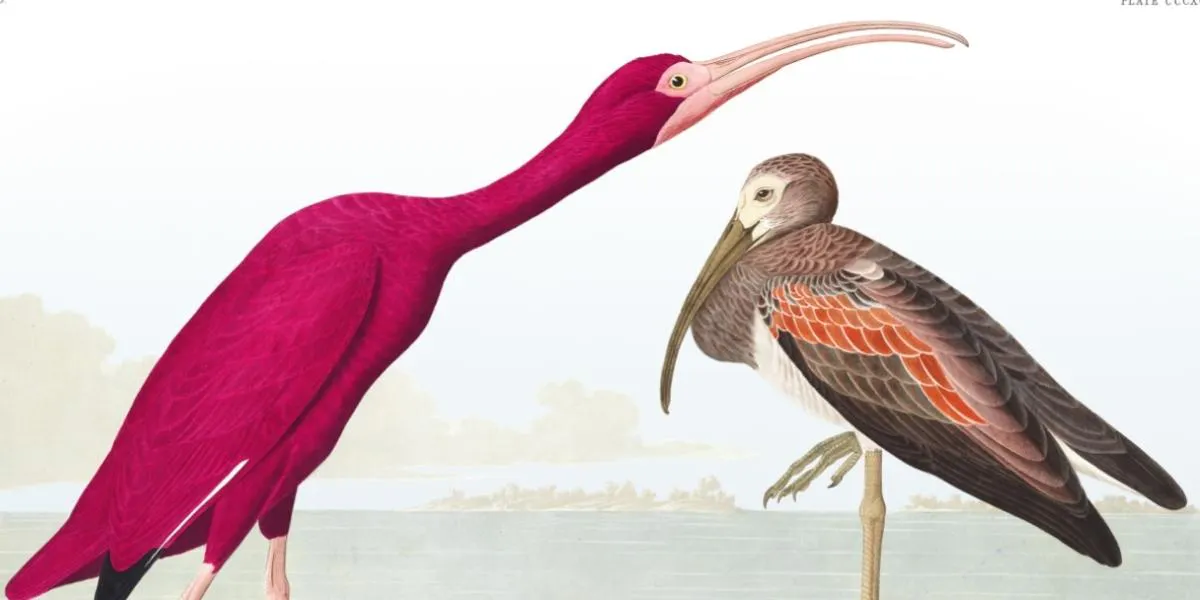
I felt an intimacy with [birds]... bordering on frenzy [that] must accompany my steps through life.
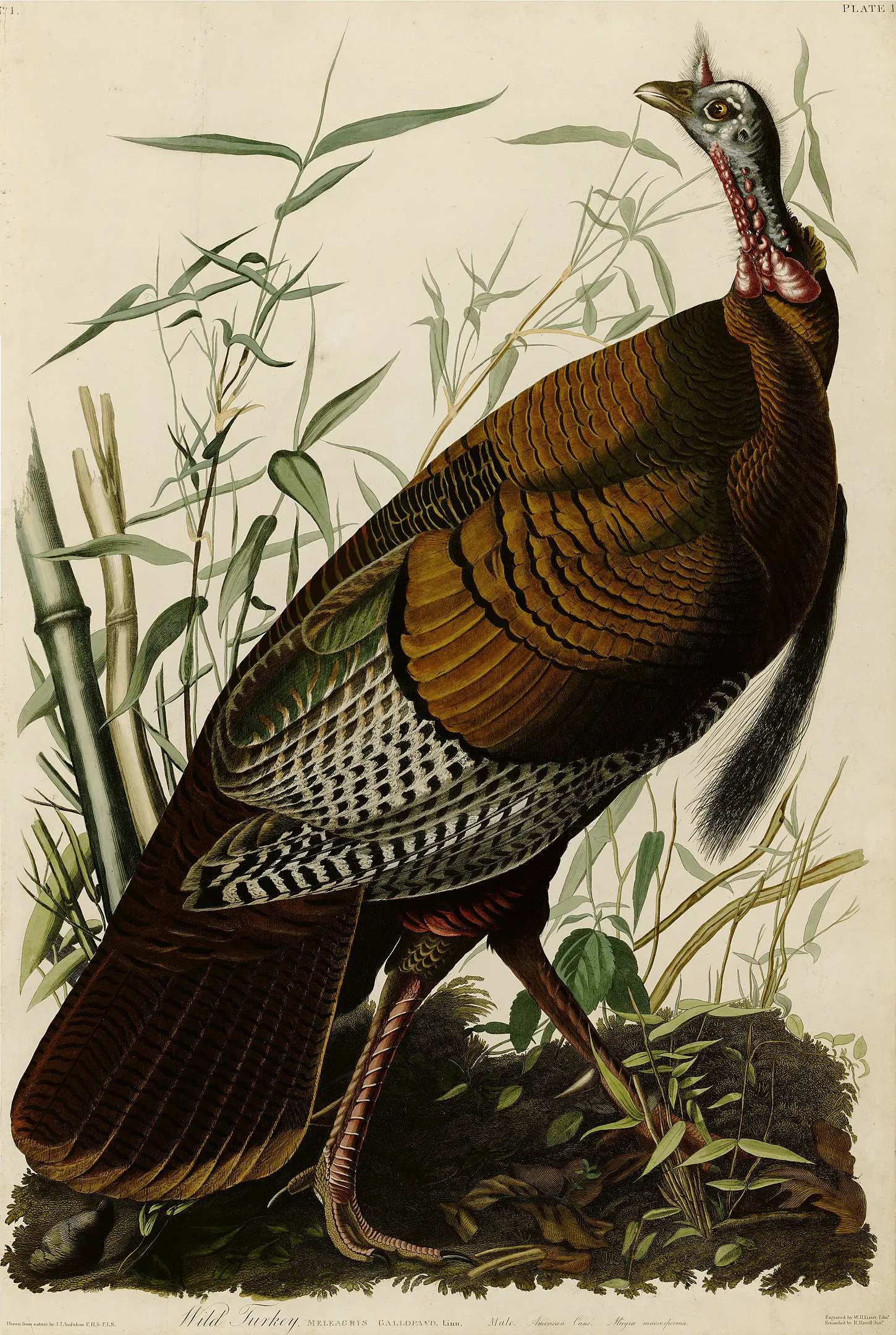
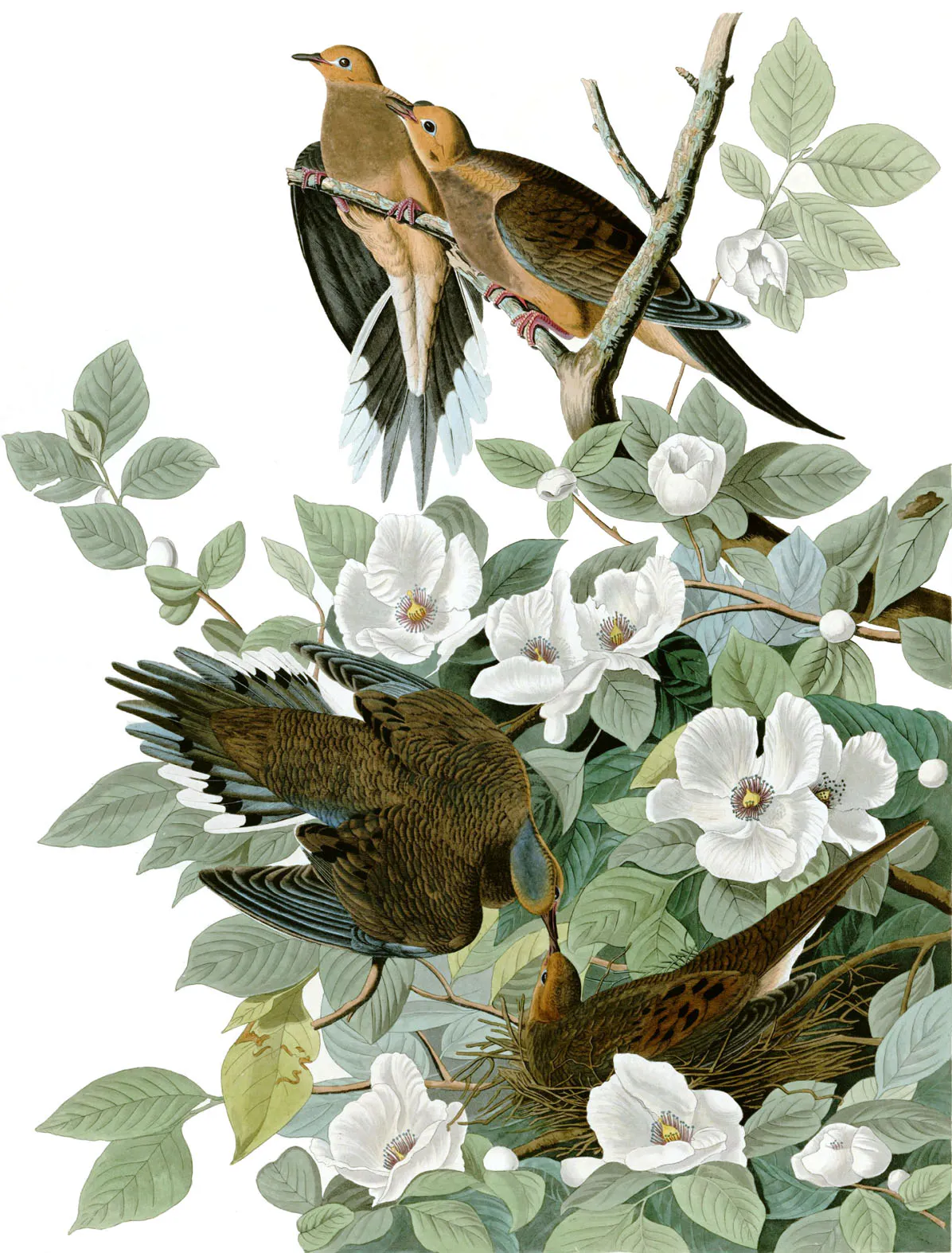
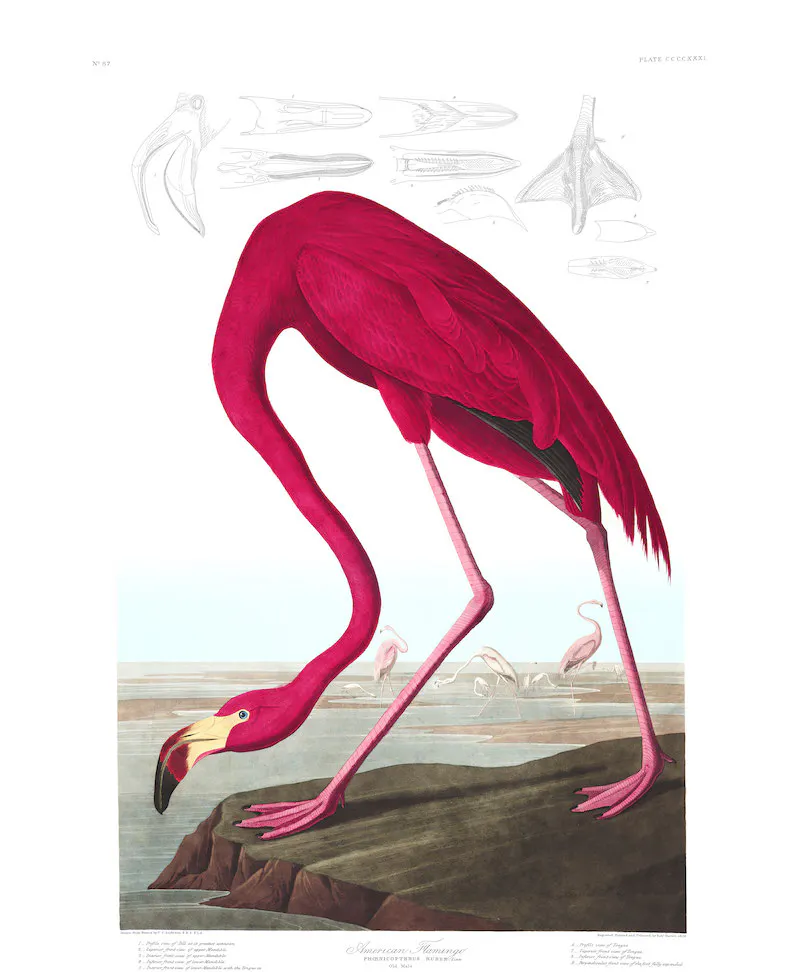
Perhaps no book has had a greater influence on American natural history than John James Audubon's The Birds of America, a nineteenth-century colour-plate book depicting over 400 American birds in life-size format. A masterpiece of art, ornithology and botany, the book brought the mysteries of nature in a compelling artistic way to the general public when such natural-science books weren't readily available. Today, nine of the original books have sold for over $1 million at auction, making them some of the most expensive books in history. Here is how the important manuscript (and work of art) came to be and why it achieves such high prices at auction.
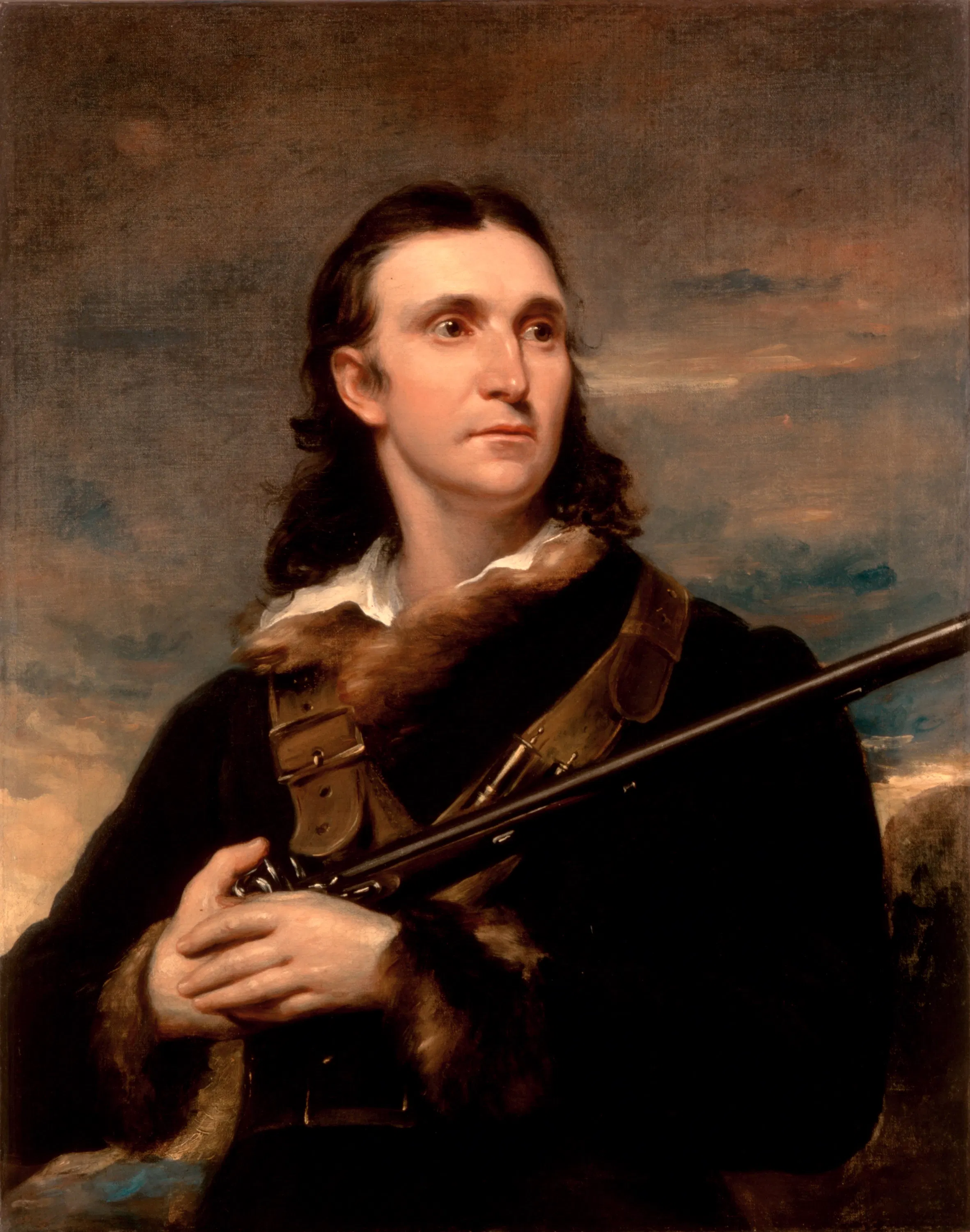
John James Audubon was born on 26 April 1786 on what is now the island of Haiti (then a French colony) on a sugarcane plantation to a French naval officer, Jean Audubon, and Jeanne Rabin, Audubon's maid, who died when John James was young. However, his father sold his plantation due to slave unrest a few years later, and the family moved back to the Brittany region of France, where Audubon was raised. From a young age, he was fascinated by birds and roamed the grounds of his family's mansion to inspect birds' nests and watch birds in flight, describing them later in detail to his father. Audubon would later write of birds, "I felt an intimacy with them... bordering on frenzy [that] must accompany my steps through life."
See also: 6 Iconic American Paintings
The Napoleonic Wars, however, were on the horizon, and to avoid the draft, Audubon's father forged a passport for him to travel to America in 1803 when he was eighteen. He went to Mill Grove, the 284-acre farm his father had purchased in 1789 that was located 20 miles outside of Philadelphia in rural Pennsylvania.
See also: The Best Selling Novel of All Time
While at Mill Grove, he studied native American birds and began to draw them and chronicle their behaviour. After a trip back to France in 1805, he learned the methods of taxidermy and scientific research. Upon his return to America, he sold part of Mill Grove and moved with his new wife, Lucy Bakewell, to Kentucky. There, he opened a general store in Louisville, but continued his passion of drawing birds.
Want more articles like this straight to your inbox? Sign up to our free newsletter
In Kentucky, Audubon became proficient in hunting and fishing, often going out in the woodlands and frontiers with Native American Indian tribes. While he had a variety of different businesses throughout the year, his finances always fluctuated and he made little money doing art projects throughout his travels around the American South to discover bird species. His wife mainly supported the family with teaching jobs.
Want to know what your books are worth? Value your items with Value My Stuff
Though some praised Audubon's naturalist drawings, others questioned his talents and his nomination for the Academy of Natural Sciences of Philadelphia was even rejected in 1824. During this time, he was selling subscriptions to his drawing plates along the East Coast, which included five prints of bird illustrations. Audubon would first taxidermy the birds and then set them up in poses to show the birds in motion, portraying them with a softness of touch and vibrant colour.
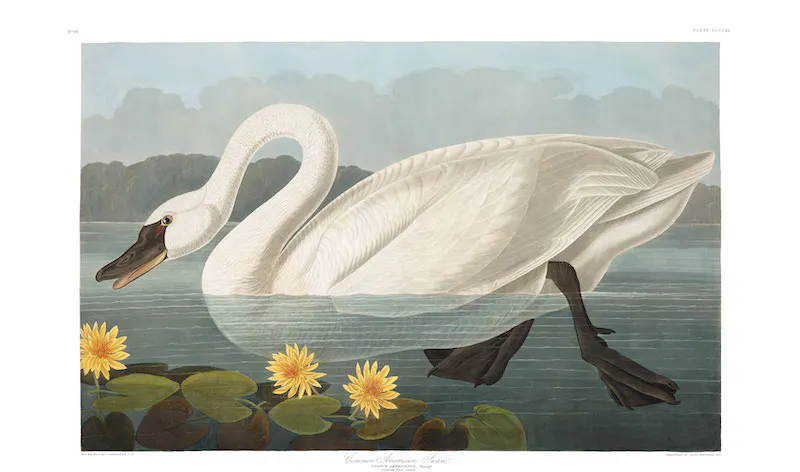
The response was somewhat lacklustre in America, but he did not give up his ornithologist pursuits and in 1826 sailed to England with his drawings. Finally, he received an overly enthusiastic response there for his drawings as the British were fascinated by the wildlife from the 'New World'. He was able to raise enough money to begin printing The Birds of America in aquatint on double elephant size paper (50 inches tall), a sum that is equivalent to about $2 million today.
See also: The Art of Plein Air Painting
Throughout the late 1820s, Audubon travelled throughout England and France, lecturing and exhibiting his prints. European royals, and later American millionaires, bought subscriptions to his book, as well as top universities, including Columbia, Harvard and the University of South Carolina. Europeans were especially entranced by these drawings, as during the Romantic era, naturalism was promoted, especially the exoticism of the Americas, as also seen in the popularity of American West paintings by Albert Bierstadt.
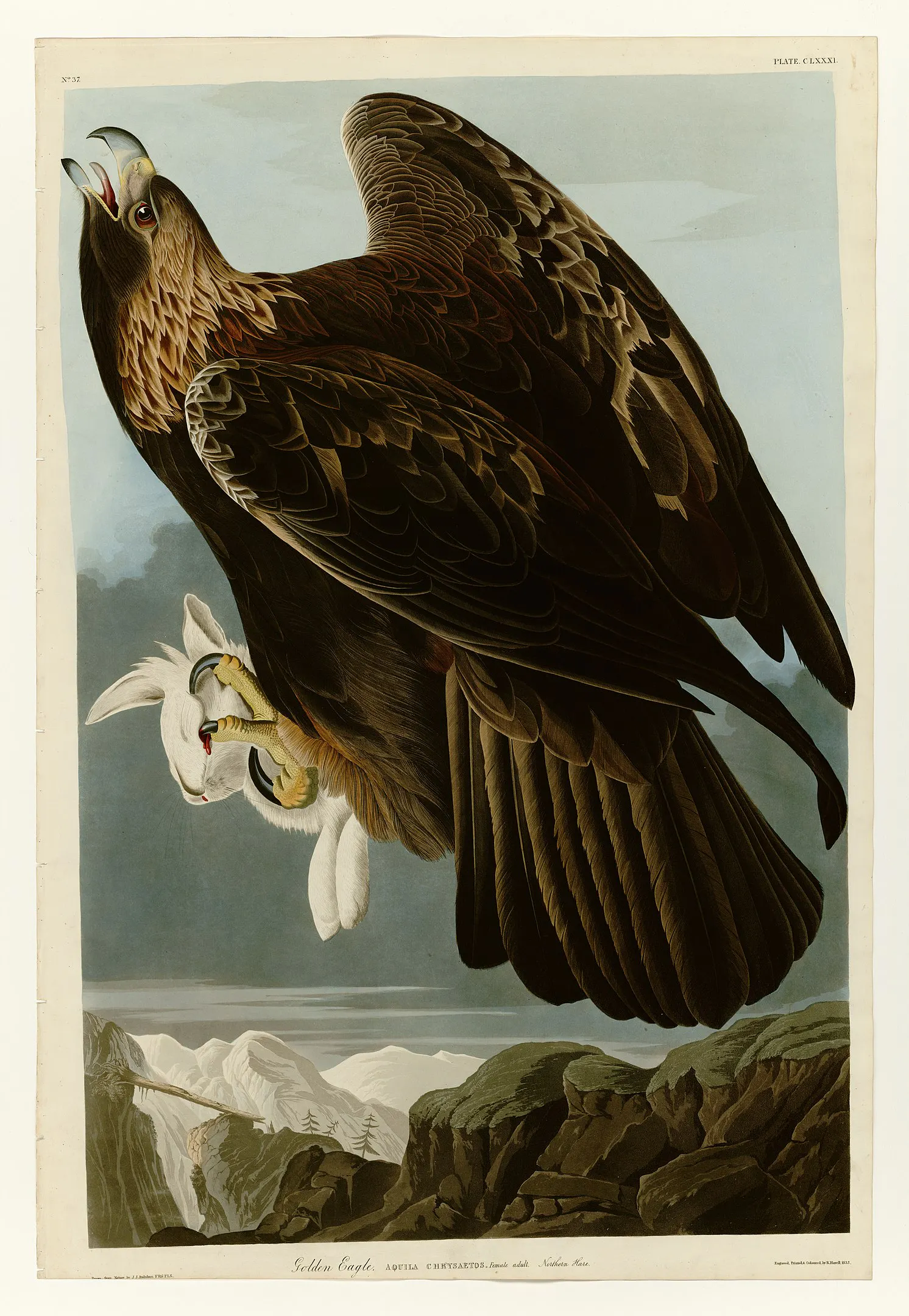
For the next twenty years, Audubon traveled extensively across America, painting a variety of bird species and collecting subscriptions for his The Birds of America volumes. These large-scale avian paintings, which Audubon originally made in watercolour and pastel, were accompanied by biographical information of the birds written by Scottish naturalist William MacGillivray. The last print for The Birds of America was made in 1838, yet he continued to travel and study birds. His final project was focused on quadruped mammals, which was finished after his death by his his sons.
See also: Cats in Art: 10 Decidedly Feline Works
By the late 1840s, Audubon began to suffer from what is now called Alzheimer's disease, and he died in New York in 27 January 1851 at at the age of 65. His crowning achievement, The Birds of America, is considered today to be the greatest example of book art and was revolutionary for the study of birds in the mid-nineteenth century, featuring 435 life-size prints. His tireless fascination for birds in America (he discovered twenty-five previously unknown species) inspired Charles Darwin's Origin of Species, and in 1905, the Audubon Society was founded, dedicated to the conservation of birds.
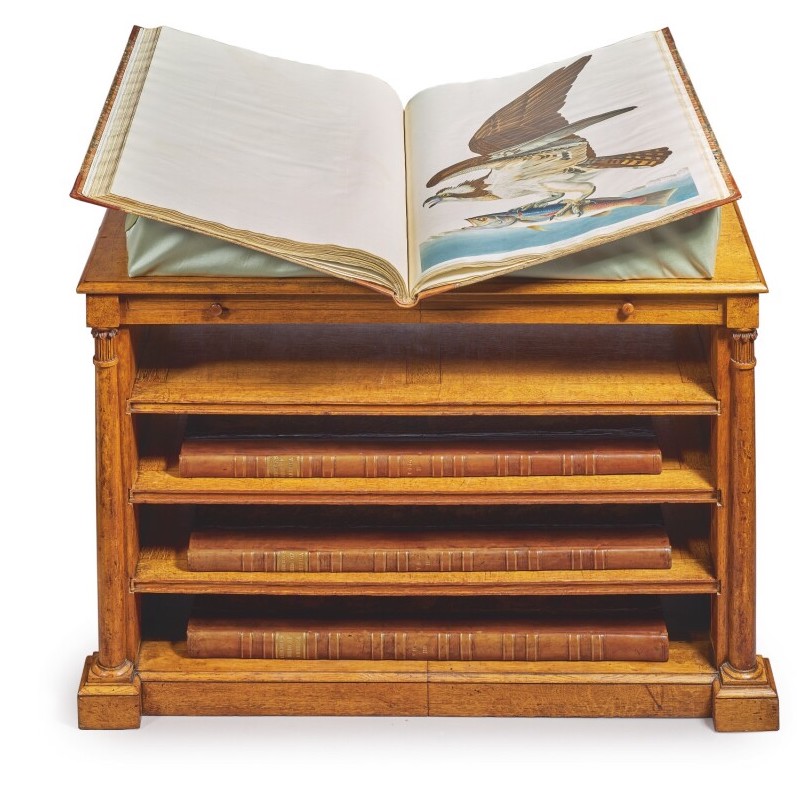
Today, about 120 complete original sets of the book are in existence, with most in university or public library collections, and only thirteen are privately owned. The most expensive copy sold in 2010 for $11.3 million at Christie's to art dealer Michael Tollemache. Eight other copies have sold at auction for nine-figure sums. However, individual copy prints of Audubon's birds are readily available at auction, ranging in estimates from $100 to several thousand.