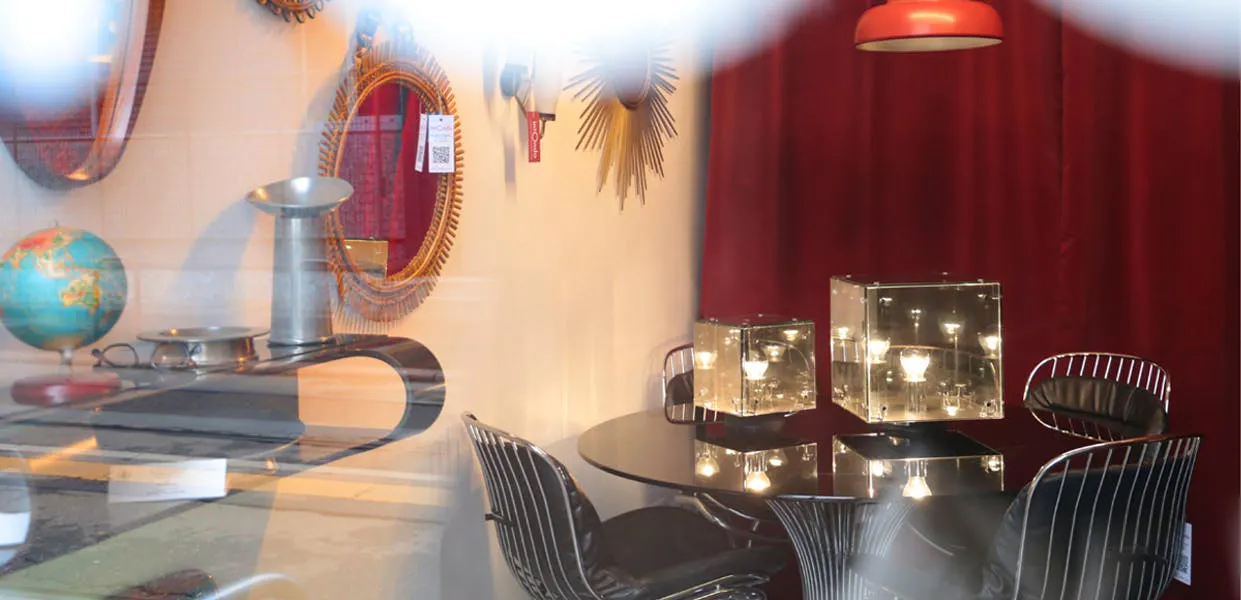
Two sisters with complementary backgrounds, a family history linked to antiques and an inherently genetic passion for tasteful furnishings: this is how intOndo was born. It’s an Italian portal with an international spirit and which has established itself as a go-to in the online vintage furniture market. Imagine 500 years of design just one click away: intOndo's goal is precisely this – to collect and enhance a vast heritage of vintage objects, normally impossible to find in a short time, and thus making them accessible to enthusiasts and collectors.
We met with Livia Napoleone, founder and CEO, who talked about intOndo on the occasion of the opening of the new Milan office-showroom (in Via Nino Bixio 47), where it is possible to find some of their for-sale objects onsite.
How we use our professional and technological knowledge cannot be done in such a way that it ignores the impact on our planet: it is our duty for the generations to come.
Livia, can you tell us when and how the idea of this online market came about?
IntOndo is a reality created two years ago, but it is also an idea that has had a long prelude made up of personal and professional experiences. The world of art and interior design has always been part of my family history: my mother was an antique consultant and combined her expertise with a strong sense of refined and functional furnishings. When she passed away, she left me and my sister Virginia with a big unfinished project, the launch of a wine B&B in our country house. Finding furnishings of character for this large, refurbished but empty house was not easy and we quickly realised how pulverised, dispersed and ‘without guarantees’ the offers of online vintage furniture was.
How important is the sustainable, circular economy in your business model?
How we use our professional and technological knowledge cannot be done in such a way that it ignores the impact on our planet: it is our duty for the generations to come. Yet, it is not always easy to find the means to do so. With intOndo we founded a tool to offer the public a zero-impact model as an alternative to the ‘disposable’ model. Our name (in for ‘in’-terior, tondo Italian for ‘circle’, in this case related to circular economy) reflects the circular system of nature where there is no waste and it is all designed to last over time and renew itself. Not only do we promote the rediscovery, or the ‘Renaissance’, of a precious heritage that has been overshadowed by mass production, but we also facilitate the reuse and restoration of precious materials that have been chosen and shaped to last over time. This, for us, is the meaning of vintage.
"5,000 objects from the past in a contemporary environment". And at the heart of intOndo there’s also the concept of ‘cross-over’, right?
Yes, cross-over of historical styles and periods. Although intOndo is characterised by its Italian matrix, we are a modern, cosmopolitan company and we believe that a modern environment must offer many facets to be as unique and interesting as the background of the people who create it. When you have the courage to make personal choices that combine with the genius loci of a place, then you get a house of character, a charming hotel or an ‘Instagrammable’ showcase. It's not for everyone, of course, but there are architects and interior designers who do it with innate sensitivity and attitude: intOndo aims to facilitate this work, too.
How is the selection of items for sale made? And who does it?
At the beginning of the intOndo adventure, the selection was on the sellers. We were interested in keeping a high standard and focusing on professionalism. Furthermore, for us the important element was to find partners who shared the desire to digitise the world of vintage antiques and design and consequently there was a sort of ‘natural’ selection. Today, we receive about thirty proposals each day to publish furniture and items of décor on our platform. Among these, we are interested in the pieces with history: we check their characteristics, keep the designer or brand in mind, and finally we only select items that are in good condition. Within the team, there are two people dedicated to placing each piece on the site and on our digital channels.
The uniqueness of a piece helps to personalise rooms, reflecting the taste, style and character of those who live in them. The pieces accordingly become interesting, hospitable and sustainable, and this is precisely what gives them their precious value.
What, for you, is the value of a unique piece in a world of mass-production?
I think it’s the story behind an object that makes it truly unique. It may be the idea behind its design, the skilful gesture of the craftsman who made it, but also the culture from which it originated and the fact that it is still suitable for flourishing in a contemporary context, perhaps with a different use from its original purpose. The uniqueness of a piece helps to personalise rooms, reflecting the taste, style and character of those who live in them. The pieces accordingly become interesting, hospitable and sustainable, and this is precisely what gives them their precious value
Can you recommend five #pezzidamuseo (museum-quality pieces) on intOndo that are absolutely unmissable?
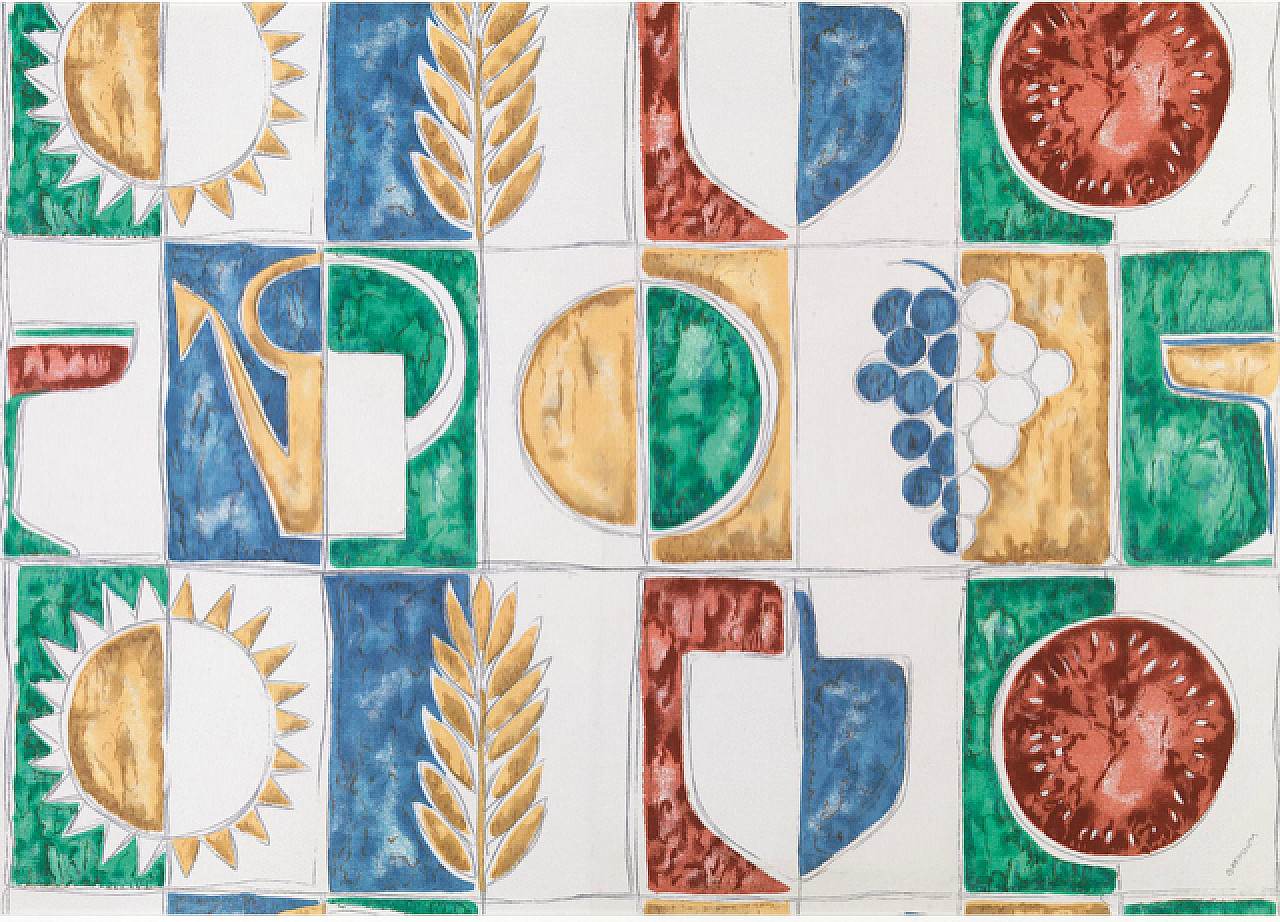
1. Let's start with a rare piece that marks the Italian style: the panel with ‘Mediterranean Summer’ fabric, designed by Gio Ponti in 1957 for the JSA manufacture in Busto Arsizio.
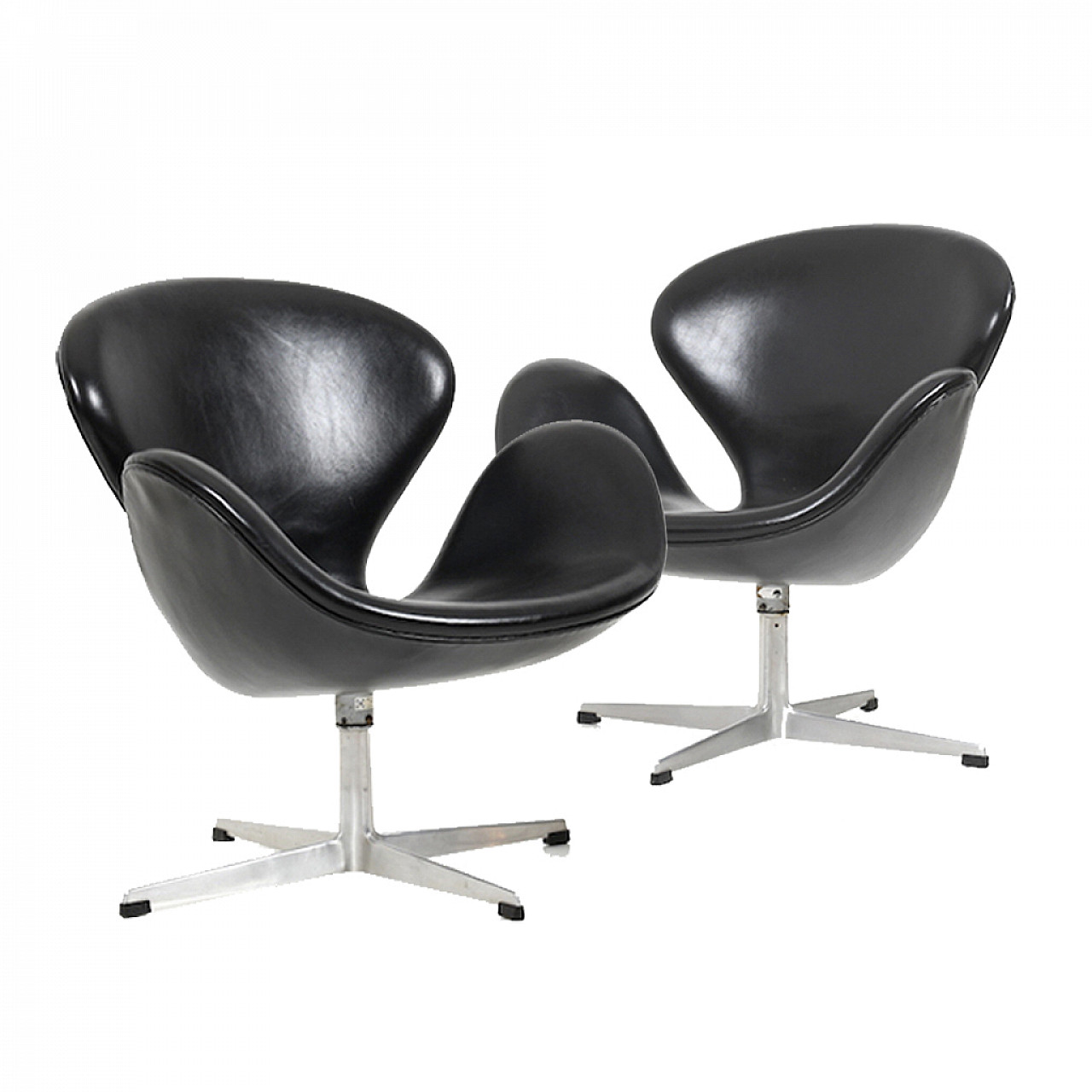
2. An iconic Nordic design piece: the pair of ‘Swan’ leather chairs designed by Arne Jacobsen and Fritz Hansen in the 1960s.
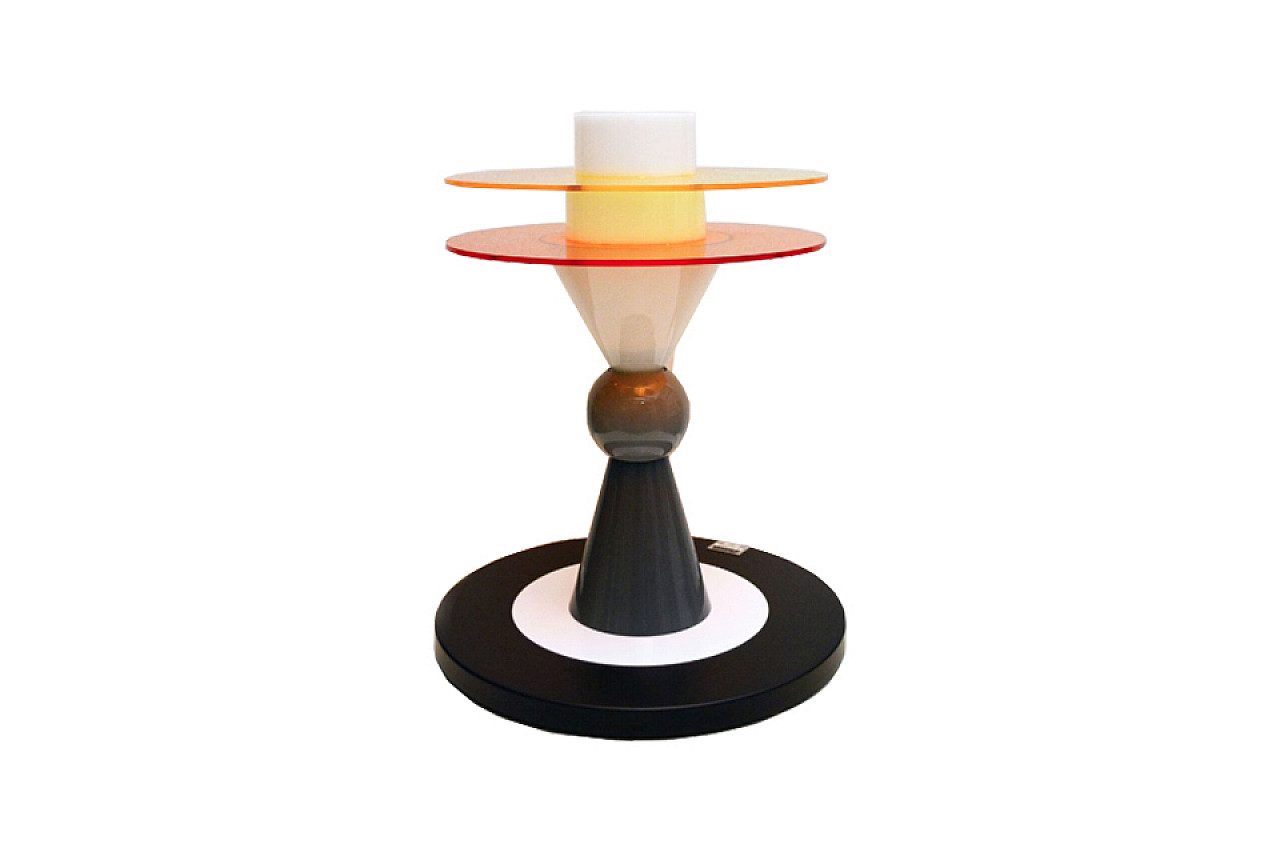
3. We can now go to the colourful period of the ‘80s, with the ‘Bay’ lamp by Ettore Sottsass, designed for Memphis Milano in 1983.
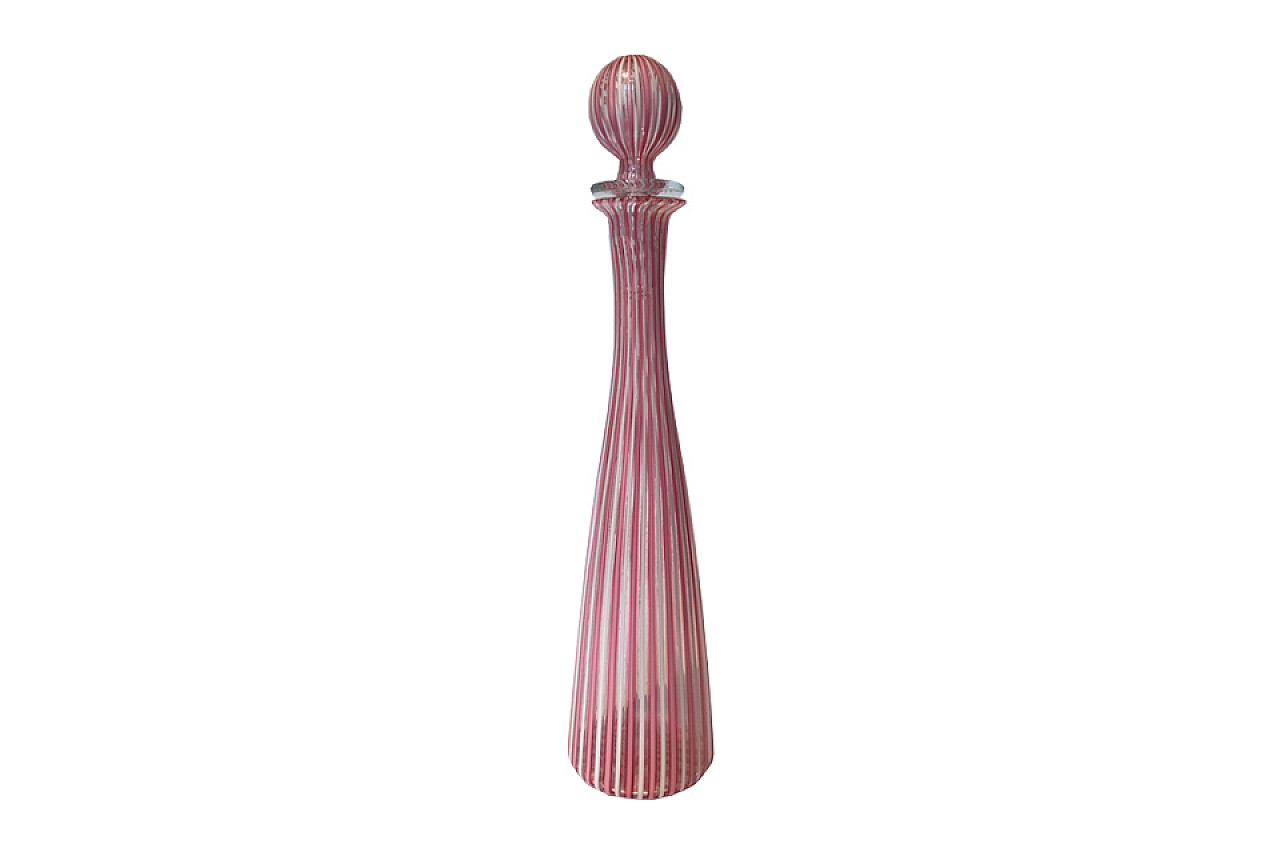
4. And a piece that represents the refinement of the craftsmanship of glass: a Venini bottle with pink barrel decoration and stopper.
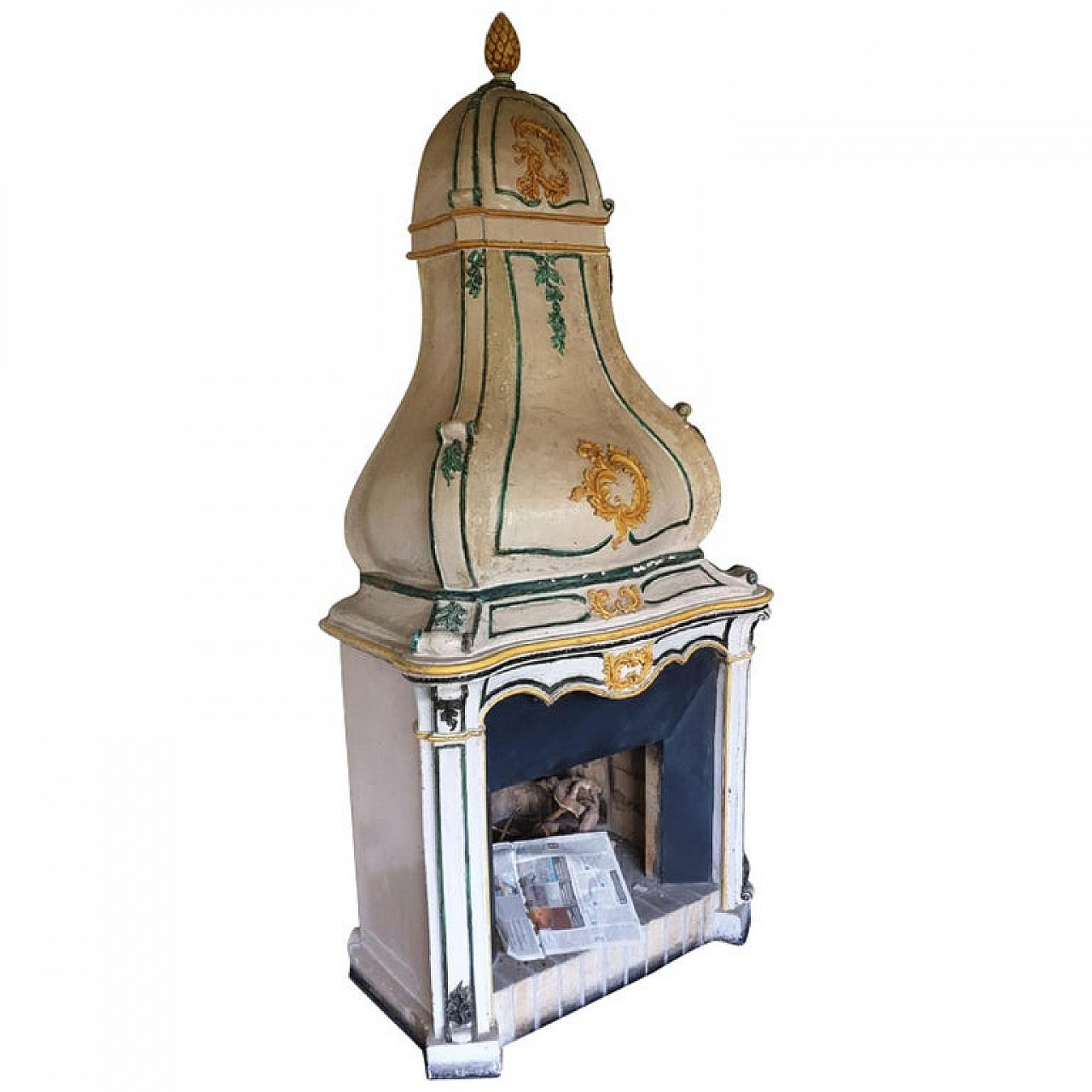
5. In the field of excellent materials, we make a jump by more than a century to discover the design of the Piedmontese fireplace of the mid-800, in hand-painted enamelled majolica.
This article is sponsored by intOndo