![[MANUSCRIT] [SUISSE] [ALPINISME] Rose ô Espine ou la vraye chrosnicque](https://bbys.imgix.net/1663/1a68efe1cf553661cd18f1c8b81dc48d917032e57cc6a889e01382ed73732bf8.jpg?auto=format&w=3840&q=75)


OCT 17 | 10:00 PM

Bring your auction to collectors worldwide!
Get listed nowBy subscribing, you are agreeing to the privacy policy. Unsubscribe anytime.
Barnebys HQ
Brahegatan 10
BOX 5038
114 37 Stockholm
All auctions / Books, Maps & Manuscripts / THE SO-CALLED BROCKETT-HUTH BIBLE (OLD AND NEW TESTAMENTS; I - Lot 1

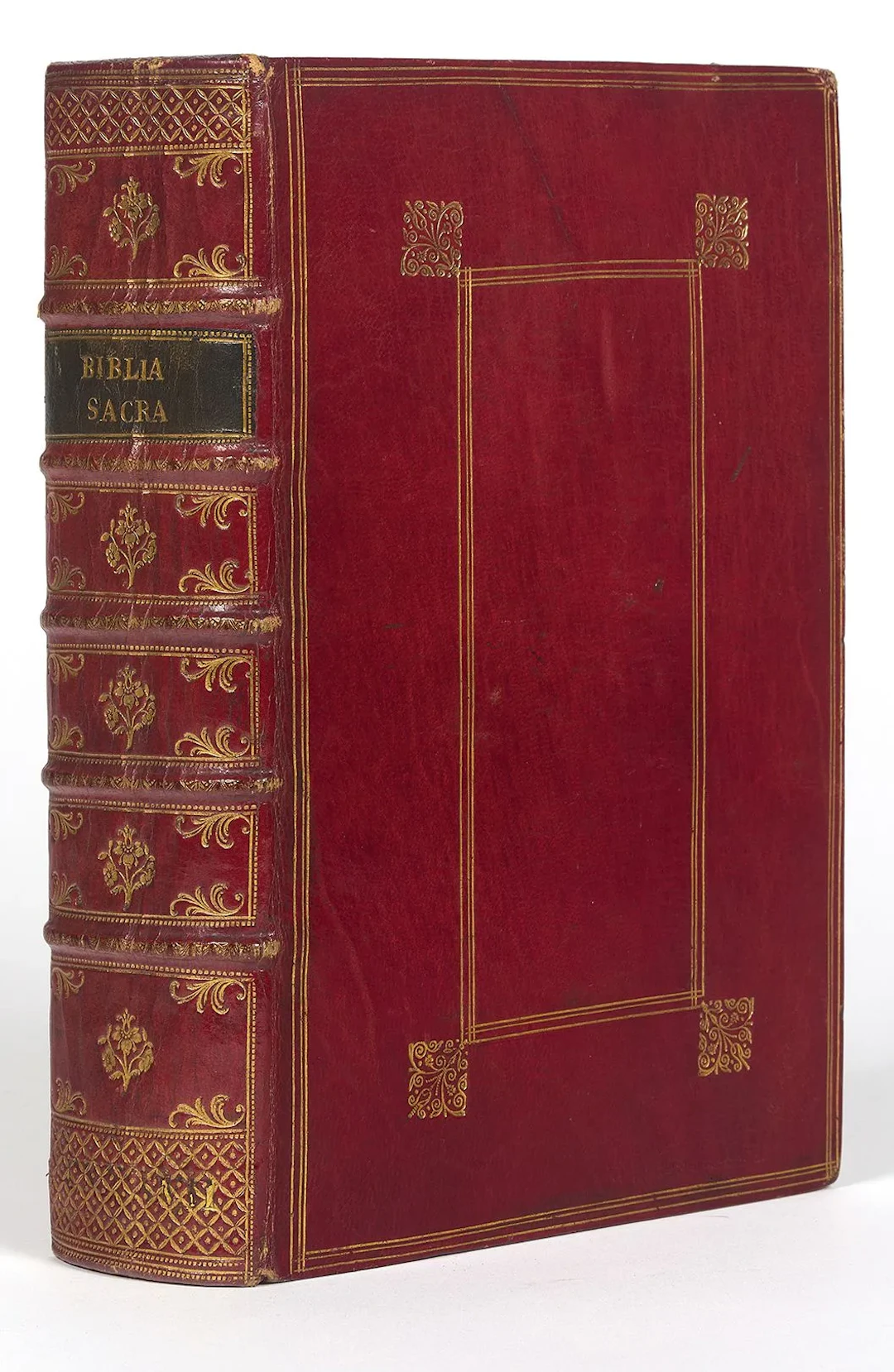
THE SO-CALLED BROCKETT-HUTH BIBLE (OLD AND NEW TESTAMENTS; INTERPRETATION OF HEBREW NAMES) In Latin, illuminated manuscript on parchment France, Paris, circa 1250–1260 With 82 historiated initials and 60 ornate initials. Illuminations attributable to the so-called Soissons Workshop, active in Paris in the 1240s–1260s. 390 folios, preceded and followed by two paper endpapers; complete manuscript [collation: i12, ii12 [signature IIus (fol. 24v)], iii12 [truncated signature (fol. 36v)], iv12, v12, vi12, vii12, viii12, ix12, x12, xi12, xii12, xiii12, xiv12, xv12 [signature XV (fol. 180v)], xvi12, xvii12, xviii12, xix12, xx12, xxi12 [signature XXI (fol. 252v)], xxii12 [signature XXII (fol. 264v)], xxiii12, xxiv10 (no missing text; end of the text of 2 Maccabees), xxv12, xxvi12, xxvii12, xxviii12, xxix12, xxx12, xxxi12, xxxii12, xxxiii8], there is a clever system of quire signatures using Arabic numerals, for example “181,” “182,” “183,” etc., ruled with graphite (page size: 150x105mm), text in two columns, small-modulus Gothic Textura script, running titles in red and blue, initials in blue or red with red and/or blue filigree decoration, Biblical chapters in Roman numerals in red and blue in the outer margins (and not included in the text’s type area), paragraph marks in red, capital letters highlighted in red within the text, numerous filigree initials in red and blue extending into the margins, single-line-high initials painted in red or blue, with 61 ornate and decorated initials (3 to 4 lines high) introducing biblical prologues or a change in text, in blue, pink, yellow, and green, with a decoration of scrolls and foliage; some featuring figurative elements such as hybrid creatures, dragons, or human heads (for example, the initial “P” with an extension into the margin and a human head [fol. 261]), 82 historiated initials introducing the biblical texts (4 to 16 lines high) with extensions into the margins, featuring the same color palette and ornamental elements as the decorated initials, as well as corrections, additions, or notes in the margins, most often in contemporary or near-contemporary handwriting. 18th-century red morocco binding, spine with 5 raised bands, compartmentalized and adorned with fleurons, head and foot bands on the spine featuring an ornament of gilded fillets forming diamond patterns, title label in dark green leather, gilded lettering “BIBLIA SACRA,” gilded borders on the covers with fleurons at the four outer corners of the central panel (Duseuil-style decoration), gilded inner edge, gilded edge on the fore-edges, gilded edges, endpapers and flyleaves of pebbled marbled paper. Page dimensions: 227 x 145 mm; binding dimensions: 235 x 160 mm. A superb example of a so-called “portative” Bible manuscript, with very wide margins, copied and illuminated in Paris, against the backdrop of the growth of preaching associated with the mendicant orders, as well as the University, which was attended by numerous students from the nobility or high-ranking clergy eager to own beautiful books of the “New Vulgate” or Parisian Bible. The so-called Brockett-Huth Bible is a luxurious example of this Parisian production, dating from the years 1250–1270. The production of these portable Bibles resulted from a revision of the biblical text that took place in the early decades of the 13th century, including the ordering of the books, the adoption of a specific set of prologues, the division into chapters, and philological corrections to St. Jerome’s translations. A corrected text simplified scholarly exchanges with a view toward standardization. In the case of this Bible, the books and prologues follow the order adopted in Paris. Studied by R. Branner as early as 1969 in his article “The Soissons Bible Paintshop in Thirteenth-Century Paris,” and again in his 1977 book on illuminated manuscripts during the reign of Saint Louis (Branner, 1977, pp. 77–78), the so-called Soissons workshop specialized in the illumination of Bibles. Of the 21 manuscripts that Branner attributed to this workshop in 1977, 17 were Bibles. This count has most certainly changed since Branner’s work, but it nonetheless gives an idea of the degree of specialization within this workshop. The tables published by Branner in 1969 provide an overview of the iconographic choices within this group of manuscripts (the term “workshop” used by Branner for these 13th-century manuscript productions is no longer used; it is more appropriate to think of them in terms of the “Soissons group” Soissons). It appears that the iconographic choices for the illuminated initials are almost always the same across the various examples of the Soissons “group.” Among the other known manuscripts associated with the so-called Soissons group, we note j
Estimate:£51,134.1
To the auctionView all items fromGiquelloorBooks, Maps & Manuscripts
Estimate:
£51,134.1
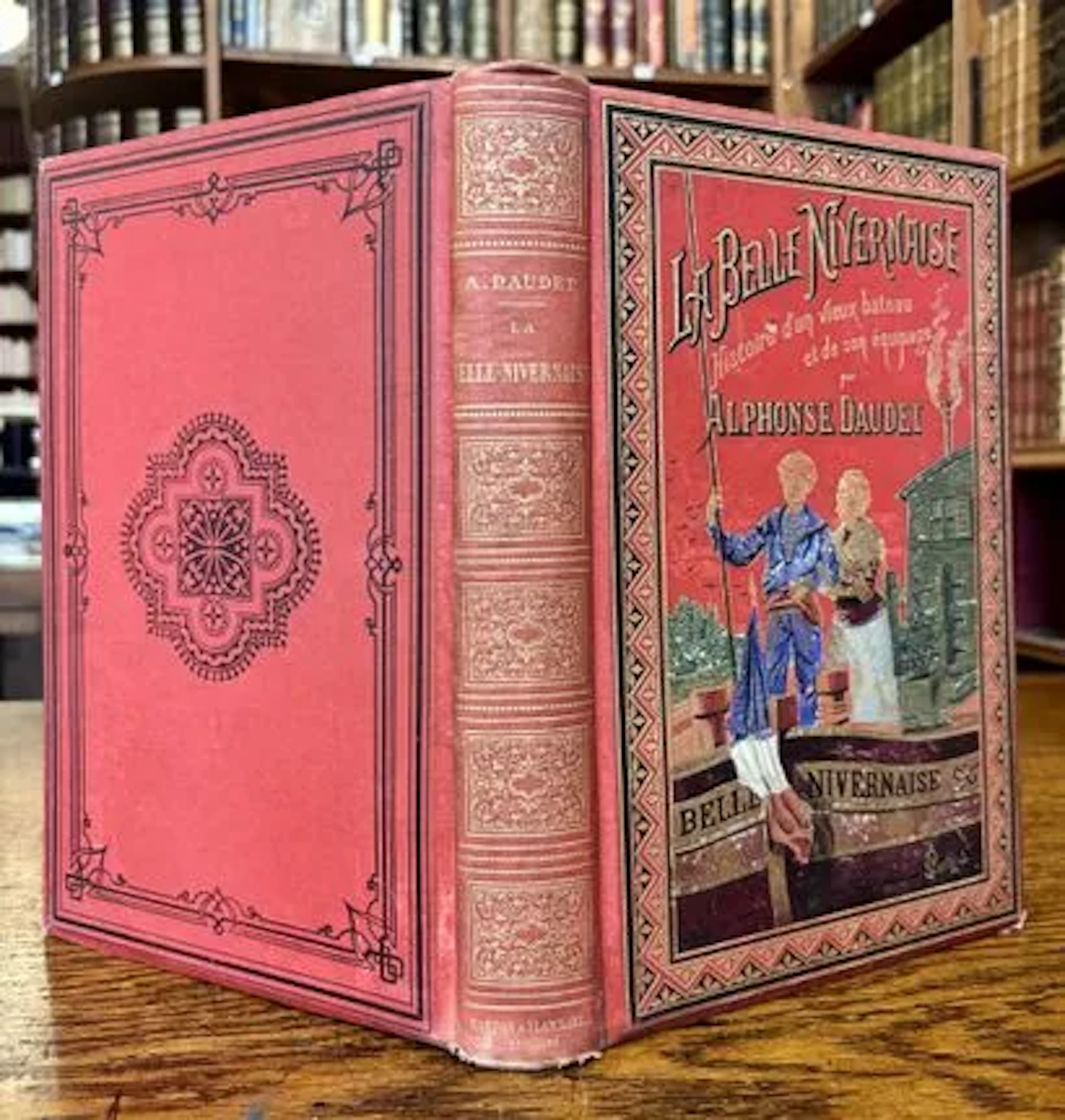
DAUDET (Alphonse). — La Belle-Nivernaise. Histoire d'un vieu - Lot 71
10/04/2026

£5.93
Est: £59.51
OCT 17 | 10:00 PM


Bring your auction to collectors worldwide!
Get listed now£3,397.72
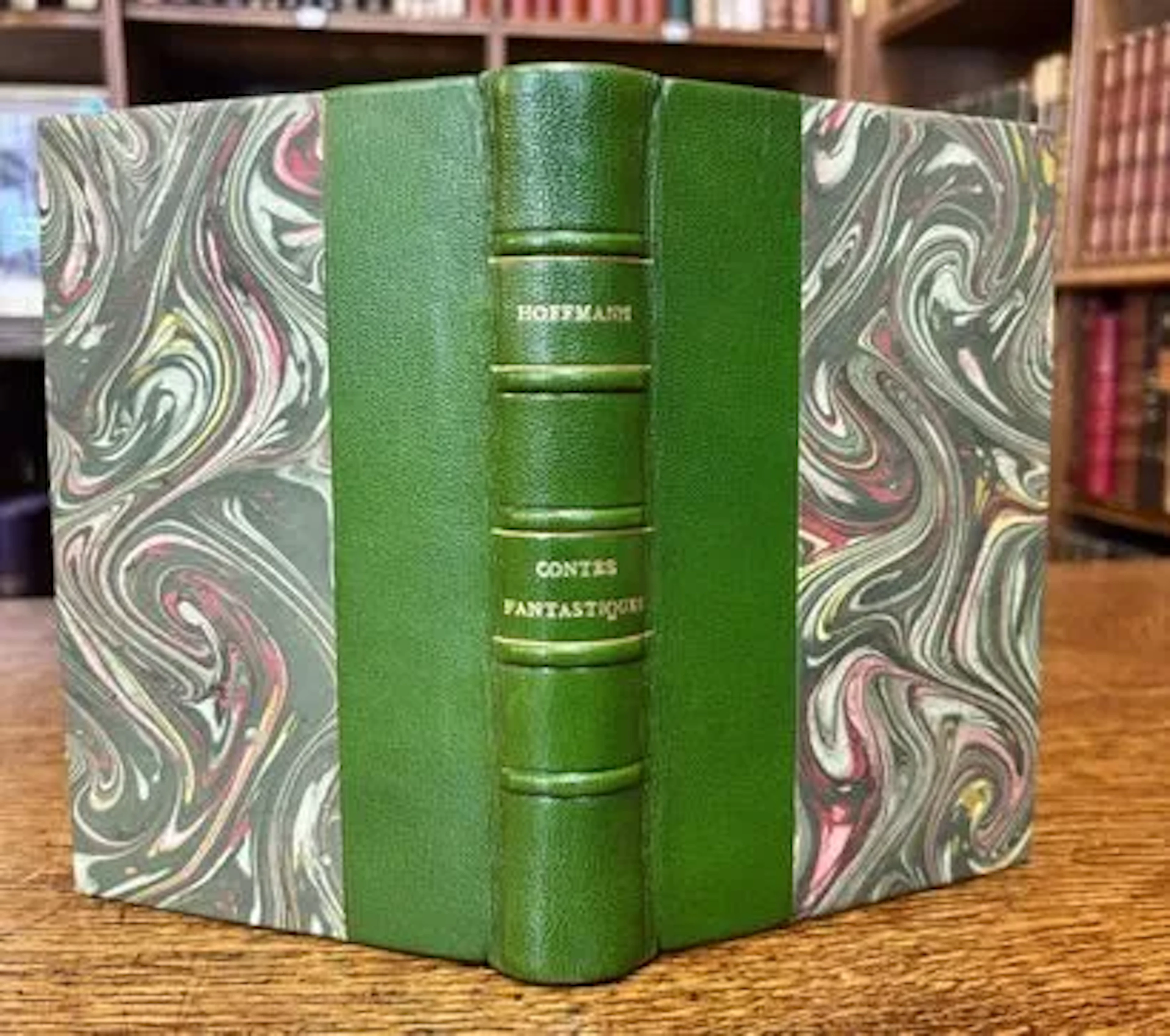
HOFFMANN (E. T. A.). — Fantastic Tales. Paris: Charpentier, - Lot 136
10/04/2026
£22.06
Est: £85.02
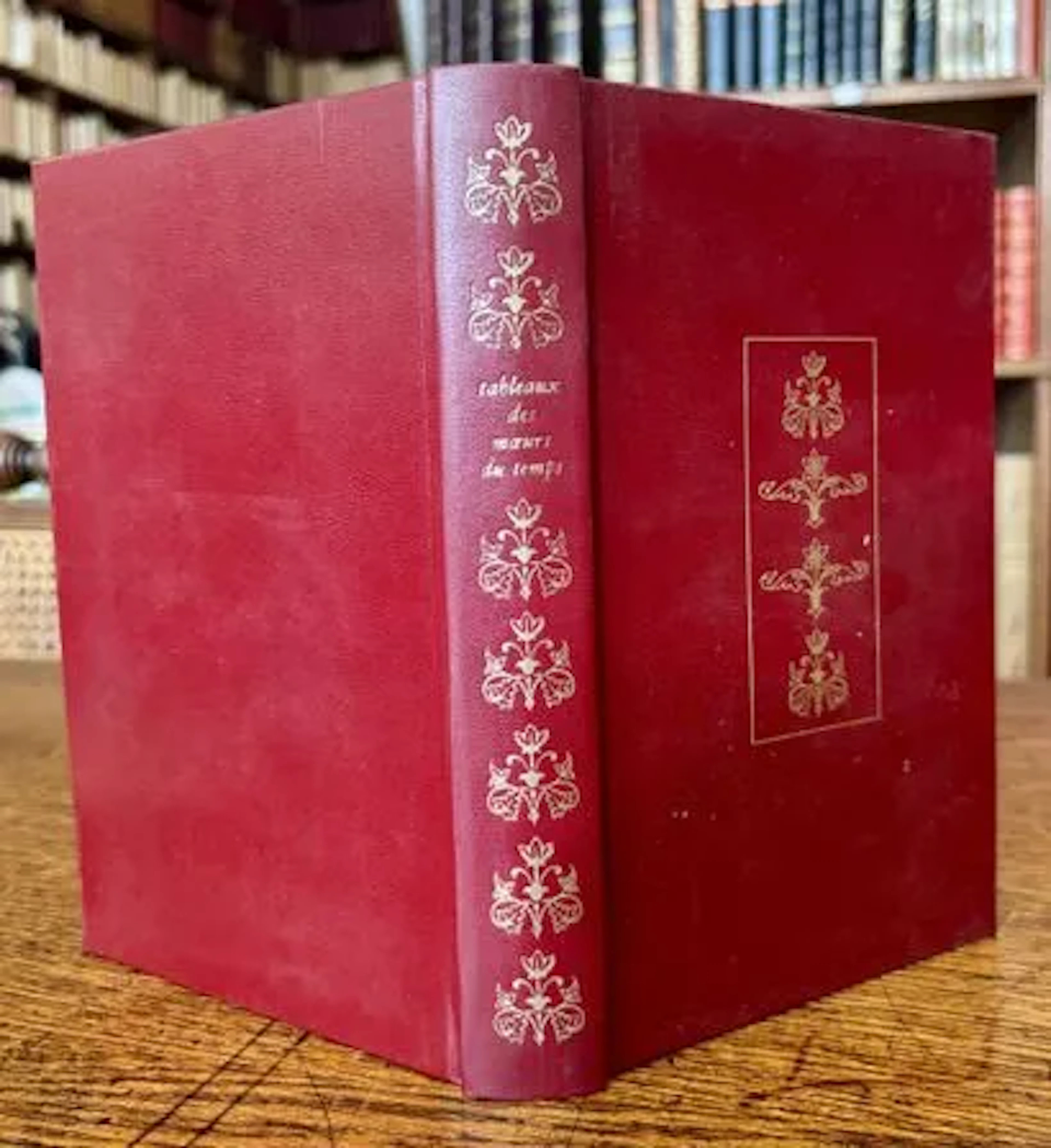
Scenes of Contemporary Life at Different Stages of Life, 196 - Lot 274
10/04/2026
£5.93
Est: £8.5
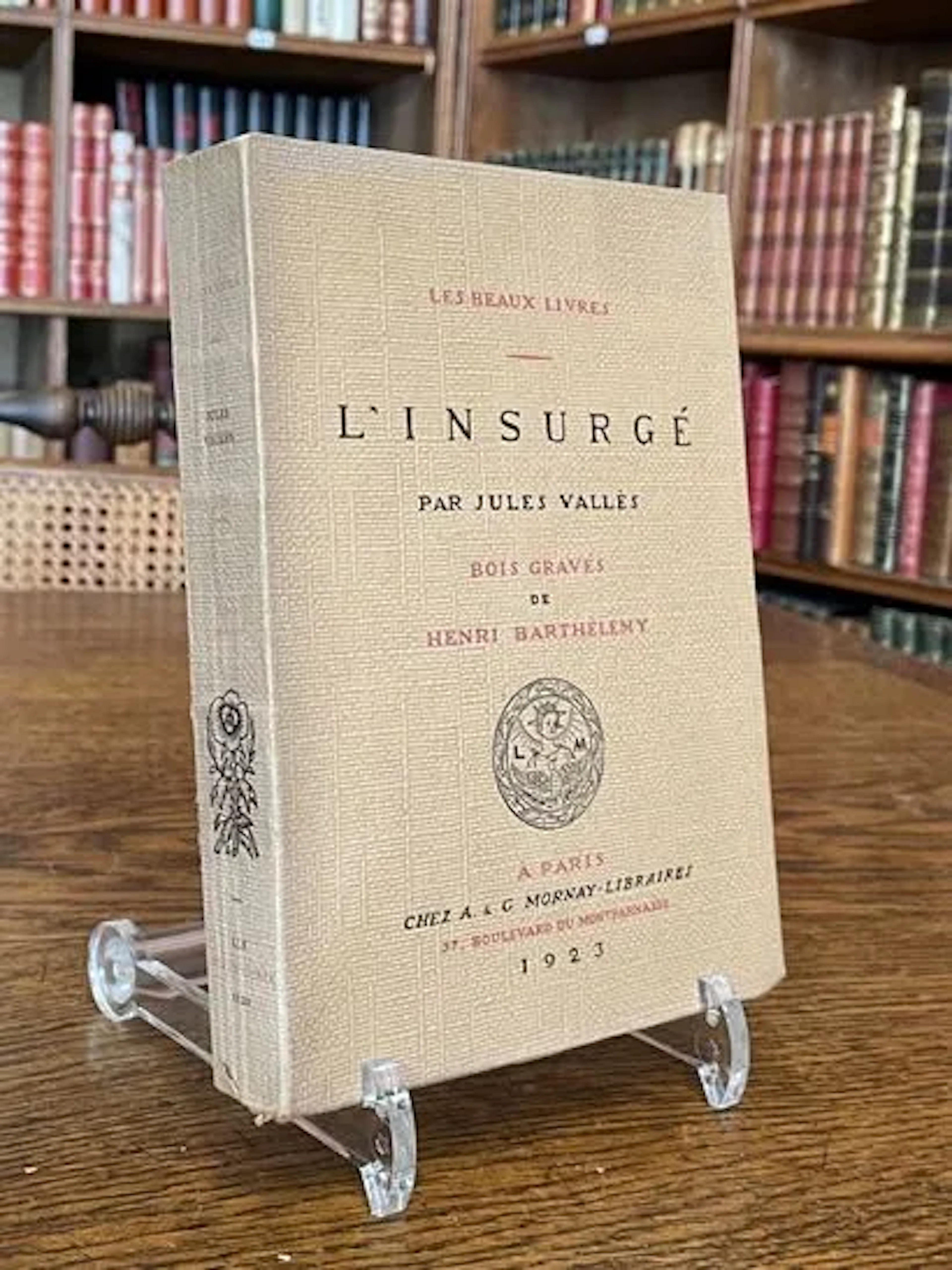
VALLÈS (Jules). L'Insurgé. Bois gravés de Henri Barthélemy. - Lot 282
10/04/2026
£4.24
Est: £42.51