After centuries of objectifying and the ever-present male gaze, more and more works of art have been characterised by the presence of women. ‘The male gaze’ – the objectifying male gaze – equates to women seen from a male heterosexual perspective, who, time and time again, portray women as sexual objects. Here are five revolutionary works by female artists in which the male gaze is not present.
5. Faith Ringgold, Tar Beach 2
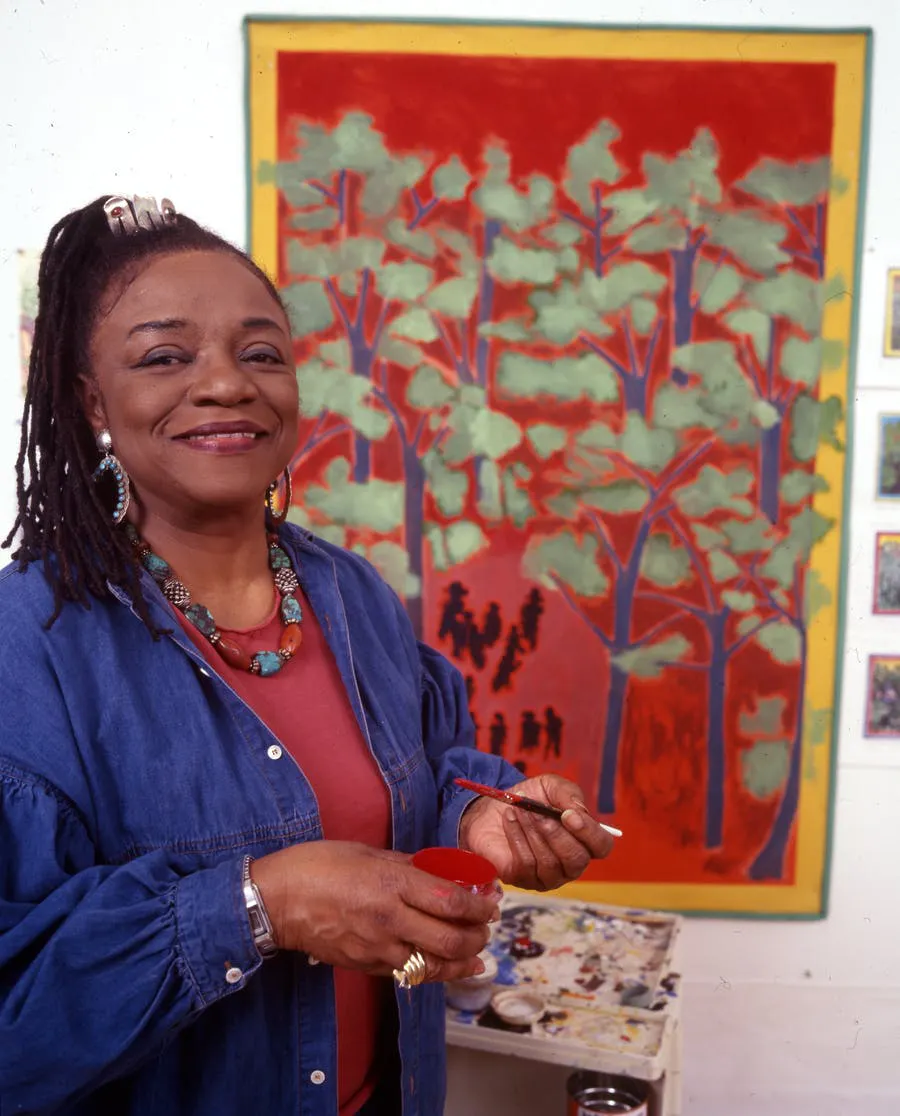
During the 1960s and ‘70s, artist and author Faith Ringgold (b. 1930) played an important role in the protests against museums that held racist opinions and denied women’s works. Through her oil paintings, she criticised the so-called ‘American dream’ from an intersectional perspective. In the ‘70s, Ringgold stopped painting with oil and started using acrylic on textiles instead. This resulted in her quilts where the black female heroine was a recurring motif. The traditional female craft had a strong connection to Ringgold's family history when her maternal grandmother created quilts during slavery in the United States.
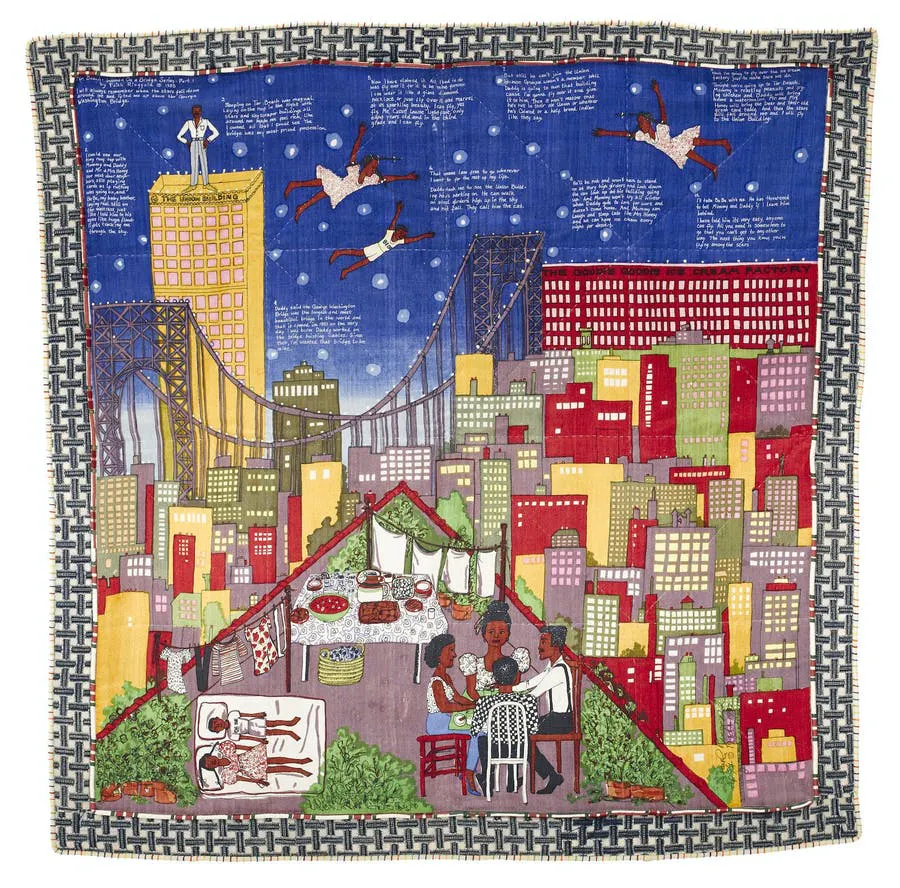
Tar Beach 2 is part of Ringgold's series Women on a Bridge. It tells the story of eight-year-old Cassie Louise Lightfoot, from Ringgold's children's book Tar Beach, who is with her family at the George Washington Bridge in New York City. In the story, Cassie dreams that she can fly and tackle the world's problems. Cassie is portrayed repeatedly on the patchwork cover and, among other feats, we see her fly across the sky, where parts of the story are also reproduced in writing. The girl's flight journey symbolises the potential for freedom and independence. Strong women figures, especially African American women, are a recurring theme in Ringgold's oeuvre, in which political and social issues are raised. Faith Ringgold commented on the patchwork: “My women are flying, they are free. They take their liberty by confronting the masculine symbol – the bridge."
4. Ana Mendieta, Untitled (Glass on Body Imprints)
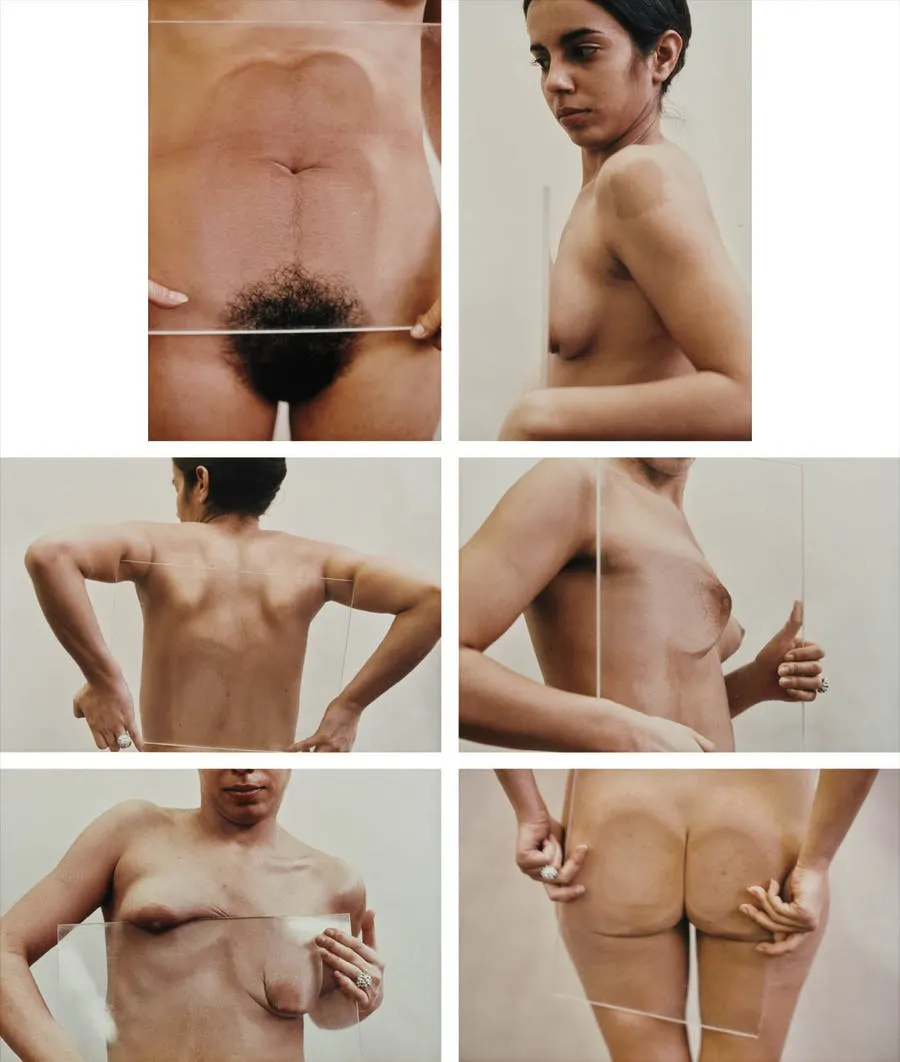
Ana Mendieta (1948-1985) was an artist who in particular questioned the male gaze. Through her art, she took control of the perspective as she portrayed her own body and conveyed political messages, such as feminism, belonging, violence, life and death. After Mendieta emigrated to the United States from Cuba in 1961, she began exploring her body and often compared it with nature's four elements. She used nature as a sculptural medium in which she placed her body and filled the outline with stones, twigs, flowers and blood and then documented and perpetuated the imprint.
See also: The Female Look: 11 Women Who Changed Photography
3. Martha Rosler, Semiotics of the Kitchen
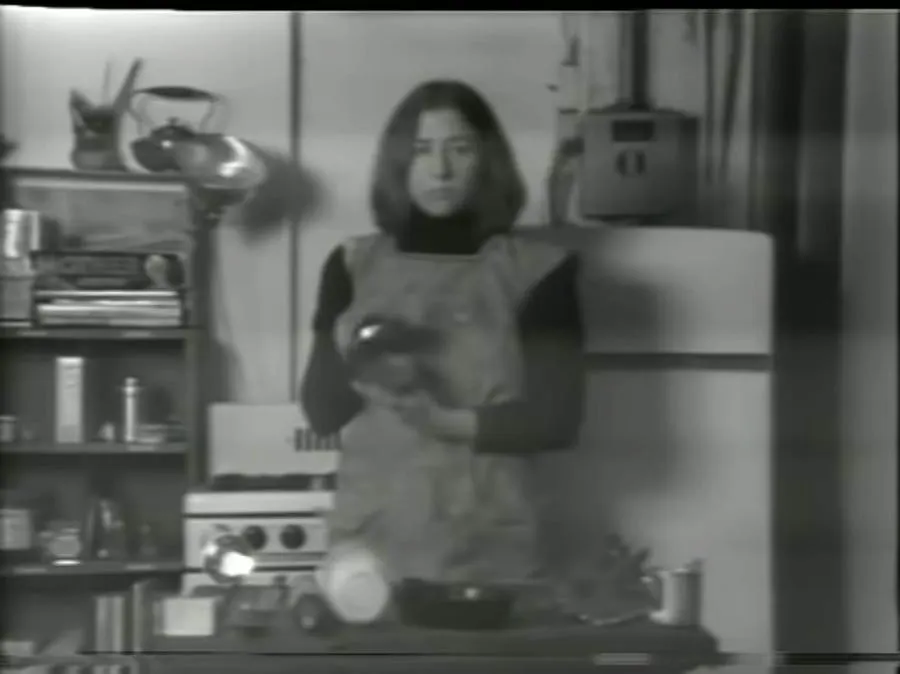
Martha Rosler (1943) also criticised the prevailing norms in society. In the six-minute video Semiotics of the Kitchen from 1975, Rosler chides the traditional gender roles by presenting kitchen utensils in alphabetical order. She uses semiotics (the study of signs and how they are perceived) to show that words are just signs that humans use to describe their world. While presenting the utensils, everything from a fork to a grater, her frustration and anger permeates the patriarchy.
In the video, she wants to differ from the classic image of a housewife. When holding the knife, she does not show its use in the kitchen, but bumps it into the air as if she is chopping the viewer. Her everyday language is intended to show the role of women in patriarchal society and language therefore becomes the work when she challenges the objectification of women. Issues such as everyday life, xenophobia and social justice have characterised Rosler's art since the late 1960s.
See also: The Dinner Party: A Table for the World’s Most Influential Women
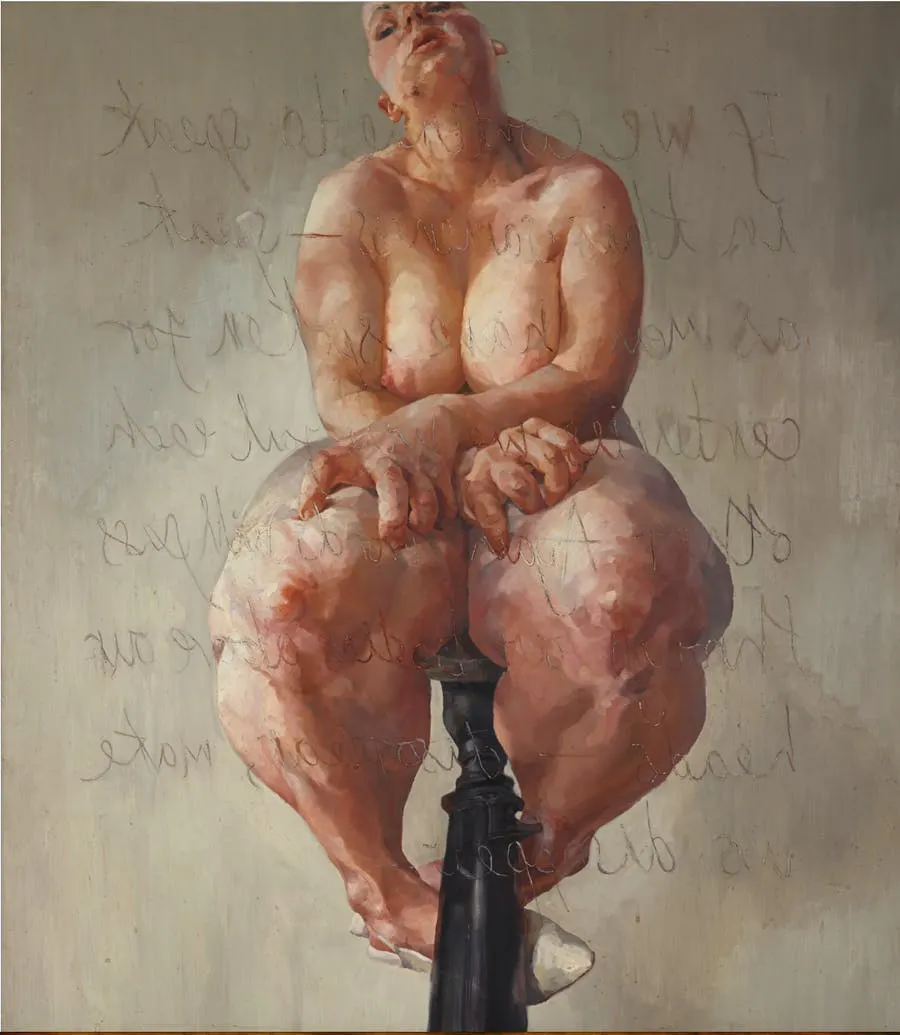
2. Jenny Saville, Propped
Like Mendieta, Jenny Saville (1970) wants to distort and seduce the woman's body. She achieves this in her self-portrait Propped, which sold for £9.5 million in 2018, making Saville the most expensive living female artist at auction. In the raw and uncomfortable painting, Saville has portrayed herself in a way that is not usually shown in art's finery – sitting naked, squinting down at the viewer, on a black phallus symbol with nails imprinted in the thighs and breasts pressed together. Across the work, Saville has quoted the feminist writer Lucie Irigaray: “If we continue to speak in this sameness – speak as one has spoken for centuries, we will fail each other. Again, words will pass through our bodies, above our heads – disappear, make us disappear.”
See also: The 8 Top Selling Women in the YBA
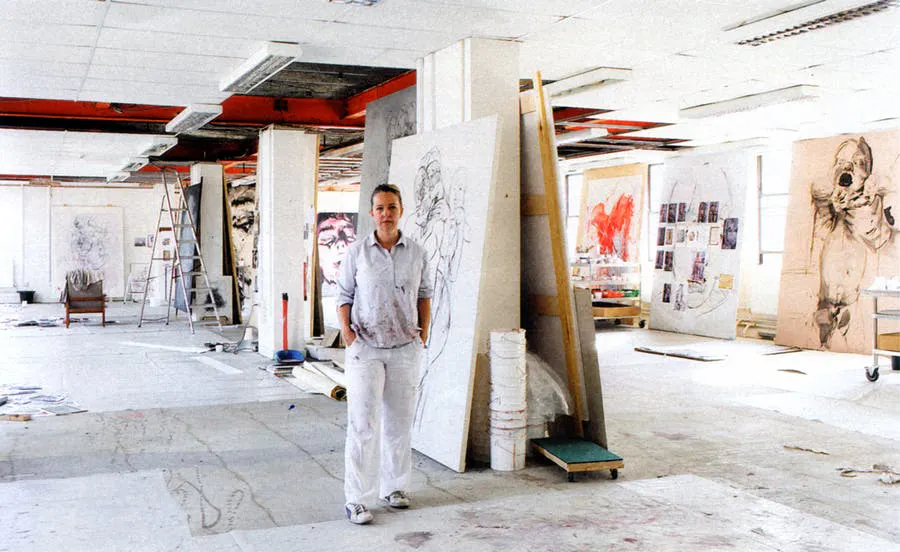
Today, Saville continues to raise questions and portray figures that do not fit the Western beauty norms. She explores and is fascinated by the real women's body, where she exaggerates bodily elements that society considers ugly, to show how the female body actually moves and looks.
See also: The 15 Most Expensive Female Artists
1. Shirin Neshat, Unveiling (Women of Allah)
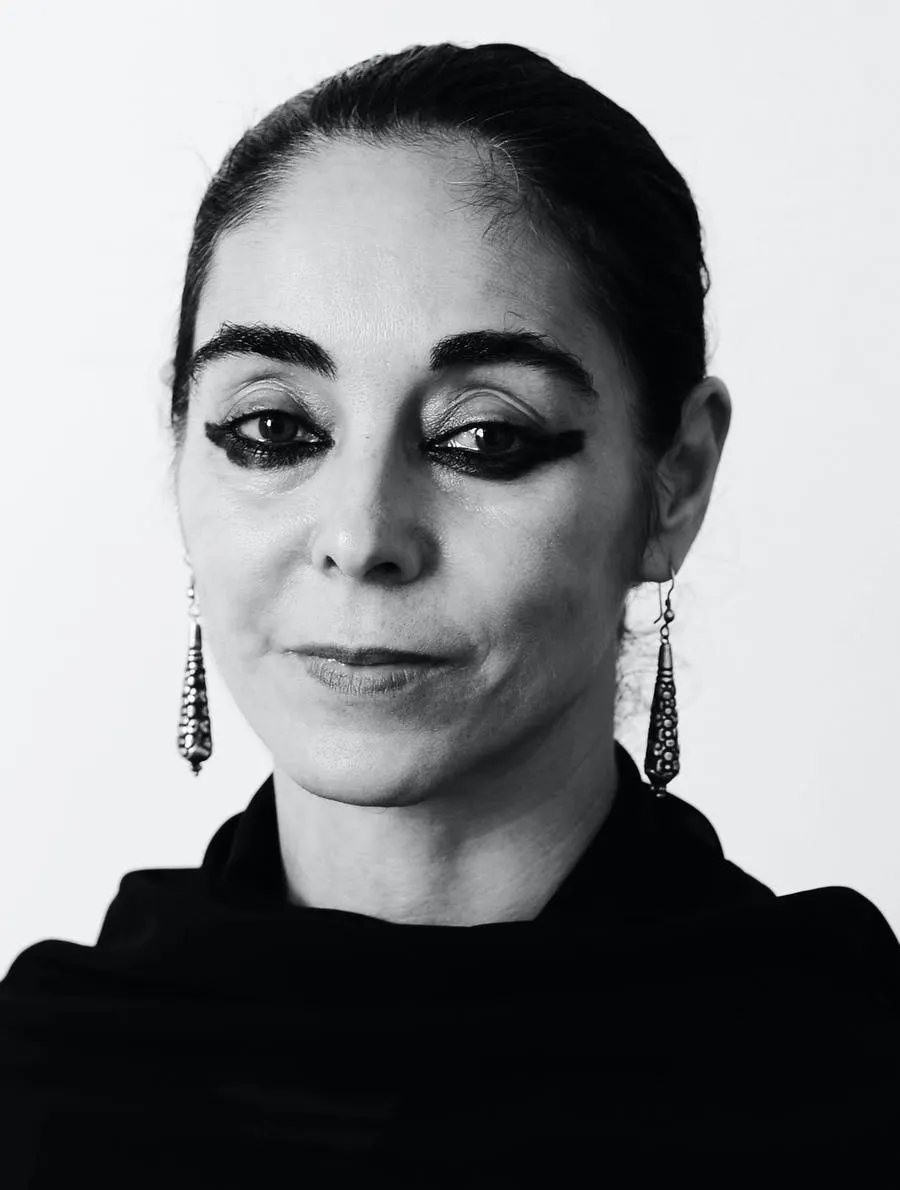
Shirin Neshat was born in 1957 in Qazvin, Iran, at a time when women's rights were growing ever larger. After living in the United States from 1975-91, she returned to Iran and was met by a completely different society than she remembered from childhood. She began to depict the changes that took place in Iran after the Islamic Revolution of 1979. Between 1993-97, she created the series Women of Allah in which she explored women's identity in a changing cultural landscape. The series consists of black-and-white images consisting of four symbols associated with Western representations of the Muslim world: the veil, the gun, the text and the gaze.
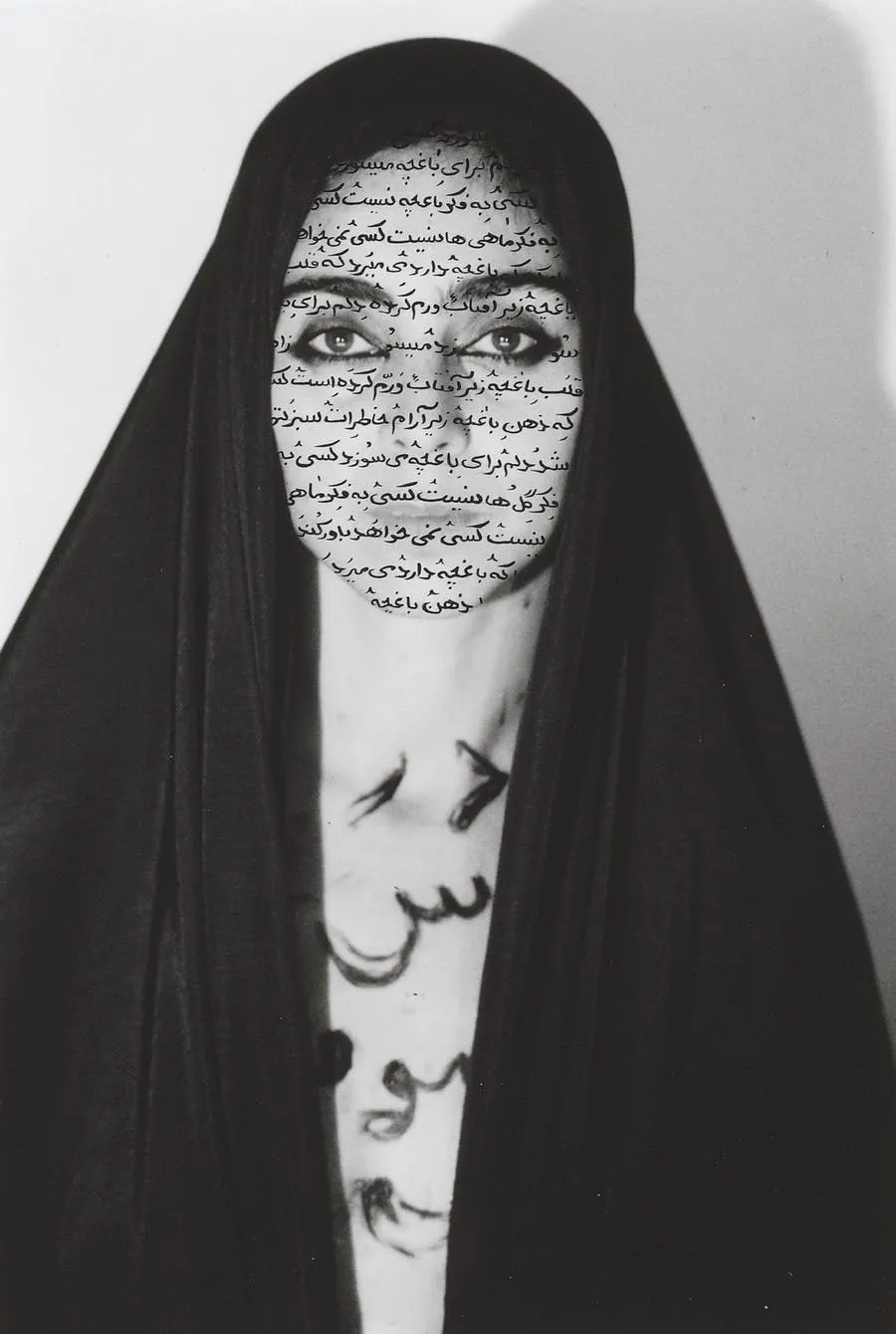
In Women of Allah, the veil serves as a symbol of both freedom and oppression. One of the most visible changes in Iran is the requirement for women to wear a veil when in public places. While many Muslim women think this practice strengthens their religious identity, the veil has been coded in Western eyes as a sign of oppression. The look of the work may also reflect the Western fantasies of the East. In 18th- and 19th-century paintings, non-Western women are often depicted nude and surrounded by strong colours. But in Neshat's work, the woman looks back at the viewer and sets herself free from the centuries of submission to the male and western eyes.