
In her work Male Landscapes (1968-1980), the artist Eunice Golden focused on the male body by depicting it in erotic contexts and exploring sexuality using the naked man as a tool. Likewise, Nan Goldin and Sylvia Sleigh sought to reverse the typical gender dynamic between the male artist and the female model through their art.
Historically, female artists have been exposed, discriminated against, mocked and objectified. For example, it was long considered inappropriate for women to depict nude models. In contrast, countless paintings and sculptures of naked women fill both homes and museums – all created by men.
See also: The Tales Behind Art History's Most Important Muses
Many famous male artists at some point during their working life had a female muse as a source of inspiration, and often she was also his mistress. But does a muse have to be a woman? If it is enough to be a source of inspiration, the answer is simple: no. Female artists have also had men who triggered their creativity. So even if the men in question were often artists themselves and of course nowhere near as objectified as the women, they were muses. Here, we take a closer look at some famous female artists and the male muses who inspired their work.
Berthe Morisot and the Manet brothers
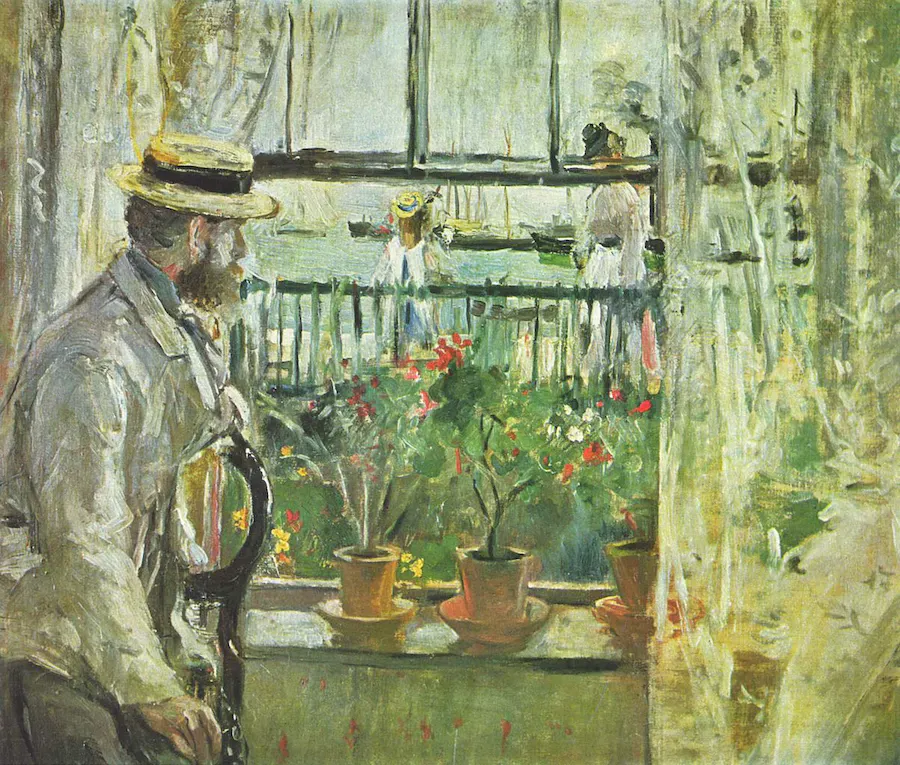
Many critics claim that Édouard Manet was the one who had the greatest influence on the work of impressionist Berthe Morisot. When she was young, she spent a lot of time in his studio modelling for him and learning from his methods. Her paintings show clear influences from him, but she was also inspired by Frédéric Bazille's methods.
See also: Berthe Morisot Emerges from the Shadows
So did Berthe have a muse? In 1874, she married Éduoard's brother Eugène, who figures several times in her paintings, alongside their daughter Julie. However, the reason why her husband is a recurring motif can have a simple explanation. With the limited freedom of women in the 19th century, Berthe painted almost exclusively motifs from her everyday life and private sphere, such as Eugène and Julie in the garden.
"I don't think any man would ever treat a woman as his equal," wrote Berthe Morisot in one of her notebooks, "and that's all I ask because I know my worth".
Sigrid Hjertén and Isaac Grünewald
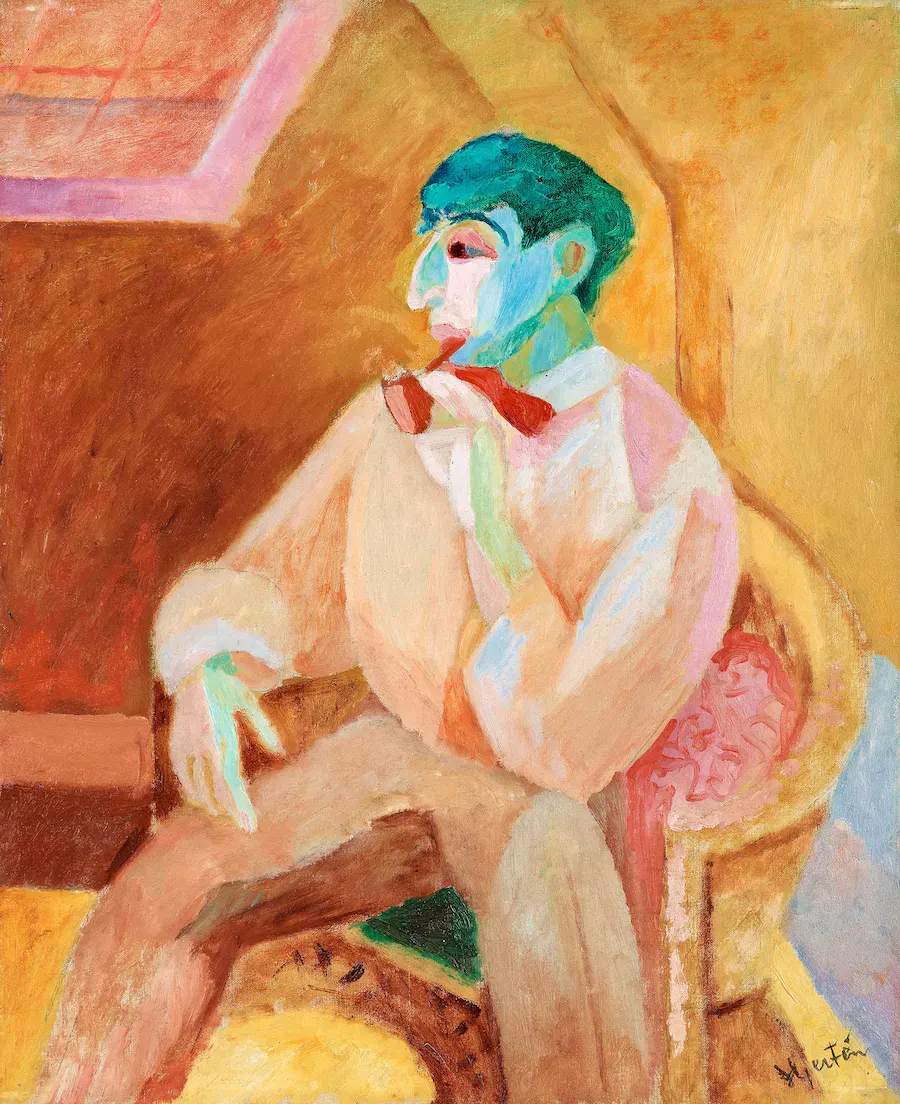
The relationship between Swedish artists Sigrid Hjertén and Isaac Grünewald has given rise to films, books, and exhibitions as their story contains all the elements of a romantic drama: love, betrayal, stubbornness and death. Sigrid was from a bourgeois family and Isaac was poor. Together they went to Paris where they both studied under Henri Matisse.
Want more articles like this delivered straight to your inbox? Subscribe to our free newsletter!
In Sweden, Isaac was regularly exposed to anti-Semitism but was professionally very successful. He was also a recurring presence in Sigrid's colourful and narrative paintings. Suffering from mental illness, Sigrid processed the infidelity in their relationship through her art, such as in her painting Woman in Red Interior from 1915. The sadness and betrayal in the painting is unmistakable: the woman on the sofa, blue and green with envy, turns her face away from the loving couple on the bed in the background. Isaac died in a plane crash in 1946, and Sigrid passed two years later at Beckomberga Hospital after a failed lobotomy.
Nan Goldin and 'Brian'

Photographer Nan Goldin titled her first photo book The Ballad of Sexual Dependency (1986). In the book, Goldin published searing images of a relationship she had with a man referred to only as 'Brian'. In the photograph above, Nan and Brian on the Bed, the couple is surrounded by a dim light and their body language reveals a growing rift between them. One of the images in the book also laid bare the reason for their breakup: the stark portrait of Nan One Month After Being Battered is a close-up of her bruised face and an unforgettable depiction of intimate partner violence—a violence that Goldin transformed into art.
Leonora Carrington and Max Ernst
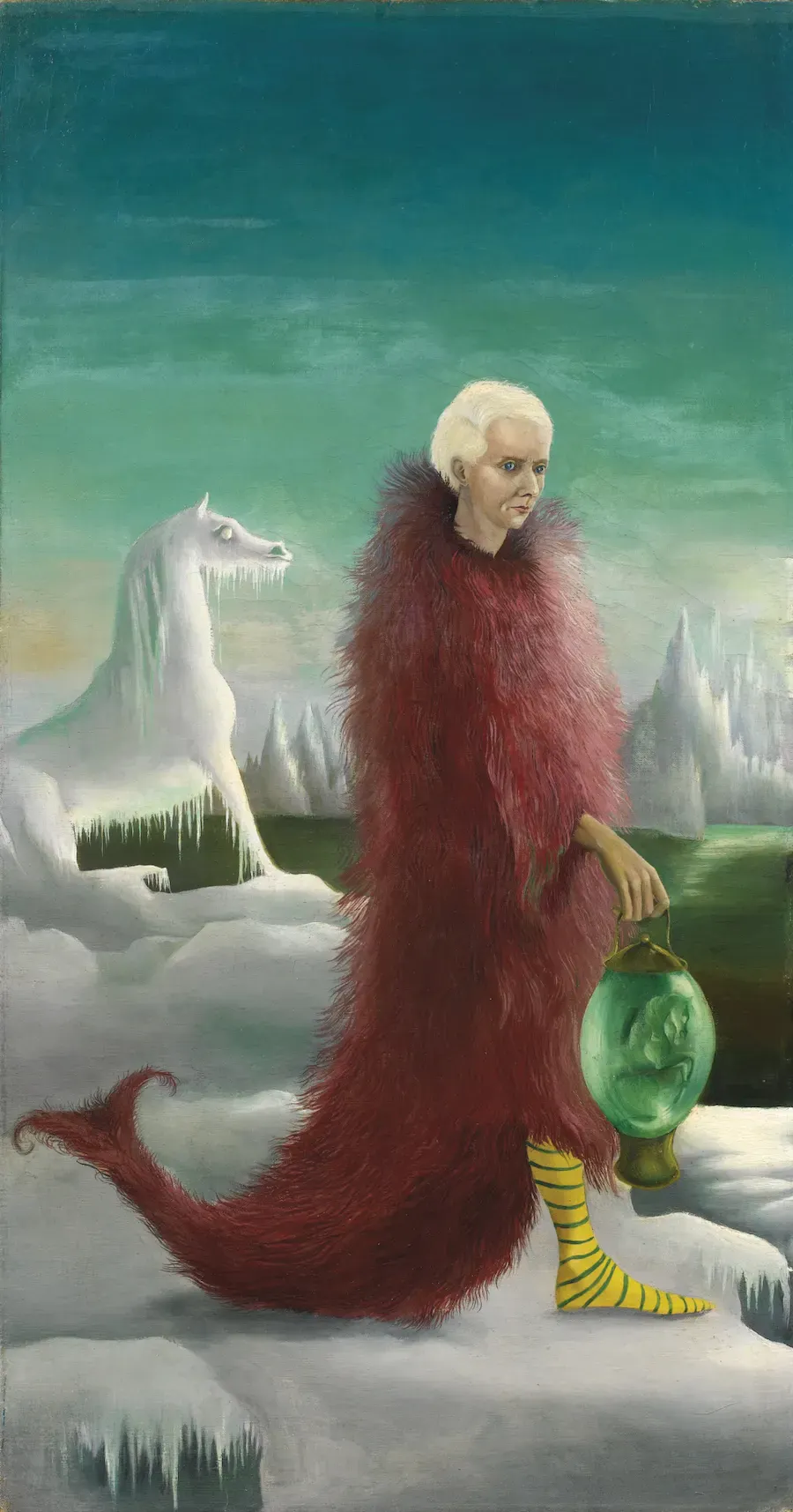
"I had no time to be anyone's muse ... I was too busy rebelling against my family and learning to be an artist," wrote Leonora Carrington in 1983. Carrington moved in the Surrealist circles of interwar Europe where she painted dreamlike and Hieronymus Bosch-inspired paintings.
See also: Max Ernst: 5 Facts to Know
It is said that it was love at first sight when she and fellow surrealist Max Ernst met at a dinner in London in 1937. Only 20 years old, she moved with the 26-year-old married artist to Paris and the following year to Provence to get away from Ernst's wife's understandable anger. When the war broke out, they were separated and after a nervous breakdown, Leonora Carrington was admitted to a mental institution in Spain. When her parents wanted to move her to another mental home in South Africa, she managed to escape and lived the rest of her life in Mexico.
Frida Kahlo and Diego Rivera
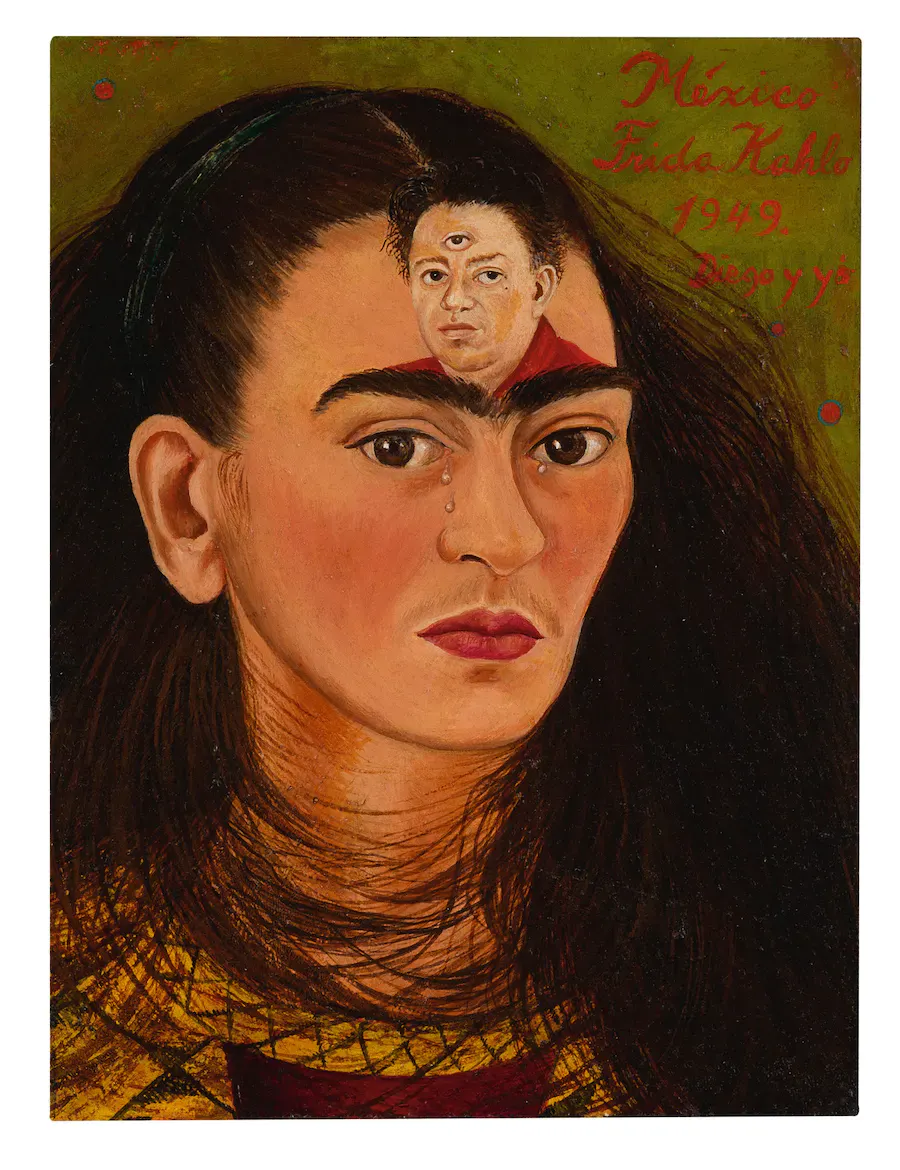
Frida Kahlo herself said that she had had two serious accidents in her life. The first was the violent bus crash where she was seriously injured at the age of 18. "The other accident," said Frida, "is Diego."
See also: 10 Artist Couples You Should Know
Just three years after the bus accident, she met the artist Diego Rivera. Even though he was 20 years older, she fell for him immediately. And it was as Frida said – both the bus crash and Diego Rivera caused her physical and mental pain throughout the rest of her life. But these experiences also influenced her art and gave her paintings the explosive and emotional expression that cemented her icon status in Mexican art. Both the portrait Diego y Yo and Diego en mi pensamiento depict Frida with Diego painted on her forehead to portray his importance in her consciousness.
Camille Claudel and Auguste Rodin
See also: The 15 Most Expensive Female Artists
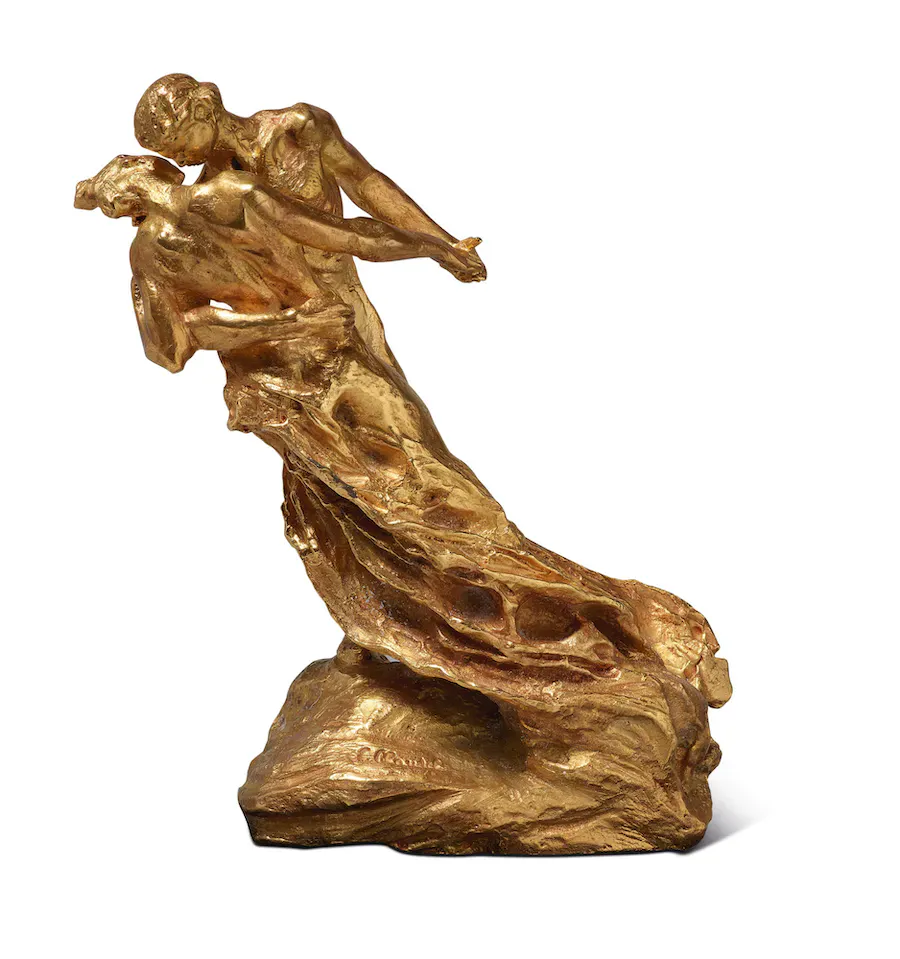
"I have been making sculptures for seven years and I am Monsieur Rodin's pupil," wrote Camille Claudel in a letter in 1889. But she was not only a pupil of the sculptor Auguste Rodin, she was also his mistress and their love story has been the basis of many books and movies. She had a great influence on his art, as can be seen in Rodin's Galatea for example, which was clearly inspired by an earlier sculpture by Claudel. But even if she learned from Auguste's techniques and made sculptures influenced by him, the question is whether she was more muse to him than he was to her.