The fact remains that decades after his death on 22 February 1987, Andy Warhol, the Pope of Pop, hasn’t ceased to fascinate.
Reflecting a cynical and uninhibited era, Warhol’s work, which merges easily with his lifestyle as an arty New Yorker, speaks to how images can be hijacked, or spectators bluffed.
Warhol, born as Andrew Warhola Jr., grew up in Pittsburgh, the United States. His father, Andrew Warhola Sr., a Slovakian immigrant, worked in its region’s open-pit mines from 1914 onwards, struggling to make ends meet and to support his four children, whose mother, Julia, could only join them in the United States in 1921. Against this miserable industrial backdrop, young Andy, born on 6 August 1928, often fell ill, and the Great Depression didn’t make things any easier either.
At the age of nine, he contracted Sydenham’s chorea, a contagious disease affecting the nervous system, which confined him to bed over long stretches and disrupted his schooling. By his own admission, this period – when he started drawing, collecting photos of film stars, and listening to the radio next to his mother, a woman who never learned English and remained under the sway of Orthodox religion and Byzantine imagery – defined his tastes and influenced his art. Andrew Warhola Sr. died in 1942, and two years later, Andy enrolled in the Carnegie Institute of Technology in Pittsburgh. He graduated in 1949 with a Bachelor of Fine Arts and a penchant for blotted-line prints.
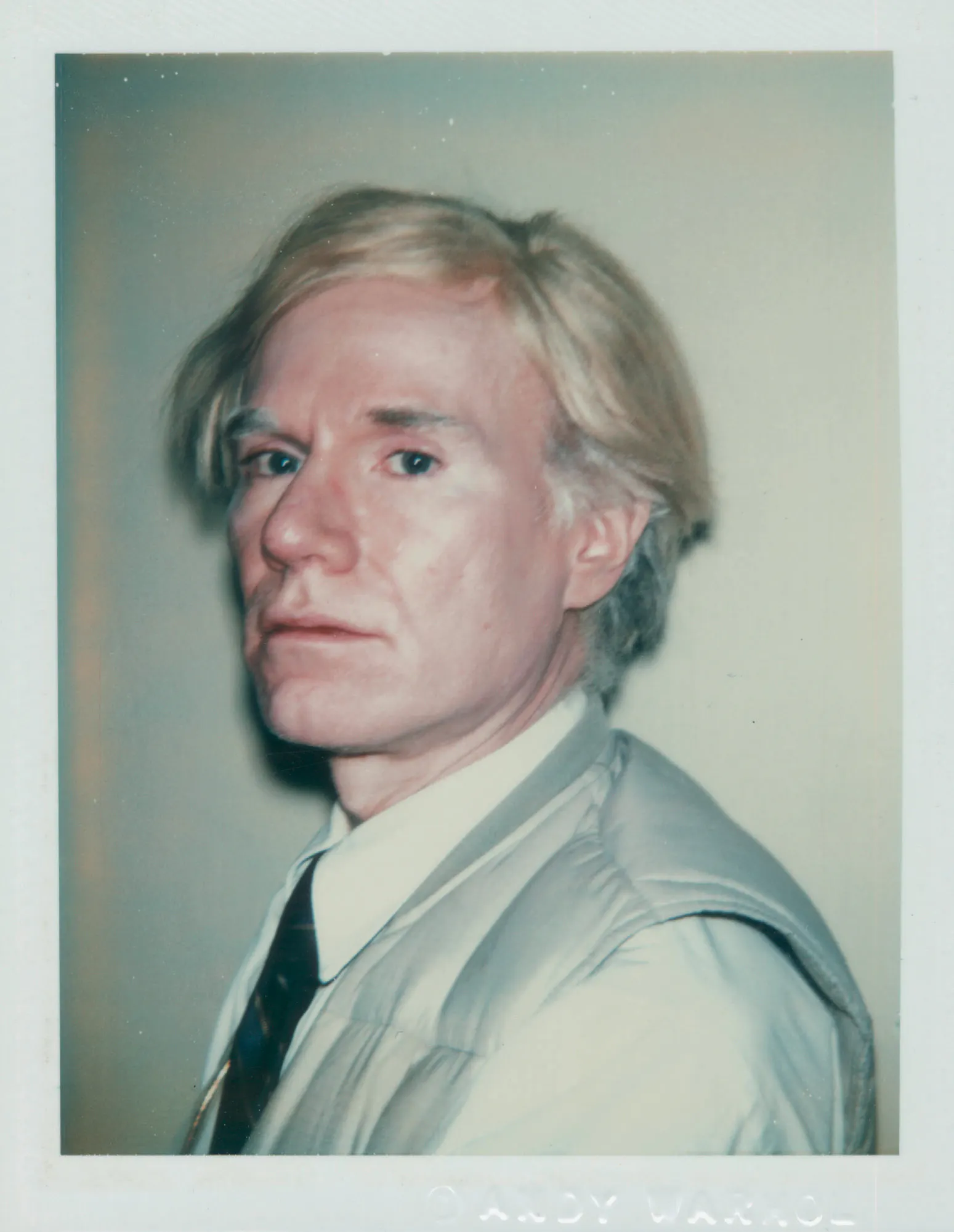
Next stop, New York (and a change of name). Warhola, now Warhol, found work as a commercial illustrator for magazines such as Glamour, Vogue, Harper’s Bazaar and The New Yorker, his artistic flair champing at the bit while he decorated department-store windows and exhibited drawings in restaurants frequented by the stars of the time. He became a successful commercial illustrator because of his innate understanding of how images are disseminated and digested by the public. One of his first jobs was working for shoe designer Israel Miller, sketching whimsical and elegant shoe designs.
Want more articles like this straight to your inbox? Subscribe to our free newsletter!
By the time that he held his first show in a New York gallery in 1952, Warhol was already dabbling in a bit of everything: he created costumes for a theatre company (his blond wig hailed from this experience) and designed Christmas cards for fashionable stores, while his commercial drawings kept getting better and even won him accolades. He also gradually sharpened his business sense: Warhol plainly referred to his work as ‘commercial art’, and wasn’t averse to raking in money, so deprived had his childhood in Pittsburgh once been. It was his strong belief that is reflected in his line: “They always say time changes things, but you actually have to change them yourself”.

The sophisticated adman embraced contemporary art in the 1960s, driven by his insatiable curiosity, especially about the European avant-garde (for example Yves Klein, Jean Tinguely, Niki de Saint Phalle), and his capacity to assimilate all media and techniques (including comics, painting, serigraphs, photography and film). Thanks to his expertise in staging events and creating happenings, soon it was him who was the trendsetter – so much so that Warhol became a Pop Art authority alongside his contemporaries Roy Lichtenstein, Jasper Johns and James Rosenquist.
These early forays into illustrated marketing would have a significant impact on Warhol's work. The growing marketing industry was directly related to the American atmosphere at the time: post World War II America was a period of intense industrial and commercial growth and the country's economy was the strongest in the world. As commercialisation and mass production exploded, Warhol's work echoed these cultural shifts, both glorifying and criticising the state of affairs.
See also: Drink Coca-Cola: How the Soda Became an American Staple
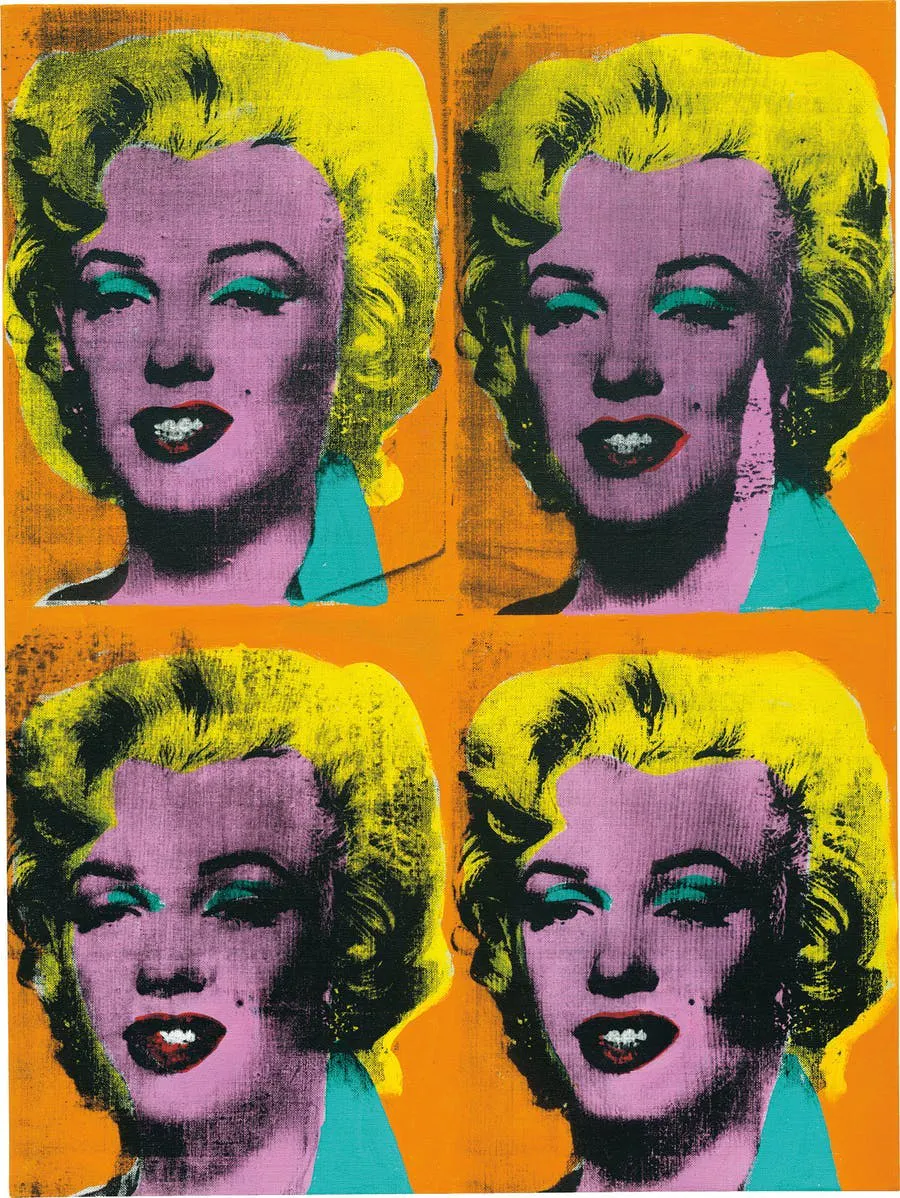
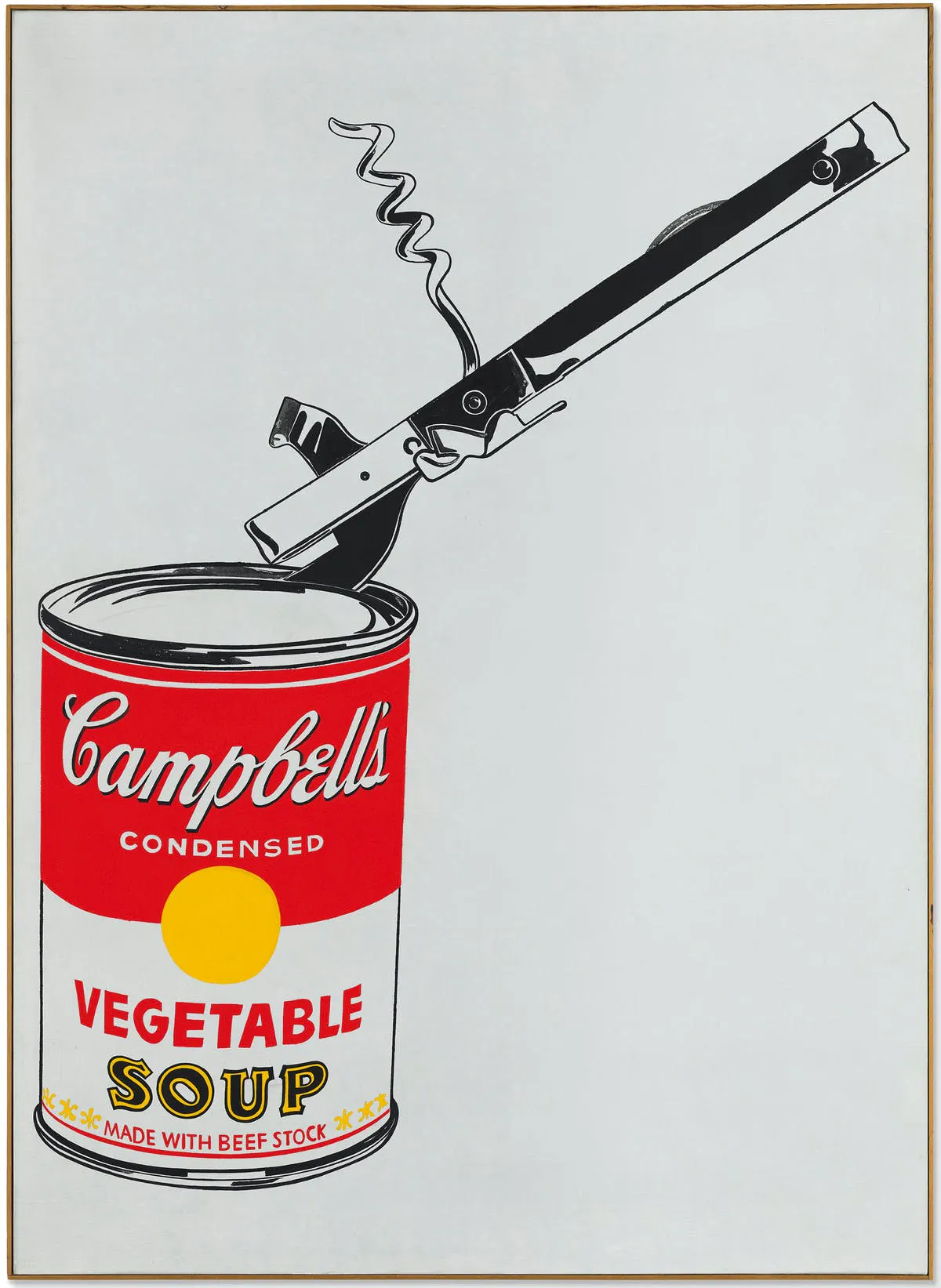
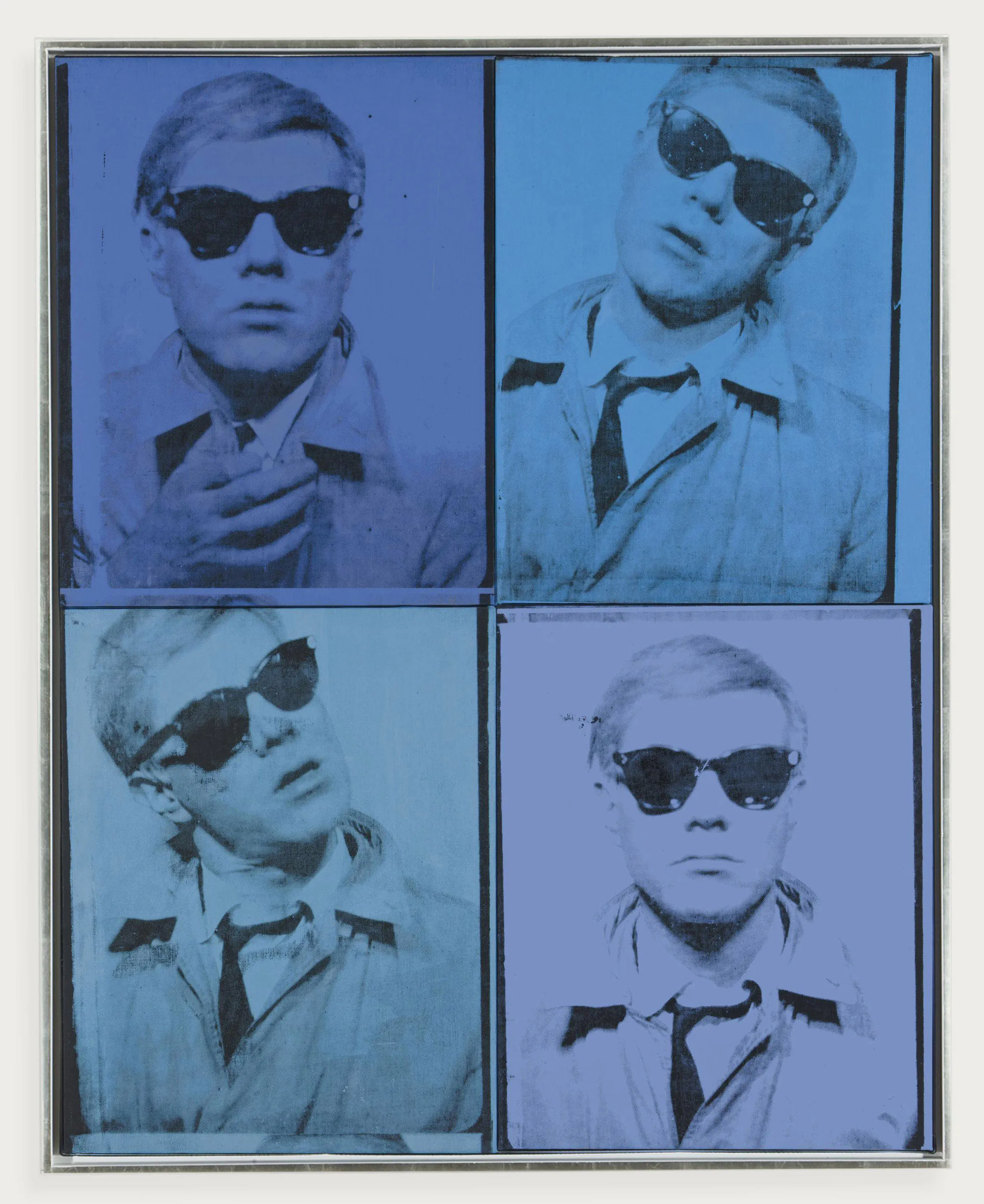
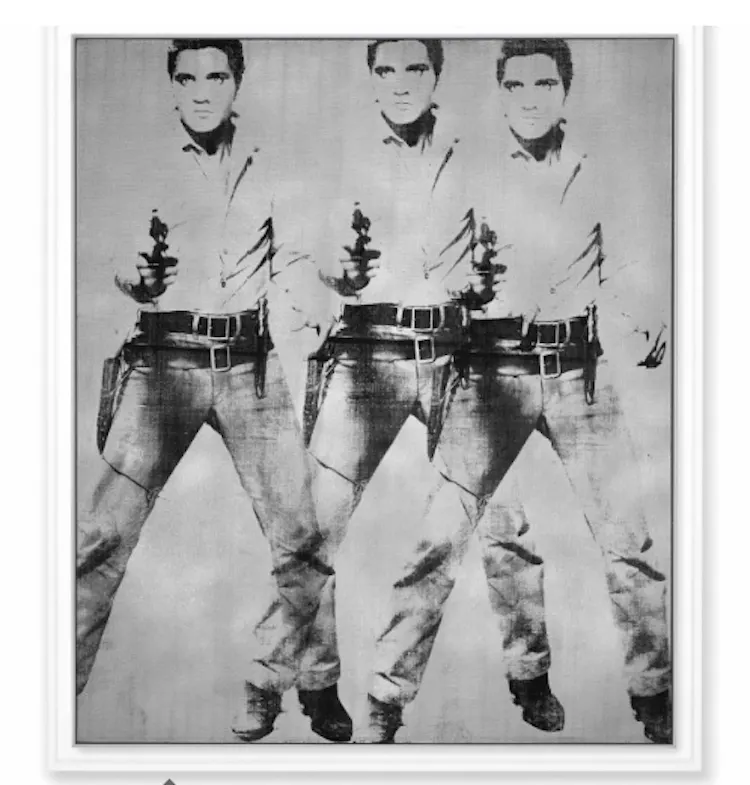
The 1960s firmly established Warhol as the premier artist of the zeitgeist. He was attuned to the obsessions of American society and consumer culture, especially the fascination with celebrities and entertainers. In 1963, Warhol began developing the technique that he would use to produce his best-known works: silkscreen prints of black-and-white photos of famous figures and celebrities, including Mao, Marilyn Monroe and himself, or images of everyday consumer products, like Coca Cola bottles, Campbell’s soup cans, or dollar bills, each smothered with large blocks of color. The multiplication of the one motif on a piece of fabric revealed his chosen object as a ‘cliché’ (a term incidentally also meaning ‘snapshot’ in French), blurring the boundary between elitist art and popular culture while also criticizing mass-consumption society and standardization. Produced in the early 1960s, Andy Warhol’s first known series of self-portraits was sold by Christie’s in New York in 2011 for £23.027 million.
He also didn't shy away from the darker aspects of the 1960s with his Death and Disaster series. He recreated newspapers by painting tragic headlines, often exaggerating the fatalities, and used his pop art technique for unsettling images such as car crashes, race riots, Jackie Kennedy on the day of JFK's assassination, the electric chair and a suicide to convey the underbelly of issues belying the commercialized patina of the American '60s.
See also: A Car Crash Worth $85 Million
Backed up by droves of collaborators, mainly responsible for reproducing his creations, Warhol moved, in the mid-1960s, into an industrial space on 47th Street. Dubbed ‘The Factory’, the premises became a cult spot in New York’s underground life. Here, he directed various experimental films, and helped to record the Velvet Underground’s first songs. So actively did Warhol support the band’s beginnings that he went as far as announcing that he was quitting the visual arts for music. In fact, in 1965, Warhol announced his retirement from painting. Although he did return to painting later, for this farewell Warhol produced his flower series, using a magazine image of a hibiscus flower and painting them in a variety of bright colors, backgrounds and sizes.
See also: Pop Art in Bloom: Andy Warhol's Flowers
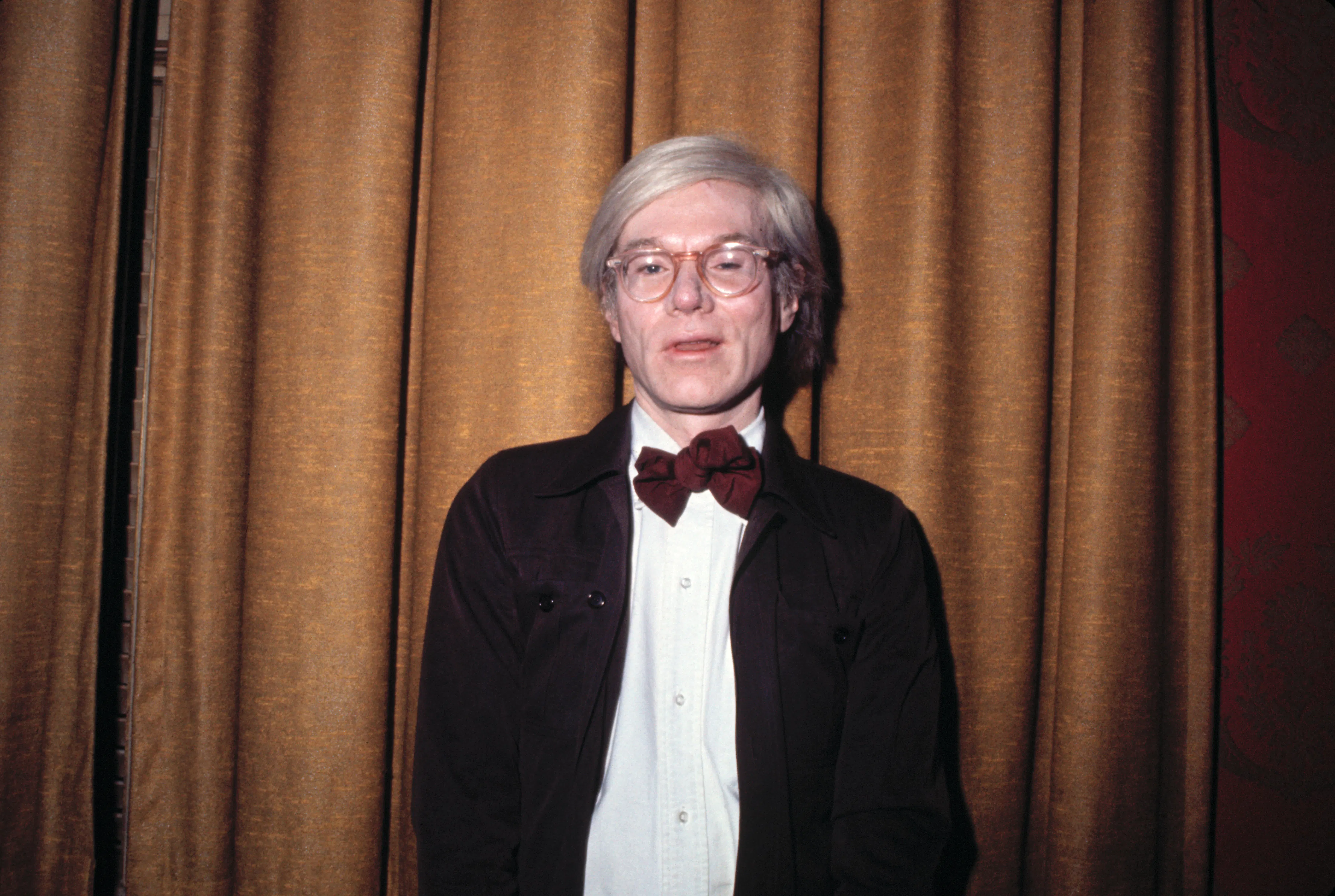
However, he returned to art at the start of the 1970s, coming up with new series of portraits or so-called retrospective creations, and also accepting commissions from wealthy collectors and celebrities, both in the United States and Europe. In the early 1970s, he created one of his most iconic works, the massive, 14-foot painting of Mao Zedong, the Chairman of People's Republic of China. His Mao series are considered his first political portraits, contrasting his earlier portrayals of American capitalism and consumerism with Chinese communism.
See also: Jean-Michel Basquiat: The Radiant Child
The 1980s saw Warhol's collaboration with young and successful artists like Jean-Michel Basquiat. The last decade of Warhol's life was also marked by an eerie foreshadowing of his death and Warhol conveyed paranoia, anxiety and his Catholic religion in later works.
Warhol’s many-faceted, unclassifiable work runs to tens of thousands of pieces. The Andy Warhol Museum in Pittsburgh alone displays 10,000 of them, in the form of paintings, films, photos and paper works, to name a few. Warhol’s family also initiated the founding of a Warhol Museum in Slovakia, which opened in the town of Medzilaborce in the early 1990s.
His work continues to command high prices at auction. His personal record was set in 2022, when Shot Sage Blue Marilyn sold for $195 million at Christie’s New York on 9 May 2022.
See also: The 12 Most Expensive Paintings Ever Auctioned
In 1985, Warhol said, "Everyone has their own America and then they have the pieces of a fantasy America that they think is out there but they can't see...And you live in your dream America that you've custom made from art and schmaltz and emotions just as much as you live in your real one." Through his art, he sought to understand and reveal the paradoxes of American identity, creating a dialogue that is still just as important today as over half a century ago.
Find more articles in Barnebys Magazine
This is an updated article originally published on 05/02/2018.